During the second day, participants discussed issues of economic interconnection, humanitarian exchanges, and the institutionalization of interregional dialogue.
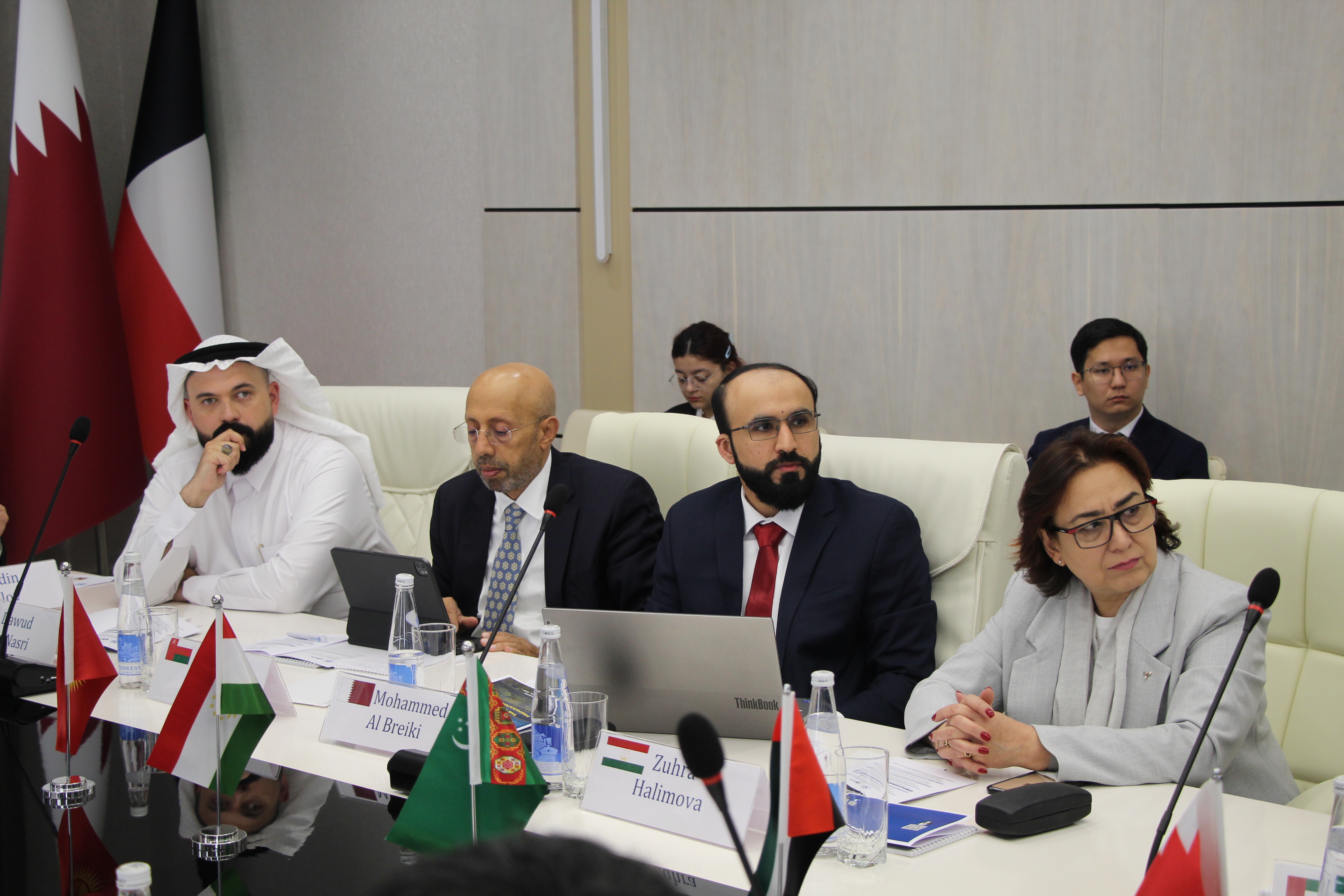
In the economic sphere, experts noted the growing trend of strengthening intra-regional ties in Asia, particularly between the GCC countries, Japan, and South Korea, which creates additional momentum for industrial rapprochement with Central Asia.

During the session dedicated to humanitarian exchange, special attention was paid to the role of academic exchanges, youth programs, tourism, and civil society initiatives as tools for building mutual understanding and trust between the peoples of the Persian Gulf and Central Asia. In particular, the prospects for creating joint university programs, holding youth forums and cultural festivals, and supporting non-governmental organizations working in the field of interregional humanitarian cooperation were discussed.
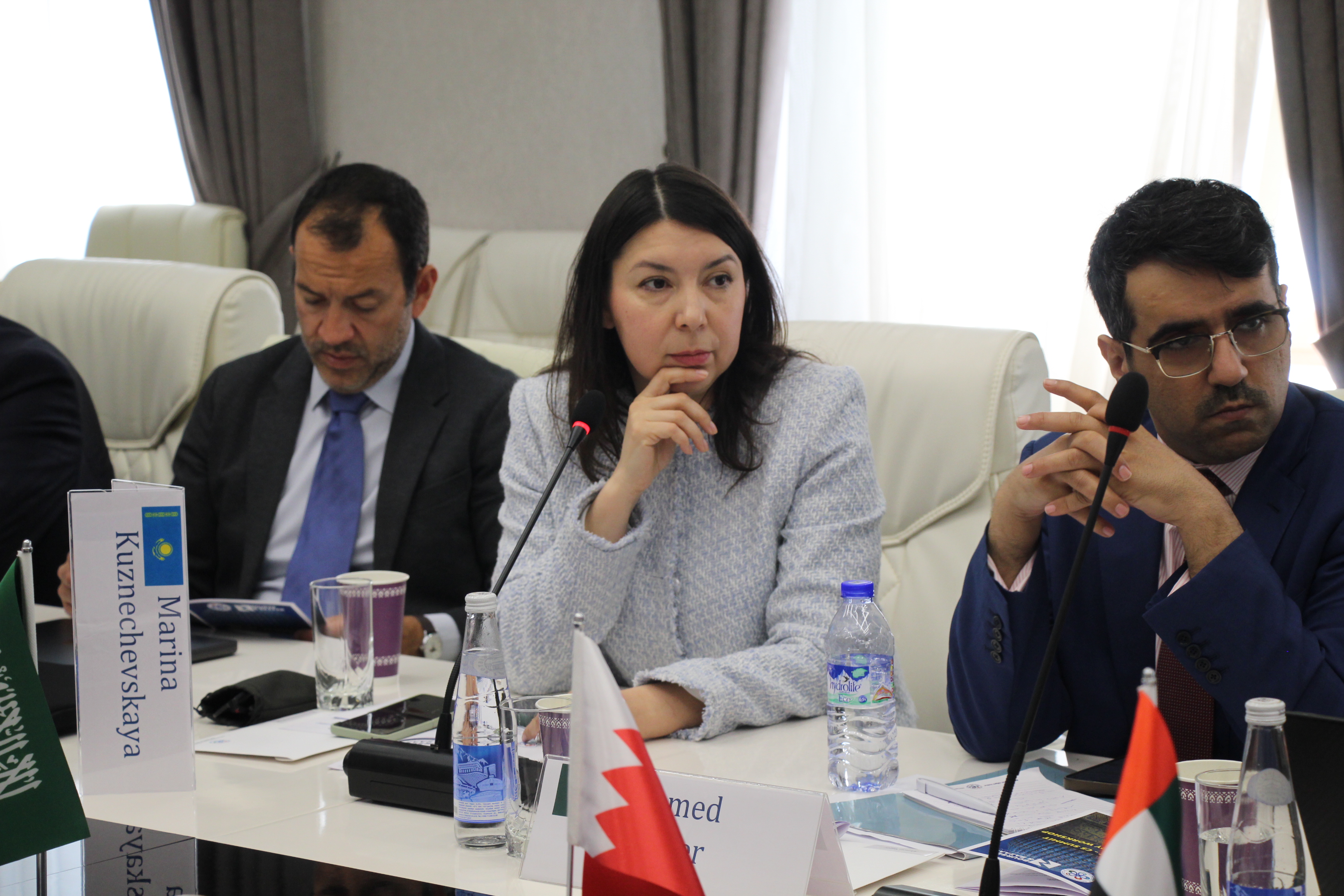
At the same time, the participants became familiar with the results of a sociological survey conducted by the Bourse and Bazaar Foundation in several Central Asian countries, which reflected the perception of the Gulf states among the youth of the region. It was noted that more than half of those surveyed were insufficiently informed about the tourism, educational, and technological potential of the Gulf countries, emphasizing the need for expanded humanitarian exchanges and targeted information initiatives to bring the societies of the two regions closer.
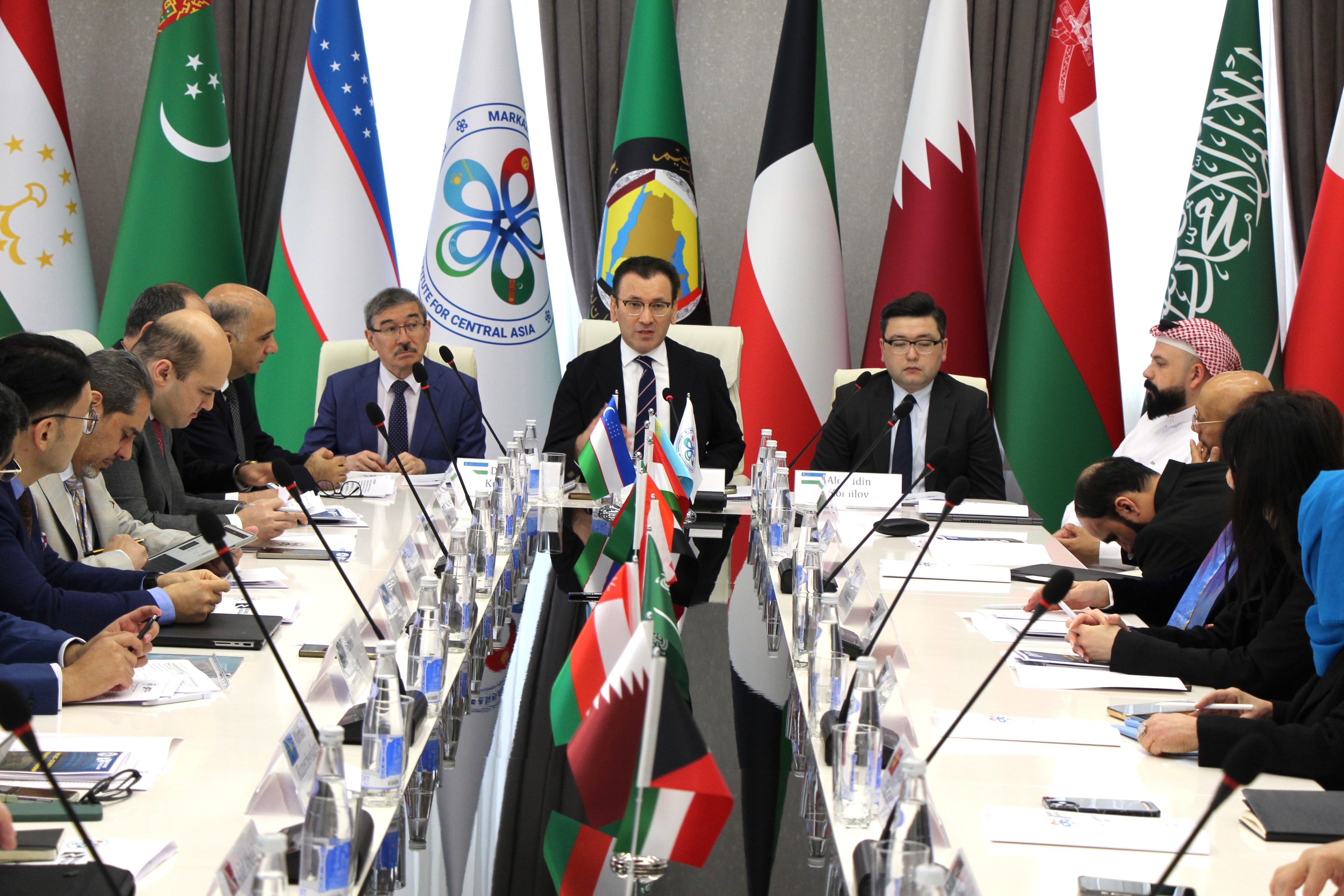
In the concluding session, experts discussed ways to deepen institutional cooperation between the two regions. In this context, the launch of the "Central Asia – GCC" format in 2023 in Jeddah and its continuation in 2025 in Samarkand were particularly noted. This underscores the leaders' desire to build a sustainable dialogue, coordinate strategic initiatives, and create a long-term partnership architecture based on mutual trust and common interests, as discussed during the forum. The participants also emphasized the need for regular ministerial and expert meetings within this framework.
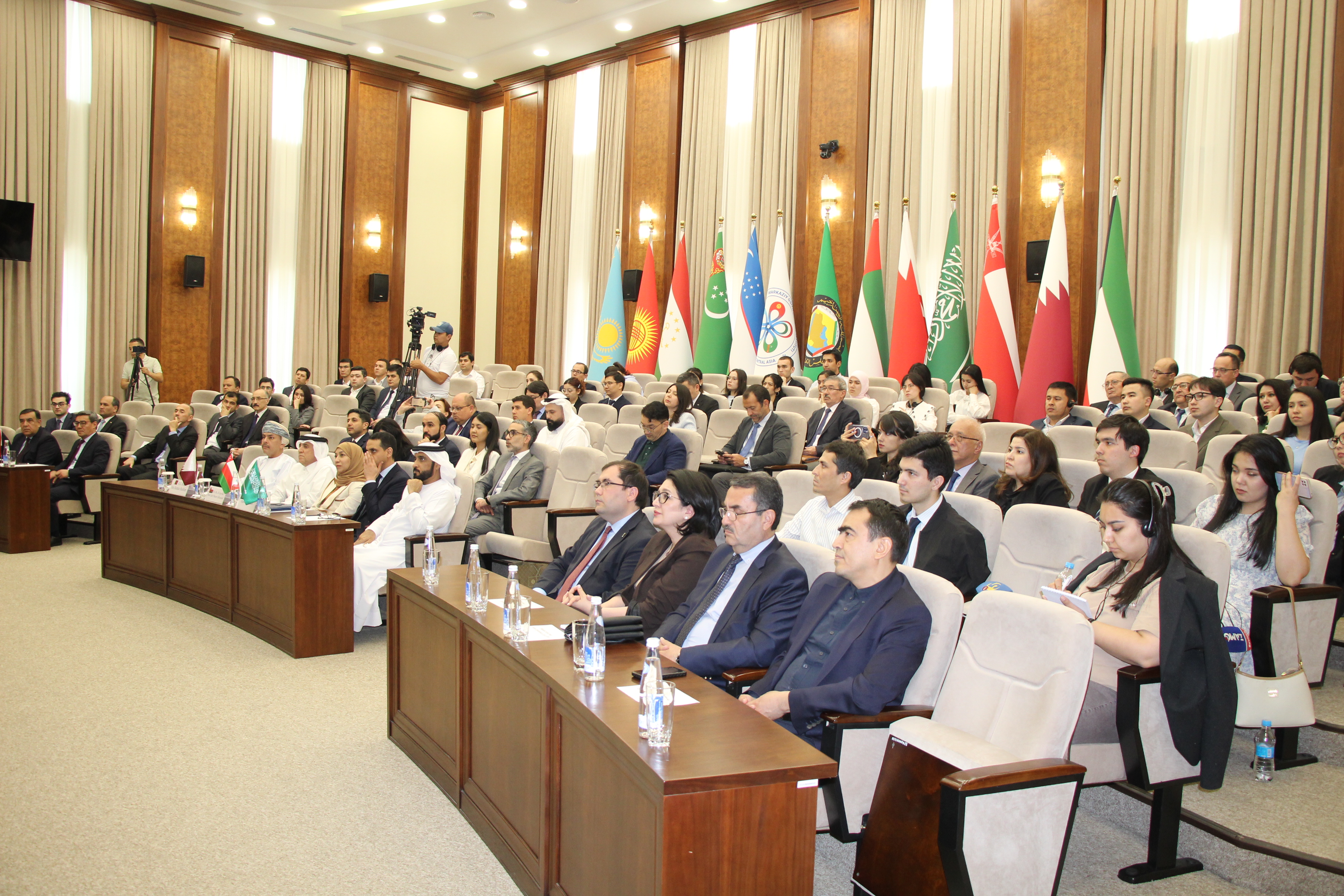
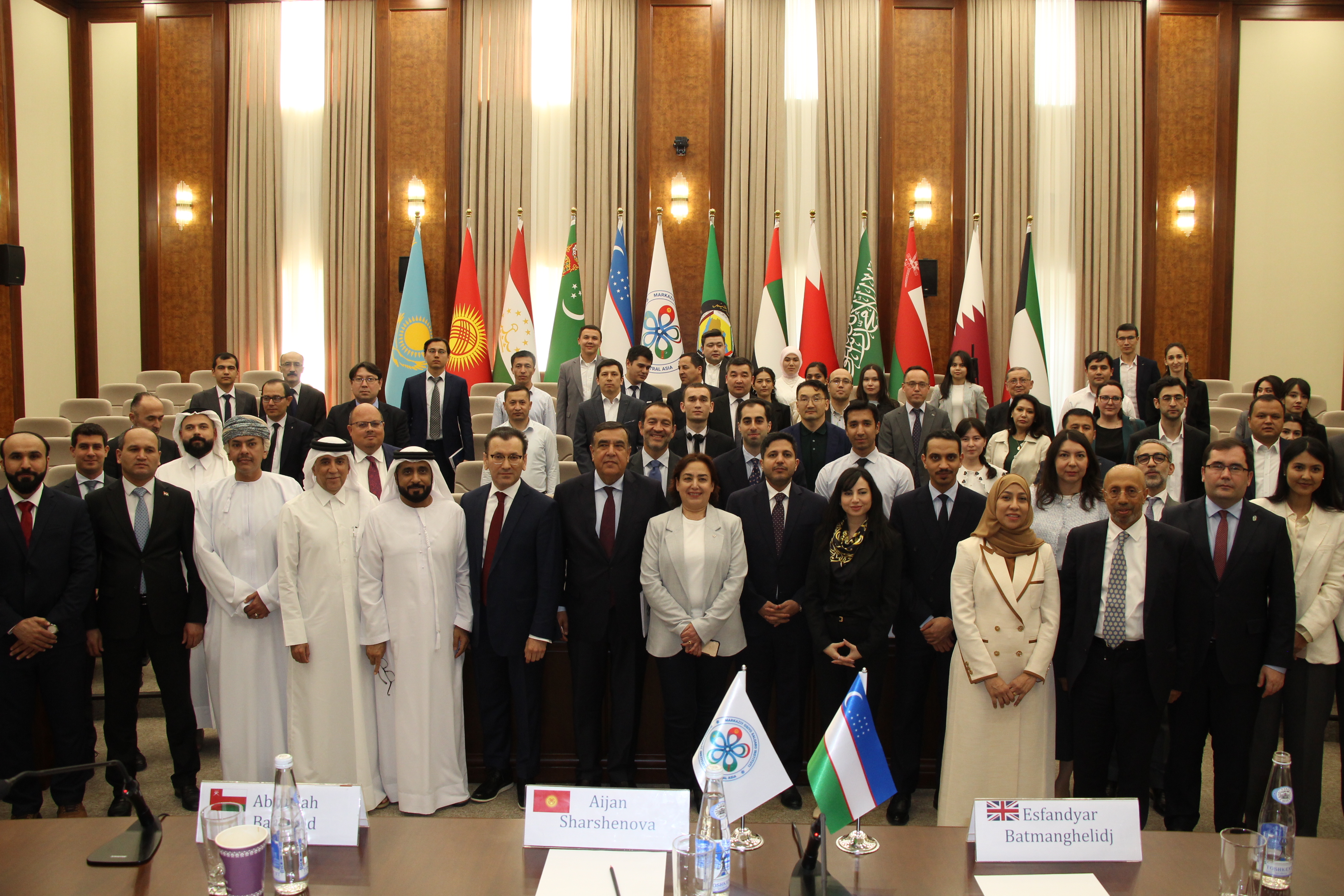
After the forum, a briefing was held in which IICA Director Javlon Vakhabov, Executive Director of the Crossroads Central Asia Research Center Aizhan Sharshenova, Visiting Professor from Oman at Waseda University (Japan) Abdullah Baabood, and Executive Director of the Bourse and Bazaar Foundation Esfandiar Batmanghelidj summarized the two days of discussions.
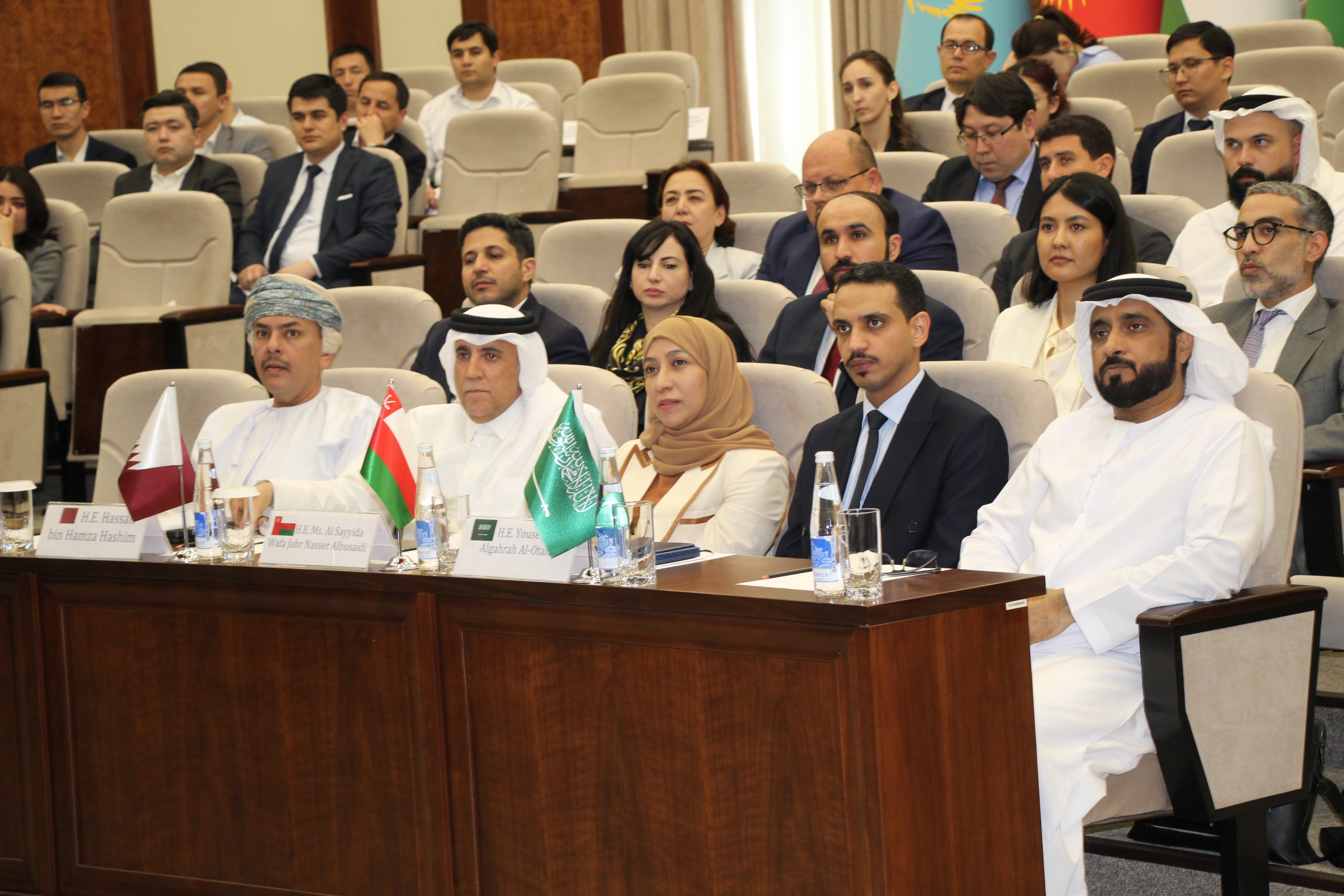
At the briefing, heads and representatives of the diplomatic missions of GCC and Central Asian countries in Uzbekistan, relevant ministries and agencies of our country, think tanks of Uzbekistan, researchers, and PhD students from Tashkent State Economic University, New Uzbekistan University, the University of World Economy and Diplomacy, Tashkent State Institute of Oriental Studies, the International Islamic Academy of Uzbekistan, as well as leaders and specialists from companies and organizations from the Gulf countries engaged in investment activities in the republic, including Masdar, the Uzbek-Omani investment company, and journalists and representatives of national and foreign media accredited in Uzbekistan, were present.
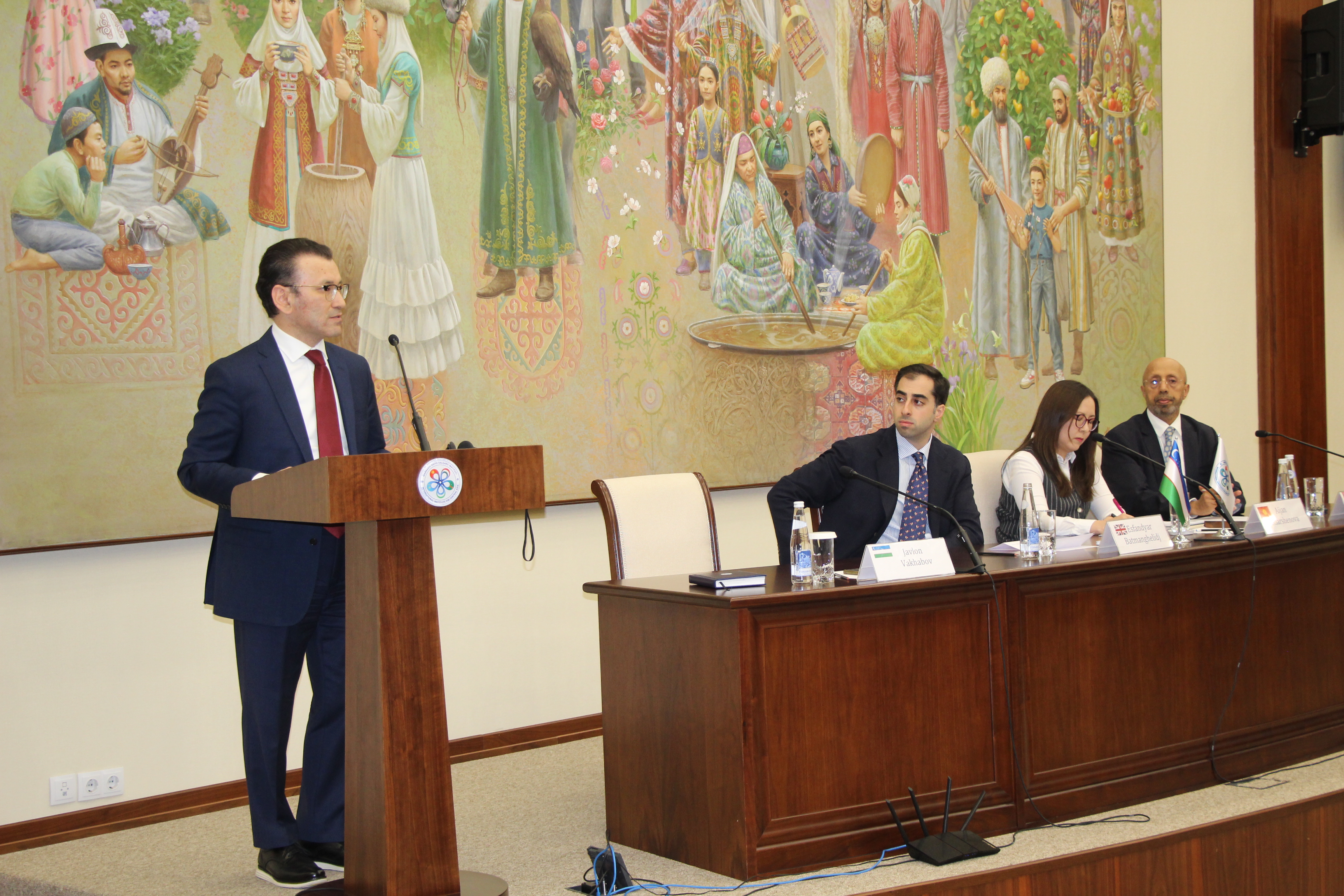
In his speech, Javlon Vakhabov emphasized that the participants not only exchanged ideas but also laid the groundwork for specific projects and initiatives. He expressed confidence that this format should be accompanied by concrete measurable mechanisms, including the involvement of young specialists and researchers.
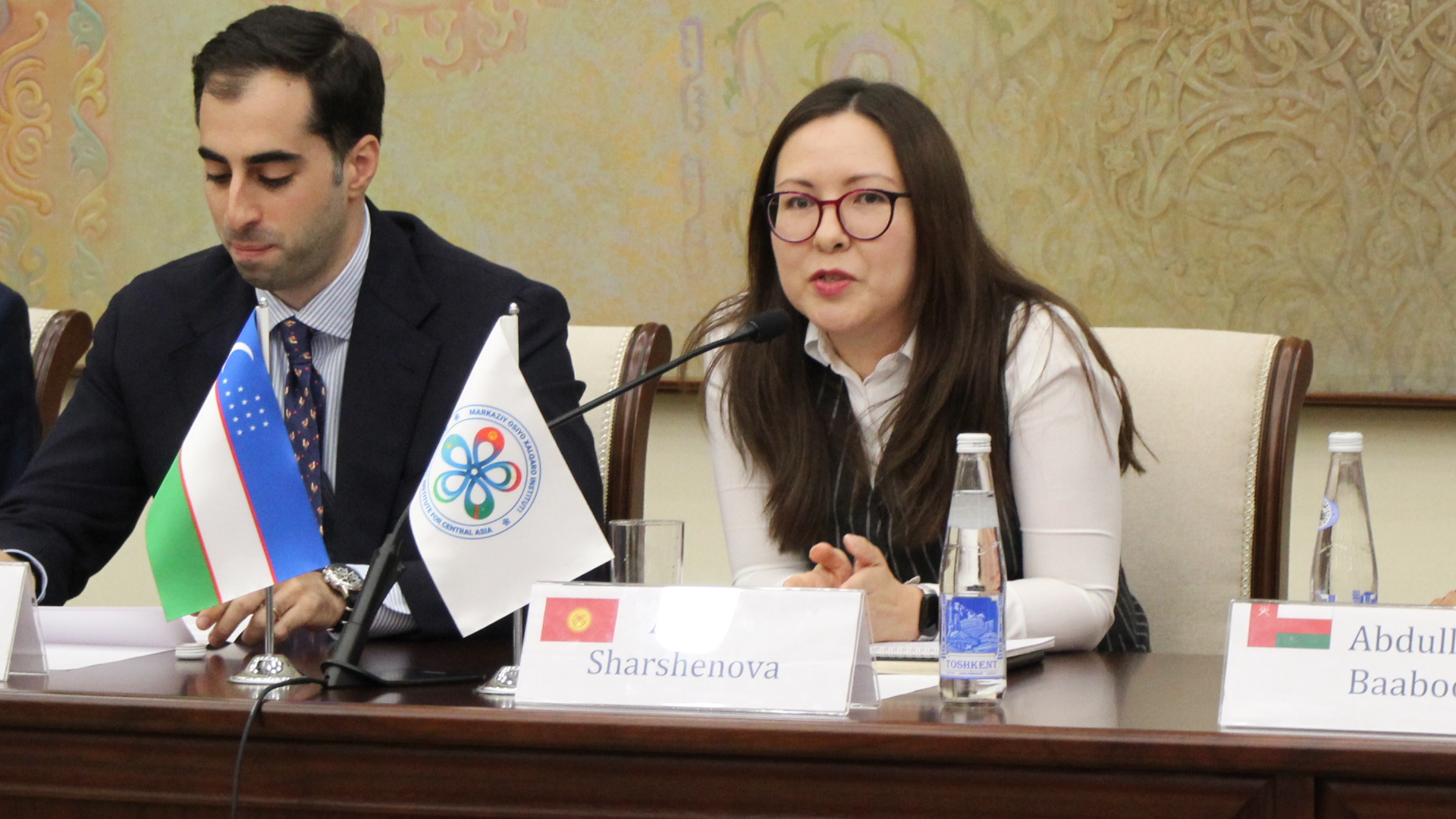
Aizhan Sharshenova, in turn, focused on the importance of the expert network and noted that the main task now is to ensure the sustainability of this format. In the expert's opinion, regular conferences, joint publications, and exchanges of teachers and interns are tools that will allow the parties to move from enthusiasm to practical steps.
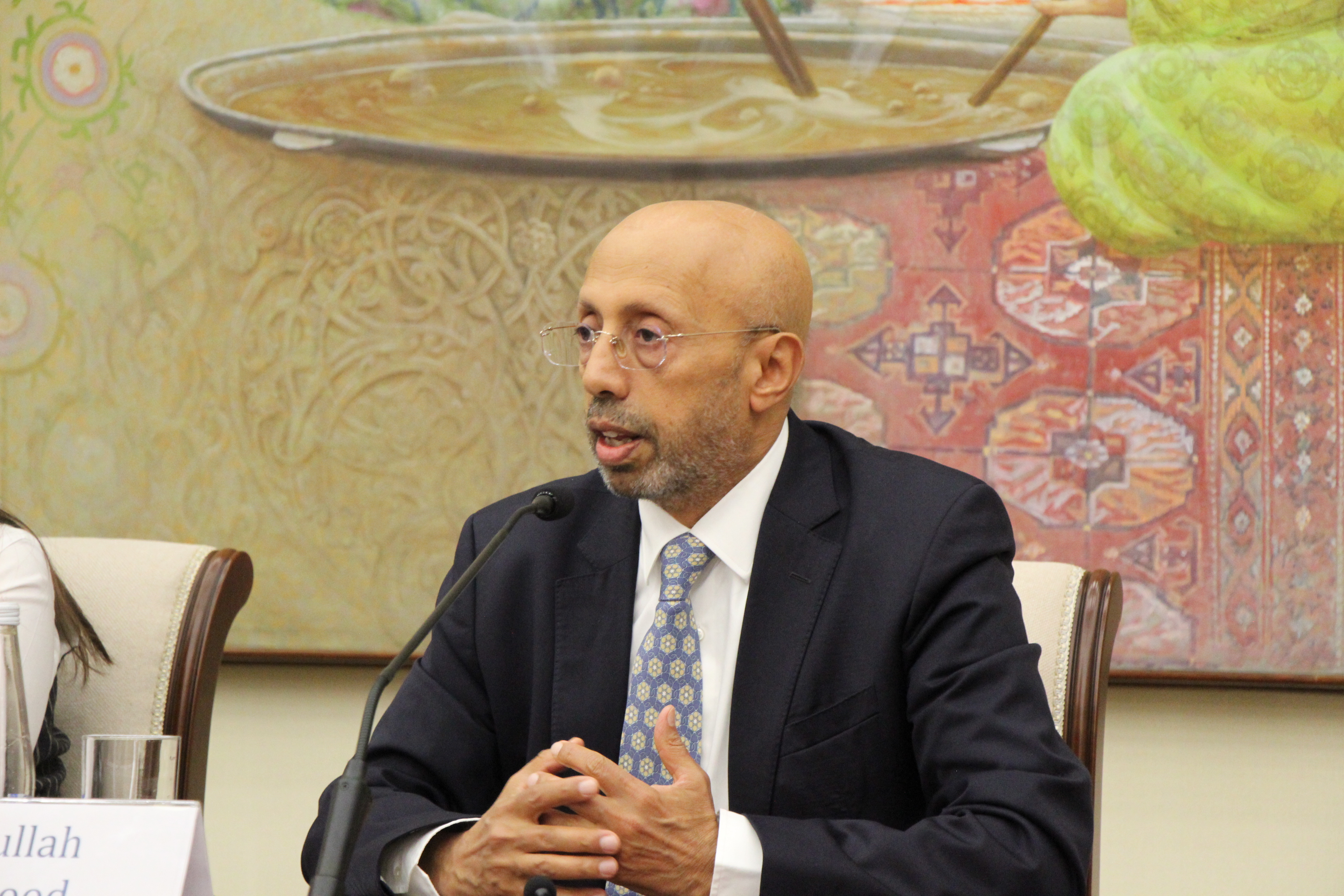
Summarizing the event, Abdullah Baabood emphasized that the development of transport corridors will be a driver of economic growth. As the professor noted, without coordinated efforts from both the private and public sectors and without a common digital infrastructure, it is impossible to unlock the full potential of these routes.
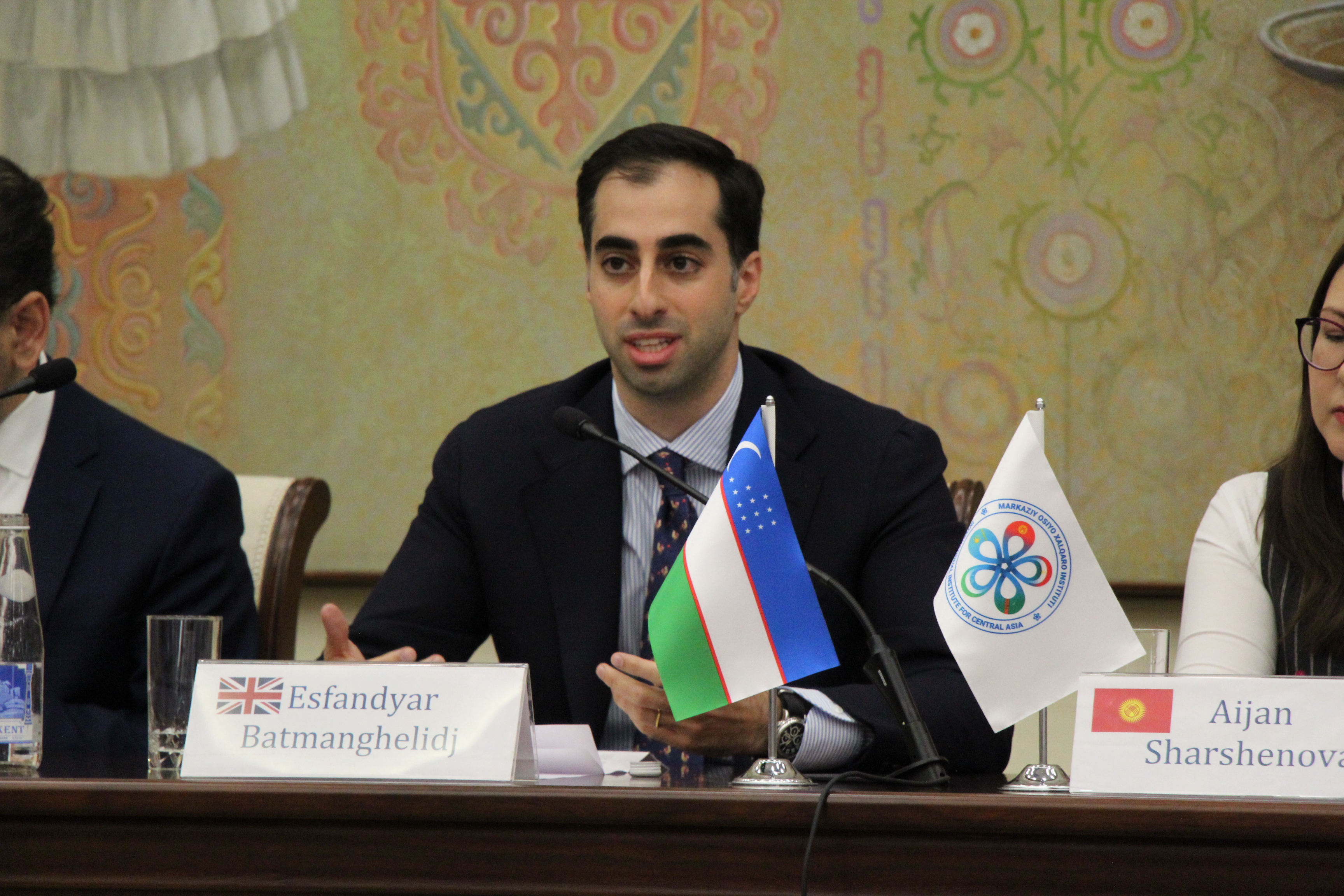
In conclusion, Esfandiyar Batmanghelidj stressed that this forum is not a final point but only the starting point. According to the co-organizer of the event, it is precisely such forums that prepare the intellectual and practical foundation for further strengthening interregional humanitarian and economic ties.
Participants noted the productivity of the two days of the forum, the high level of organization, and the depth of the dialogue. The parties expressed interest in continuing cooperation and once again emphasized that cooperation between Central Asia and the Gulf countries is entering a new phase—from intentions to actions, from dialogue to sustainable forms of partnership.