In recent years, the "Central Asia – China" format has acquired a new strategic dynamic. The first summit of heads of state in this format, held in May 2023, emphasized the transition from situational interaction to the development of an institutional platform with regular summits of the leaders of the 6 countries, coordination mechanisms in key areas, and a formalized cooperation agenda.
In addition to summits and meetings of foreign ministers, the format includes mechanisms for meetings of ministers of economy and trade, transport, agriculture, customs, as well as a forum of political parties. The CA-PRC Business Council has been established. A joint working group on agricultural trade and economic cooperation has been established.
The Xi'an Declaration, adopted by the leaders of the countries at the first summit, became the political basis for the development of the format. A contractual framework for 6-party cooperation is being formed. Memoranda on strengthening trade and economic cooperation and cooperation in the field of digital trade were signed.
Furthermore, the Chinese side initiated the creation of cooperation platforms in areas such as emergency situations, education, healthcare, and energy, as well as an alliance of national administrative academies, regional cooperation forums, think tanks, news agencies, and etc.
A significant step in institutionalizing cooperation was the opening of the Secretariat of the "CA–China" format (March 2024, Xi'an), designed to facilitate the implementation of agreements and decisions made by the heads of state. The fact that it was established in Xi'an—the starting point of the Silk Road—rather than Beijing, symbolizes China's desire for rapprochement with Central Asia.
The formation of the strategic architecture of cooperation between the region and China on this basis will be influenced by the following factors.
First, a steady process of regional consolidation, the convergence of the interests of the Central Asian countries, and their active interaction with leading external partners.
The development of regional cooperation is becoming a decisive factor in the transformation of Central Asia into a stable, economically and infrastructurally interconnected region with a dynamically growing modern economy, effectively integrated into global supply chains.
Over the years since the launch of the Consultative Meetings, real results have been achieved both in forming regional cooperation mechanisms and in practical cooperation in trade, investment, transport, logistics, and other areas.
For instance, from 2018 to 2023, intraregional trade increased by 80%, reaching $11 billion. Although it was estimated at only 9% in 2022, significant progress has been made in developing the soft infrastructure of regional trade. The average level of trade facilitation in the region's states increased by 29 points to 67% in 2023, compared with 38% in 2017.
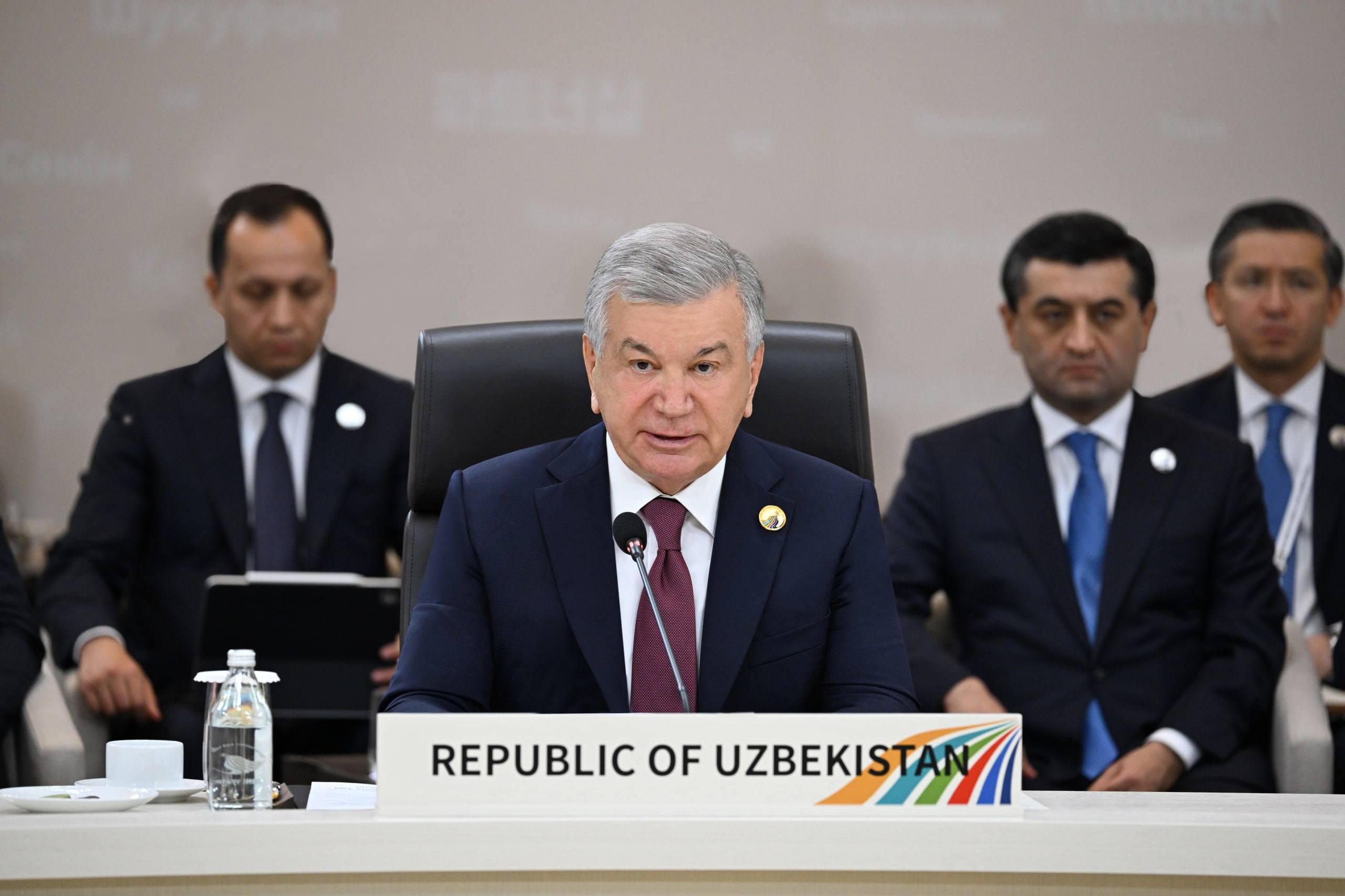
In September of next year, Tashkent will host the 7th Consultative Meeting of the Heads of State of the region. Uzbekistan, as the chairman of this mechanism, aims to further increase cooperation ties. This includes strengthening the potential of the Consultative Meetings mechanism, developing key regional cooperation institutions, further deepening of economic cooperation, ensuring stability and sustainable development of the region, as well as promoting Central Asia as a unified socio-cultural space.
A crucial feature of this process is the open nature of Central Asian regionalism and the desire of the countries of the region for broad international interconnectivity, including within the "Central Asia Plus" dialogue platforms. The first CA-EU summit was successfully held in Samarkand in early April. The CA-Italy summit took place in Astana just a few days ago. And we are all actively preparing for the second Central Asia-China summit to be held in the middle of this month.
Second, a key driver of CA-China cooperation in the regional format is the continued rise of China as one of the poles of the global economy, the center of gravity of which is shifting more decisively toward Asia.
China is not only the second largest economy in the world, but also the world's largest trading power for 8 years in a row, last year the country's gross foreign trade amounted to $6 trillion. China's trade volume with the EU exceeded €730 billion. In 2024, China sent €517.8 billion worth of goods to Europe and imported €213.3 billion. Trade turnover with Middle Eastern countries reached $400 billion, and with India, nearly $130 billion.
Although sea transportation previously accounted for about 90% of these volumes, in recent years the prospects for rail transportation between China and Europe (through our region) have been assessed quite positively, especially in the context of improving the transport and logistics infrastructure. Industry experts predict that railway logistics will continue to grow due to increased demand for fast and safe shipping compared to sea, lower environmental costs and competitive prices. As the hard and soft infrastructure improves, "rail transport will play a key role in global trade, providing more reliable and sustainable freight transportation options for businesses."
Our region is important to China not only as a transit corridor but also as a growing market for goods and investments. For China, this is particularly important amid tariff battles and the still high dependence of economic growth on exports and investments. Last year, China’s trade volume with the countries of Central Asia reached $94.8 billion and is expected to exceed $100 billion in the coming years. Direct investment amounted to more than $15 billion while construction contracts undertaken by Chinese companies totaled $10 billion. Plans for transport infrastructure development, industrialization, digitalization, and climate adaptation in Central Asian countries mean that imports of equipment and investments from China will continue to grow.
All this is likely to contribute to the further development of institutional mechanisms for practical cooperation and, in general, the CA-PRC format.
Third, the development of the strategic architecture of regional cooperation with China will be heavily influenced by grandiose transformational processes in international relations and the global economy. These changes, which, as they say in China, have not happened for 100 years, have become one of the important factors in accelerating the internationalization of Central Asia, having a further stimulating effect on our countries' cooperation with China.
From a security perspective, this may stimulate increased interaction in the fight against the "three forces of evil"—terrorism, radicalization, and separatism. Ensuring long-term stability in Afghanistan remains an important common priority. Countering threats originating from conflict zones in the Middle East, including Syria, is becoming a more urgent task. The ongoing restructuring of the global trade architecture appears to be a source of both challenges and new opportunities. Central Asia is already feeling the increased attention from many external partners toward the region and its growing market potential. This has likely been a factor in the proliferation of "CA+" formats and their transition from the ministerial to the highest level.
At the same time, assessing the situation soberly, it should be emphasized that our external partners show even greater interest in opportunities to improve transport and broader economic interconnectivity with the countries of Eurasia, East, and South Asia. For instance, the Russian Federation is actively turning toward South Asia, which is beneficial for our initiative to develop connectivity between Central and South Asia. Our Arab partners suggest that connectivity between Central Asia and the Gulf should be viewed in a broader context, including West Asian countries' access to the vast Eurasian space, including Russia and China. Mongolia is also interested in developing connectivity with our region, based on its plans to export halal products to the Arab-Muslim world.
In this context, while developing cooperation in the CA-PRC format, it may be useful to explore the possibilities of other international organizations of which the countries of the region and China are members. Such as the SCO, CAREC, CICA, BRICS+, etc.
Additionally, platforms for trilateral interaction involving other regional partners in "CA Plus" formats could be promising. Recently, the first ASEAN-GCC-China summit was held in Malaysia. Given the overlapping interests of Arab and Chinese companies in developing green energy in our region, at least we can think about trilateral business and expert events to discuss the prospects for expanding cooperation to other sectors.
Thus, there is every reason to state the existence of conditions and factors stimulating the development of our six-party cooperation. In this regard, we consider it advisable to pay attention to the following areas:
First. In the security sphere, while continuing interaction within the SCO, accelerate the creation of a meeting mechanism for the Secretaries of Security Councils.
Also, utilize the capabilities of the SCO-Afghanistan Contact Group, involving representatives of the current authorities in Kabul from the Afghan side.
Second. Within the framework of the transport ministers' meeting mechanism, intensify the development of a Cooperation Strategy in the field of transport and logistics, as well as a program for the digitalization of trade and logistics. Special attention should be paid to expert discussions on our countries' positions regarding the implementation of projects to create Trans-Afghan transport and energy corridors.
Third. Cooperation in industrialization, digitalization, and green development should become an important area. China has achieved tremendous success in modernizing the manufacturing industry, digital and green economy, and is actively expanding its participation in the development of these sectors in Central Asian countries. Uzbekistan has already started the joint production of BYD electric vehicles, the construction of renewable energy power plants and data centers.
In this regard, we consider it an important task to increase investments in the training of qualified workers and engineering and technical personnel for these areas. Chinese experience and capabilities can be successfully implemented to create and develop vocational training and innovation centers in Uzbekistan and other CA countries, as well as to broader implement AI and other advanced industrial and educational technologies into the economy and education.
Fourth. Intensify contacts between the expert communities of the region and the PRC. Central Asian think tanks have already established successful contacts and cooperation with the Chinese expert community. At the same time, global changes and the development of our countries and cooperation require more effective interaction.
There is a need for more targeted, structured joint work and the expansion of specialized platforms involving specialists from relevant departments, business circles, and non-governmental experts.
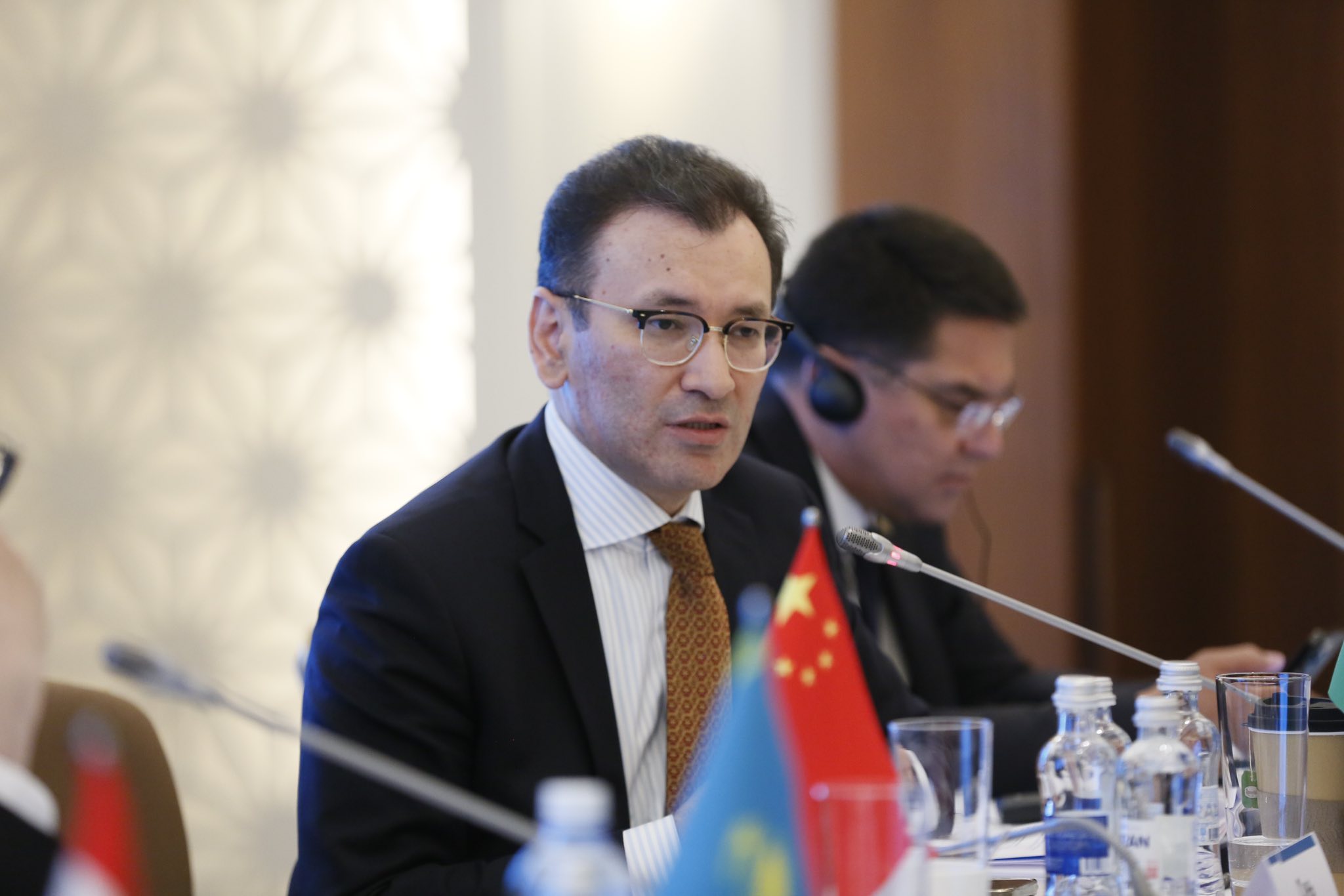
In conclusion, let me thank our hosts for their hospitality and excellent organization of the Forum, and wish them success, interesting reports and discussions.
Thank you for your attention.