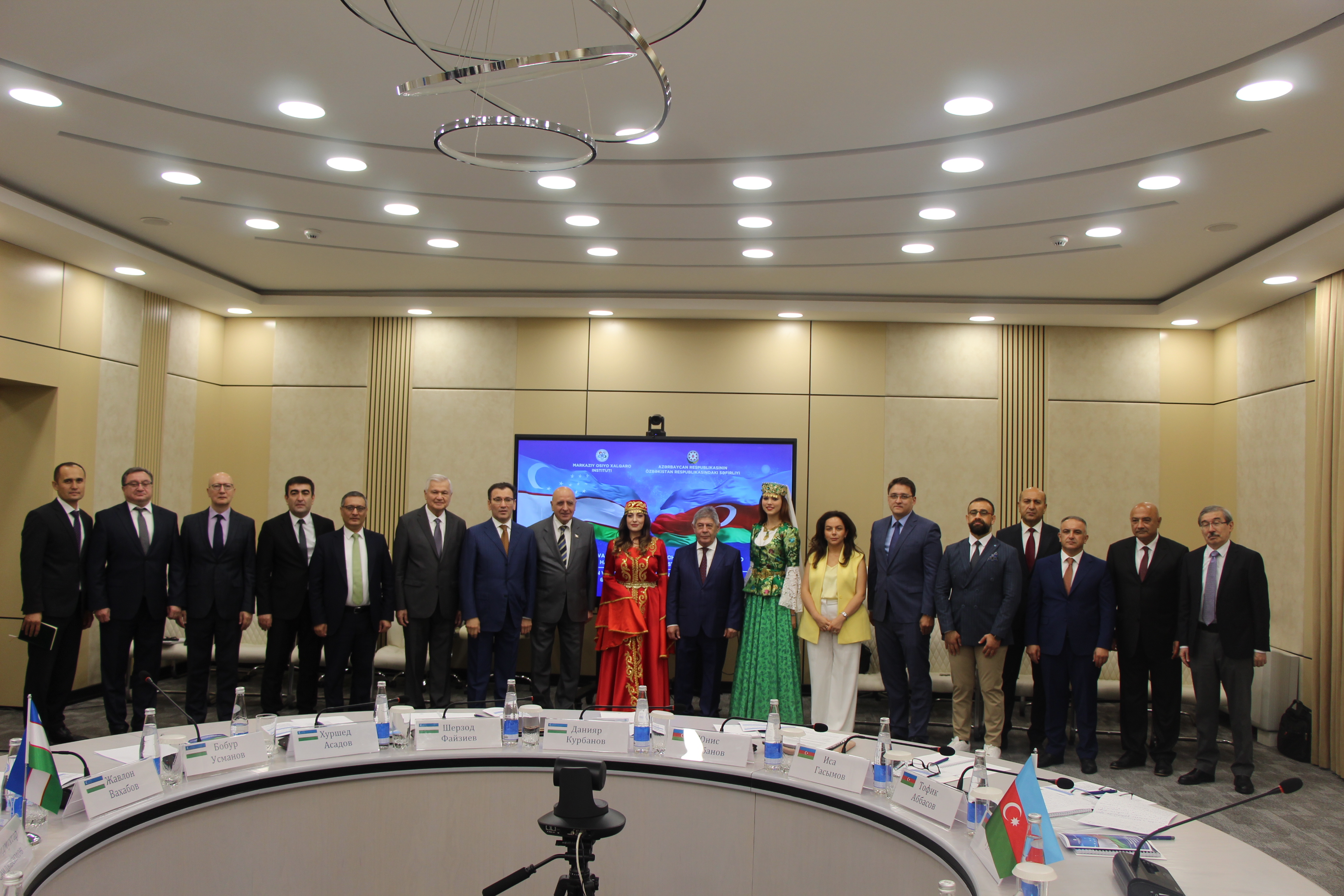
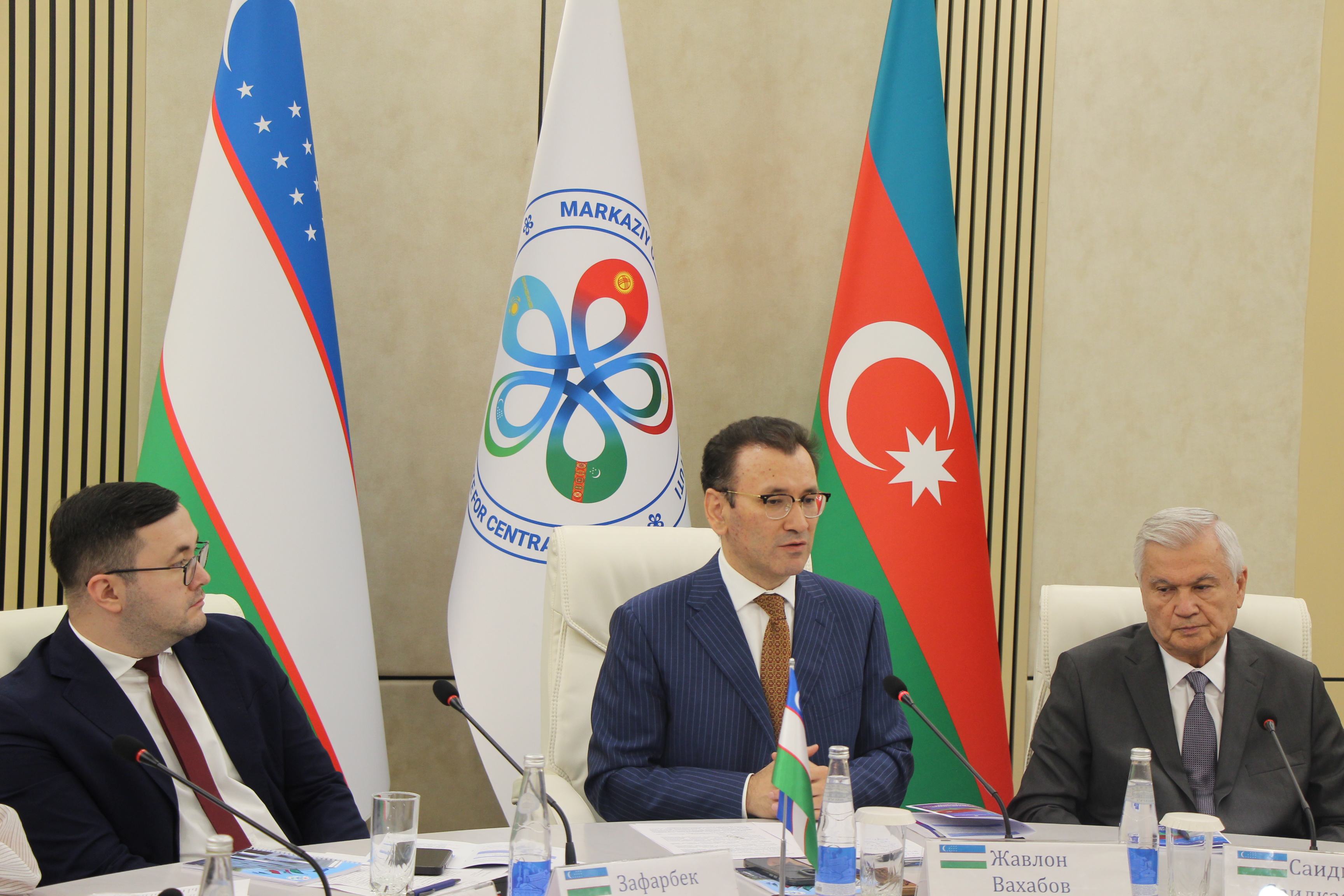
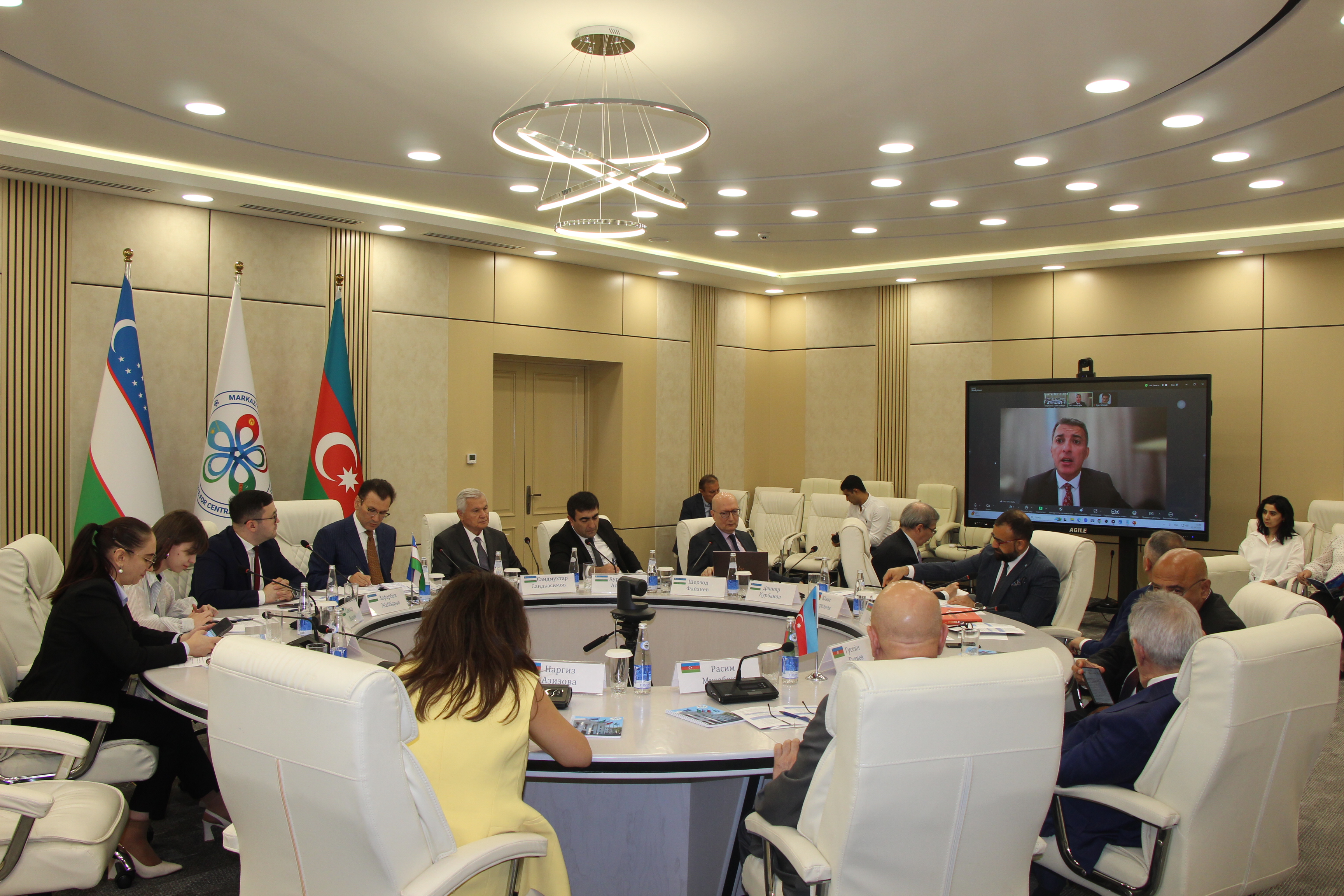
In his welcoming remarks, IICA Director Javlon Vakhabov emphasized that Uzbek–Azerbaijani cooperation has reached a historic peak. As he noted, this was evidenced by the signing of a substantial package of 13 intergovernmental and interagency agreements, which significantly strengthened the legal framework of bilateral ties and opened new opportunities for expansion across key areas — from trade and transport to energy, industry, science, and education.
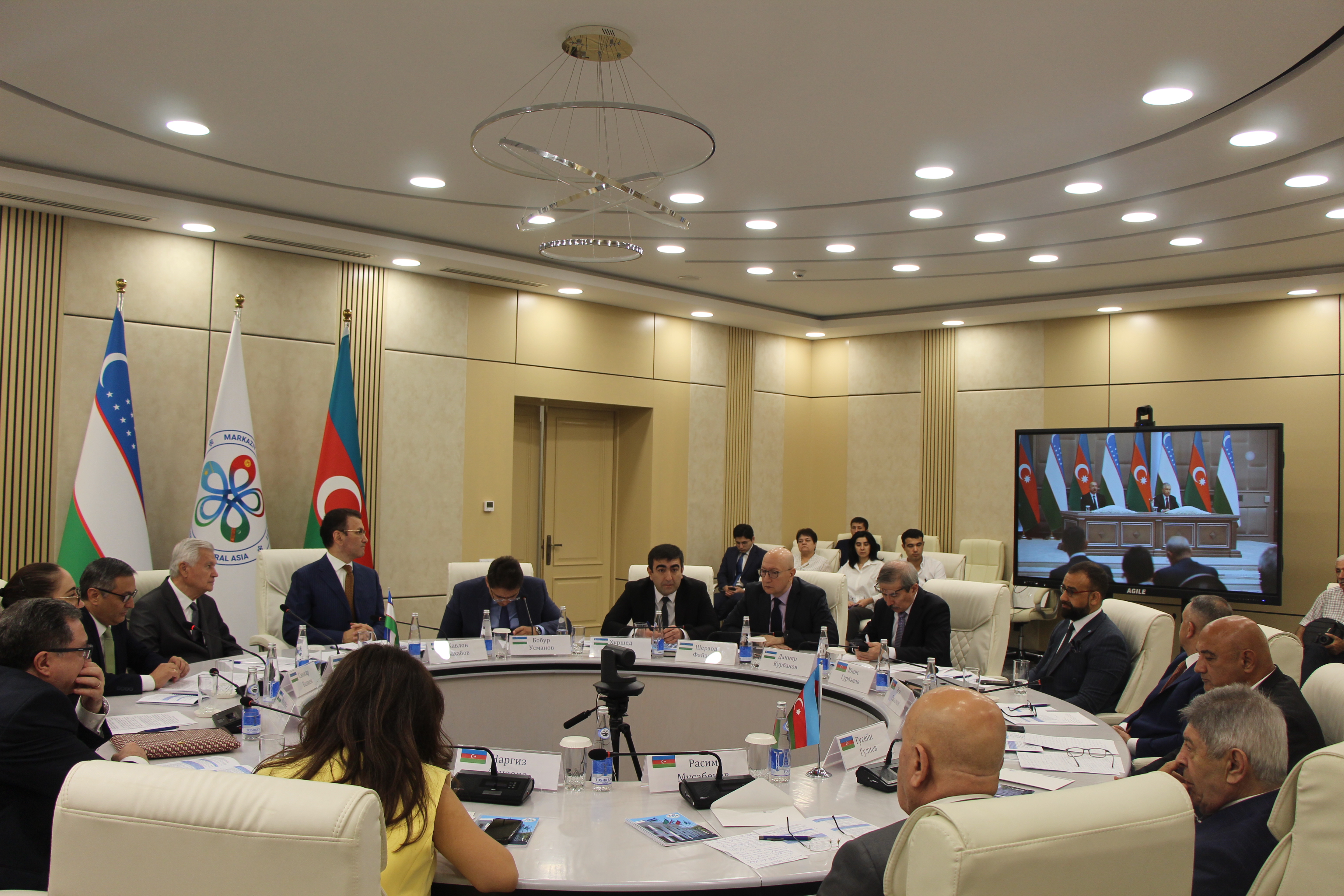
According to Javlon Vakhabov, bilateral trade has increased by 30 percent this year, with the ambitious goal of reaching $1 billion, while the portfolio of joint projects has already exceeded $4 billion. He also highlighted the implementation of the 2025–2027 Industrial Cooperation Program and underscored the strategic importance of the Middle Corridor as a project of regional connectivity. In addition, he noted the numerous reciprocal visits in recent years, the establishment of the Supreme Interstate Council, and the systematic, long-term implementation of agreements reached at the highest level.
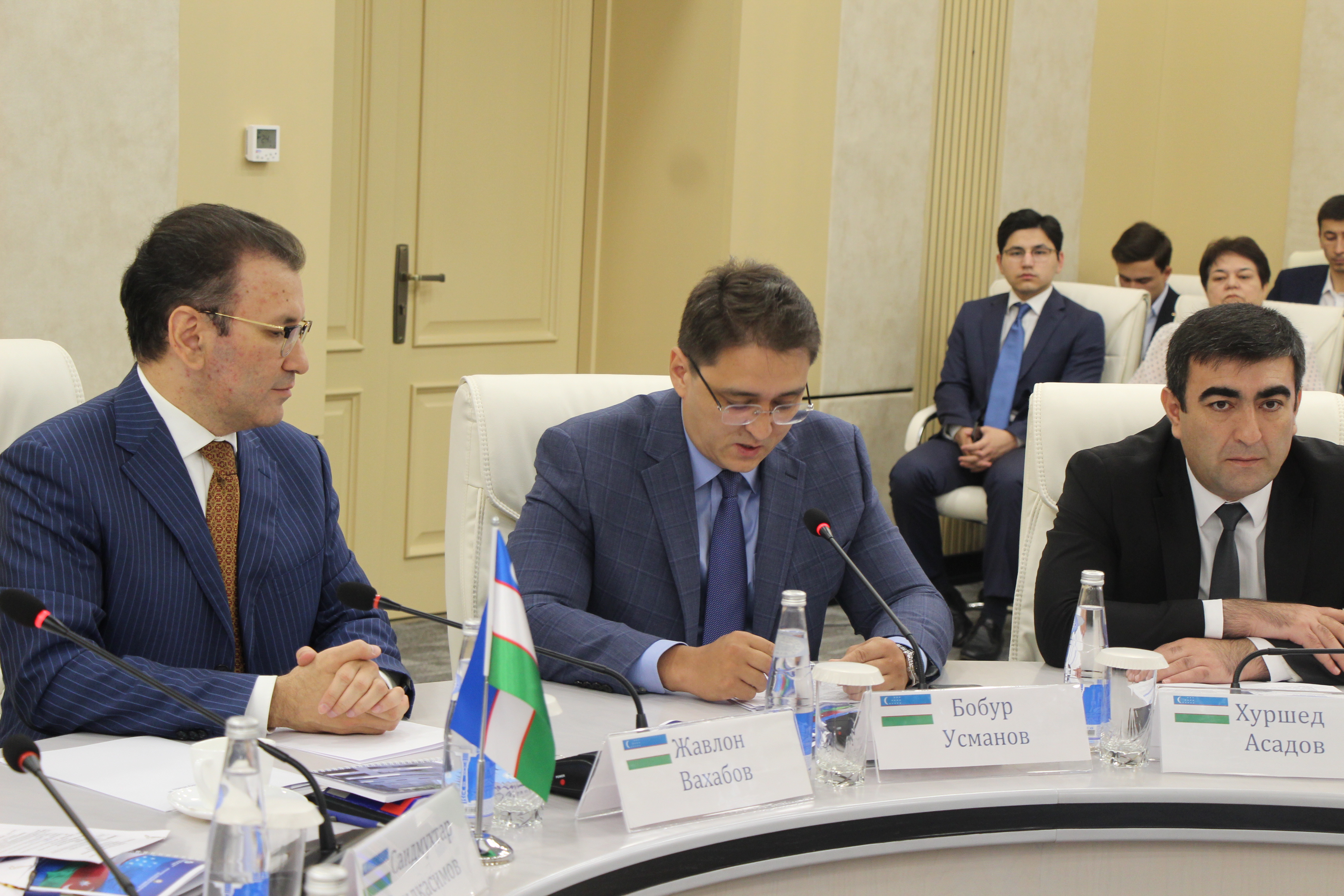
Deputy Minister of Foreign Affairs of Uzbekistan Bobur Usmanov stressed that relations between Tashkent and Baku have long since entered the format of alliance, with the high level of political trust enabling the coordination of positions on the most pressing international issues. He noted that Uzbekistan and Azerbaijan actively support one another at the UN, the OTS, the SCO, and other multilateral platforms, while their cooperation within the framework of the Consultative Meetings of Central Asian Heads of State and the upcoming C5 Summit in November is of particular significance for regional consolidation.
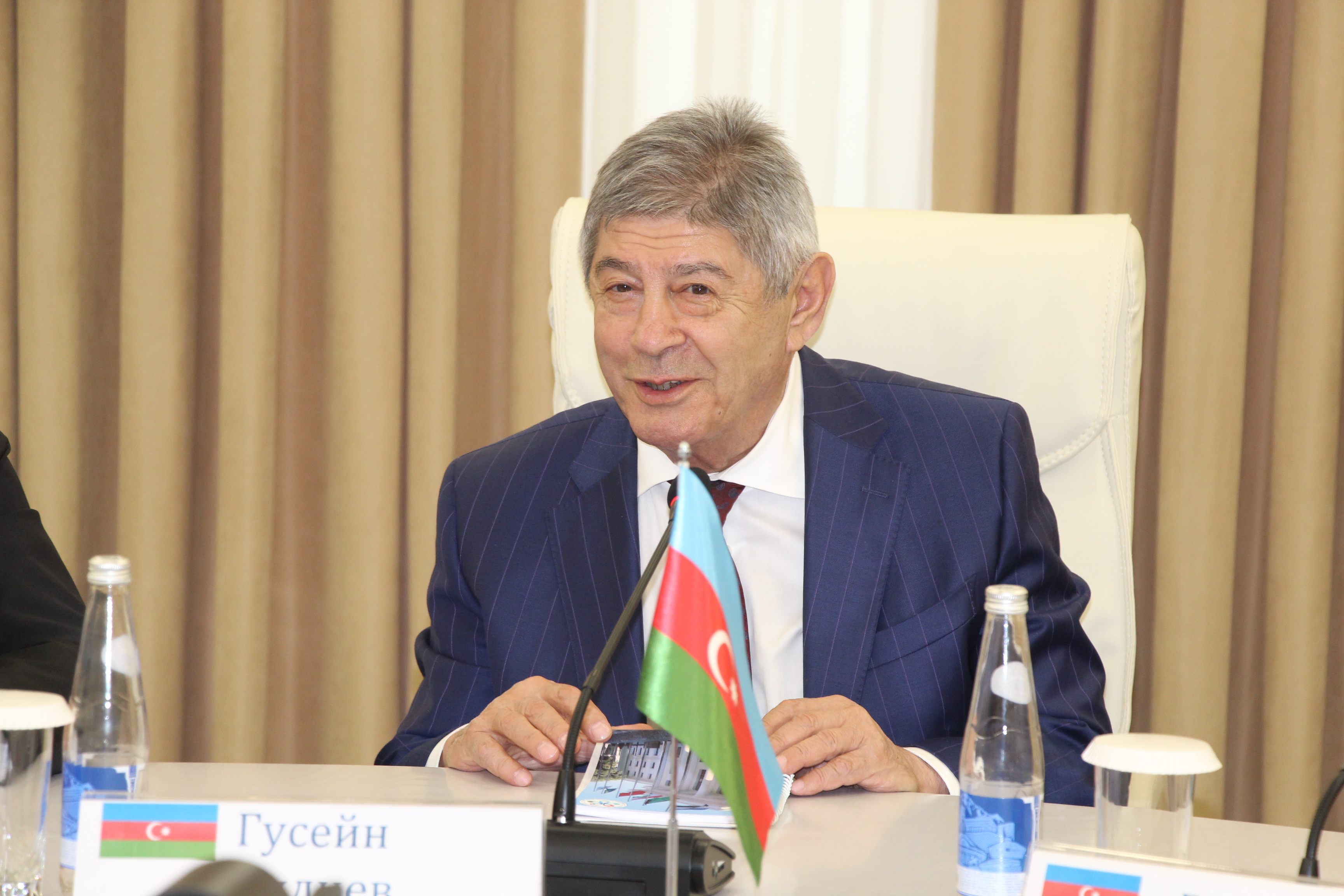
Azerbaijan’s Ambassador to Uzbekistan, Huseyn Guliyev, in his address highlighted the cultural and linguistic affinity of the two peoples and recalled that the first Azerbaijani embassy in Central Asia was opened in Tashkent in 1996. He underlined the forthcoming 30th anniversary of diplomatic relations and emphasized the full mutual understanding between the leaders of both countries, whose reform-oriented policies have elevated bilateral ties to a qualitatively new level.
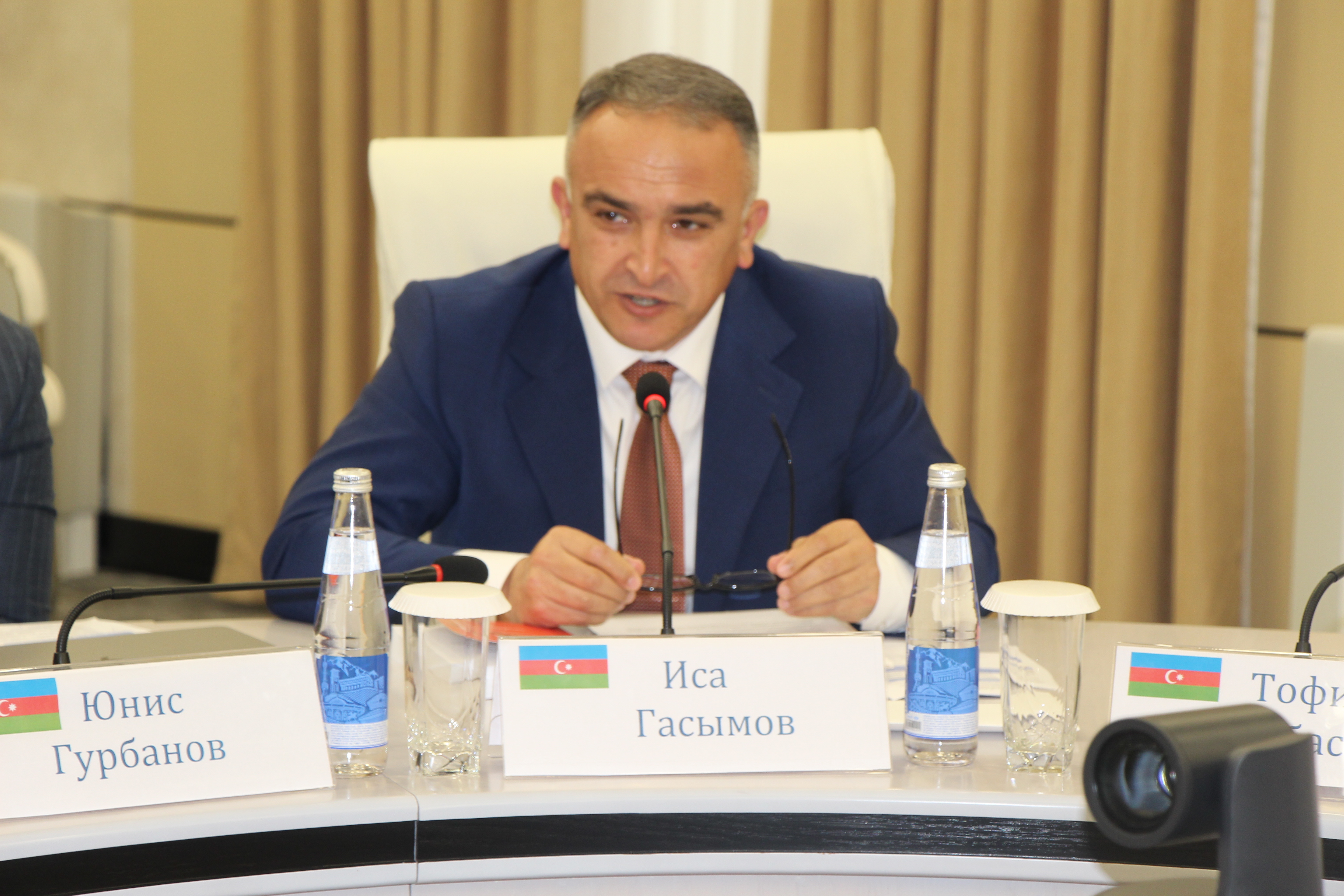
During the discussions on economic development, Isa Gasimov of the Center for Analysis of Economic Reforms and Communications of Azerbaijan noted the growth of Azerbaijani exports to Uzbekistan and stressed the complementarity of the two economies. He spoke about cooperation under the international acceleration program “Green and Digital Silk Road,” in which Uzbek startups are participating, and the opportunities for expanding innovation and investment partnerships.
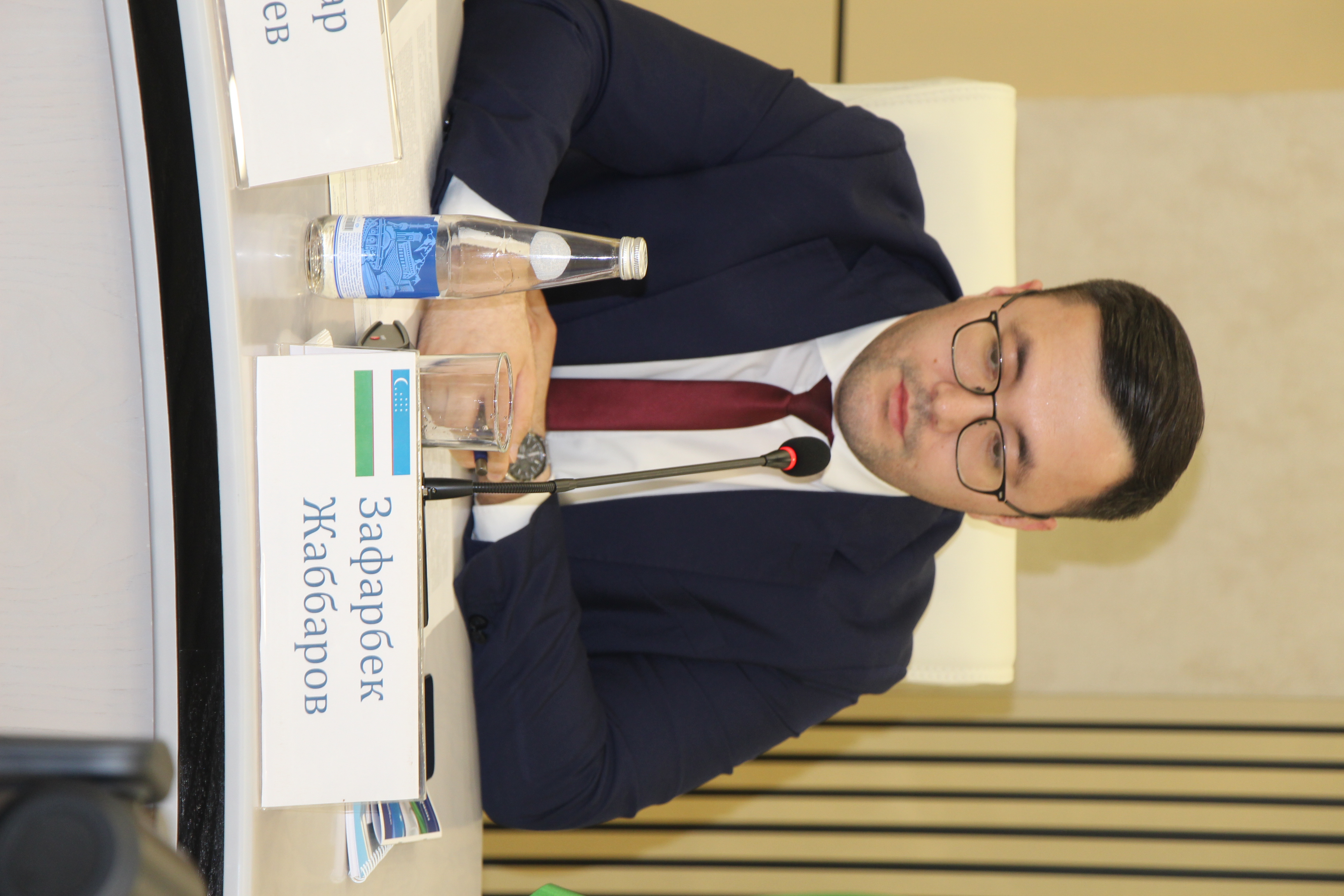
In this context, Zafar Jabbоrov, Senior Specialist at the Ministry of Energy of Uzbekistan, highlighted the project to establish a “Green Energy Corridor” linking Central Asia, the South Caucasus, and Europe, as well as the work of the joint venture Turan Energy in the Alat Free Economic Zone of Azerbaijan.
In the session dedicated to transport and logistics connectivity, Member of the Milli Majlis of Azerbaijan Fariz Ismayilzade emphasized the importance of cooperation in advanced technologies, including artificial intelligence and robotics, which will have practical applications in both defense and civilian spheres.
Ilgar Velizade, Head of the “South Caucasus” political science club, focused on transport connectivity as a factor shaping the new geo-economic and geopolitical landscape of the region. He recalled that Azerbaijan is the only country bordering all five Caspian states as well as external regional players, while Uzbekistan borders all five Central Asian states — a factor that underscores the strategic relevance of the China–Kyrgyzstan–Uzbekistan railway project as a vital link between two key spaces. He also pointed to other major routes, including Baku–Tbilisi–Kars and the Zangezur Corridor, stressing that such corridors define the emerging architecture of regional transport. At the same time, he warned of challenges, including environmental risks such as the salinization of the Caspian Sea, which may affect the sustainability of infrastructure.
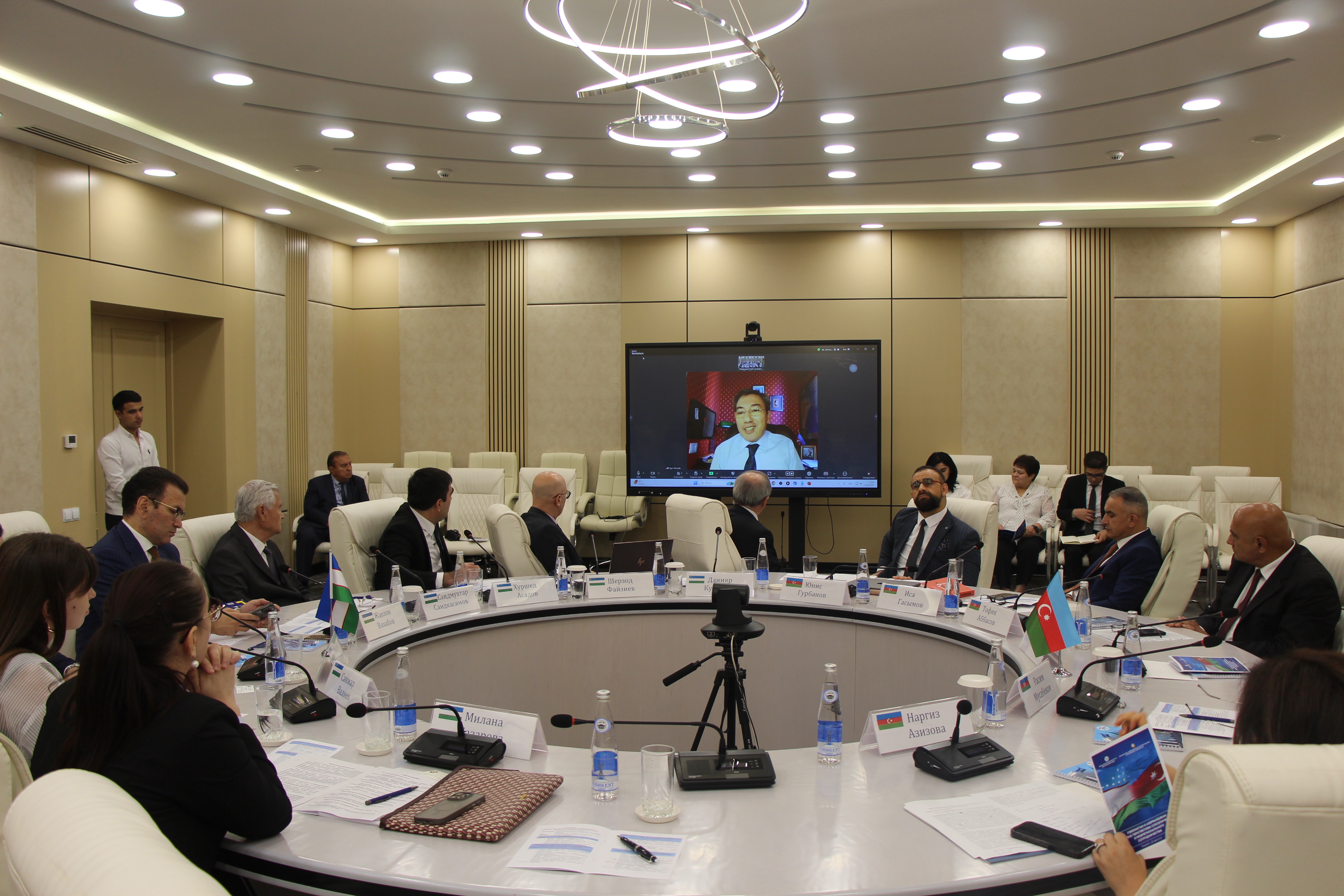
In conclusion, participants expressed confidence that the consistent implementation of the agreements reached will enable the attainment of strategic targets in trade, industrial cooperation, energy, and transport projects. The Uzbek–Azerbaijani partnership, rooted in a shared history, language, and culture, reaffirms its role as a key factor of sustainable development not only for both countries but also for the broader regions of Central Asia and the South Caucasus.