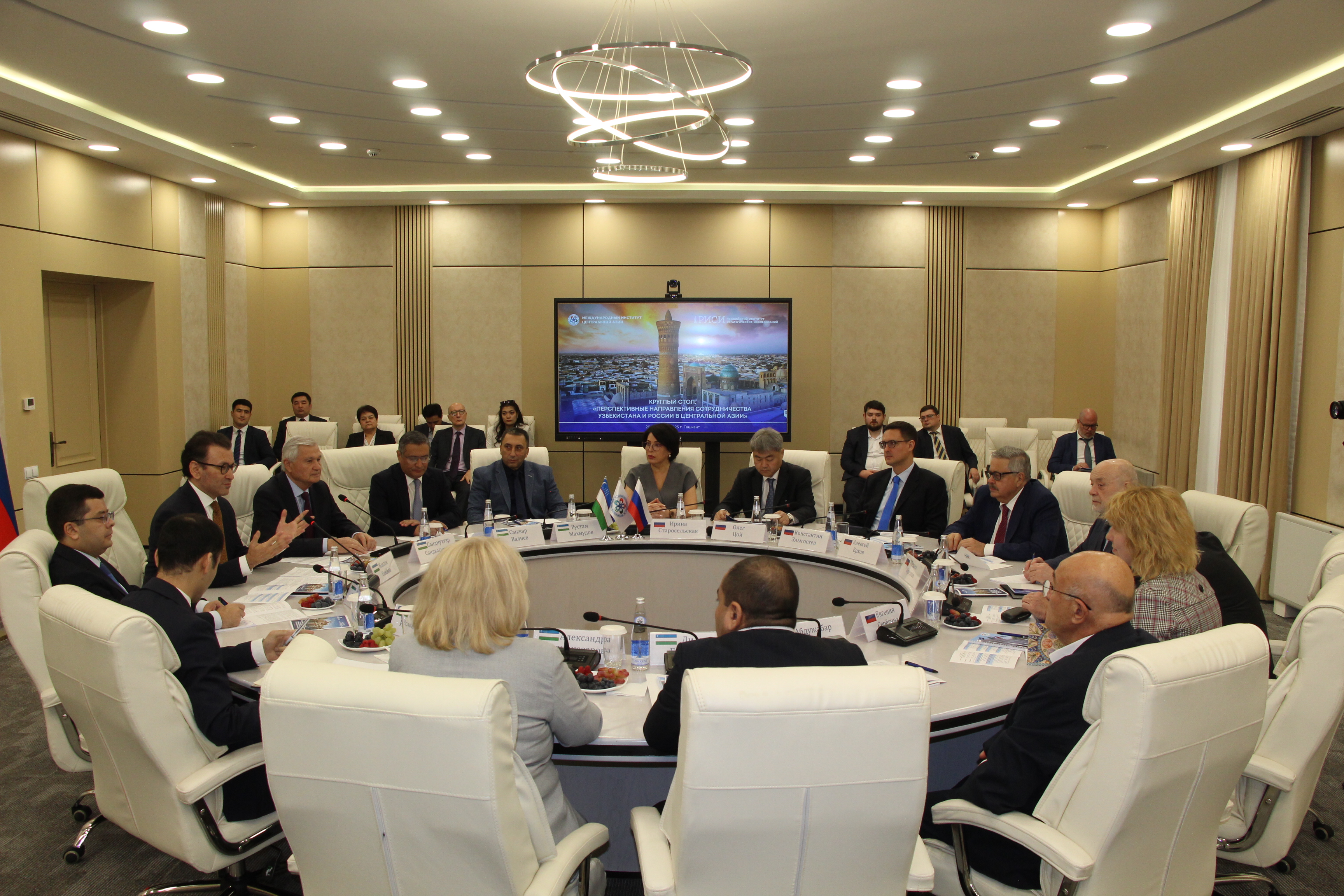
The meeting carried special significance on the eve of the 20th anniversary of the signing of the Treaty on Allied Relations between the Republic of Uzbekistan and the Russian Federation, which has become a solid foundation for the progressive development of bilateral partnership and the strengthening of strategic cooperation in the region.
The roundtable brought together representatives of IICA and RISS, as well as members of the Russian diplomatic corps and leading research institutions and analytical centers.
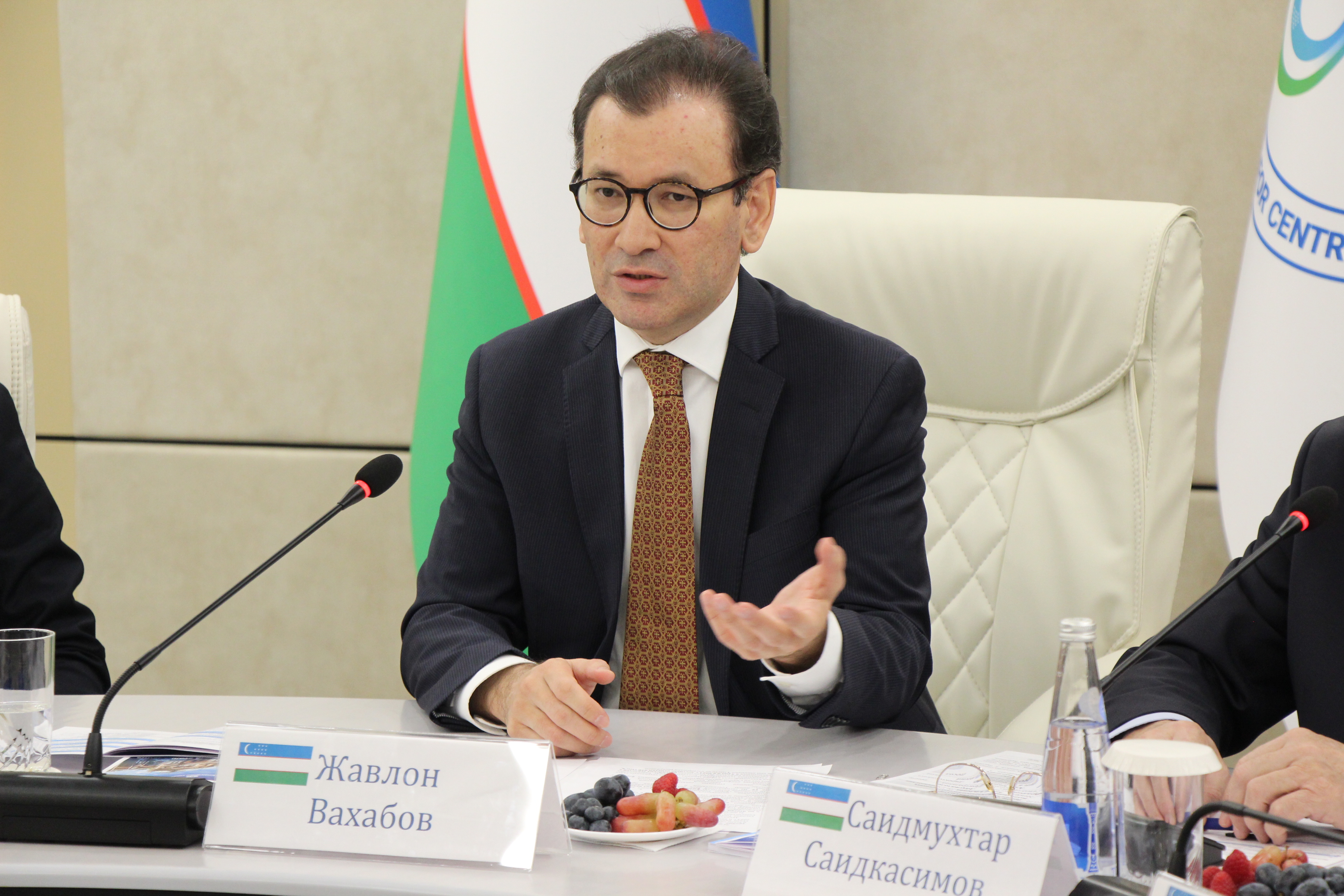
In his welcoming remarks, the Director of the International Institute for Central Asia, J. Vakhabov, emphasized that developing expert dialogue with Russia plays a key role in expanding cooperation not only bilaterally but also at the regional level. According to him, the analytical structures of the two countries are becoming an important platform for exchanging views, developing joint approaches, and shaping a long-term cooperation agenda.
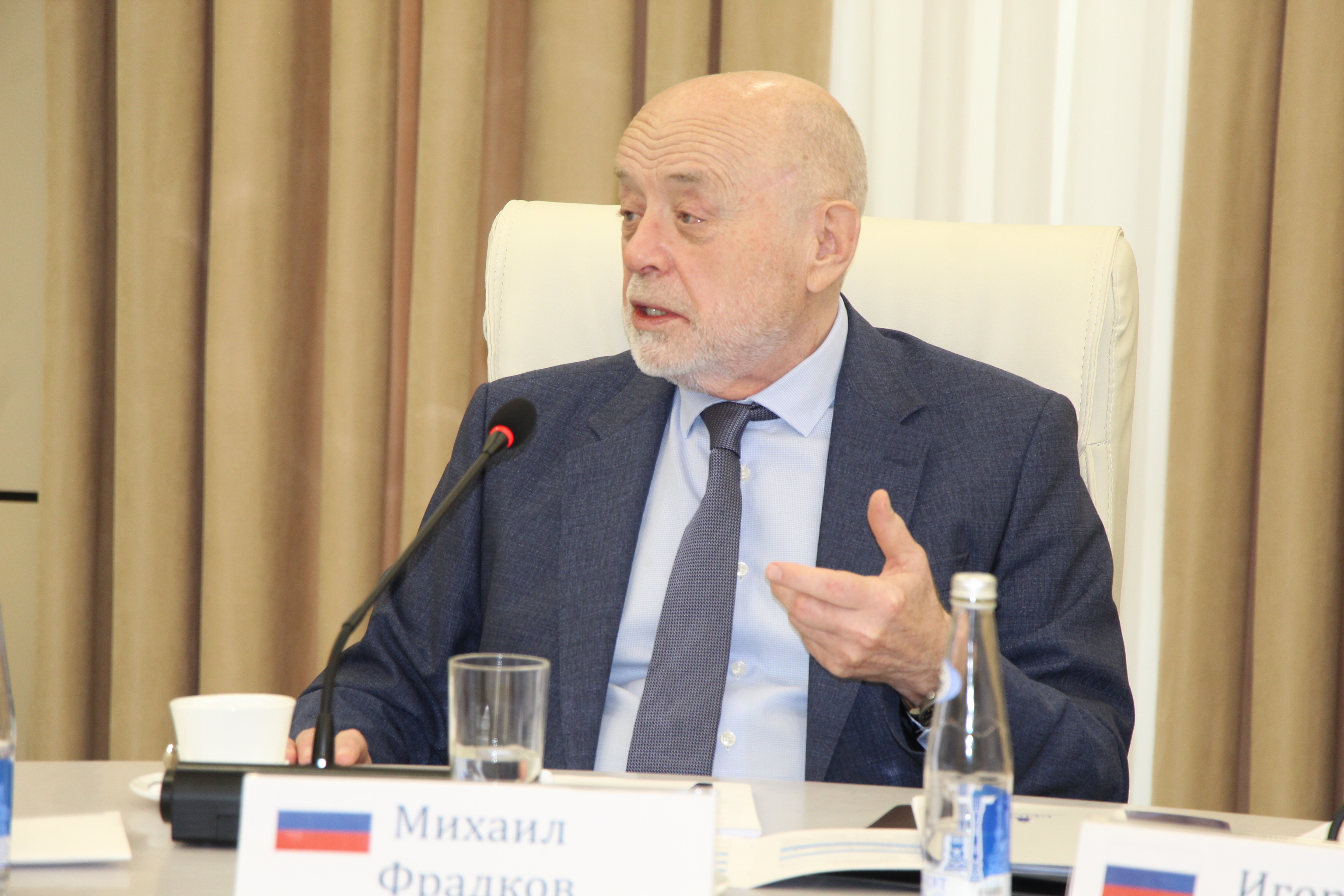
RISS Director M. Fradkov, in turn, noted that trust-based and constructive relations between the leaders of Uzbekistan and Russia remain an important factor in the consistent development of bilateral cooperation. The frequency of their contacts sets the tone for interaction across all priority areas — from the economy and investment to the humanitarian agenda. He also underscored the importance of expert-level dialogue as a tool for preparing practical recommendations to implement high-level agreements.
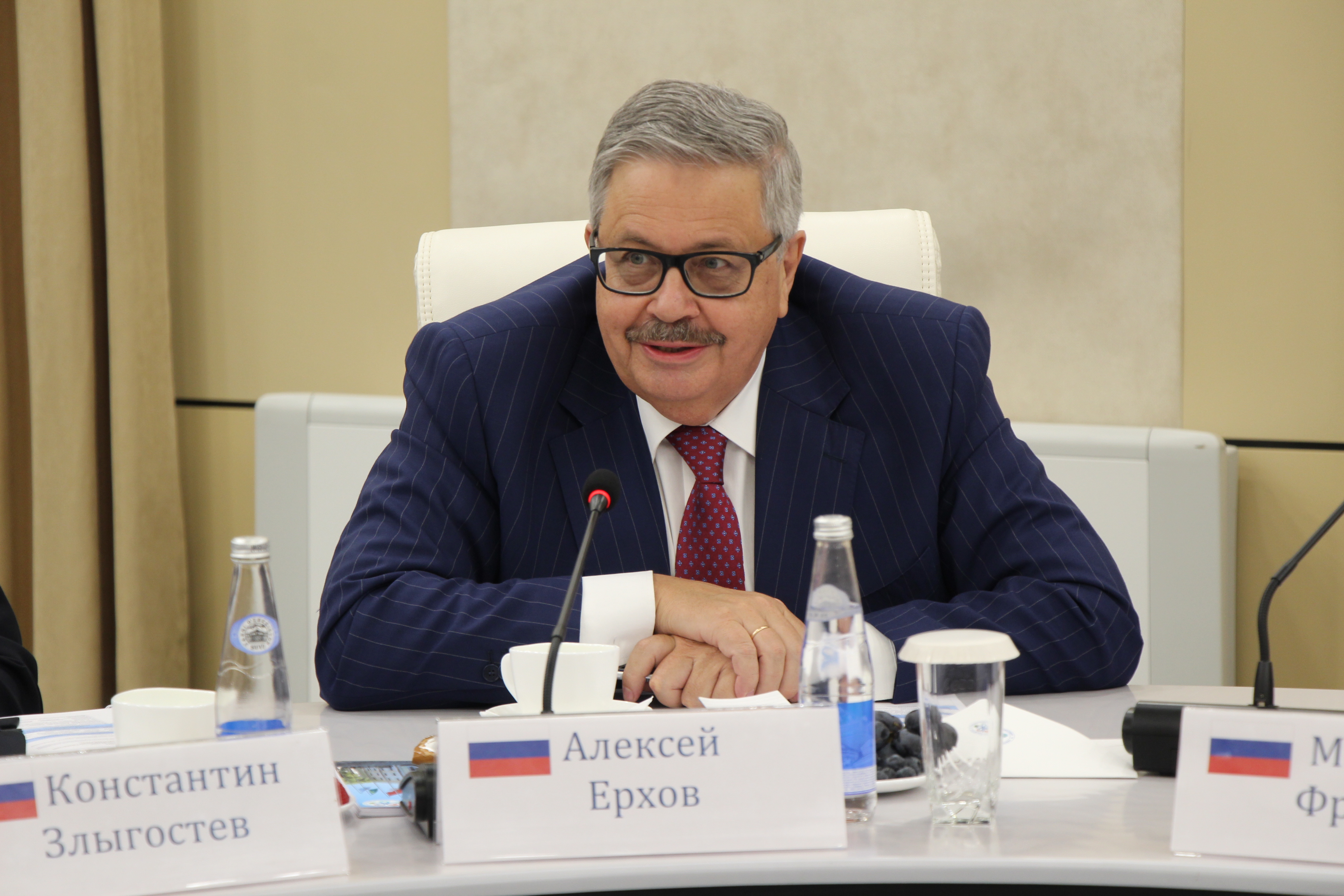
For his part, Russian Ambassador A. Erkhov stressed that expert recommendations are in demand in the practical work of government bodies and help to identify risks in advance. It was noted that regular expert dialogue can become an important instrument for supporting and advancing interstate cooperation.
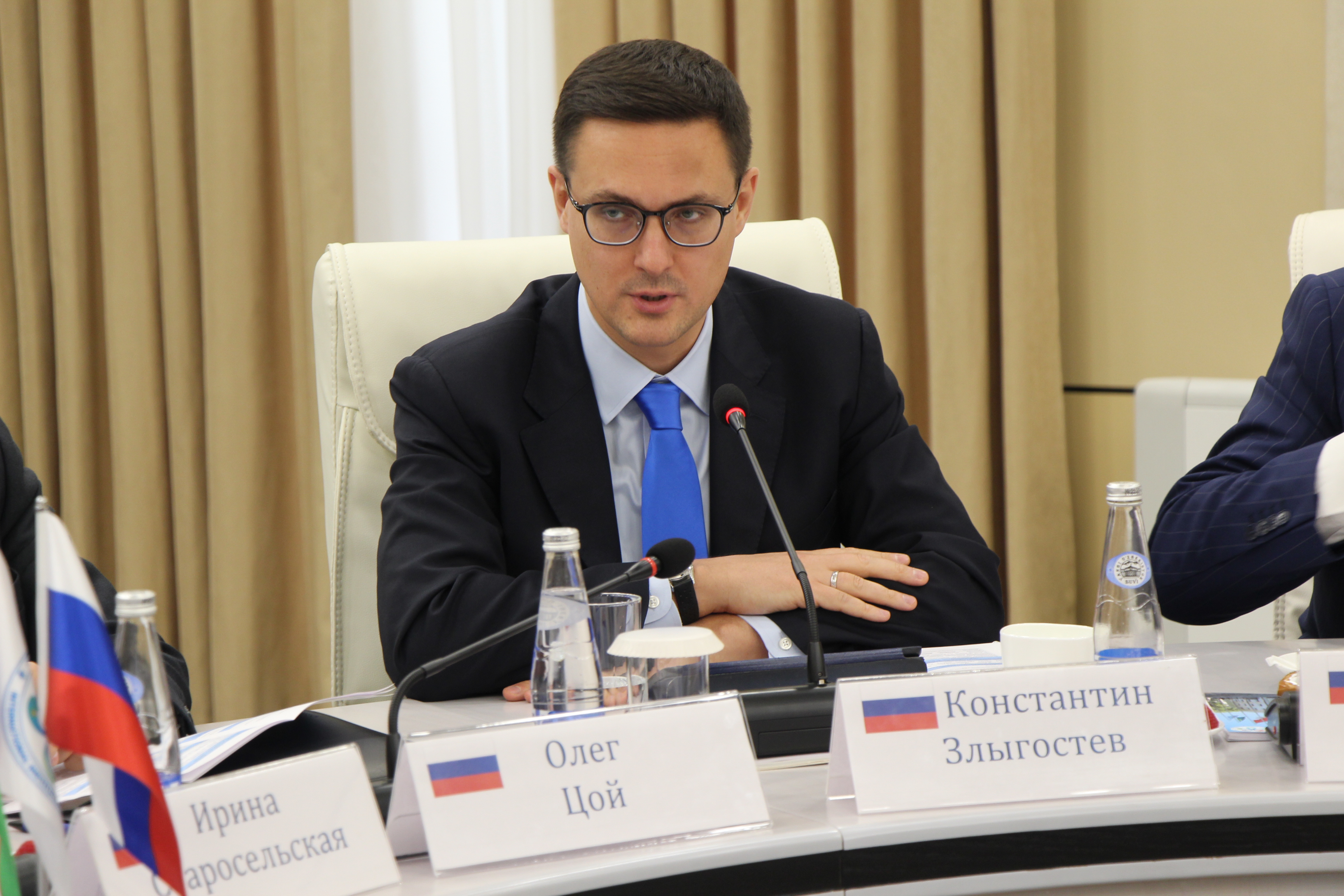
Special attention during the event was devoted to trade and economic cooperation. According to Russia’s Trade Representative in Uzbekistan, K. Zlygosteva, this area remains a key driver of bilateral relations. In the first eight months of 2025, mutual trade turnover grew by 5.5%, and by the end of the year it is expected to surpass $12 billion. If the current dynamics are maintained, the “ambitious” goal of reaching $30 billion in trade by 2030 is quite achievable, the diplomat believes.
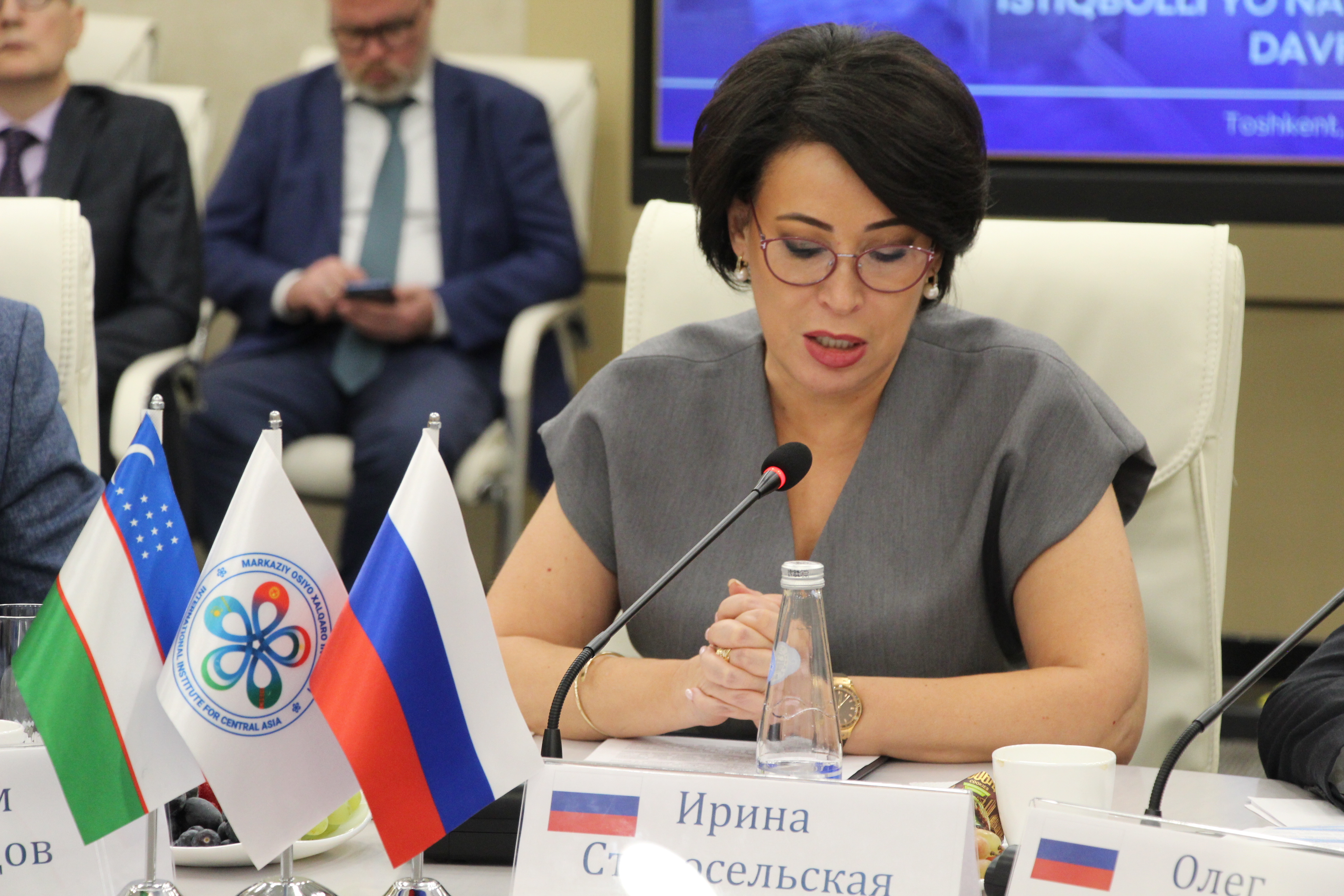
A key aspect of the discussions also concerned cultural and humanitarian cooperation. Head of the Rossotrudnichestvo office in Uzbekistan, I. Staroselskaya, noted that joint projects in education, science, and culture form the basis for bringing peoples closer together and create conditions for raising the younger generation in the spirit of friendship and mutual understanding.
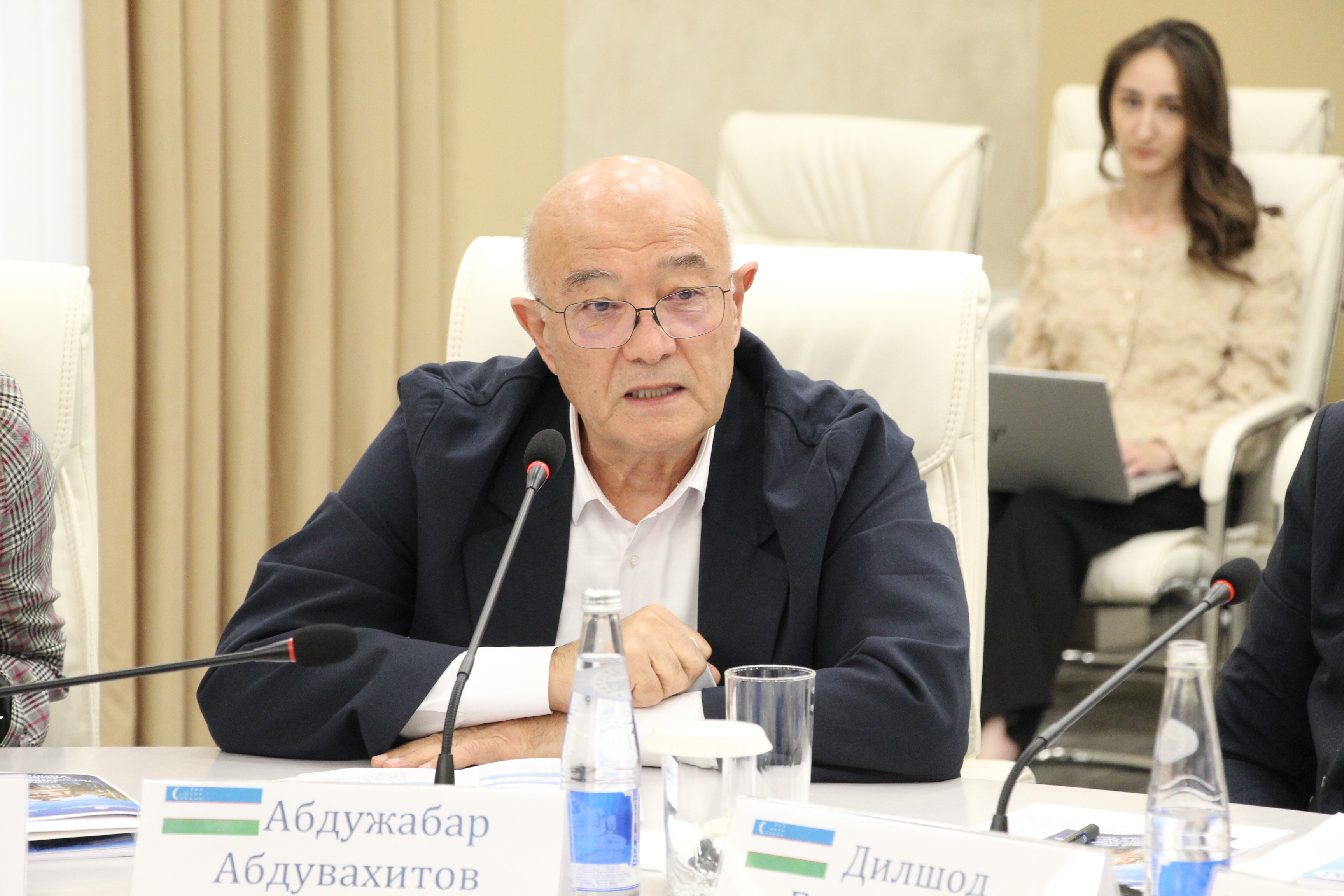
The Director of the Tashkent branch of MGIMO, A. Abduvakhitov, highlighted the strong demand for Russian educational programs and proposed extending government quotas to Russian university branches in Uzbekistan, as well as initiating the publication of Russian university journals in the republic.
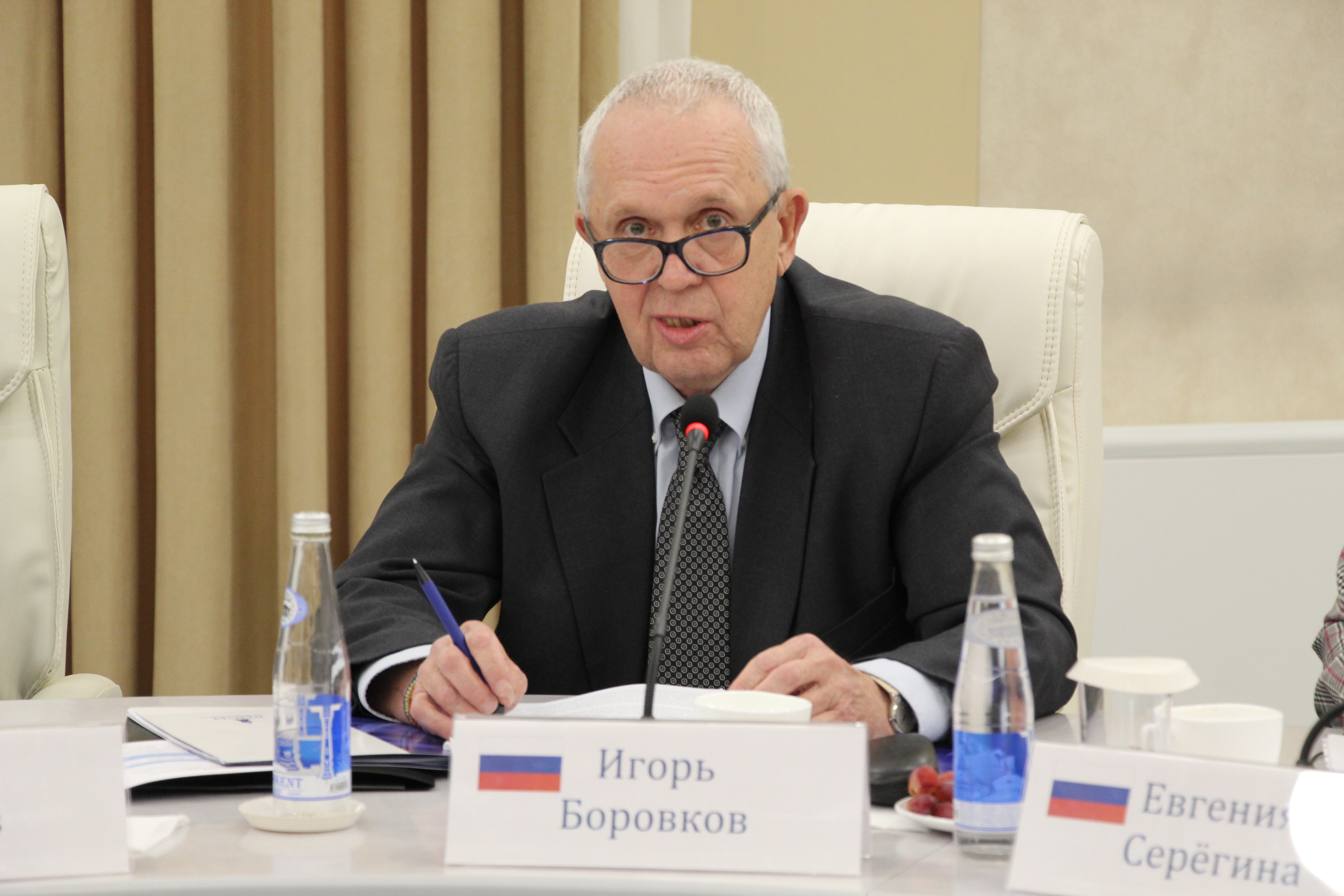
Addressing the situation in Afghanistan, RISS Director’s Chief Advisor I. Borovkov emphasized that stabilizing the situation in the country remains one of the key factors for ensuring security and sustainable development in the Asian region. In his view, without a comprehensive approach to the Afghan problem, it will be impossible to achieve long-term stability in the region.
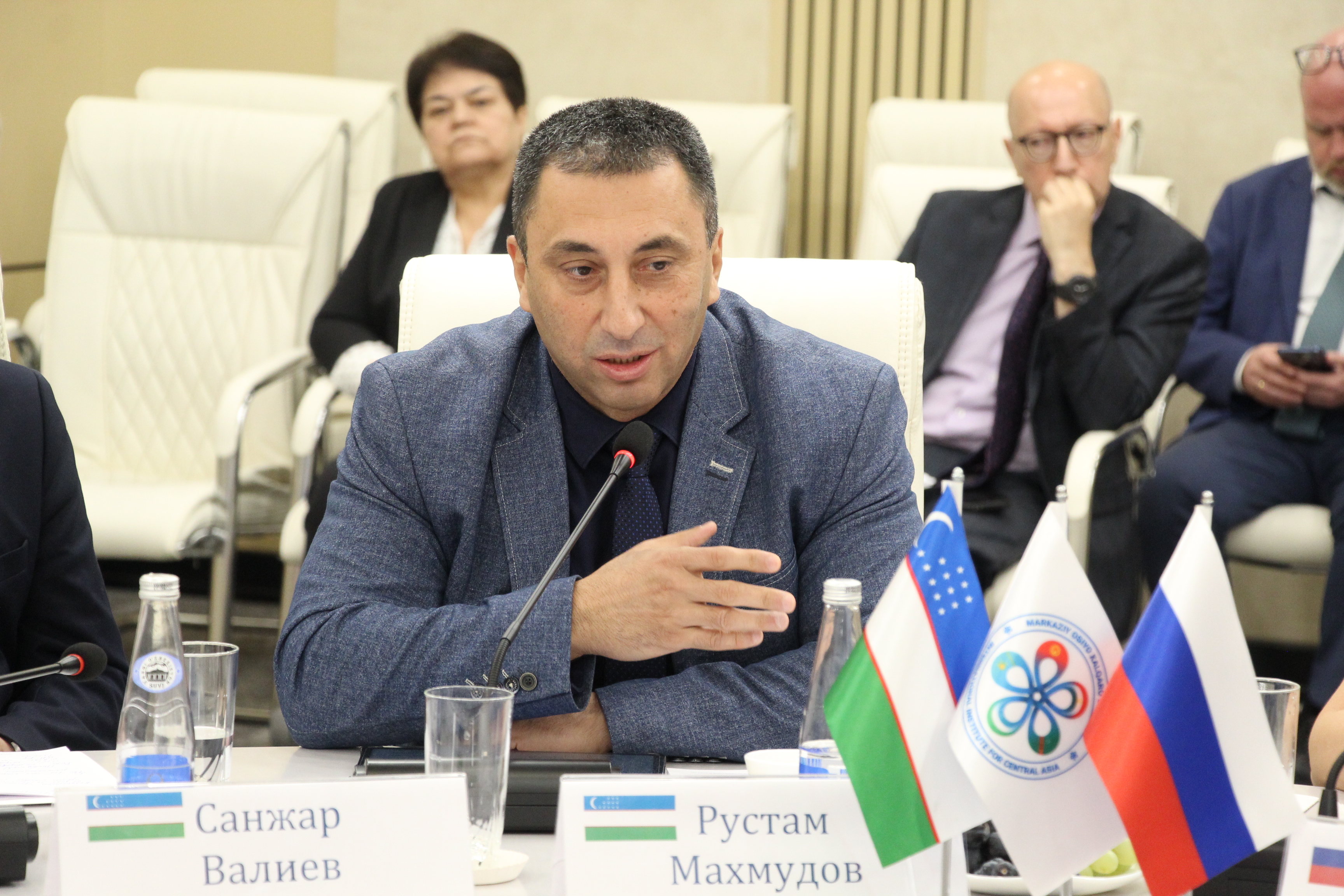
In this context, R. Makhmudov, an expert at the Institute for Advanced International Studies, stressed the need to establish partnerships between the expert and analytical communities of Uzbekistan and Russia to conduct joint, comprehensive analysis of internal processes in Afghanistan. In her assessment, such an approach would make it possible to identify potential risks for investment activities, as well as develop measures to minimize threats that could affect the implementation of key economic projects.
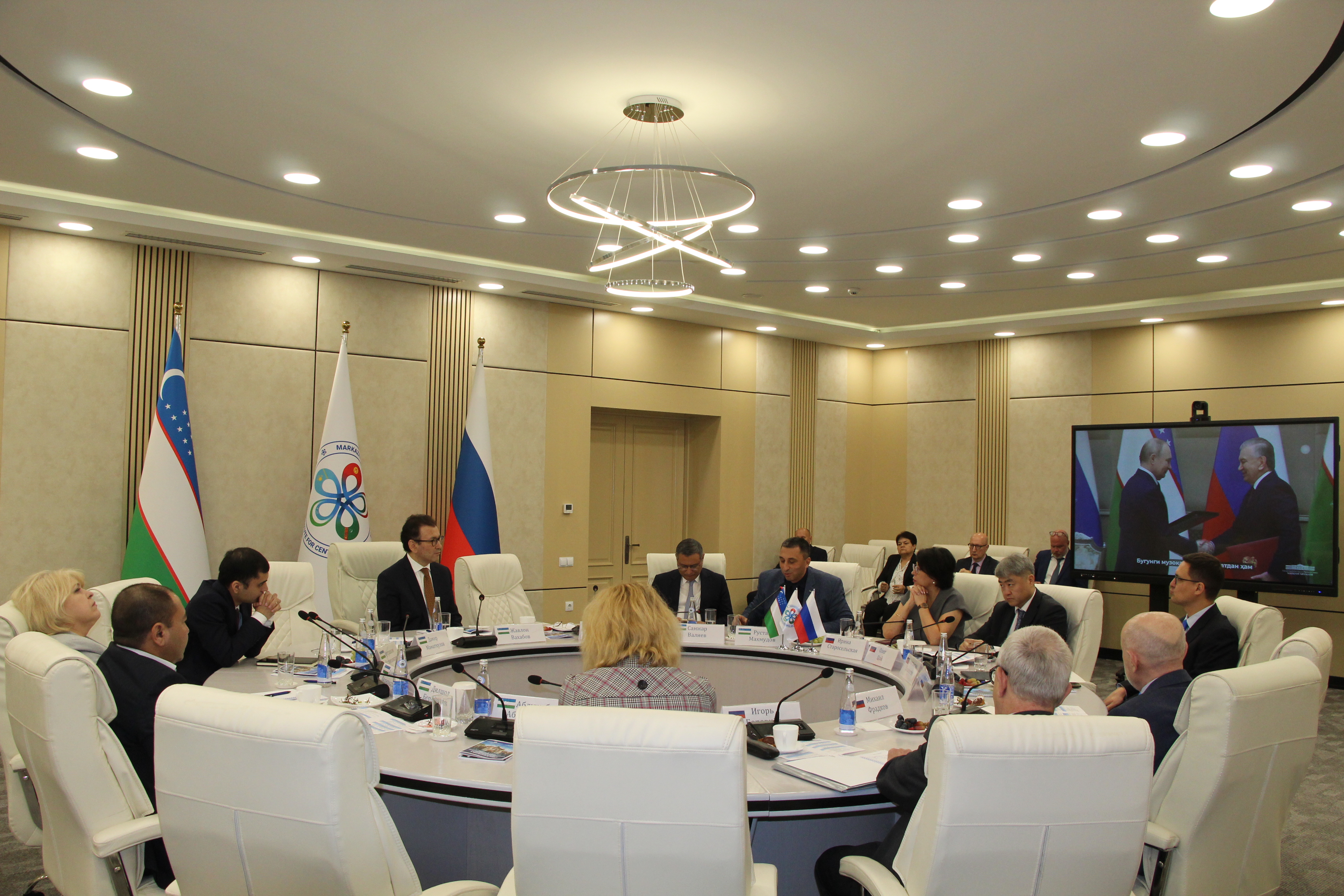
During the meeting, experts emphasized that deepening cooperation between Tashkent and Moscow contributes to strengthening regional stability, developing joint economic and infrastructure projects, and expanding cultural and humanitarian ties. Special attention was given to issues of industrial cooperation, energy, transport connectivity, labor migration, and educational exchange.
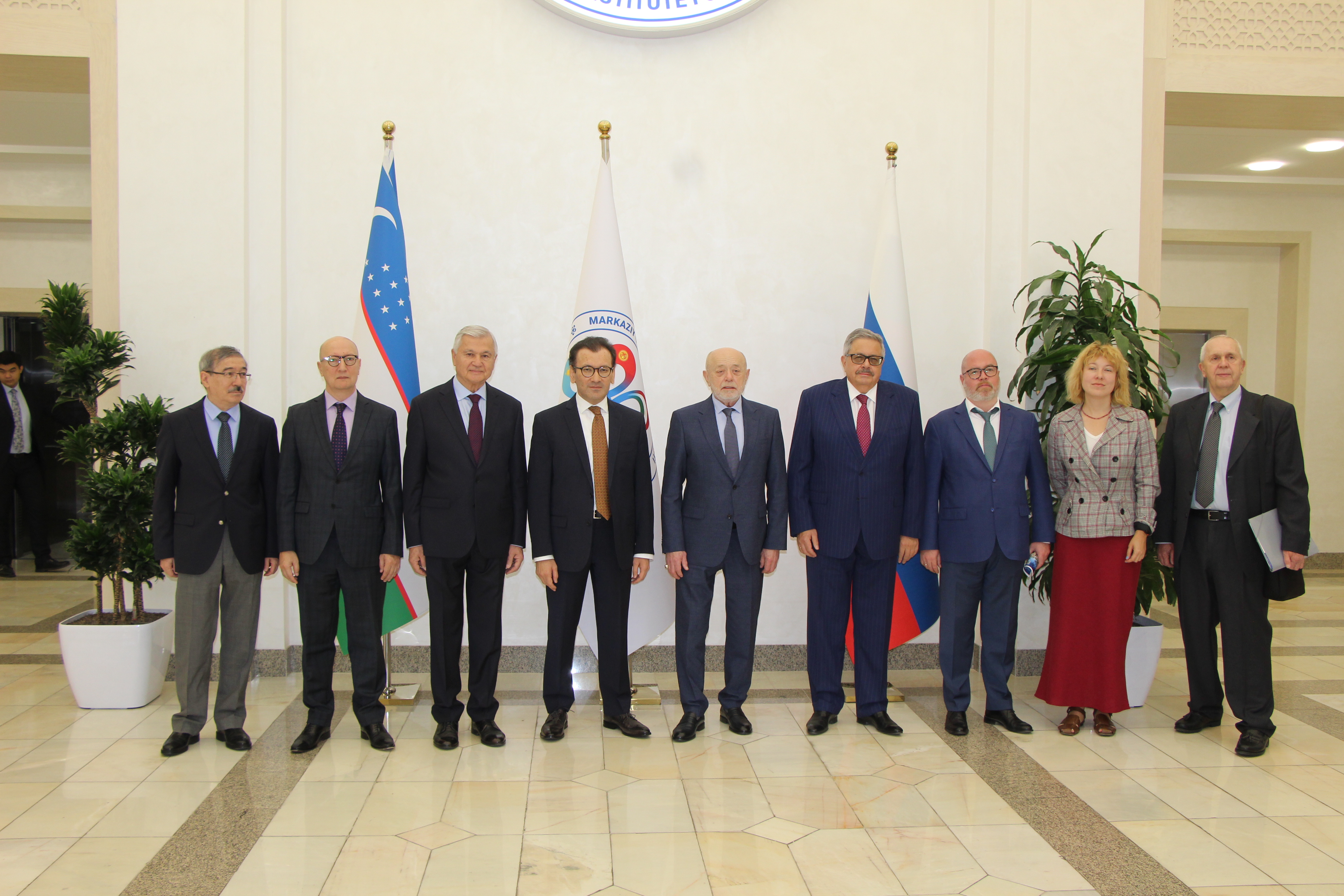
The discussion was held in an open and constructive atmosphere, which allowed the participants to formulate a set of expert recommendations for further strengthening the allied and strategic partnership between Uzbekistan and Russia, including in the areas of industrial cooperation, energy, transport, migration policy, and education.