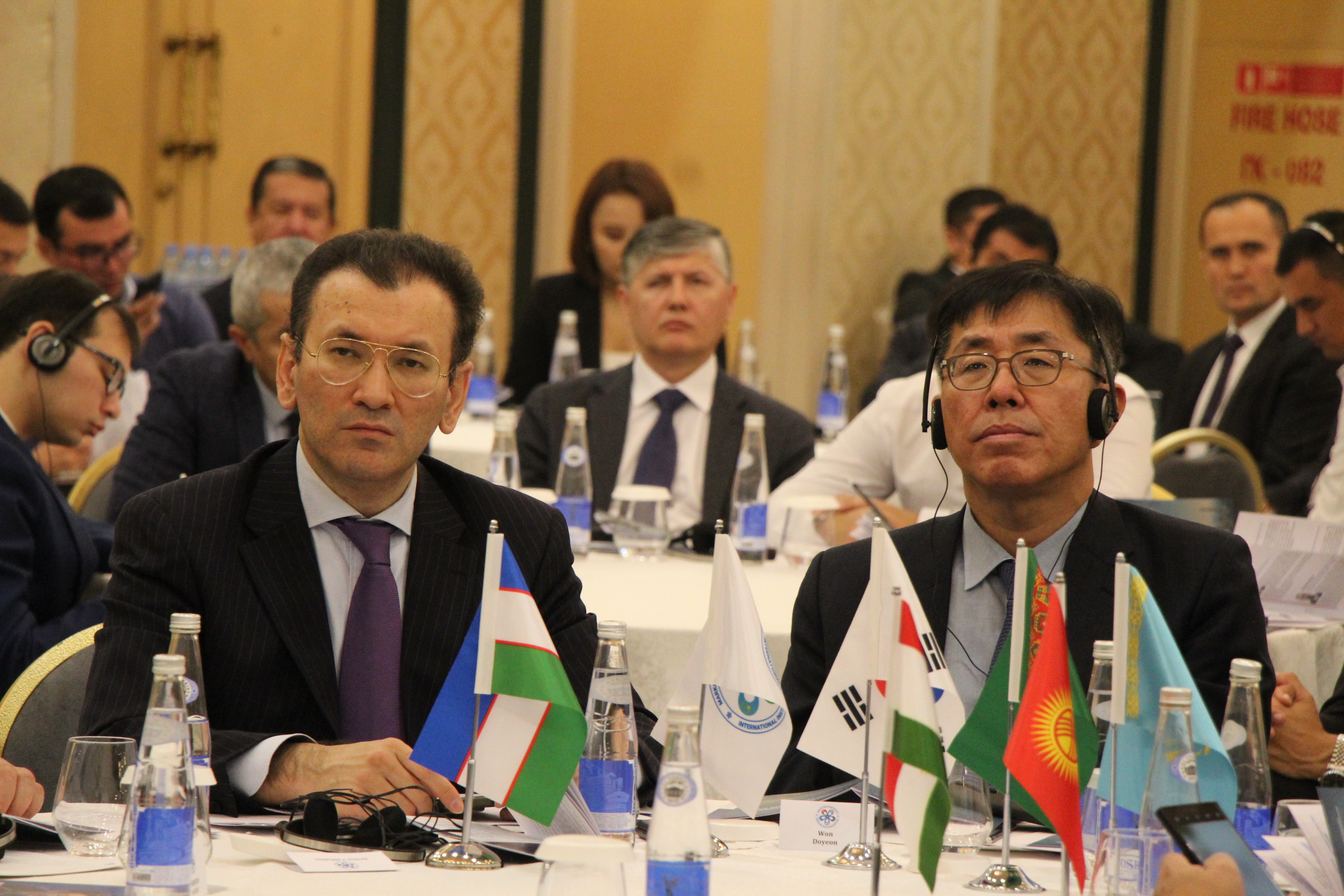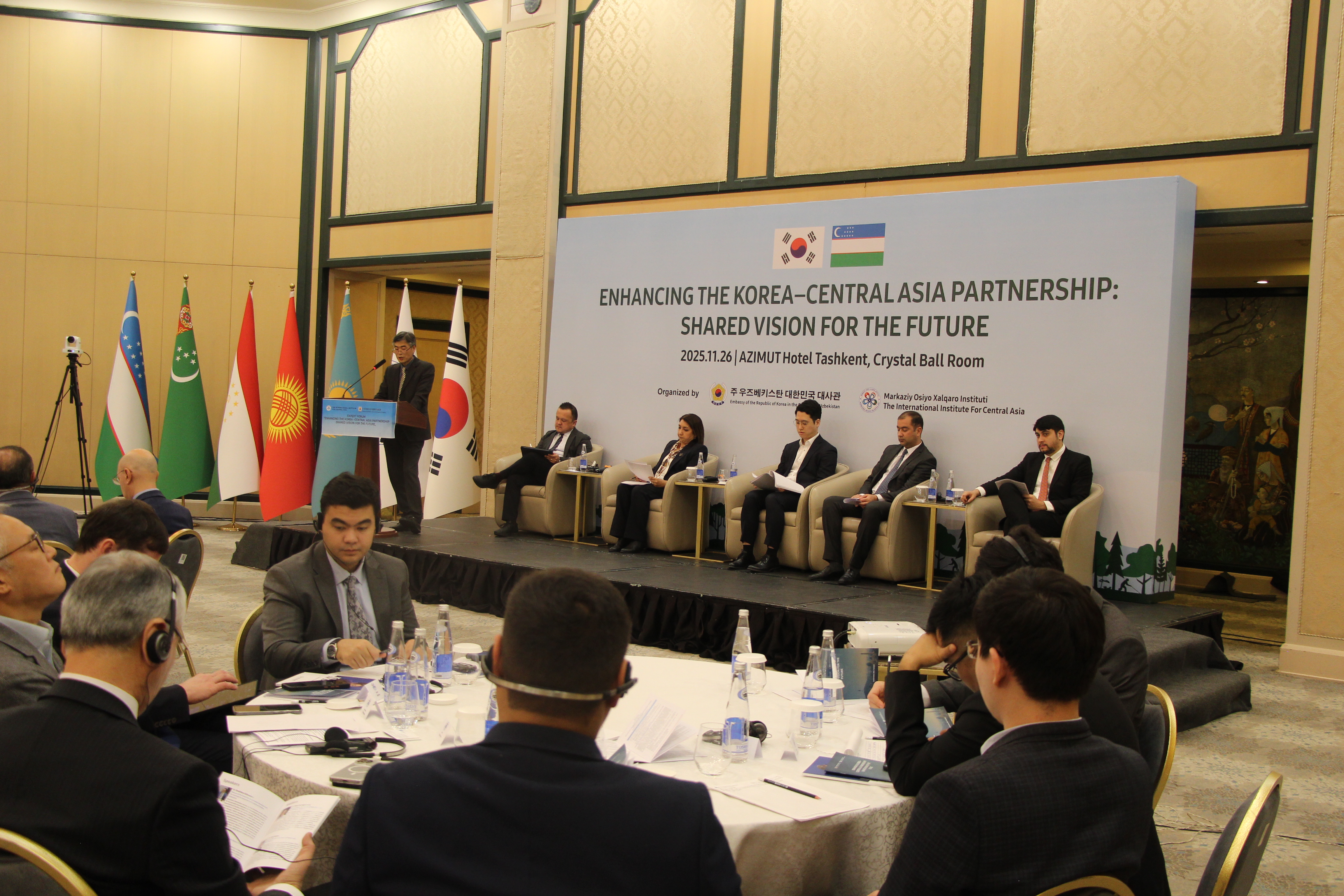
The event was organised by the International Institute for Central Asia and the Embassy of the Republic of Korea in Tashkent.
The forum was attended by representatives of leading research institutes in Central Asia and the Republic of Korea, the diplomatic corps and academic community, as well as professors, lecturers and young researchers.
Participants discussed the current state and opportunities for strengthening partnership between Korea and the Central Asian states, exchanged views and ideas on the upcoming first summit in the ‘CA-Korea’ format, which is scheduled for 2026.
Speaking at the opening ceremony, IICA Director Javlon Vakhabov noted that the Central Asia-Republic of Korea cooperation mechanism, launched back in 2007, became one of the first multilateral platforms that provided conditions for regular dialogue and the development of coordinated approaches in a six-party format.
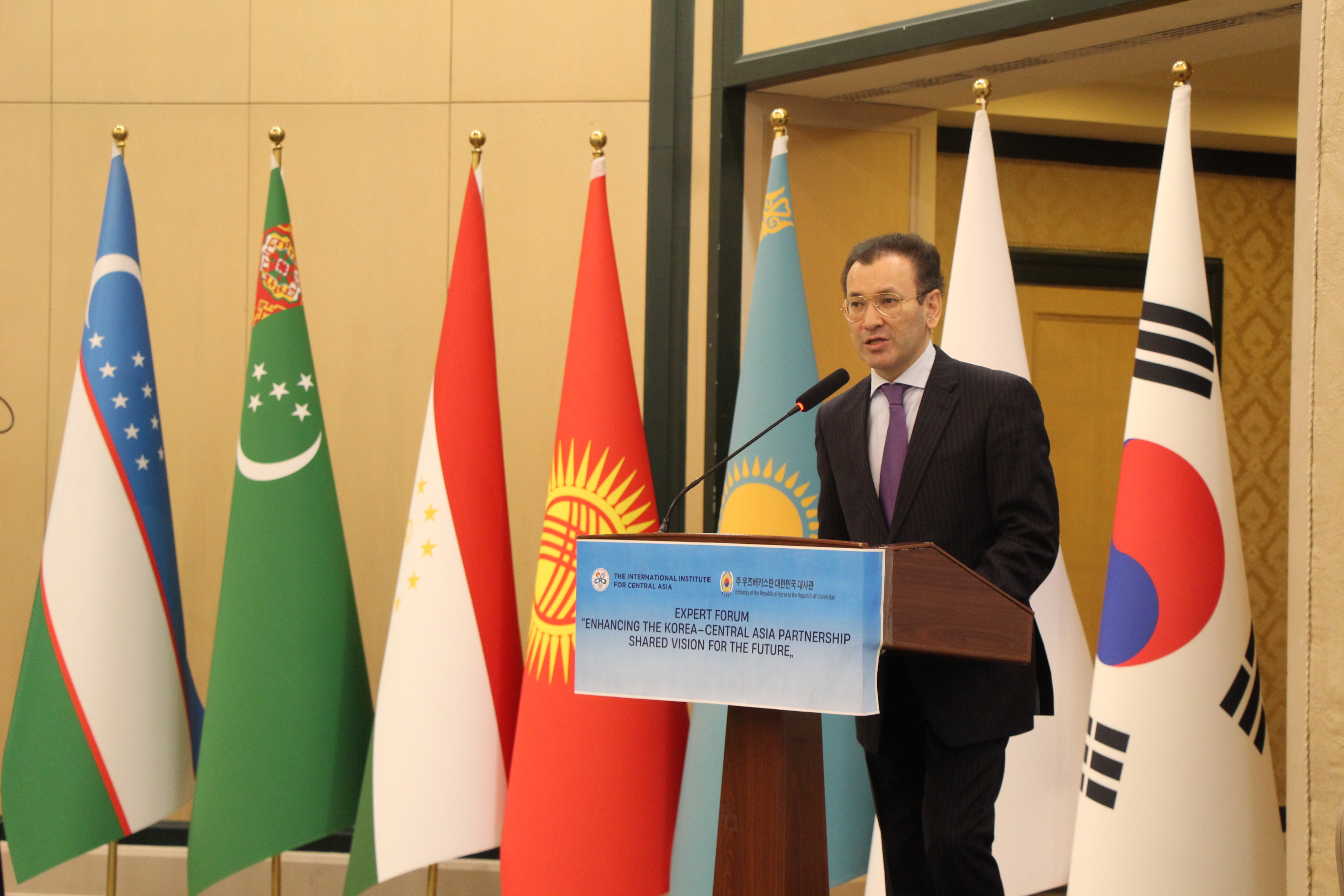
Cooperation in this format brings significant economic benefits to all parties. Over the past three decades, trade between Korea and Central Asian countries has grown 35-fold, increasing from $200 million to $9 billion, while total investment has exceeded $4 billion, Javlon Vakhabov emphasised.
“Today, we are ready to take our cooperation with Korea to an even higher level. Next year, the first ever CA-Korea summit will take place. This landmark event will open a new chapter in our cooperation, creating a truly high-level platform for dialogue and partnership,” said the director of IICA.
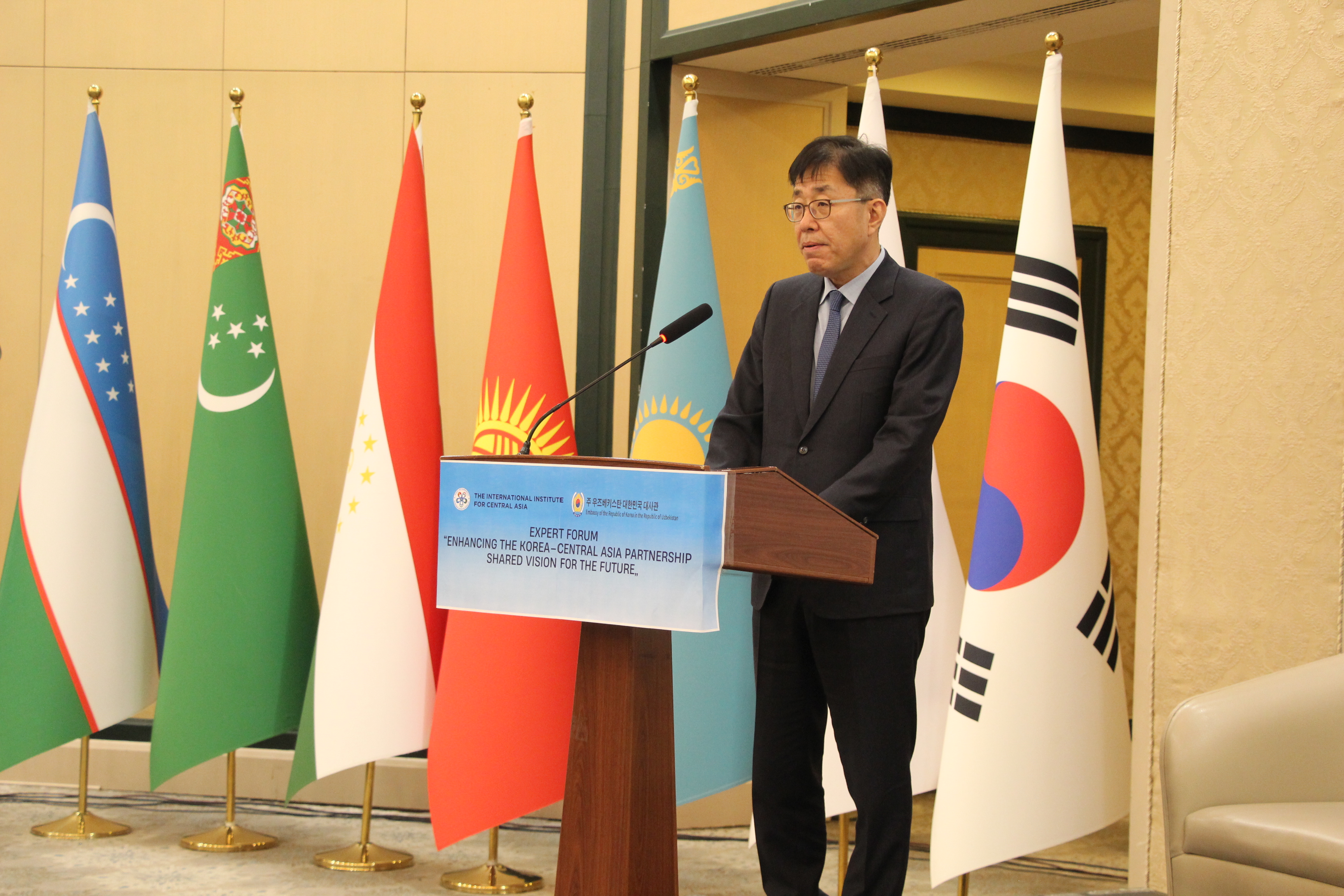
In turn, Ambassador of the Republic of Korea to Uzbekistan Won Doyeon emphasised that Central Asia has served as a bridge between civilisations along the Great Silk Road for centuries, and today this historical role is taking on new significance. In this context, the strategic partnership between Seoul and the countries of Central Asia is becoming increasingly important. The head of the diplomatic mission noted that cooperation is based on a multi-level approach, where, in addition to interaction at the political level, initiatives involving parliaments, business, academia and civil society play an important role in strengthening relations.
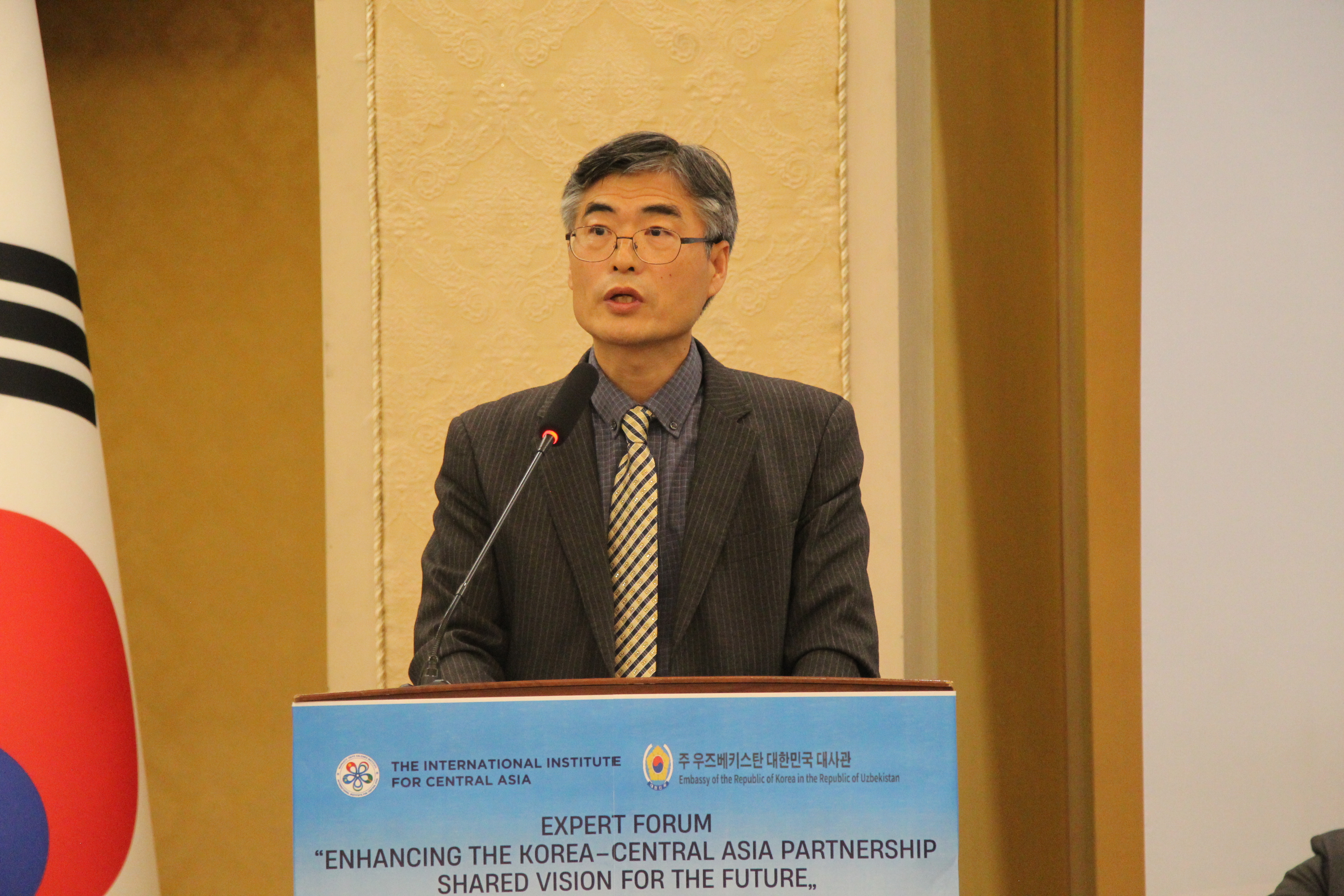
Byun Hyunsub, Associate Professor of Keimyung University (Korea) highlighted that cooperation between Korea and Central Asia has great opportunities. He emphasized that the parties should focus on critical minerals, energy, advanced manufacturing, digital transformation, and human capital development.
Drawing attention to current developments in the region, Eldaniz Gusseinov, a researcher at Ibn Khaldun University (Kazakhstan), noted that Central Asia is becoming a new economic centre that is attracting growing interest from countries outside the region. As a leading technological power, Korea can make a significant contribution to the development of the region, which requires the creation of new mechanisms for economic cooperation.
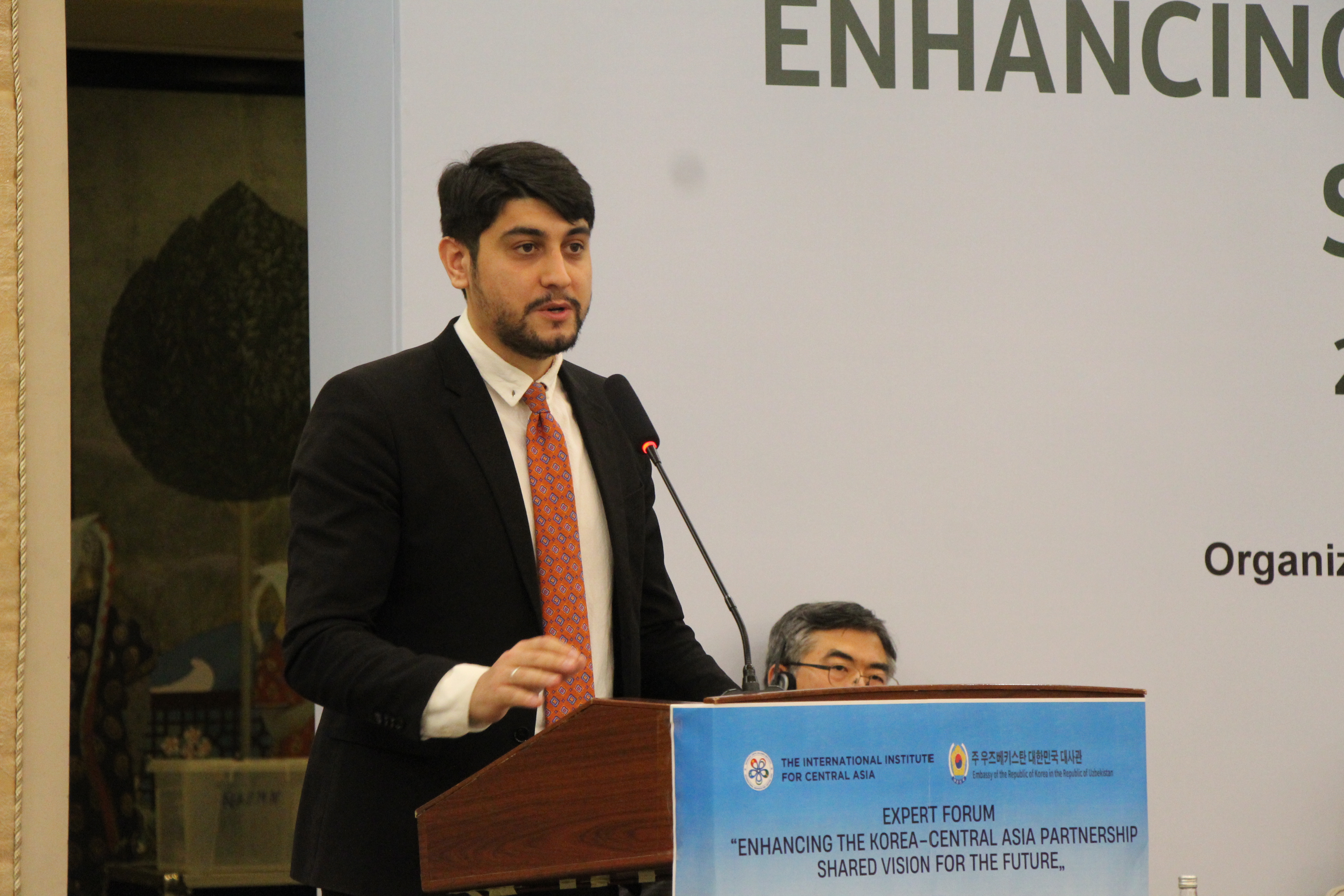
In this context, An Seunghun KOTRA Deputy Director (Korea) noted the prospects for developing a ‘platform trading model,’ which consolidates demand, reduces costs, and forms sustainable production and distribution chains. The expert emphasised the potential for developing platforms in the areas of smart livestock farming, agricultural technology and biomedicine.
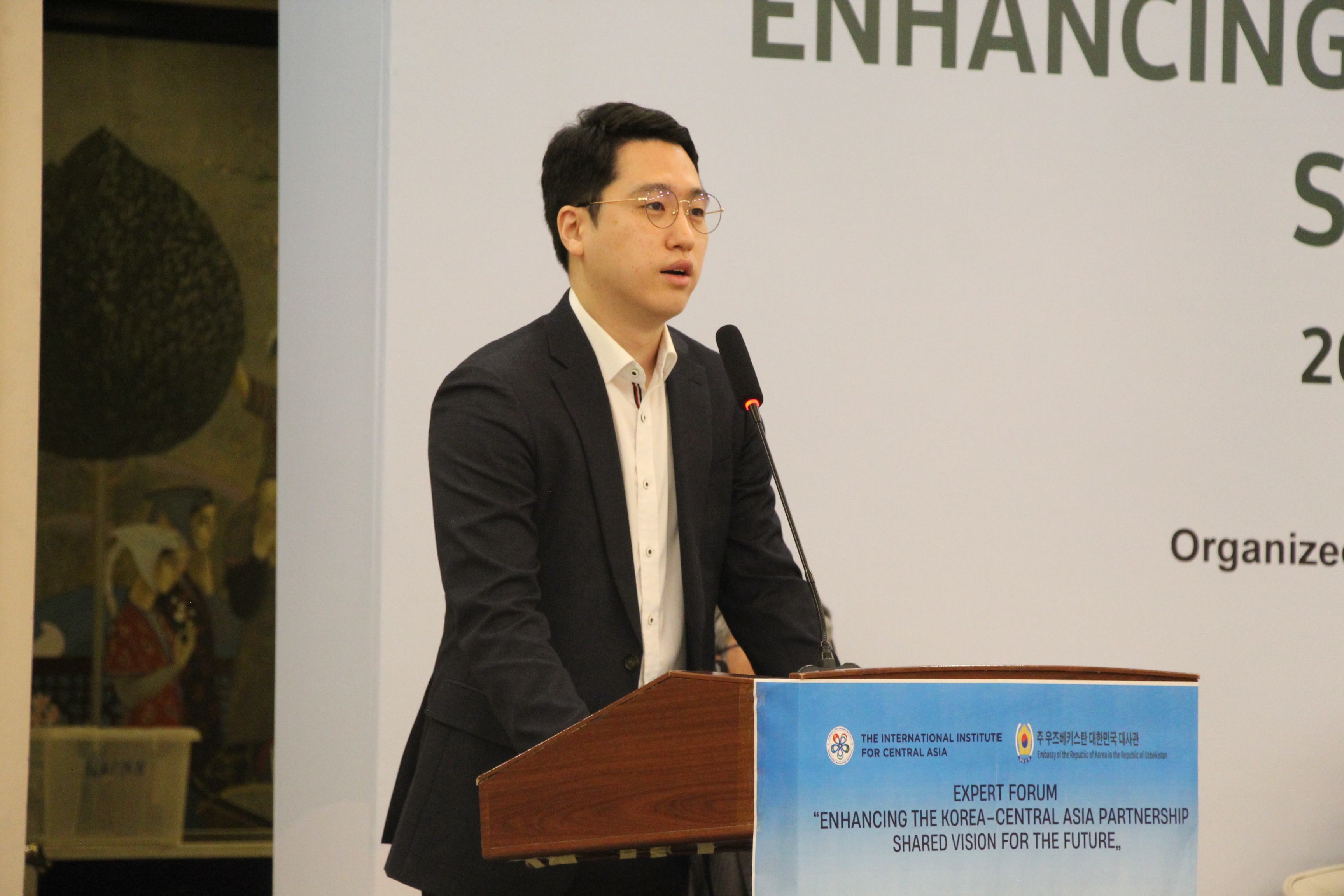
Ablay Dosmaganbetov, a research fellow at the Institute for Public Policy and Management (Kyrgyzstan), emphasised that Central Asia is demonstrating a trend towards transitioning to low-carbon energy sources. According to him, investment in low-carbon energy sources has increased fivefold, reflecting growing interest in sustainable development.
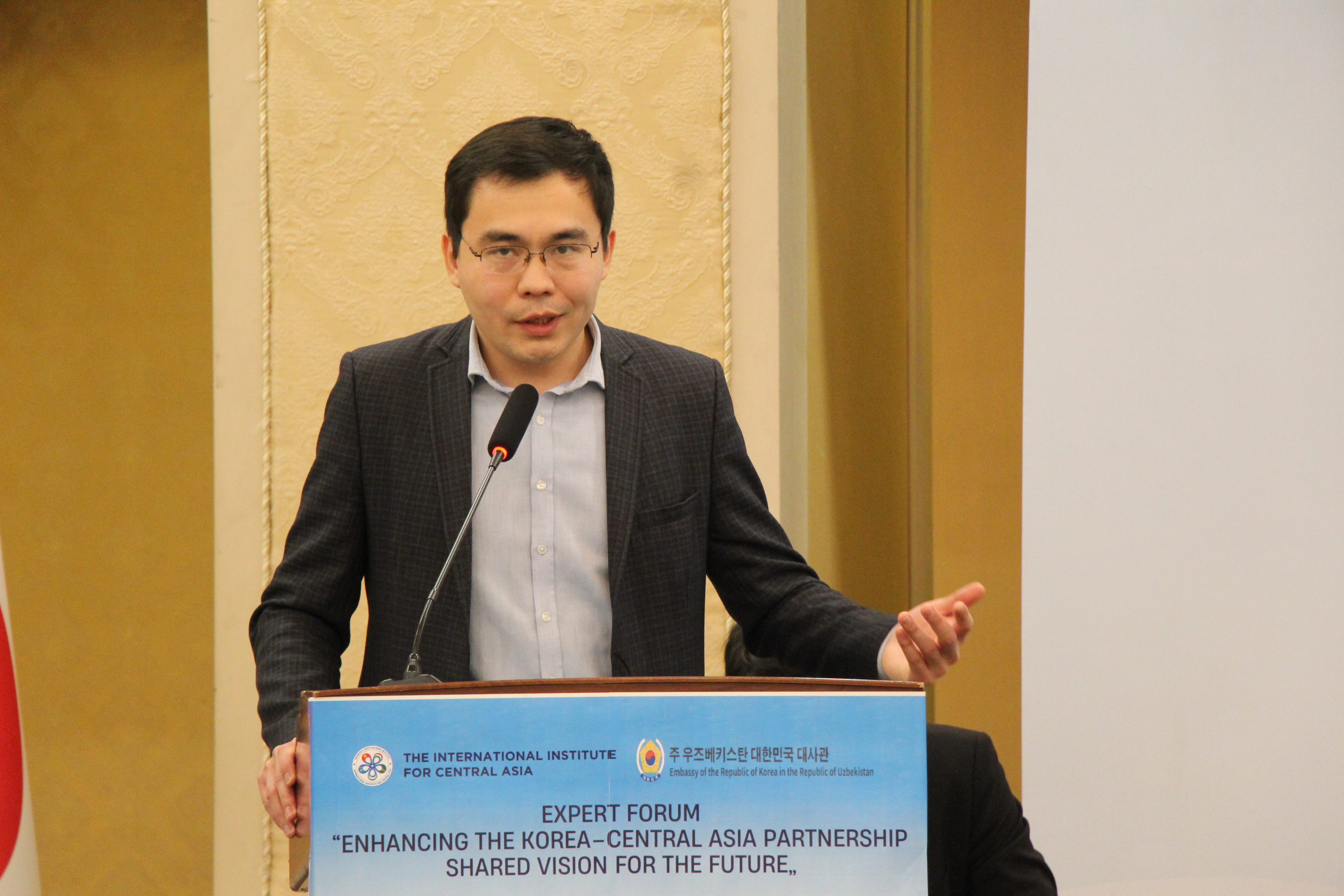
Yoon Youngmin, an expert at the Asia-Pacific Research Centre, Hanyang University (Korea), noted the prospects for cooperation with Korea in the modernisation of the energy sector in Central Asia.
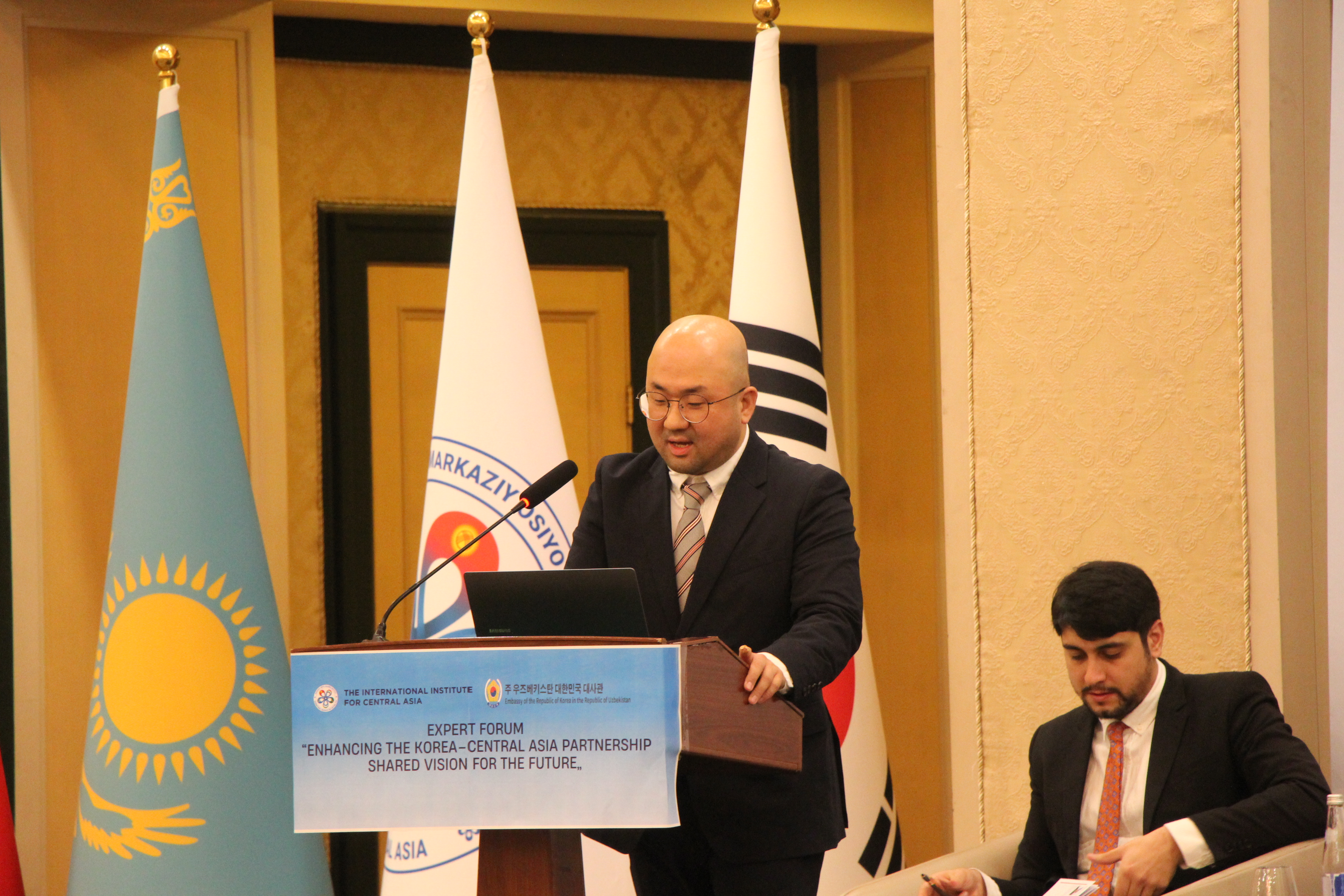
Korea's technological expertise, including advanced solutions in the field of nuclear and renewable energy, can contribute to the development of a more sustainable, efficient and secure energy system in the region.
Daulet Bakytzhan, an expert on urban mobility, energy and environmental sustainability (Kazakhstan), identified cooperation between Central Asia and Korea in the field of urban planning and smart city technologies as a promising area, which could become a powerful resource for the modernisation of the region.
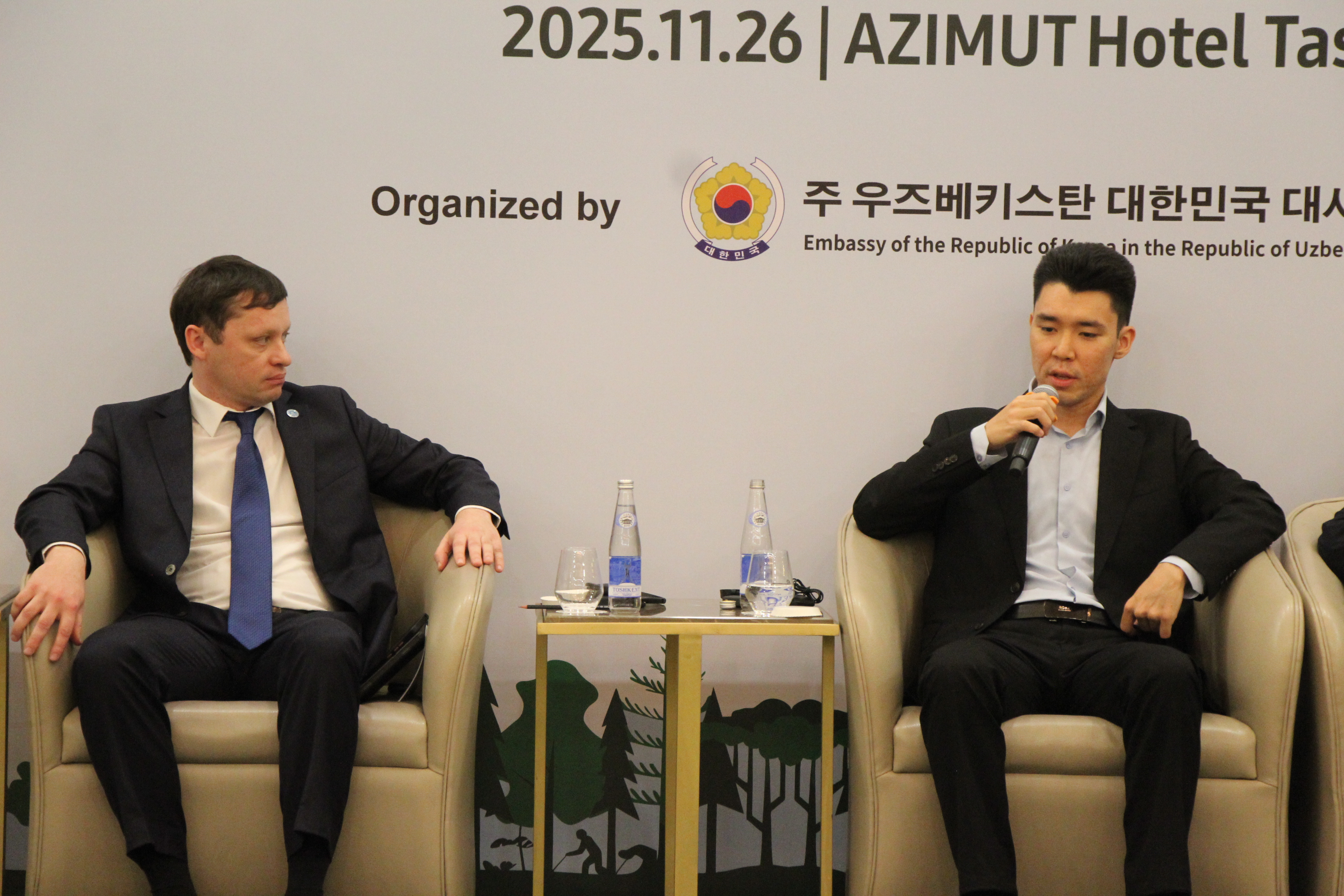
As noted by Lee Baek-Hee, CEO Data 24 (Korea), artificial intelligence (AI) is becoming a key tool for economic development. The expert presented the concept of “Small AI”, aimed at implementing AI solutions for specific regional tasks, adapted to the language, culture and economy of Central Asian countries. According to him, the successful implementation of this strategy requires all countries to develop their own data centres and train qualified specialists.
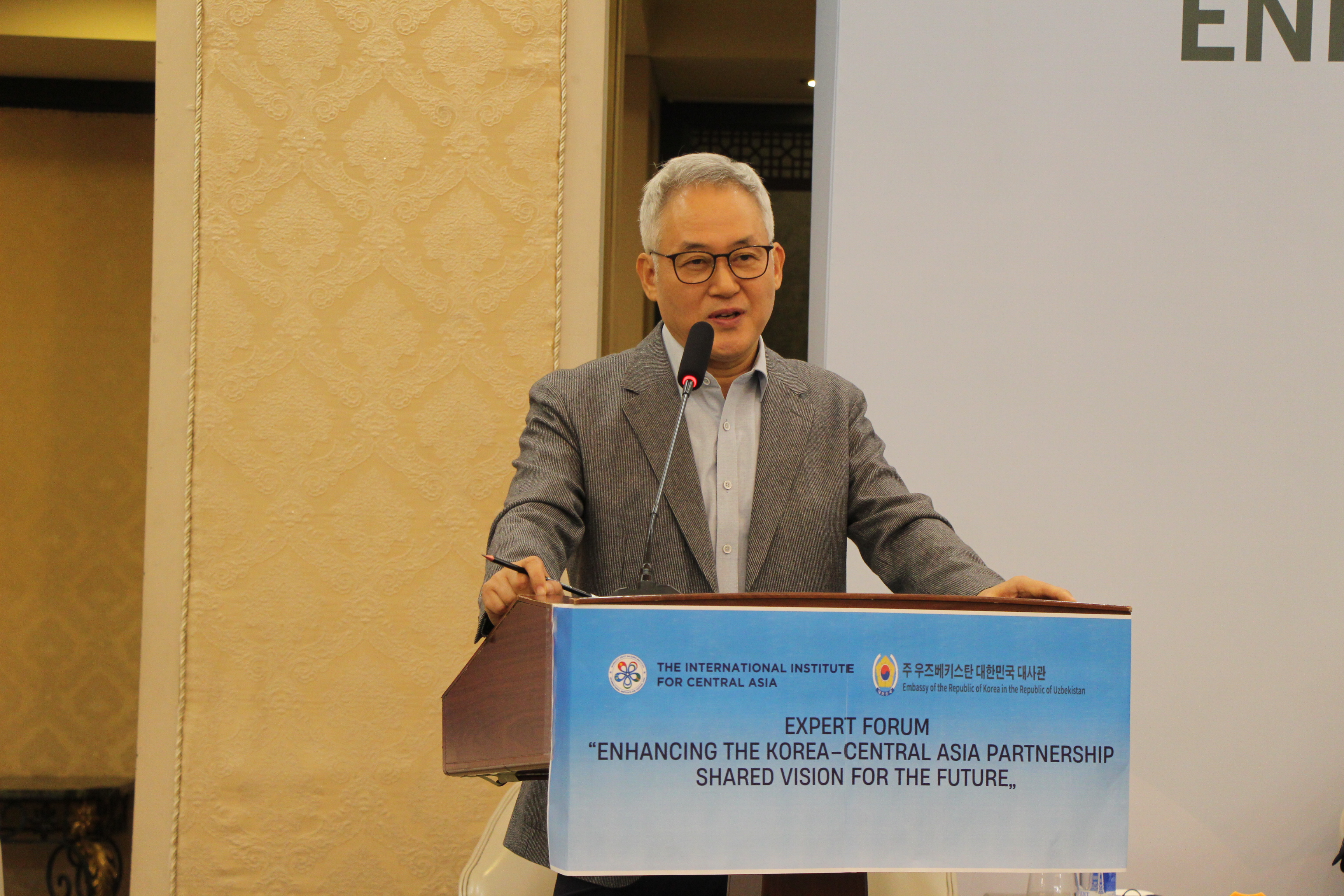
The accelerated integration of Central Asia into the global economy and the creation of new opportunities for the population, as pointed out by Khiradmand Sheraliev (Kyrgyzstan), a lecturer at the American University in Central Asia, can be facilitated by the exchange of advanced technologies, joint educational initiatives, and digital projects involving Korean companies.
The forum confirmed the high level of interest and potential for further strengthening cooperation between Central Asian countries and Korea. The parties expressed their readiness to continue expert dialogue and promote joint initiatives aimed at developing sustainable partnerships and long-term cooperation.