Excellencies, dear Ambassadors,
Distinguished participants of the round table,
Dear friends,
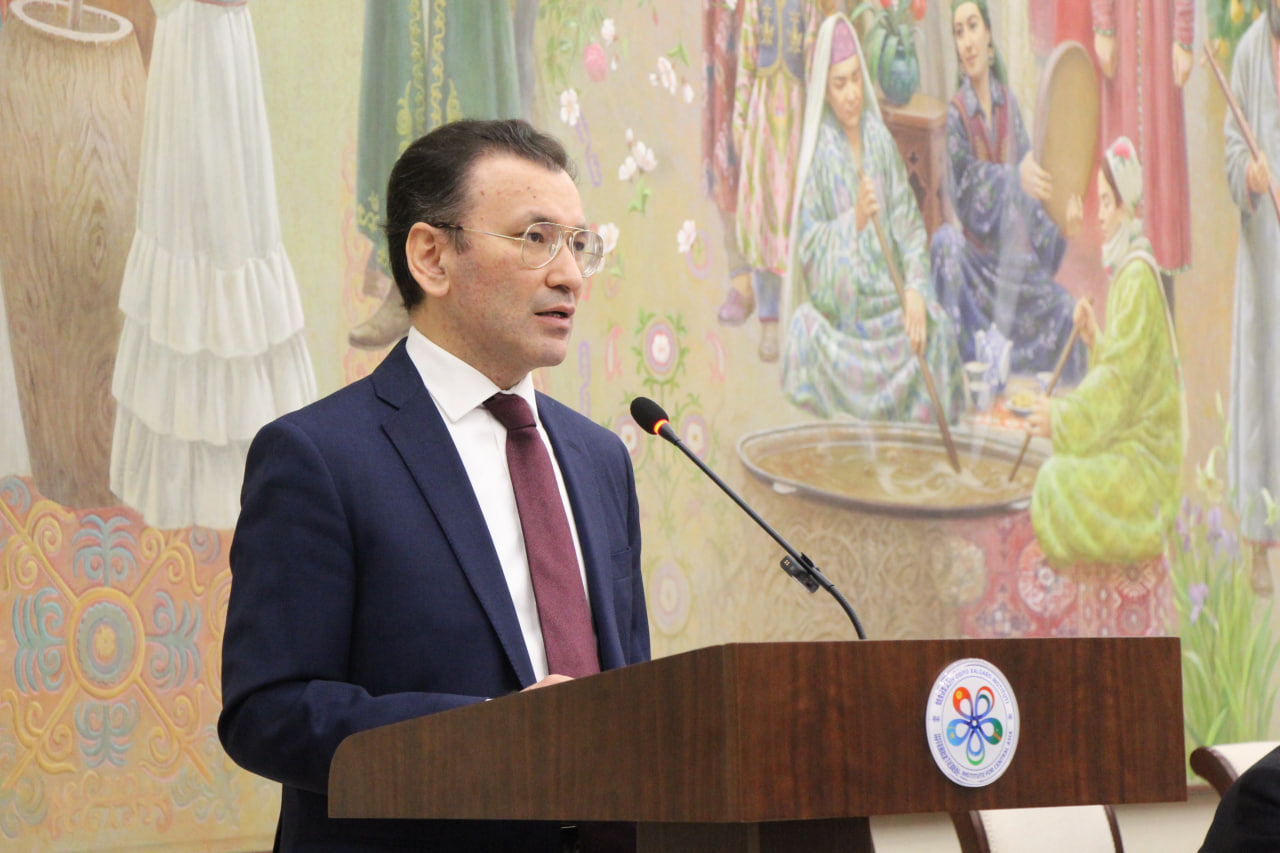
First of all, let me once again extend my warm greetings to all of you and express my sincere appreciation for your participation in this round table dedicated to the outcomes of the Seventh Consultative Meeting of the Heads of State of Central Asia.
The results of the Tashkent Meeting can already be described as historic, while the very format of our interaction has proven to be relevant, unique in its own way, and truly effective in advancing the goals of regional cooperation.
Thanks to the open dialogue among our leaders and our joint practical efforts, we are moving toward building a “New Central Asia” – a unified region with shared goals, tasks and priorities.
Dear participants,
Naturally, it is impossible to cover within the scope of my remarks all the directions and initiatives that were discussed and adopted at the summit.
Therefore, today this opportunity will be extended to all heads of diplomatic missions – our esteemed Ambassadors of Central Asia and Azerbaijan.
I hope they will highlight specific aspects in detail and share their views on the results achieved and the prospects for further cooperation.
For my part, taking advantage of this opportunity, I would like to draw your attention to several key outcomes of the meeting, which, in my view, reflect strategic breakthroughs and shape the algorithms of our future course of action.
First and foremost, it is necessary to highlight the decision of the leaders of the Central Asian countries to include Azerbaijan as a full participant in the Consultative Meeting format. We are now six. And this is more than a number, as this formal expansion brings with it new opportunities to address key regional issues.
Azerbaijan’s close engagement with Central Asia enables us to build a resilient link to the South Caucasus, which possesses the required transport and energy infrastructure with access to Europe and the Middle East. This opens new opportunities for developing transport corridors, reducing transit risks, coordinating energy projects, and much more.
The expansion of interregional cooperation is also of significant geopolitical importance, as it markedly strengthens the region’s overall political weight on the global stage. In an environment of growing interdependence, a broader circle of partners enables the formation of a more resilient and flexible architecture of regional cooperation and allows for more effective advancement of our shared agenda. In this regard, the Tashkent Summit gave fresh impetus to the geostrategic rethinking of Central Asia by incorporating Baku into the C6 format. This new platform reflects a shared vision of the future grounded in broad international cooperation.
No less important are the steps being taken toward the institutionalization of cooperation.
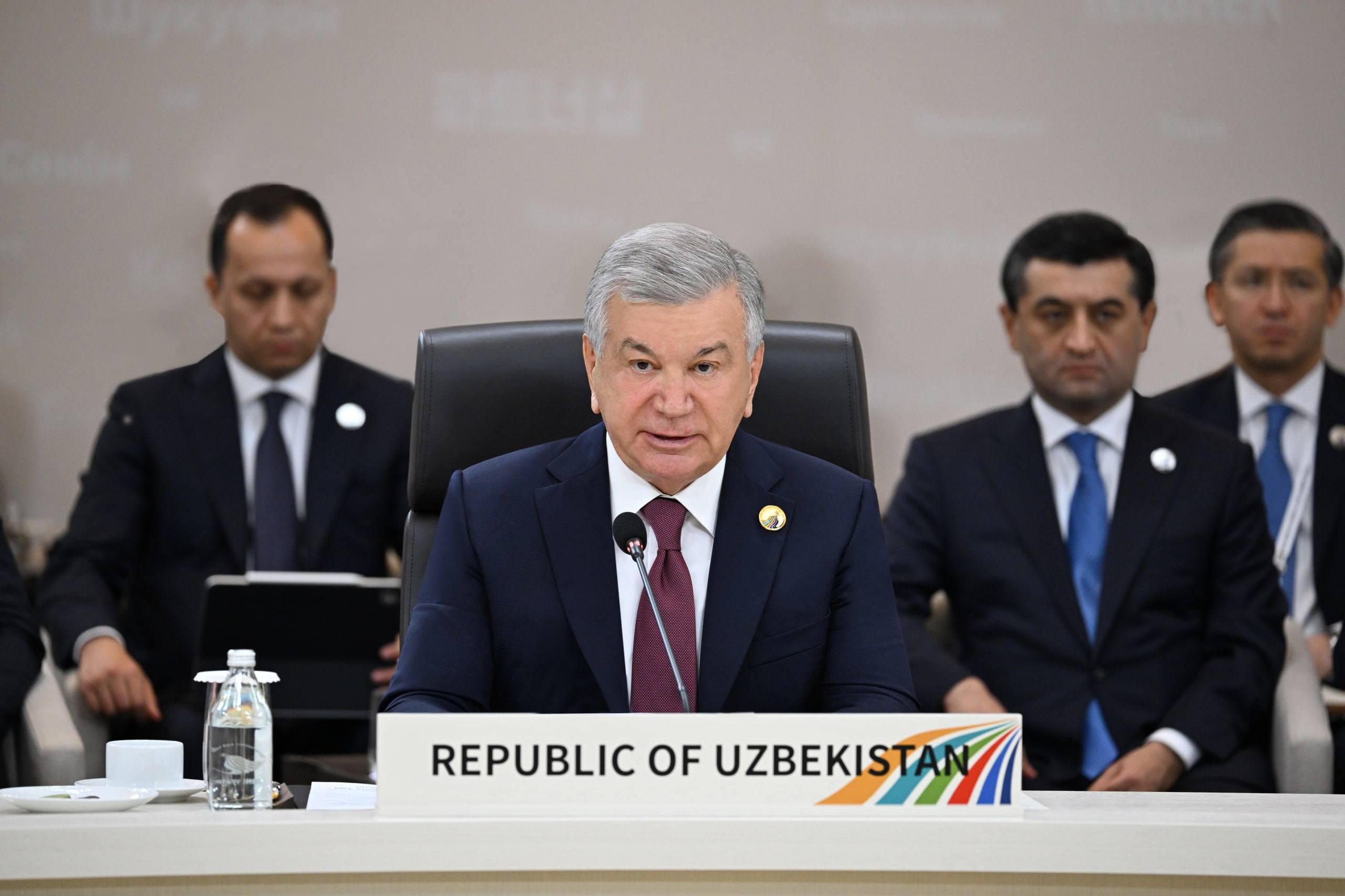
The initiative proposed by our President, His Excellency Shavkat Mirziyoyev, to transform the Consultative Meeting format into a “Community of Central Asia” aims at establishing a stable structure capable of ensuring systematic implementation of our agreements. Thus, the six states demonstrate their independence as sovereign actors, independently determining their development in the political, economic, environmental, and other spheres.
The Tashkent meeting establishes a platform for regional cooperation. The development of a more integrated regional format provides all six countries with broader opportunities in negotiations with all potential partners.
During the summit, proposals were also made to strengthen the legal and regulatory framework, establish a rotating Secretariat, elevate the status of national coordinators, and create a Council of Elders.
Among the significant areas, I would also highlight the proposed package of measures aimed at strengthening trade and economic cooperation, developing a common investment and digital environment, improving infrastructure, and ensuring the rational use of the region’s water resources.
It is important that the initiatives voiced by the leaders reflect a medium- and long-term strategic outlook. They form the very “framework” that allows us to move from individual initiatives to the coherent implementation of joint projects.
Today, we stand on the threshold of a historic revival of the region. At the same time, the approach of our countries is based on the principle of gradual integration without coercion, with respect for the specifics of each state, and is oriented toward the formation of a single, interconnected regional space.
All efforts being undertaken undoubtedly bring our countries closer to our shared goal of building a resilient, secure, and prosperous Central Asia.
As we can observe, the countries of Central Asia are moving from declarations to substantive actions that reorient and strengthen regional consolidation.
Distinguished guests,
Central Asia is steadily transforming from a region focused primarily on current issues into a space of strategic cooperation with a clear vision of long-term development.
The decisions adopted and the proposals voiced already provide a solid basis for further strengthening institutional mechanisms, expanding economic and cultural interaction, ensuring security, and promoting sustainable development.
Particularly significant is cooperation with international partners and participation in “CA+” formats, which make it possible to integrate the region’s efforts into global processes.
Among us today are representatives of the diplomatic corps and international organizations. We count on your support for Uzbekistan’s policy and your active engagement in advancing and implementing initiatives aimed at the development of our region. We are convinced that “our strength is in unity, and our path to success is through friendship and cooperation”.
In conclusion, I would like to emphasize that Central Asia is demonstrating maturity, strategic vision, and the ability to unite efforts in pursuit of shared objectives. It is precisely this consistent and coordinated forward movement that will serve as the key to the region’s sustainable development.
Thank you for your attention.