In this context, Slovenia presents a compelling case study. Nestled in the heart of Europe between the majestic Alps and the picturesque Adriatic coast, Slovenia is increasingly recognized as a model of sustainable tourism and successful destination branding. In recent years, this compact country has transformed its size into a strength, leveraging its natural and cultural assets to become a powerful driver of economic growth.
Tourism as a Driver of National Success
Slovenia continues to consolidate its place on the global tourism map by focusing on sustainable development, ecological responsibility, and cultural preservation. By effectively utilizing its natural resources and historical landmarks, the country is attracting an ever-growing number of international visitors.
According to the World Economic Forum's 2024 report, Slovenia ranked 42nd out of 119 countries in terms of tourism development. Remarkably, it secured the top global position in tourism branding, surpassing many larger and traditionally popular destinations.
Recovery and Growth of the Sector
Slovenia’s tourism sector has shown consistent growth in the post-pandemic period. According to the Statistical Office of Slovenia, tourist arrivals reached 6.5 million in 2024 — a 6.3% increase from the previous year. Overnight stays rose by 4.5%, totaling a record 16.8 million. Notably, international arrivals surpassed 2019 levels by 8%, signaling a full recovery.
Tourism revenues in 2024 amounted to €3.6 billion, representing 28% of the country’s total service exports. The sector’s contribution to GDP reached 5.2%, including 3.8% in value added. Approximately 70,000 people — or 7.4% of Slovenia’s workforce — are employed in the tourism industry.
A Strategic Approach
Slovenia’s success stems from a well-conceived national strategy. The government has invested heavily in modern infrastructure — from new congress halls and exhibition centers to the restoration of architectural heritage. It also makes extensive use of contemporary marketing tools. As a result, Slovenia has significantly enhanced its global visibility and appeal. In several metrics, it now rivals or surpasses established European tourism leaders such as Austria, Italy, and Croatia.
A Leader in Sustainable Tourism
Sustainable development is at the heart of Slovenia’s tourism policy. In 2015, the country launched the national certification program Slovenia Green, which promotes the integration of environmental standards into everyday practices across the tourism industry. The program now covers over 130 entities — including natural parks, cities, hotels, and restaurants — each labeled with bronze, silver, gold, or platinum distinctions to guide eco-conscious travelers.
Among the most notable examples of sustainable initiatives are the pedestrianization of Ljubljana’s city center, the introduction of electric vehicles, and wildlife observation tours — a portion of which contributes to environmental conservation efforts.
In 2016, Slovenia became the world’s first country to be officially recognized as a “green destination” at the Global Green Destinations Day conference. Since then, it has received numerous international accolades, including from ITB Berlin and the Sustainable Destination Awards. In 2022, Lonely Planet listed Slovenia among the world’s top five countries to visit, while National Geographic praised its achievements in eco-friendly tourism.
Unique Assets: Nature, Culture, and Infrastructure
One of Slovenia’s primary advantages is the diversity of its landscapes — from mighty rivers and mountain ranges such as Triglav (2,864 m), to dense forests covering around 60% of its territory. Over a third of the country is protected under the EU’s Natura 2000 network, making it one of Europe’s leaders in conservation.
Cultural heritage also plays a vital role. Castles, palaces, and fortresses — carefully restored and adapted for contemporary use — serve as museums, hotels, conference venues, and cultural spaces. Historic architecture is seamlessly integrated with wellness and business tourism, enhancing the country’s overall appeal.
Slovenia also boasts a strong infrastructure for hosting festivals, academic symposia, and international events. Traditional cultural events such as the Easter Passion Play in Škofja Loka and the Kurentovanje Carnival in Ptuj have been inscribed on UNESCO’s Intangible Cultural Heritage list.
A National Tourism Brand
The strategic promotion of the “I Feel Slovenia” brand has played a pivotal role in shaping Slovenia’s image. The slogan encapsulates the nation’s distinct identity — its natural beauty, environmental responsibility, and cultural diversity. Beyond tourism, the brand is used across commercial sectors, fostering synergies between industries. Its promotion is supported by international expos, major events, English-language media, and the official portal slovenia.si.
Tourism development is coordinated by the Slovenian Tourist Board, which markets the country as a “green boutique destination” offering high-quality experiences.
Tourism as a Promising Area of Cooperation between Slovenia and Central Asia
Amid growing global demand for environmentally and culturally enriching travel, Slovenia could become a valuable partner for Central Asian countries. Tourism cooperation opens new avenues for regional engagement — fostering not only economic growth but also cultural, educational, and humanitarian exchanges.
Political Support: Tourism as a Bridge of Friendship
In recent years, tourism has increasingly featured in the bilateral agendas between Slovenia and Central Asian nations. Kazakhstan, Kyrgyzstan, Tajikistan, and Uzbekistan have expressed keen interest in deepening partnerships with Slovenia in this field, recognizing tourism as a promising avenue for collaboration.
Both sides are actively exploring joint initiatives — including the development of integrated tourism products, business partnerships in the hospitality sector, and the launch of direct flights. Tourism is increasingly seen as a core pillar of bilateral cooperation alongside green economy, digitalization, and education.
On a broader regional level, tourism has also become a recurring theme during high-level visits by Central Asian leaders to the EU.
In this regard, bilateral cooperation between Slovenia and Uzbekistan is particularly focused on launching direct air routes, liberalizing visa regimes, and exchanging best practices in sustainable tourism.
Joint Projects and Initiatives
Slovenia can offer its expertise in tourism branding, certification, and sustainable destination management to the countries of Central Asia. Opportunities are being discussed for joint forums and exhibitions, including potential Central Asian participation in the Natour Alpe-Adria tourism fair in Ljubljana, and reciprocal promotion of Slovenia at events in Tashkent, Almaty, and Dushanbe.
Education and Knowledge Exchange
Universities across Central Asia — particularly in Uzbekistan and Kazakhstan — have shown interest in Slovenian programs for tourism management, hospitality, and sustainable development. Short-term courses and internships involving Slovenian experts are being considered under Erasmus+ and other international exchange programs.
Conclusion
Tourism stands as a vital component of regional rapprochement — especially in light of global challenges such as climate change, economic diversification, and resilience to external shocks. Slovenia and the countries of Central Asia can jointly promote green tourism, cultural exchange, and transregional travel routes — including the idea of a modern Silk Road as a unifying initiative.
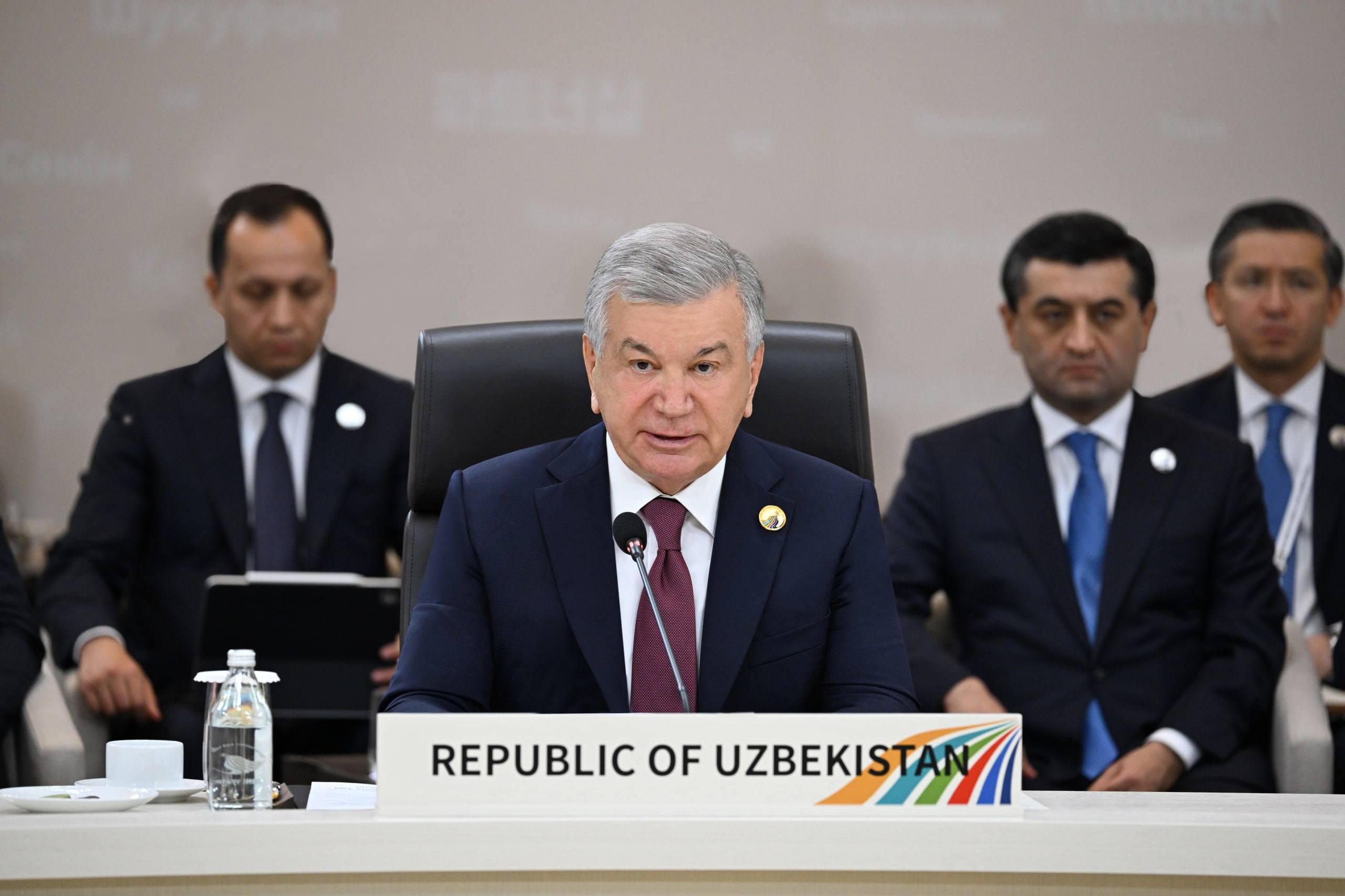
The upcoming visit of President Shavkat Mirziyoyev to Slovenia this year is poised to create new momentum for deepening bilateral dialogue in tourism, strengthening people-to-people ties, and advancing shared values of sustainability and cultural development.