SPIEF-2026 is being held under the theme “Pragmatic Dialogue: A Path to a Stable Future.” The forum has brought together more than 20,000 representatives from over 130 countries. Heads of state and government, leaders of international organizations, representatives of financial institutions, and executives from major global companies have gathered in St. Petersburg. Participants include delegations from China, Brazil, Saudi Arabia, the United Arab Emirates, as well as countries of Africa, Latin America, and Central Asia. President of Uzbekistan Shavkat Mirziyoyev is the forum’s guest of honor, and the Uzbek delegation has prepared an extensive cultural and business program for SPIEF-2026 participants.
The forum has drawn considerable interest not only because of the scale of representation, but also because of the agenda under discussion. The SPIEF-2026 program includes more than 150 business events focused on the transformation of the global economy, international trade, the development of transport corridors, digital technologies, artificial intelligence, energy, industry, and human capital. Representatives of the United Nations, the CIS, OPEC, the BRICS New Development Bank, APEC, and other organizations are also taking part in the forum. For the first time in recent years, an official U.S. delegation has also arrived in St. Petersburg.
The range of participants at the forum reflects major shifts in the global economy and the emergence of new centers of global growth. While Russia’s engagement with Europe’s traditional markets previously dominated the agenda, the role of countries in Asia, the Middle East, and Latin America is now becoming increasingly prominent. Against this backdrop, Central Asia is moving more confidently to the forefront, establishing itself as one of the key centers of growth and strategic importance in Eurasia’s emerging architecture.
The growing importance of Central Asia reflects several factors. The region has a population of more than 80 million people, possesses significant natural resources, and has long occupied a strategic position between Russia, China, South Asia, the Middle East, and Europe. Amid the transformation of global logistics chains and the development of new transport routes, these advantages are taking on added significance.
Today, the “CA+” format is becoming one of the key mechanisms through which the states of the region structure their engagement with major international players, including Russia, China, the United States, the EU, India, Japan, the Republic of Korea, and the Gulf Cooperation Council. This format allows Central Asia to engage with external partners on a more systematic basis and to strengthen its role in international processes.
In this context, cooperation with Russia remains an important element of the Central Asian states’ foreign relations. The development of political dialogue has been accompanied by an expansion of trade and economic cooperation. According to expert estimates, Russia’s aggregate trade with the countries of the region approached $50 billion in 2025, marking one of the highest figures in the entire history of cooperation between the parties.
Russia’s largest trade volumes in the region are with Kazakhstan and Uzbekistan. In 2025, trade with these countries amounted to approximately $27.4 billion and $13 billion, respectively. Kyrgyzstan, Tajikistan, and Turkmenistan are also showing positive momentum. At the same time, cooperation is increasingly moving beyond trade to include industrial cooperation, investment, logistics, energy, digital technologies, and workforce training.
Uzbekistan occupies a special place in these processes. In recent years, the republic has substantially strengthened its position as one of the largest economic centers of Central Asia. In 2025, the country’s total foreign trade turnover exceeded $81 billion.
However, Uzbekistan’s importance in contemporary regional processes is determined not only by economic indicators. The republic is actively involved in the formation of new mechanisms of cooperation and is increasingly acting as an initiator of specific integration projects.
This is especially evident in Russia’s engagement with the Central Asian states, where Tashkent consistently promotes initiatives in transport, industrial cooperation, energy, and innovative development.
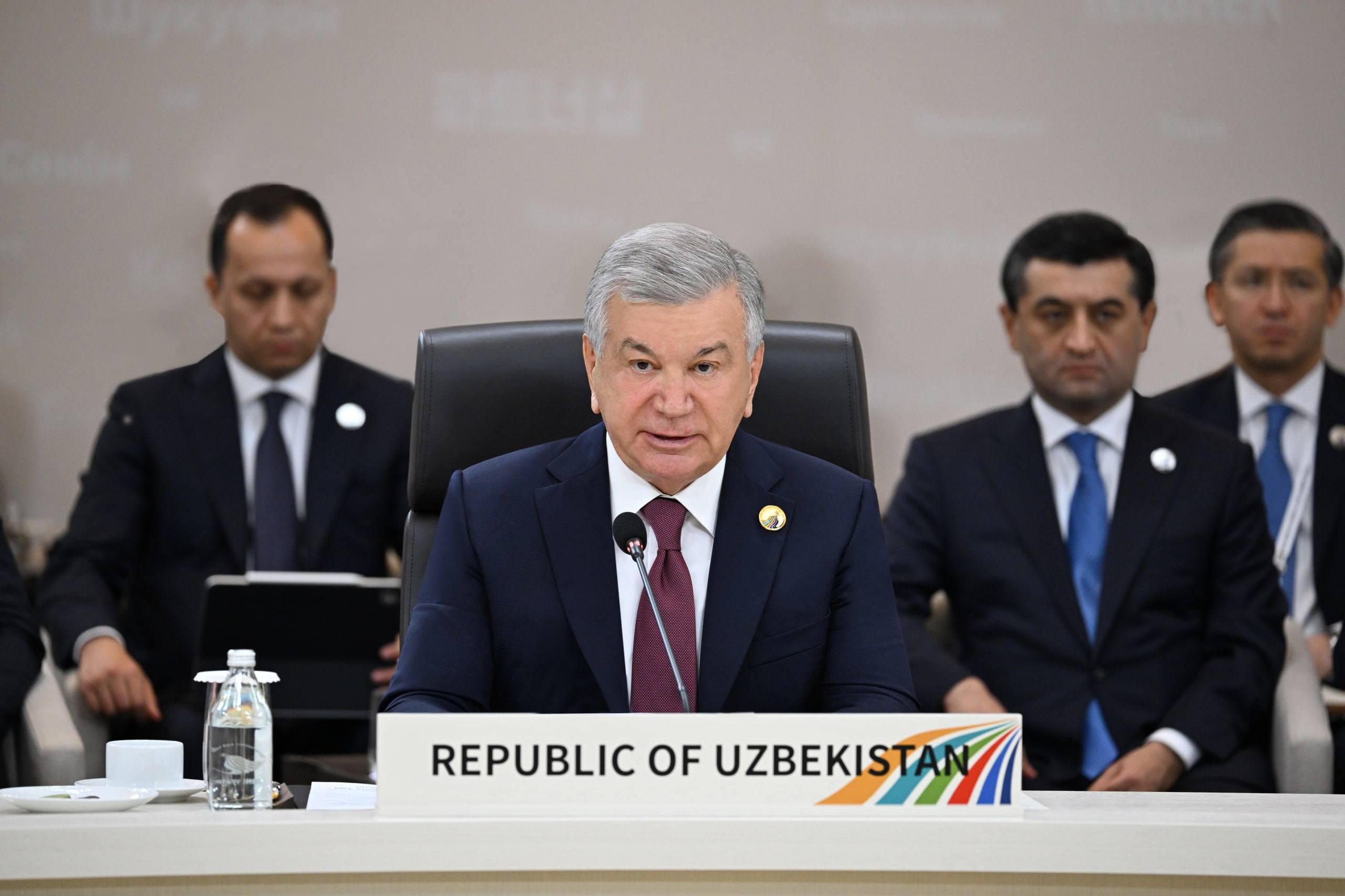
For this reason, the participation of President of Uzbekistan Shavkat Mirziyoyev in SPIEF-2026 has drawn particular attention. The forum served as an important platform for showcasing the reforms being implemented in Uzbekistan and presenting the country’s new opportunities in economic development, investment, and industrial cooperation.
In this context, of particular importance were the meeting between the leaders of Russia and Uzbekistan and the start of construction of the first power unit of an integrated nuclear power plant in Uzbekistan — one of the most significant bilateral cooperation projects of recent years.
The summit placed particular emphasis on the initiatives put forward by President of Uzbekistan Shavkat Mirziyoyev to strengthen the economic foundation of cooperation. These included the establishment of a Coordination Council at the level of deputy heads of government and a “Central Asia–Russia” Industrial Engineering Hub in Bukhara, as well as the development of the “Central Asia–Russia AgroExpress” project and the North–South International Transport Corridor.
Energy is becoming a separate area of cooperation. The states of Central Asia and Russia have significant potential for implementing joint projects in conventional and nuclear energy, modernizing energy infrastructure, and training qualified personnel. In this regard, proposals to establish a Regional Nuclear Energy Competence Center and to develop a comprehensive energy partnership program between Russia and the Central Asian states are of particular interest.
Initiatives discussed within the Central Asia–Russia format include cooperation in artificial intelligence, the creation of regional expert mechanisms on digital technologies, and expanded ties among innovation centers and IT companies.
In order to expand technological and industrial cooperation between Uzbekistan and Russia, Shavkat Mirziyoyev put forward an initiative to form a “Eurasian Belt of Technological Industrialization” based on the already proven platform of the “INNOPROM. Central Asia” innovation and industrial exhibition, held annually in Tashkent.
This initiative fits logically into the broader framework of Eurasian cooperation. If SPIEF helps shape the strategic vision for cooperation, and the Central Asia–Russia format ensures the political coordination of priorities, then “INNOPROM. Central Asia” serves as a platform for translating those priorities into practice through engagement among businesses, regions, investors, and industrial enterprises.
The sixth “INNOPROM. Central Asia” exhibition, held in Tashkent in April 2026, confirmed the growing demand for this format. Over three days, the exhibition drew more than 11,000 representatives from 35 countries. More than 500 companies took part, while 64 Russian regions presented their exhibitions and delegations. Today, more than 330 joint projects between Russia and the Central Asian states, worth a total of more than $47 billion, are being implemented. This points to a transition from traditional trade to long-term investment and industrial partnership.
Uzbekistan occupies a special place in these processes. The consistent implementation of economic reforms, the expansion of foreign economic ties, the implementation of major investment projects, and active participation in regional initiatives position the republic as one of the most visible participants in the emerging Eurasian agenda. This is not only a question of the scale of the economy or the volume of trade. Uzbekistan’s ability to put forward initiatives, bring together the interests of various partners, and create conditions for the implementation of joint projects is becoming increasingly important.
For this reason, Uzbekistan’s participation in SPIEF-2026 should be considered in a broader context than the presence of a national delegation at an international forum. In essence, the country is taking part in the discussion and shaping of processes that will determine the development of economic cooperation across Eurasia in the coming years.
SPIEF-2026 showed that Russia and the Central Asian states maintain a high level of mutual interest in developing their partnership. At the same time, the forum demonstrated a gradual transition from separate bilateral initiatives to a more systemic model of interaction based on joint investment, industrial cooperation, the development of transport connectivity, and the introduction of modern technologies.
Against this backdrop, Central Asia is strengthening its position as an important center of economic activity in Eurasia, while Uzbekistan is increasingly emerging as one of the states shaping the practical content of this new regional agenda.
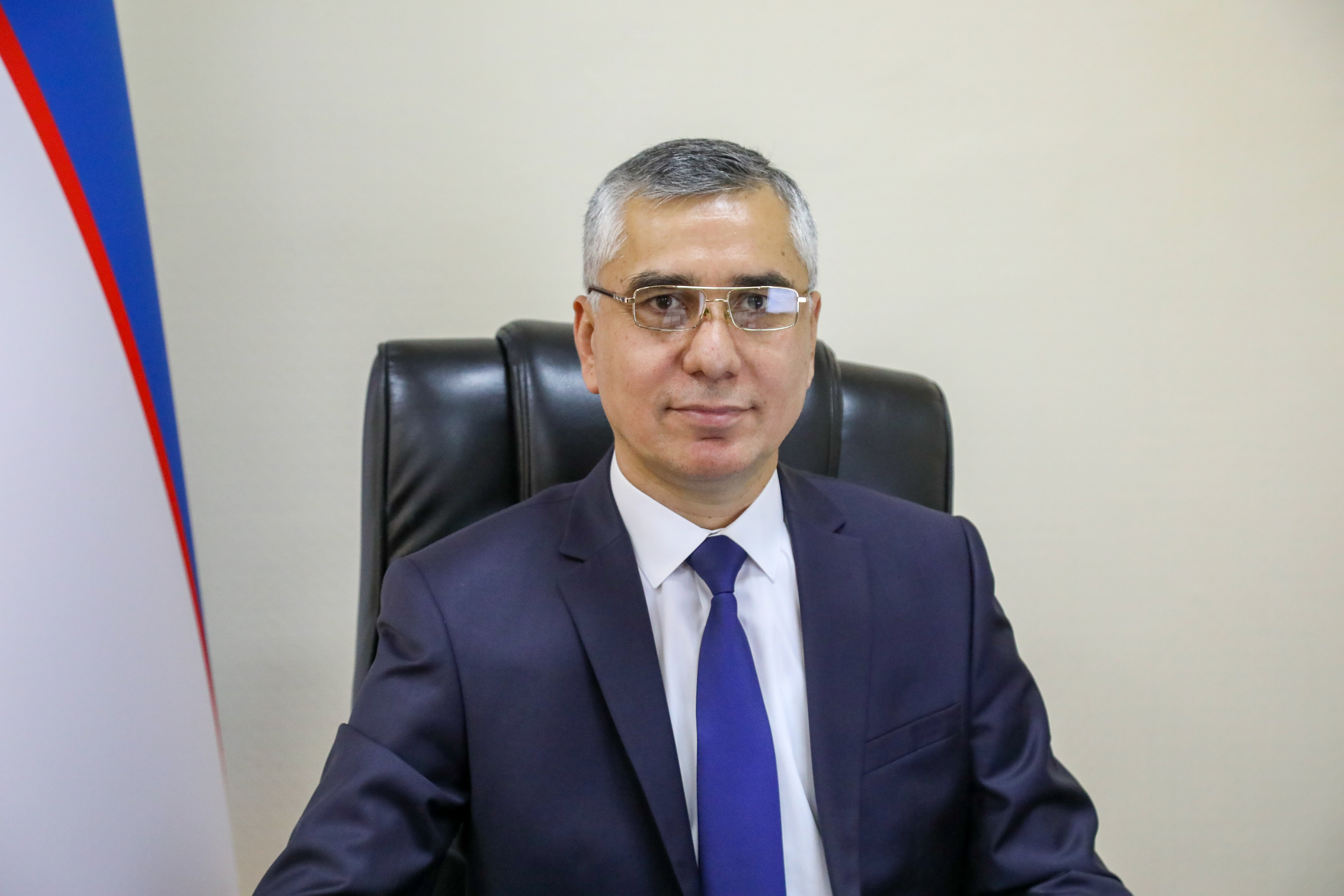
Azamat Bobokulovich Toshev - Head of Department, International Institute for Central Asia