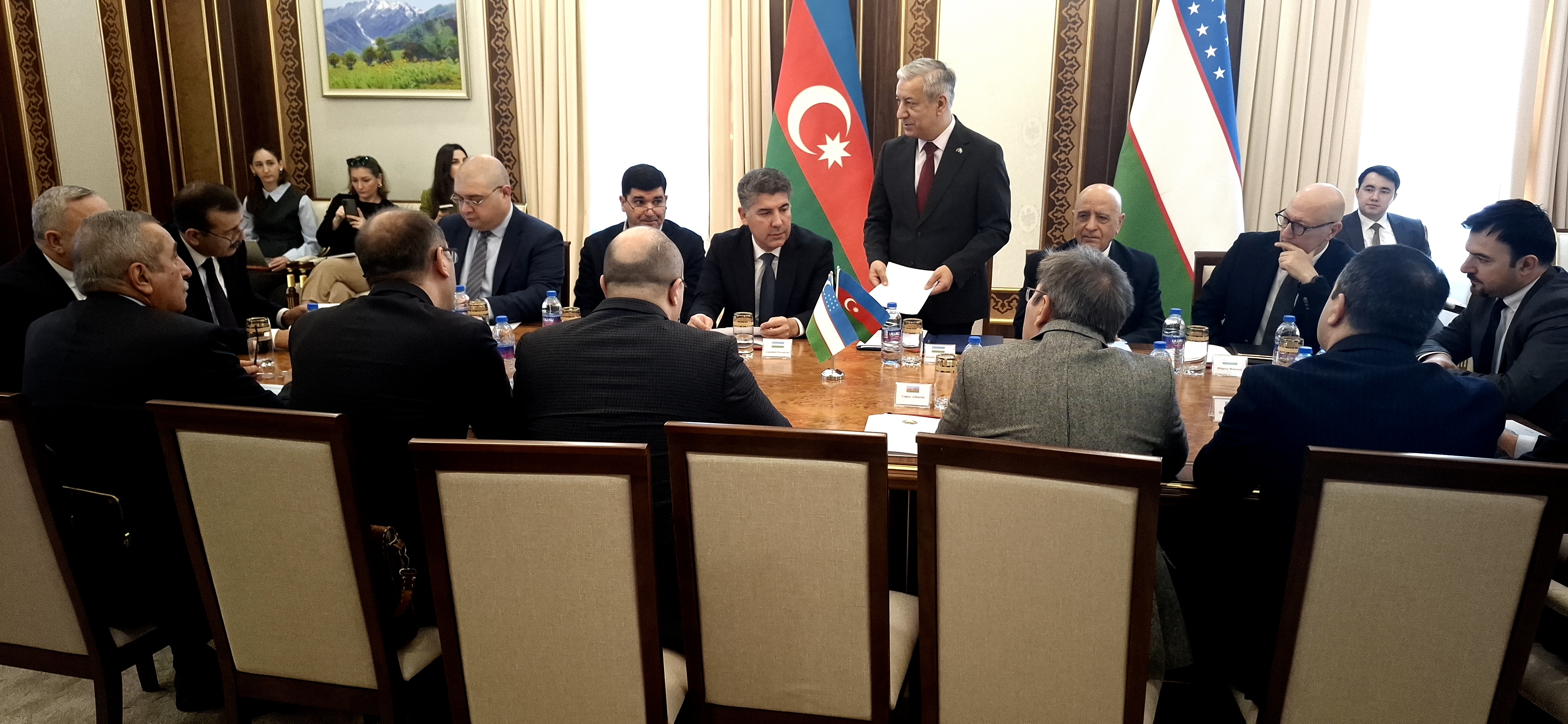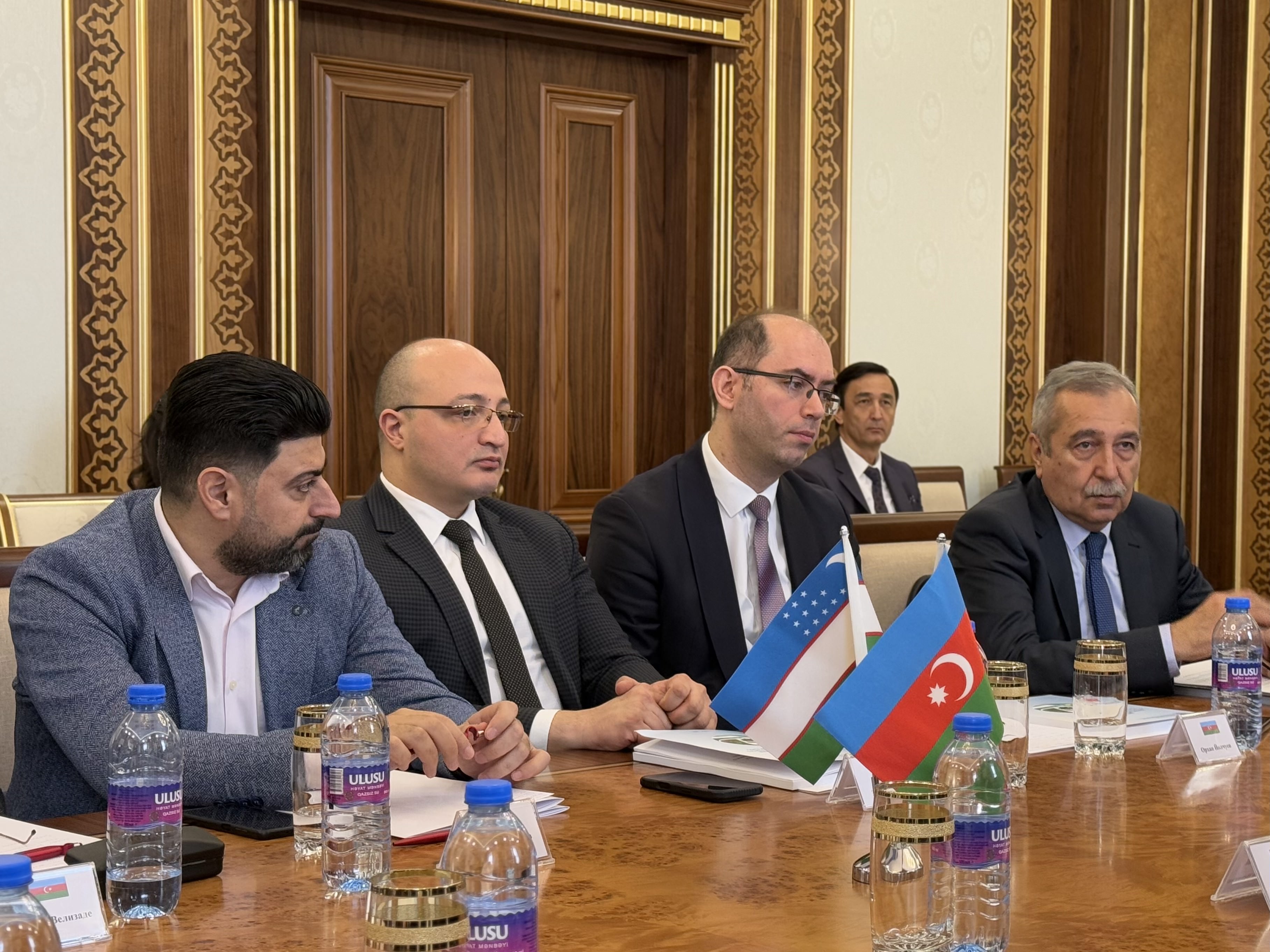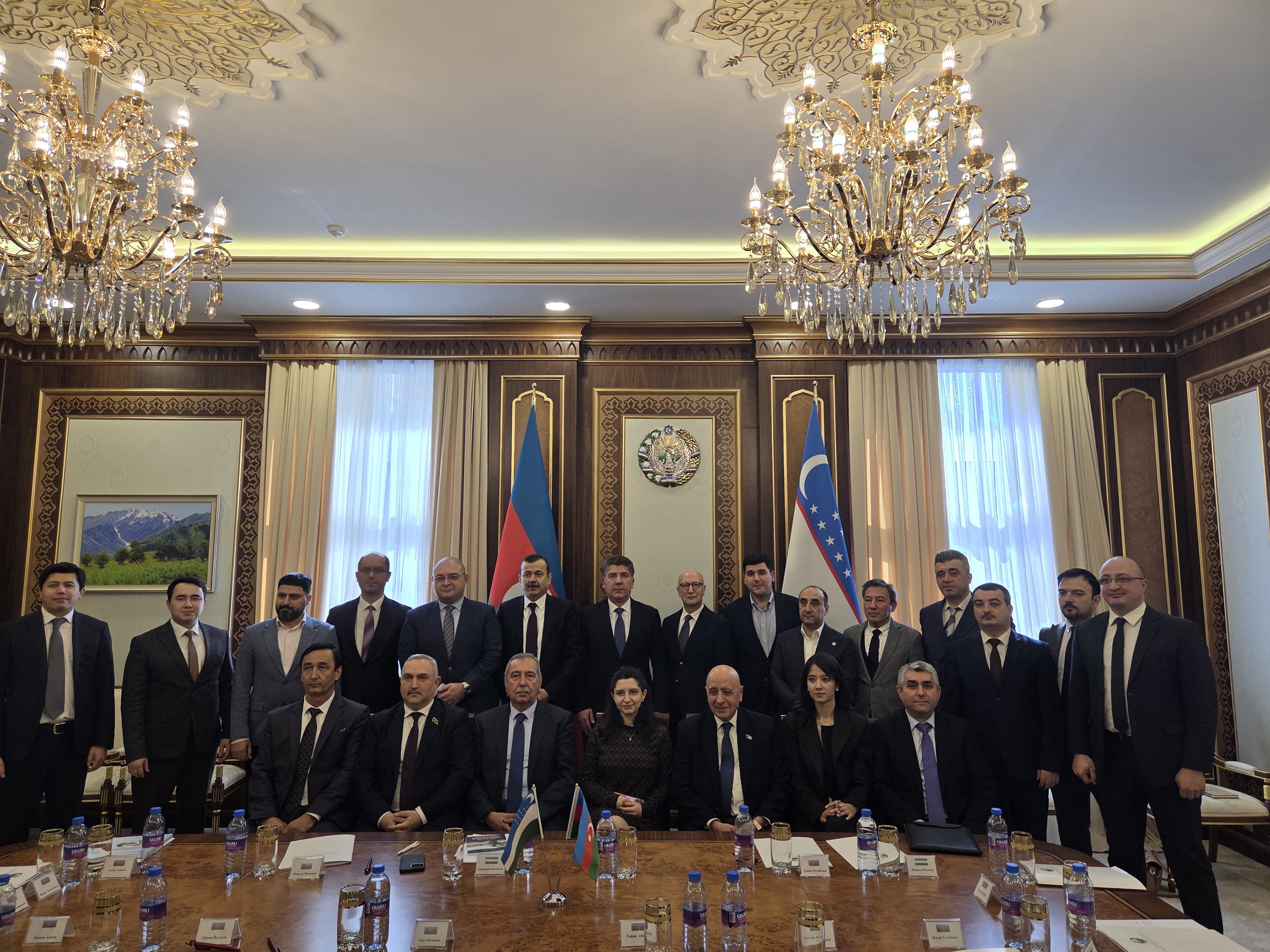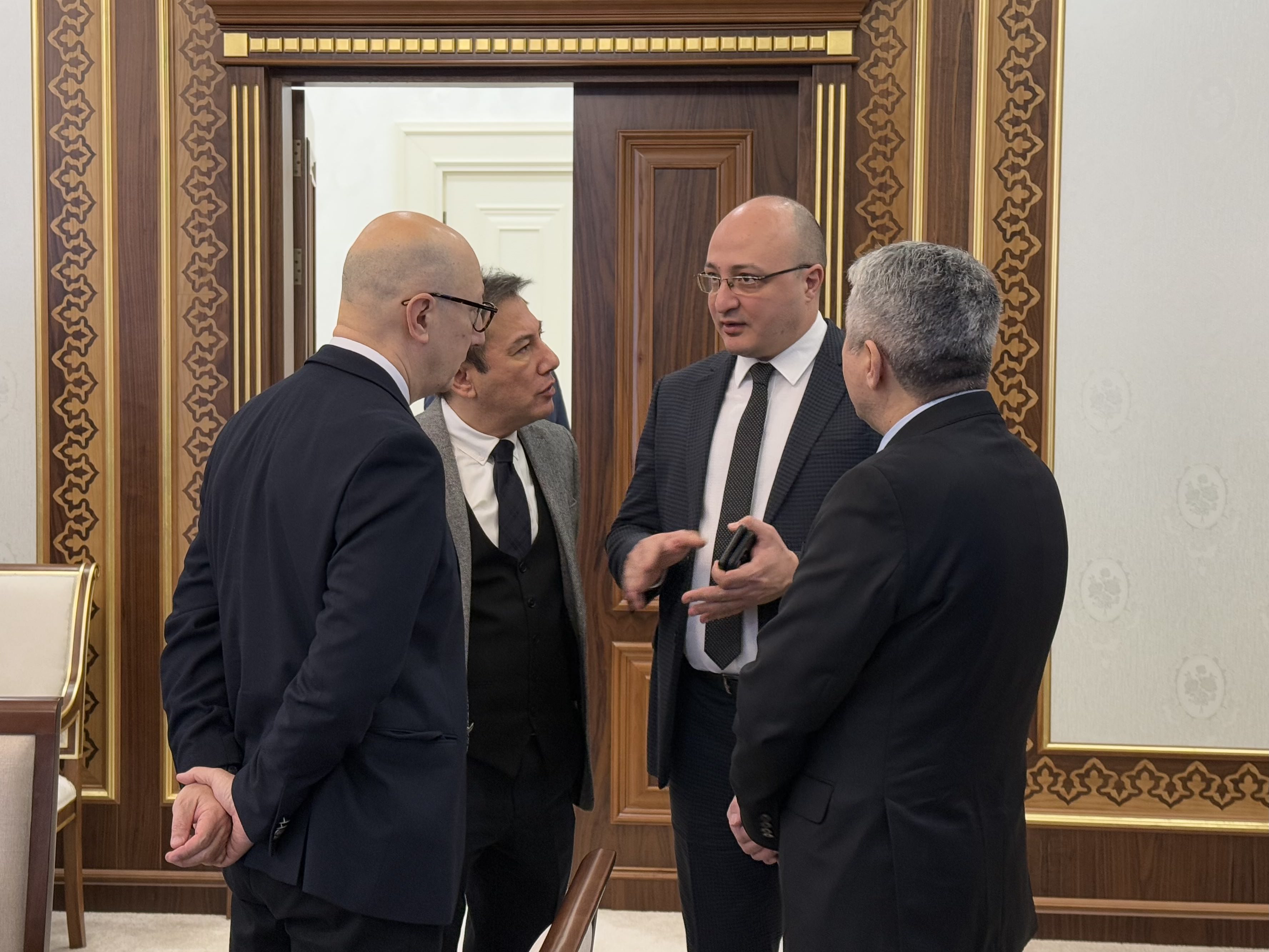
Experts from leading think tanks and research institutions of Uzbekistan and Azerbaijan took part in the discussion. The Uzbek side was represented by the leadership of the International Institute for Central Asia (IICA) and the Institute for Strategic and Interregional Studies under the President of the Republic of Uzbekistan (ISRS).
Participants discussed the current state of Uzbek-Azerbaijani relations and priority areas of cooperation, including the economy, investment, transport, energy, education, science, culture, and digital transformation. Special attention was paid to Azerbaijan's accession to the format of Consultative Meetings of the Heads of State of Central Asia (CMHSCA) and Baku's role in strengthening interconnectivity between Central Asia and the South Caucasus.
Deputy Director of IICA Sherzod Fayziev emphasized that relations between Uzbekistan and Azerbaijan are demonstrating steady growth. This positive dynamic encompasses the entire spectrum of cooperation: intensive political dialogue, the strengthening of trade and economic ties, as well as deepening of humanitarian and expert interaction.
The IICA representative noted that the growing intensity of cooperation between the two states requires the active involvement of the expert community in providing analytical support for high-level meetings, including in multilateral platforms such as the Organization of Turkic States and the CMHSCA.
In turn, Uzbekistan's Ambassador to Azerbaijan Bahrom Ashrafkhanov stressed that the high dynamics of bilateral interaction between Uzbekistan and Azerbaijan have become possible thanks to the active and trusting dialogue at the highest level between President Shavkat Mirziyoyev and President Ilham Aliyev.
According to the ambassador, to date, 13 cities in Azerbaijan and Uzbekistan have signed cooperation agreements and established sister-city relations. Meetings of the Intergovernmental Commission, the Business Council, and the Interstate Council are held on a regular basis.
First Deputy Director of ISRS Akram Nematov noted that since 2017 there has been a fundamental transition from a strategic partnership to a full-fledged alliance. “A key milestone was the signing of the Treaty on Allied Relations in 2024, which cemented the convergence of our long-term interests, mutual support on key international issues, and readiness to coordinate policies in the areas of security, economy, and sustainable development,” the expert explained.
In turn, Azerbaijani experts unanimously agreed that since Azerbaijan joined the CMHSCA, the country has become an important gateway to Europe for Central Asia and has also strengthened its own ties with the states of region.
In order to unlock the scientific potential of the two countries, Milli Majlis deputy Rasim Musabekov drew attention to the need to intensify joint scientific research and stressed the importance of establishing systematic cooperation between the Agency for Innovative Development under the Ministry of Higher Education, Science and Innovation of the Republic of Uzbekistan and the Azerbaijan Science Foundation.
According to Ilgar Velizade, head of the South Caucasus Political Scientists Club, there is a steady interest in Uzbek cultural content in Azerbaijan, which is popular with a wide audience. The need to systematize cultural exchange was emphasized, which will allow the societies of the two countries to better understand the socio-cultural processes taking place.
In conclusion, the participants noted that Uzbek-Azerbaijani relations are characterized by sustained positive dynamics and have significant potential for further deepening the alliance partnership. The importance of the consistent development of expert dialogue and the implementation of joint initiatives aimed at strengthening regional cooperation within the framework of the CMHSCA was emphasized.