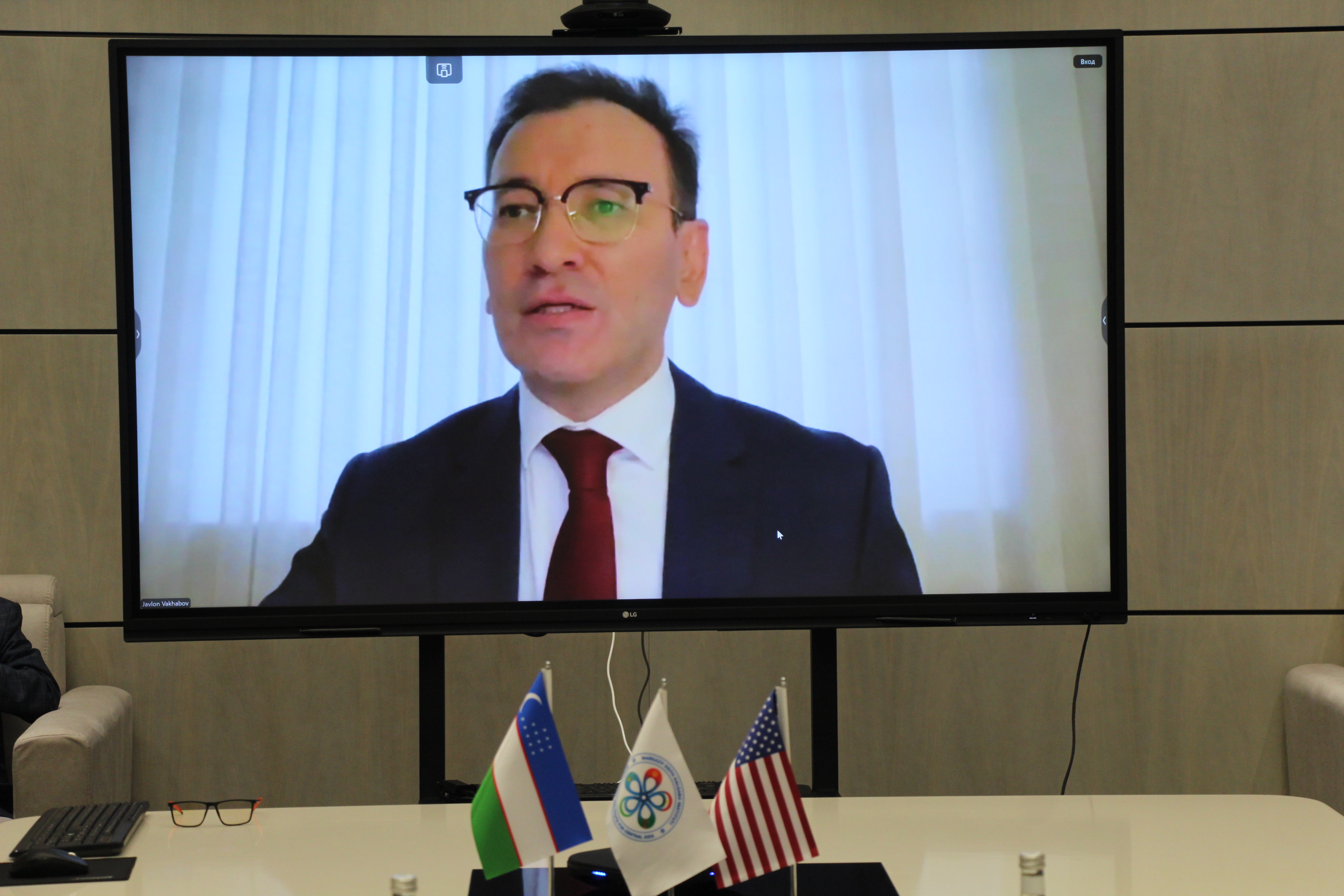
The discussion featured Richard Hoagland, former U.S. Ambassador to Tajikistan and Kazakhstan and a board member of the Caspian Policy Center; Javlon Vakhabov, Director of the International Institute for Central Asia (IICA); Yerkin Tukumov, Director of the Kazakhstan Institute for Strategic Studies; Farid Shafiyev, Chairman of the Azerbaijan Center for the Analysis of International Relations; and Eric Rudenshöld, Senior Fellow at the Caspian Policy Center and former Director for Central Asia at the U.S. National Security Council.
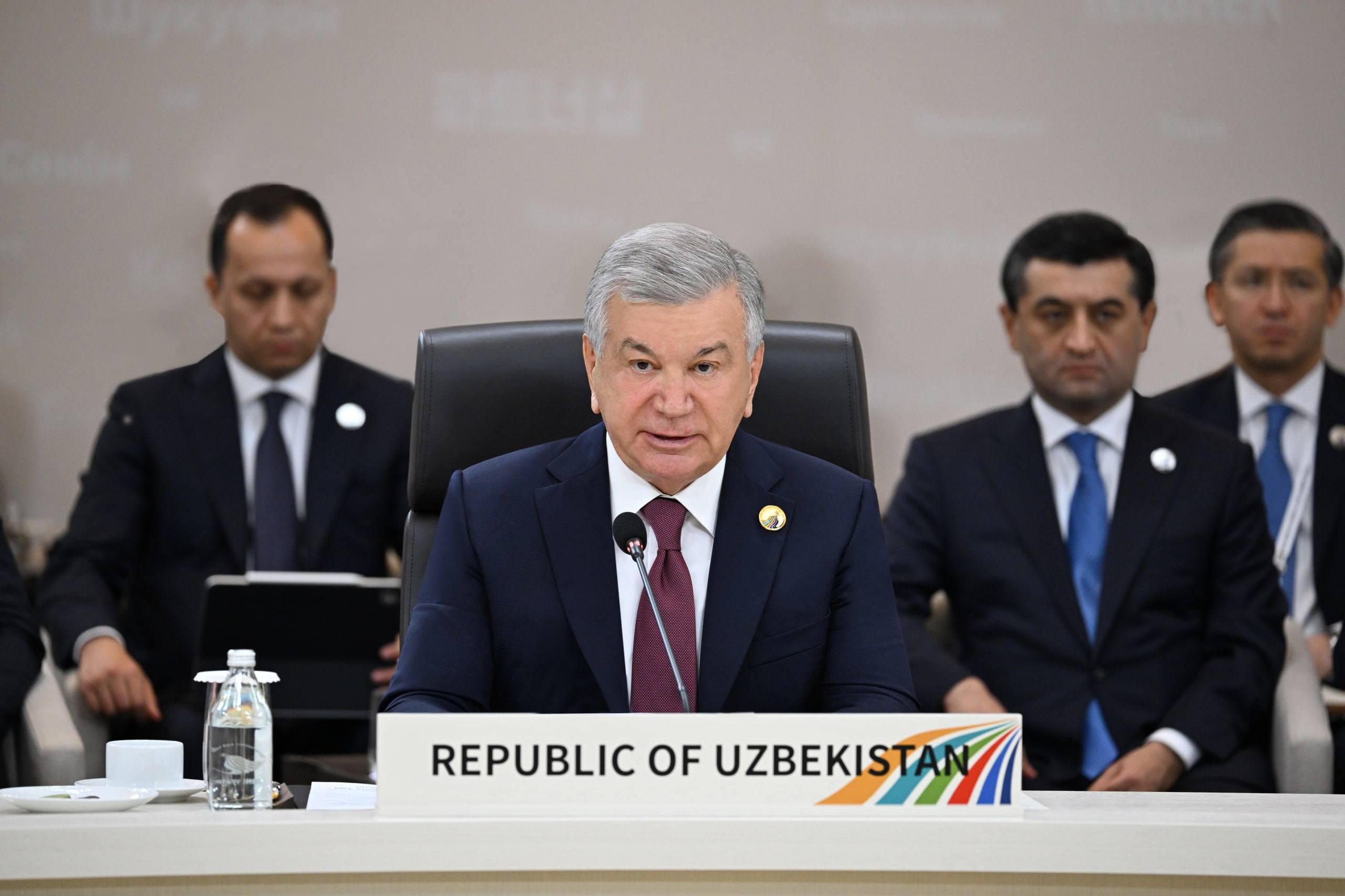
Participants of the webinar noted significant progress in advancing regional cooperation in Central Asia, as well as Azerbaijan's successful development of relations with the region, particularly in the context of President Ilham Aliyev's participation in consultative meetings of the Central Asian heads of state in Dushanbe and Astana. The current positive dynamics of cooperation among Central Asian countries were linked to the proactive regional policy of President Shavkat Mirziyoyev of Uzbekistan.
In his remarks, Javlon Vakhabov highlighted the key outcomes of the Astana Summit of Central Asian heads of state and emphasized the need for further development of integration processes in the region. Particular attention was given to the prospects for expanding and deepening ties between the countries in the fields of trade and investment, industrial cooperation, energy, and transport communications. Among the top priorities identified were the tasks of creating a Unified Regional Market, restoring the United Energy Ring of Central Asia, and constructing the "China-Kyrgyzstan-Uzbekistan" railway.
The webinar participants were also informed about the measures taken by the Uzbek government to expand trade and economic relations with Afghanistan. In particular, it was noted that the opening of the "Termez" International Trade Center, designed to facilitate cross-border trade and provide convenience for entrepreneurs, would significantly expand Afghanistan's trade relations with Central and South Asia, as well as the South Caucasus, and initiate major joint projects in the region.
Addressing the prospects of relations with the Caspian region, experts highlighted the need to strengthen ties between our region and Azerbaijan, which serves as a vital strategic route toward Europe. Additionally, as mentioned during the webinar, Azerbaijan is currently expanding cooperation with Central Asian countries in areas such as renewable energy, transport and logistics, and industrial cooperation.
In conclusion, the speakers emphasized that the current pace should not slow down, and the level of exchange and dialogue should not decrease. The experts expressed confidence that the continued high dynamics of relations between Central Asia and the South Caucasus, as well as the regular communication between the leaders of the two regions, would begin to bear fruit in the near future.
The full webinar can be viewed on the official YouTube channel of the Caspian Policy Center.