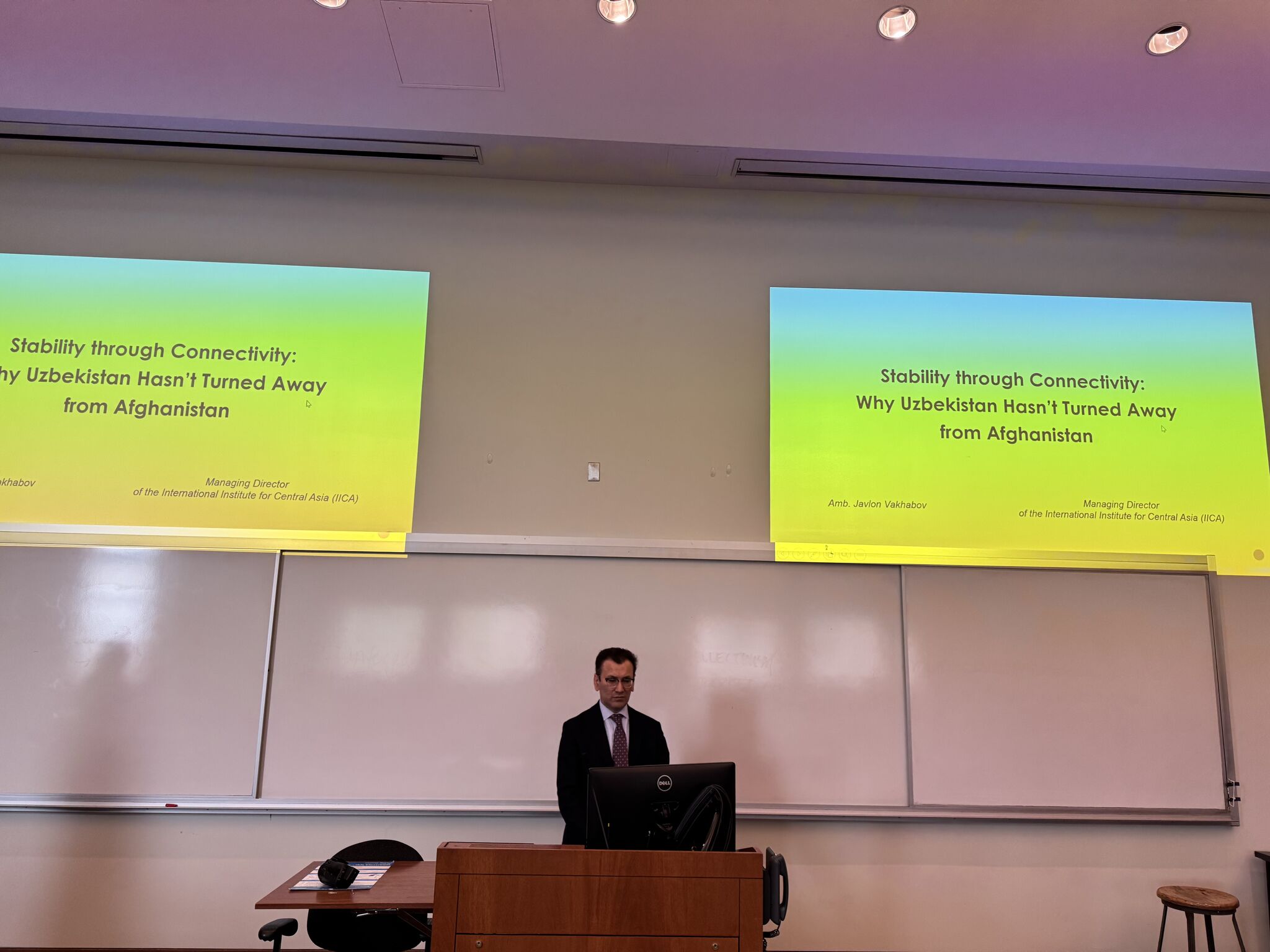
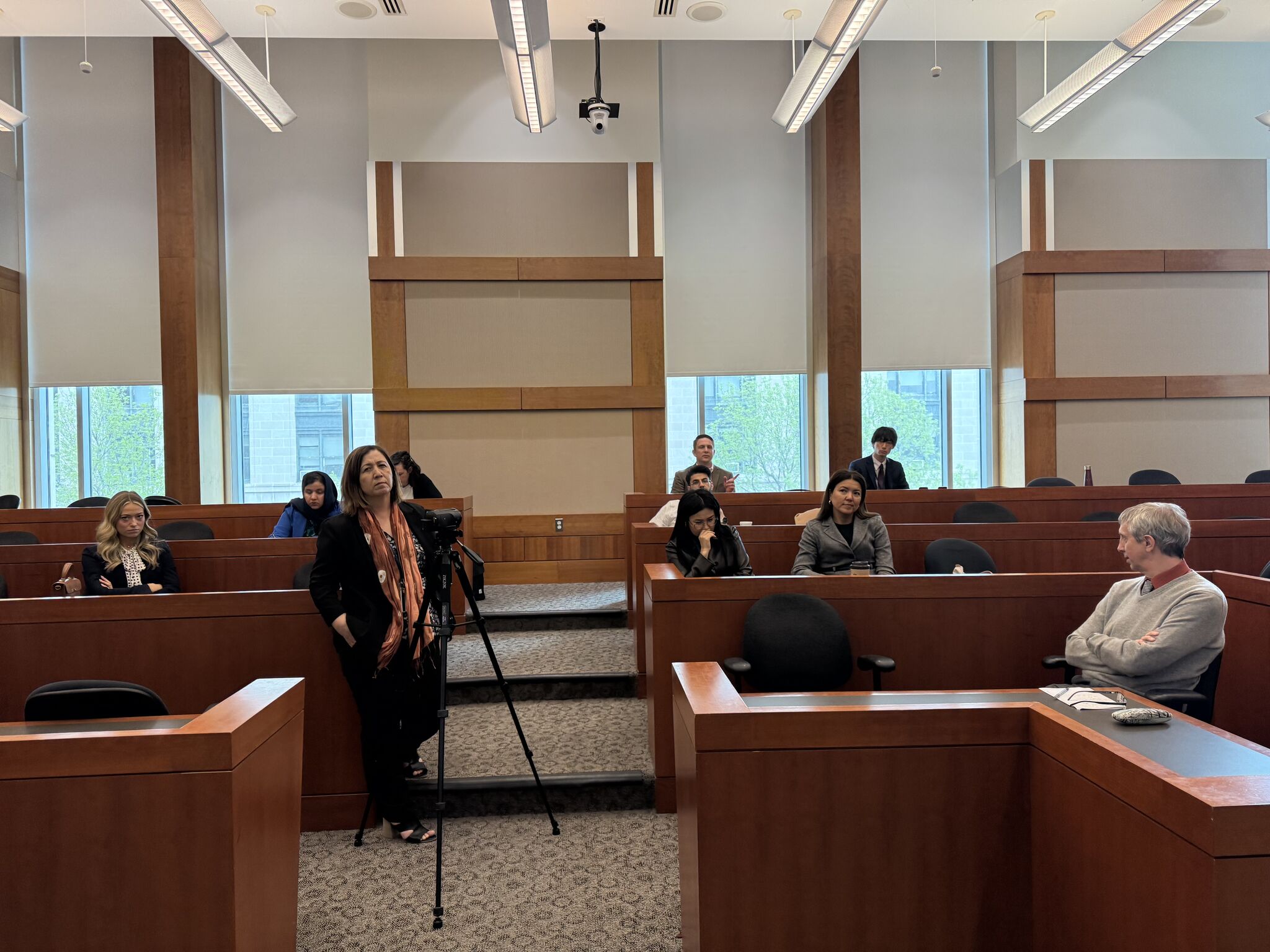
During the session, Javlon Vakhabov, Director of the International Institute for Central Asia (IICA), presented Uzbekistan’s approach to Afghanistan, grounded in the principles of pragmatic engagement, human-centered development, and transnational infrastructure integration. He emphasized that Uzbekistan views Afghanistan not as a separate geopolitical challenge, but as an integral part of its neighborhood and its future.
Participants discussed critical infrastructure projects such as the Trans-Afghan Railway, the Surkhan–Puli-Khumri power transmission line, and the TAPI gas pipeline—initiatives seen as vital to enhancing Afghanistan’s economic resilience and embedding it more deeply within regional and global economic frameworks.
Special attention was given to Uzbekistan’s ongoing humanitarian and educational assistance to Afghanistan. This includes regular delivery of humanitarian aid as well as initiatives aimed at expanding trade, education, and social reintegration. Notably, in 2024, a Free Economic Zone was launched in Termez, which has already welcomed tens of thousands of visitors, including Afghan nationals.
In closing, participants underlined that Uzbekistan’s strategy of engaging Afghanistan through connectivity could serve as a model for promoting lasting peace and development across the region. The event concluded with a shared commitment to continue the dialogue and deepen cooperation in this critical area.