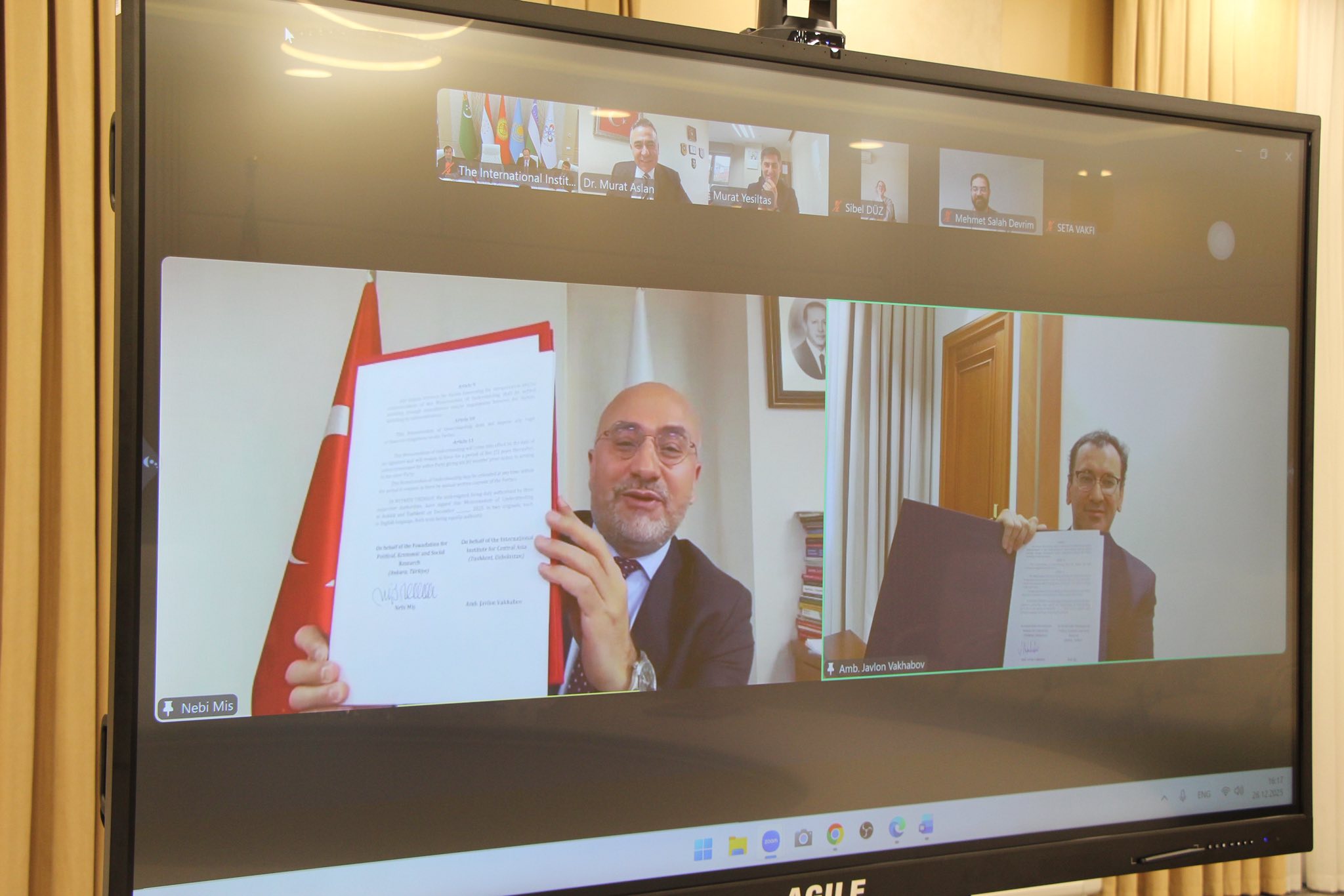
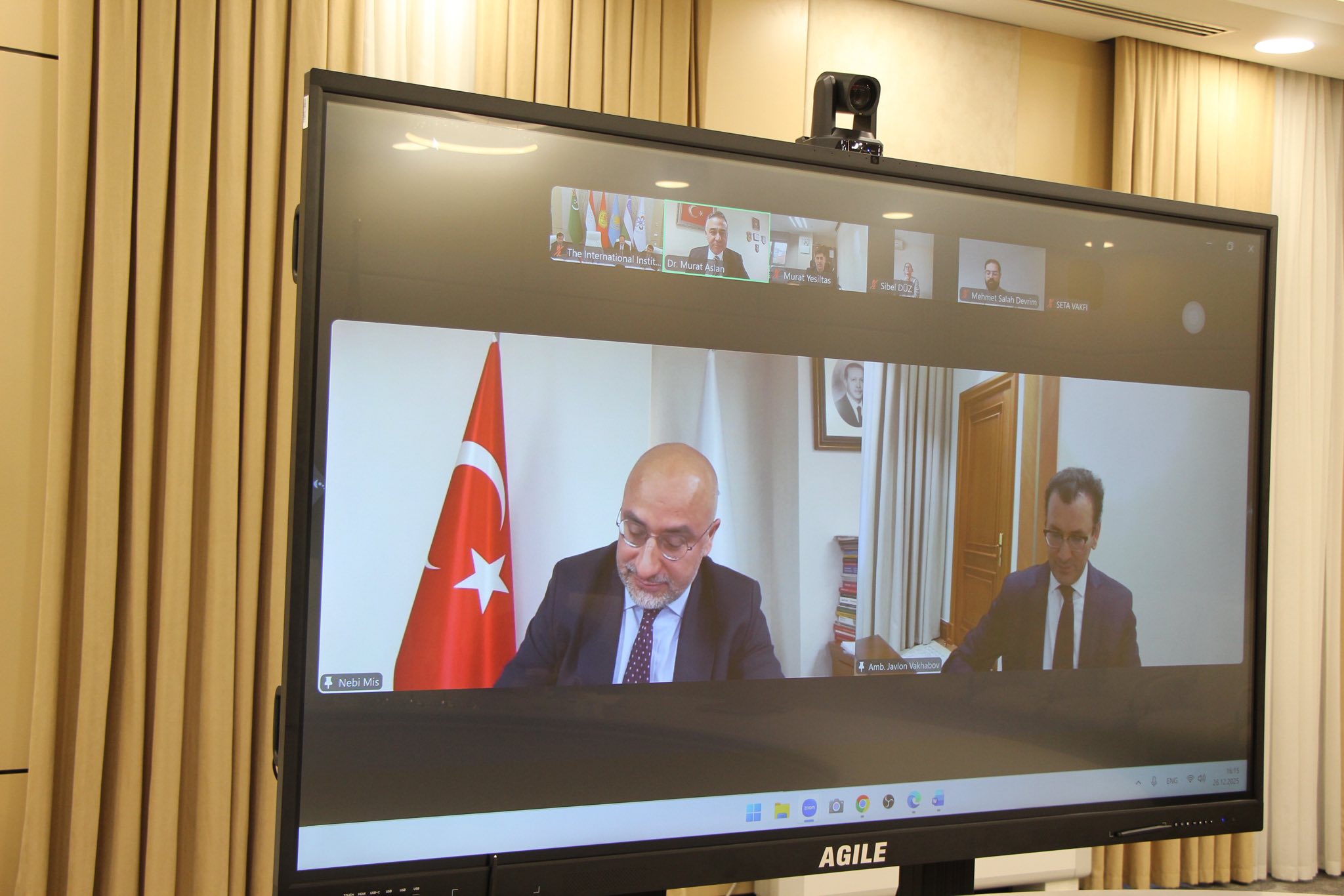
In his opening remarks, Mr. Vakhabov highlighted the positive trend in Uzbek-Turkish relations and the growing importance of multilateral regional cooperation. He emphasized that these platforms offer additional opportunities to enhance coordination between Central Asia and its neighboring regions.
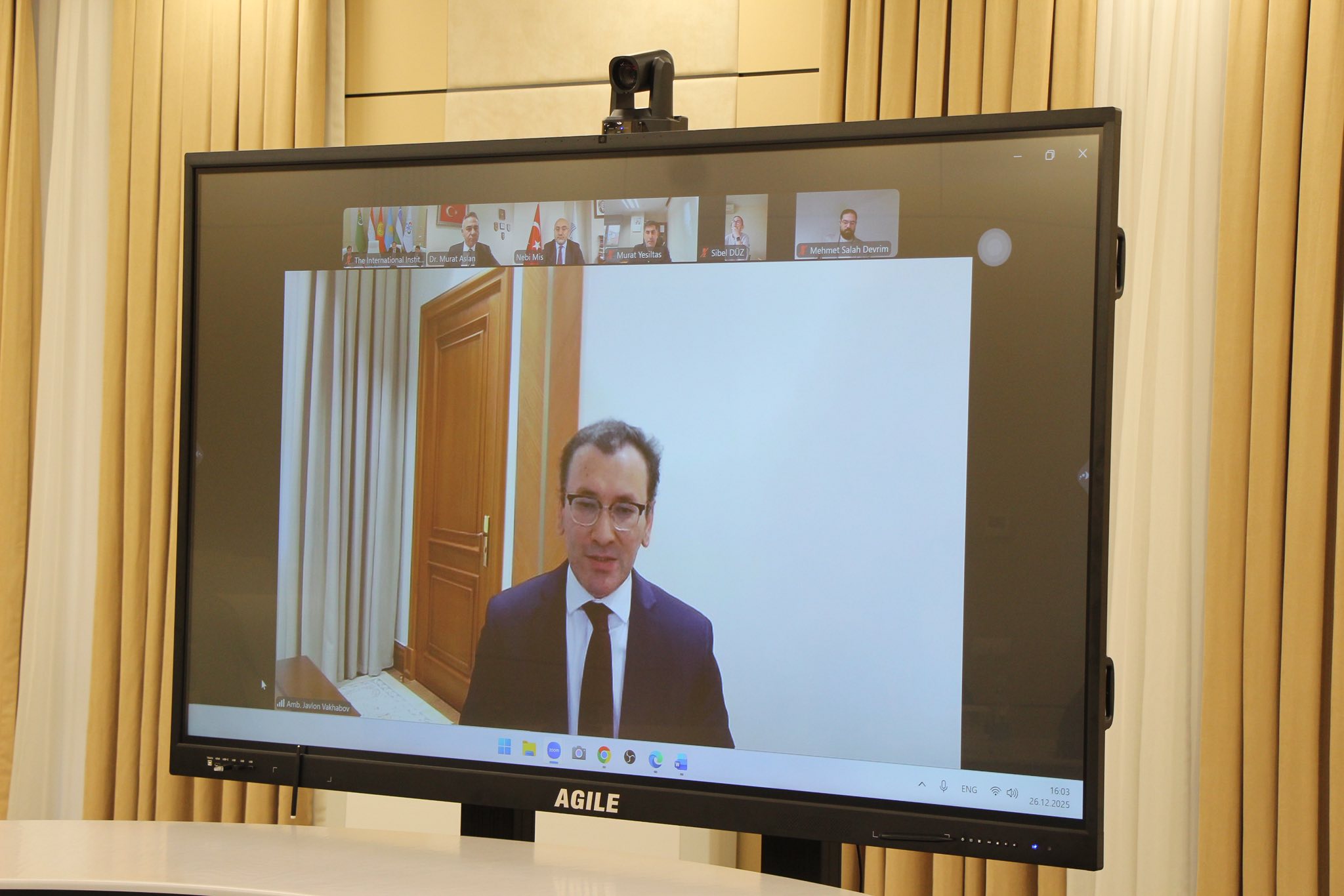
Mr. Miş, for his part, highlighted the steady and stable development of bilateral ties between Turkey and Uzbekistan, underscoring their shared historical, cultural, and civilizational heritage. He emphasized the importance of continuing to strengthen both bilateral and multilateral collaboration.
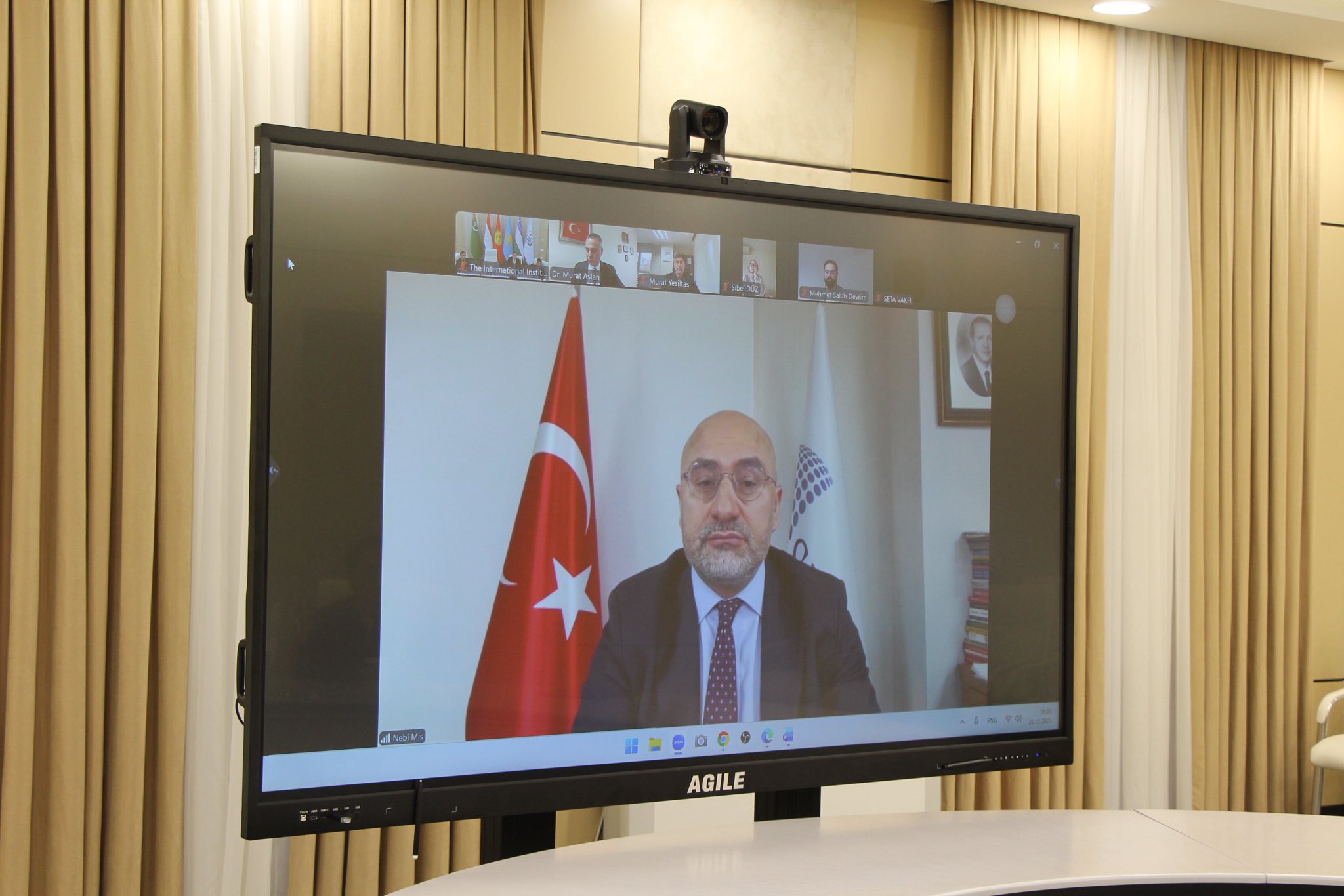
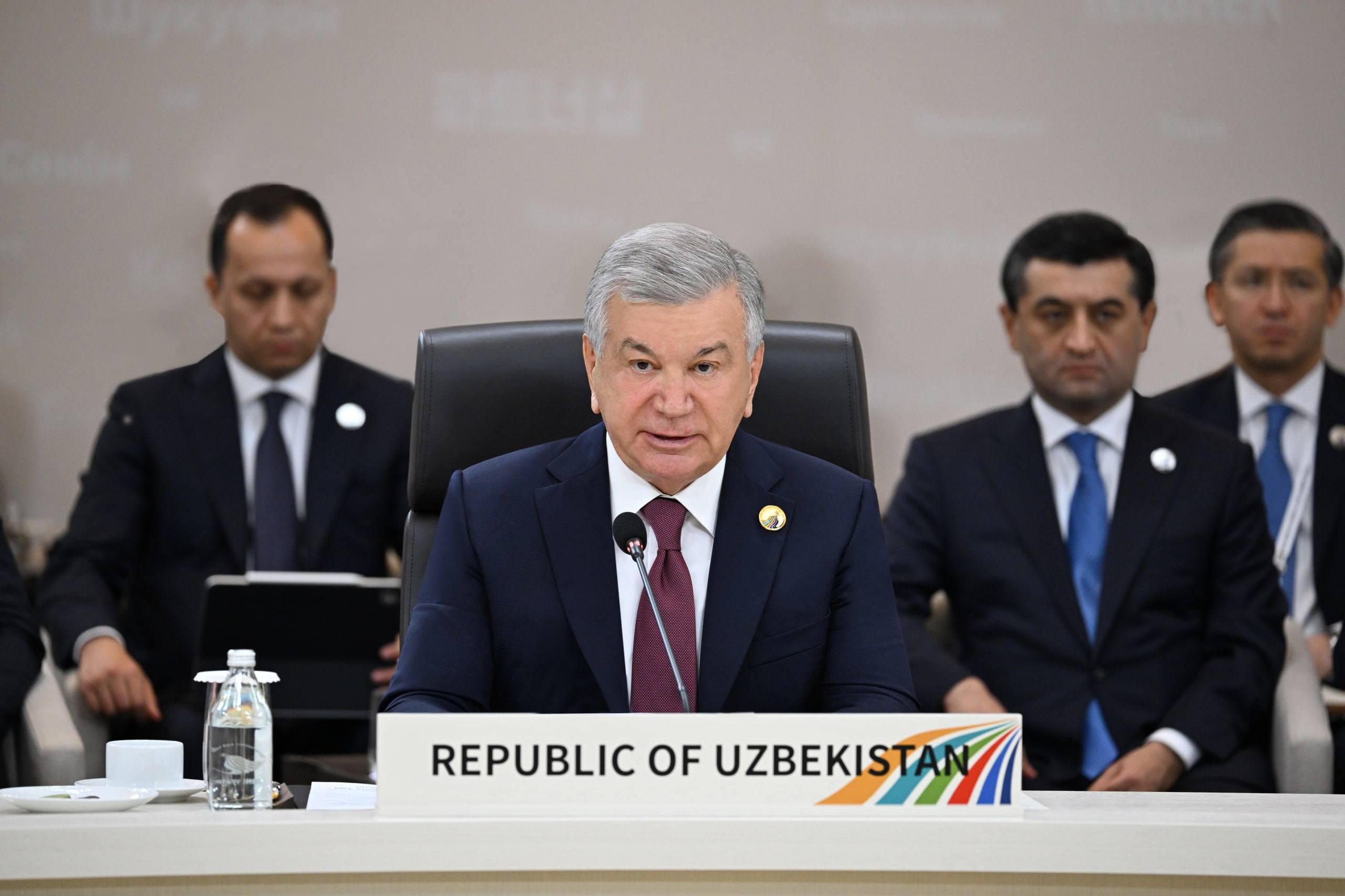
It was noted that the foreign policy of Uzbekistan, under the leadership of the President of the Republic of Uzbekistan Shavkat Mirziyoyev, based on the principles of good neighborliness and regional cooperation. This has contributed to creating a more stable and favorable environment in Central Asia, which has in turn created favorable conditions for the development of interregional relations.
The meeting of the leaders of Uzbekistan and Turkey in Ankara (2024) and the 12th Summit of the Turkic states (2025), were highlighted as examples of the strengthening of bilateral strategic cooperation among the countries of the Turkic world.
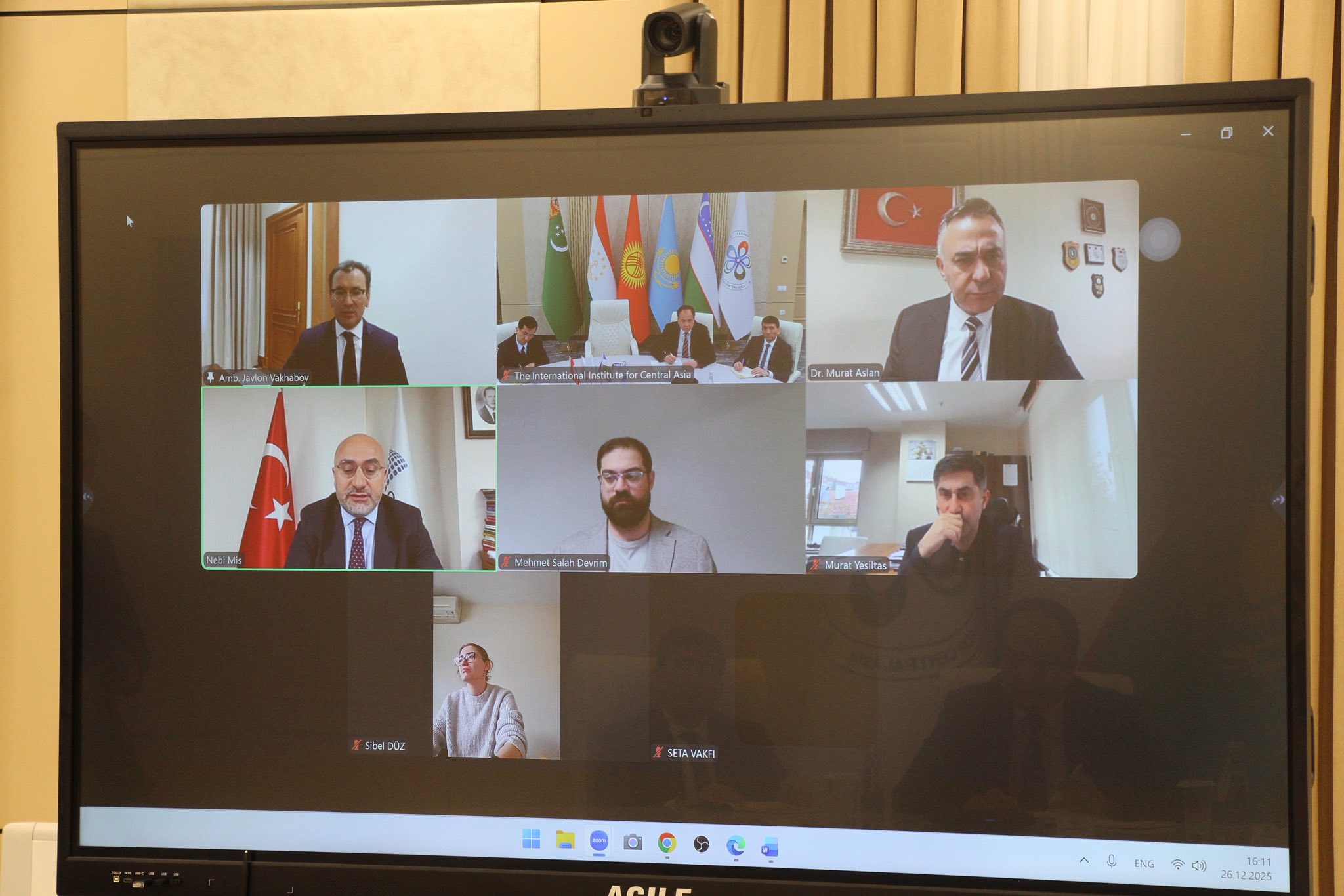
Special attention was also paid to the Seventh Consultative Meeting of the Heads of State of Central Asia, which took place in Tashkent in 2025, as well as Azerbaijan's accession to this process. These events were seen as significant opportunities for expanding economic cooperation and interregional interaction between Central Asia and the South Caucasus, including through the Organization of Turkic States.
During the meeting, special emphasis was placed on establishing sustainable and structured mechanisms for professional cooperation between analytical and research institutions on both sides.
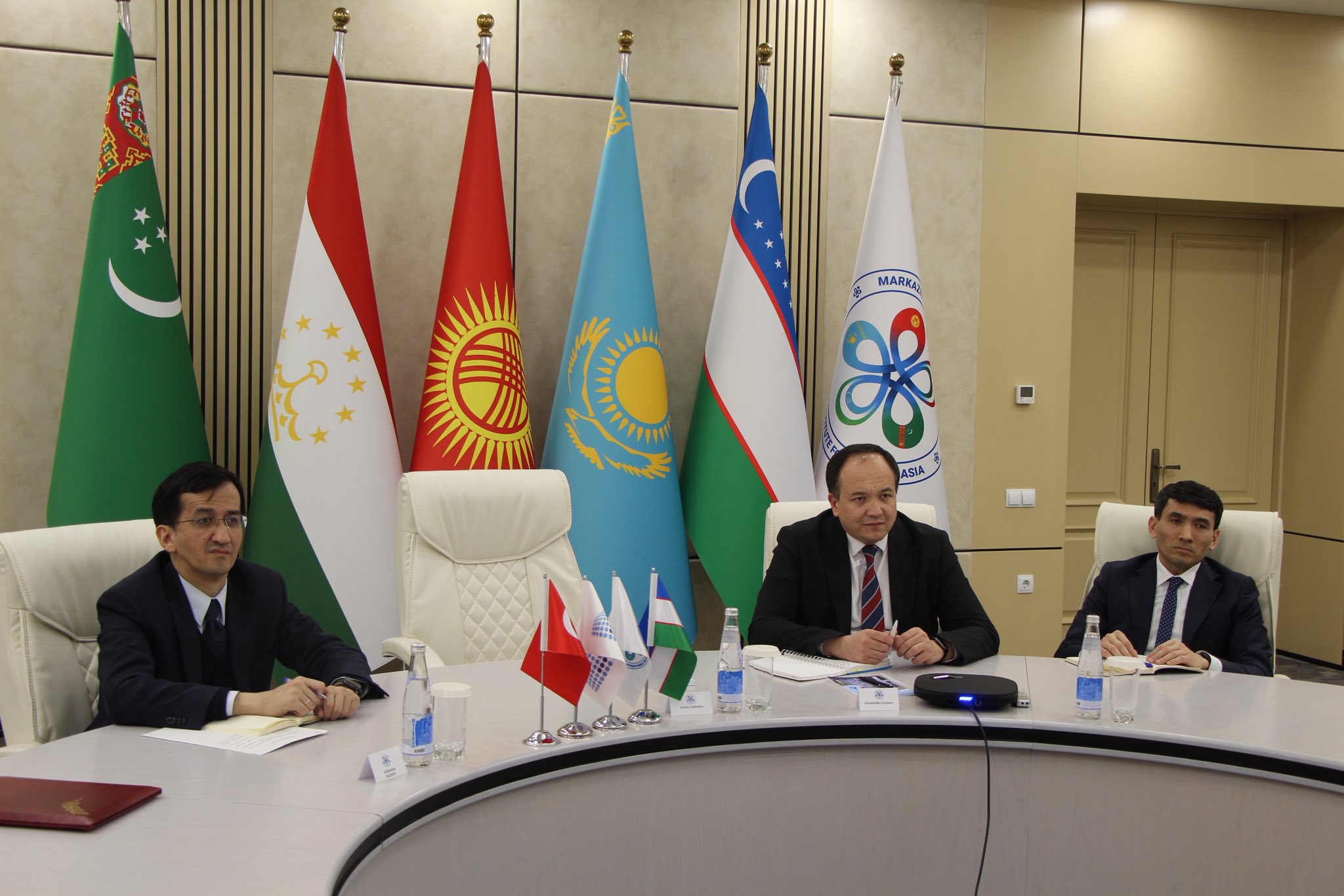
Possible areas of cooperation included joint development of research agendas, coordination of academic events, mutual participation of specialists in research projects, and preparation of joint publications on interstate, economic, and cultural cooperation issues.
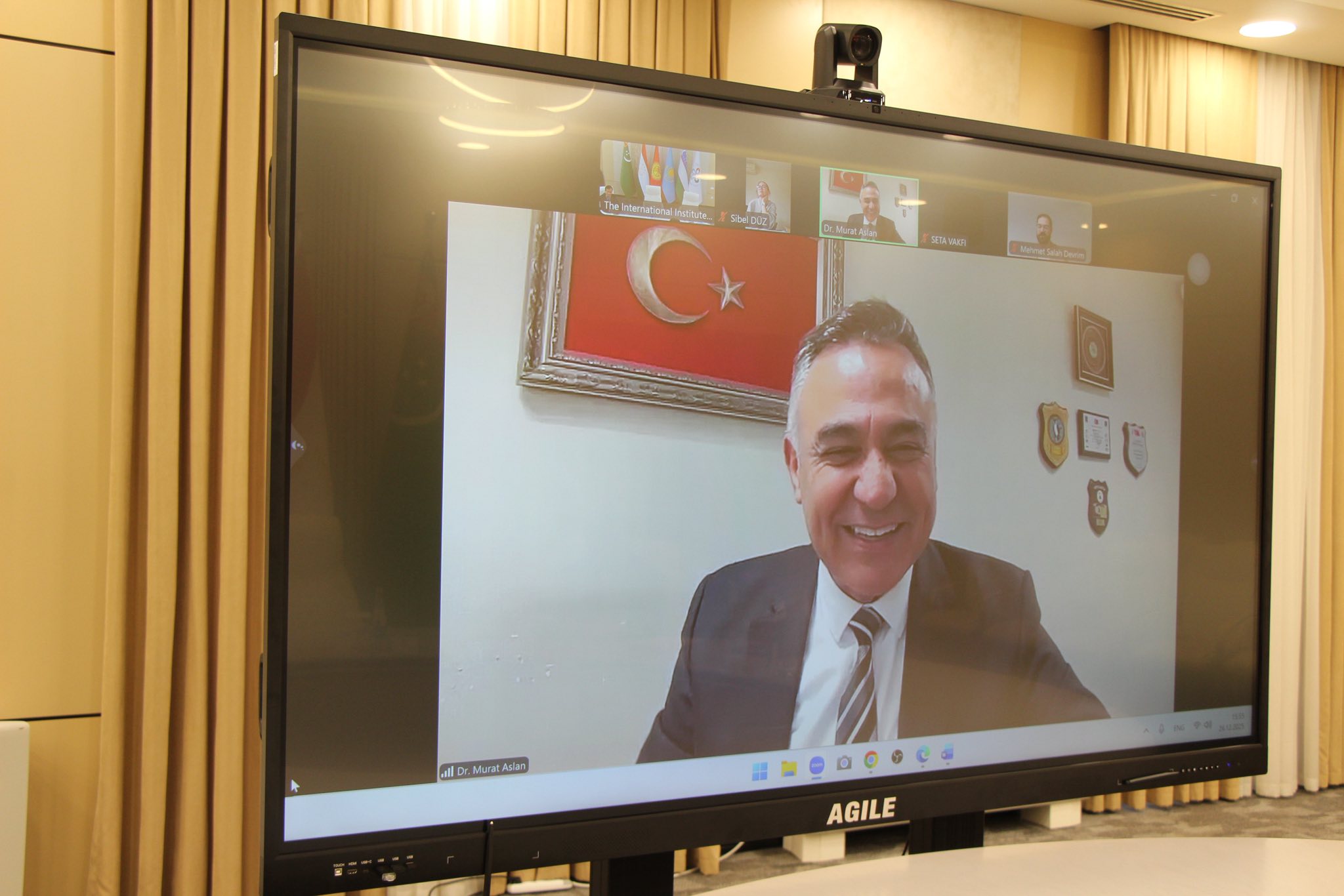
Following the meeting, the IICA and the SETA Foundation signed a Memorandum of Understanding, which provides for the institutionalization of expert and academic cooperation and the establishment of a solid basis for long-term collaboration.
The SETA Foundation was founded in 2006 and is one of Turkey's leading research institutions. It specializes in the analysis of political, economic, and social processes and serves as an intellectual platform for researchers, experts, and practitioners to conduct in-depth examinations of key international and regional issues. The think tank also publishes its highly respected analytical journal Insight Turkey.