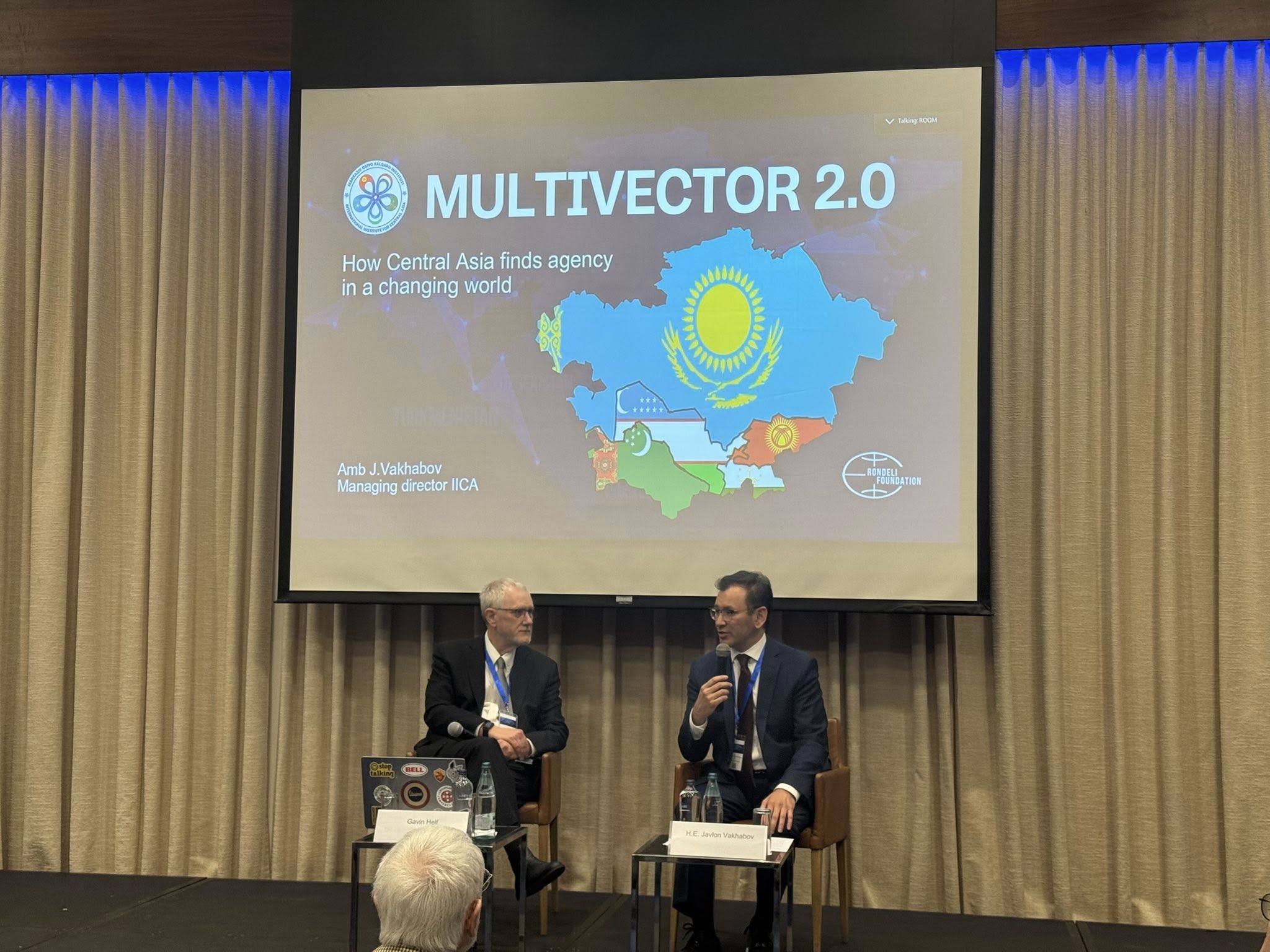
The conference centered on current challenges and threats to international and regional security, with a special focus on the South Caucasus and Central Asia, as well as practical solutions in today’s rapidly changing geopolitical environment.
During his remarks, IICA Director Javlon Vakhabov stressed that, amid global instability and a shifting world order, Central Asia has consistently pursued a multi-vector foreign policy—engaging in constructive, pragmatic dialogue with leading global and regional players. As he noted, countries in the region continue to maintain close economic and humanitarian ties with Russia, while also actively developing cooperation with China (now their main trading partner), the United States, the European Union, the Gulf Cooperation Council, Turkey, Iran, India, and Pakistan.
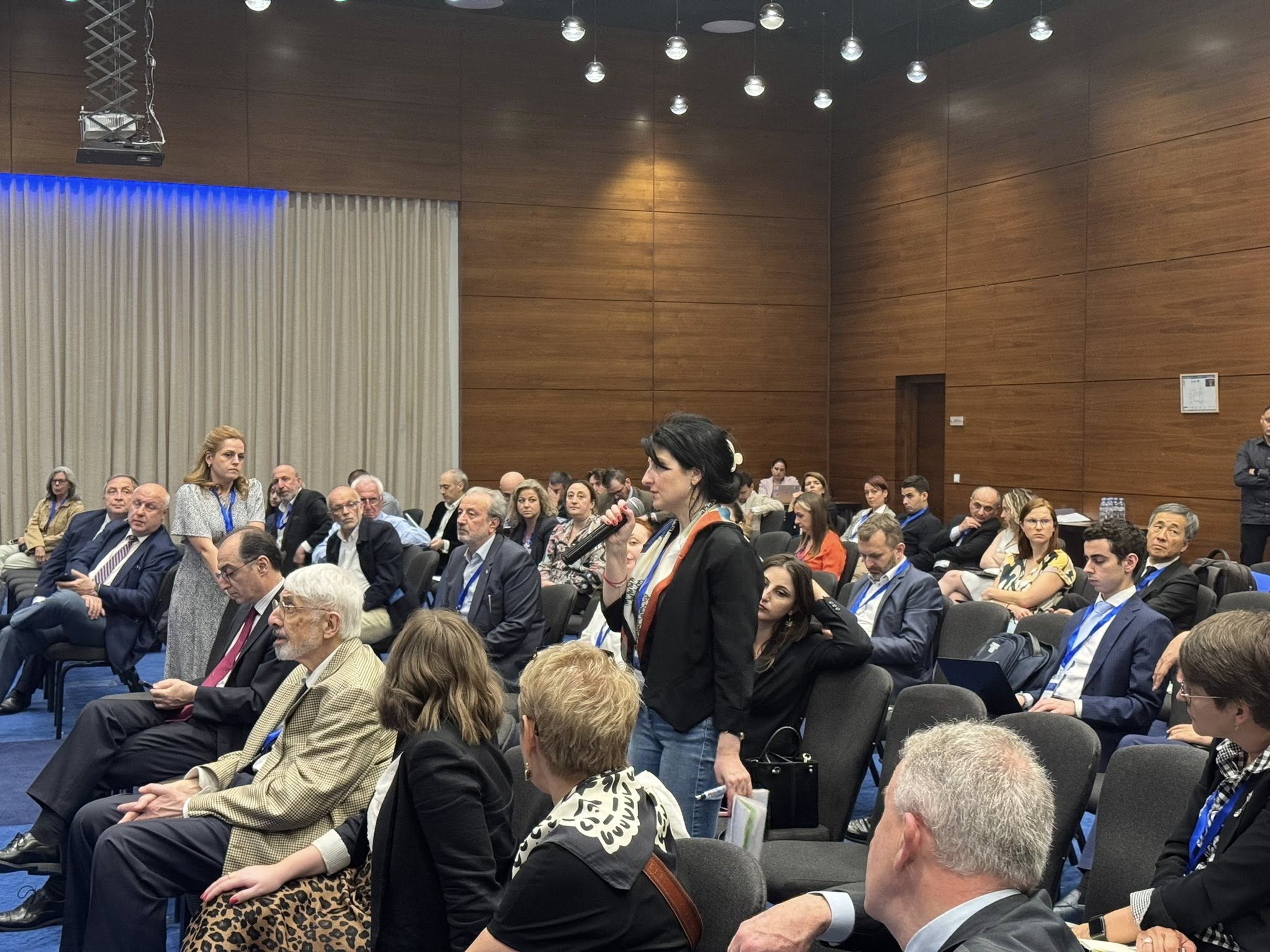
Javlon Vakhabov paid special attention to Iran’s critical role as a transit partner, offering Central Asian countries access to global markets via the ports of Bandar Abbas and Chabahar. However, he noted that heightened tensions around Iran’s nuclear program and ongoing instability in the Middle East could complicate joint logistics projects, drive up transportation costs, and slow trade growth. As noted, trade between Uzbekistan and Iran alone reached $500 million in 2024.
The IICA Director also highlighted Central Asia’s emergence as a logistics hub in Eurasia. With traditional transport routes facing uncertainty, the significance of the Middle Corridor has increased dramatically. Javlon Vakhabov pointed out that Central Asia is playing an ever-greater role thanks to investments in infrastructure upgrades, digitalization of customs, and the creation of new logistics centers—especially in Kazakhstan and Uzbekistan. In 2024 alone, cargo volume along this route rose by 63%, and transit times fell to just 10–15 days.
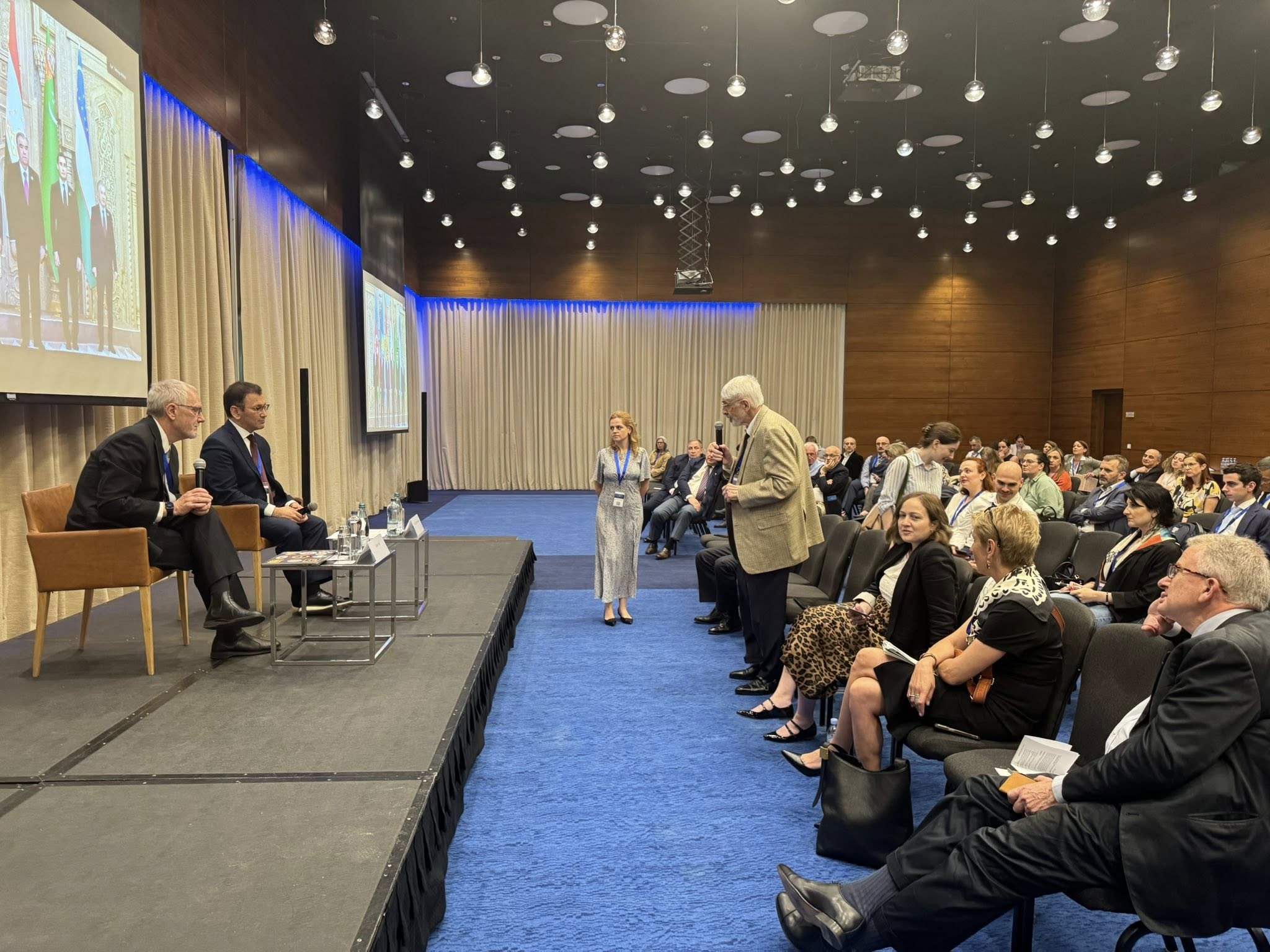
He further emphasized that deepening partnerships with the South Caucasus and Turkey, along with strategic infrastructure projects like the China–Kyrgyzstan–Uzbekistan railway and investment in Georgian ports, are transforming the Middle Corridor into a reliable global trade route. Enhanced support from the EU, China, and international financial institutions is accelerating development, opening new opportunities for exports, investment, and economic growth.
Despite this progress, Javlon Vakhabov noted that a number of obstacles still prevent Central Asia from fully realizing its transit potential. These include the high costs of new infrastructure projects and limited financial resources, insufficient modernization and digitalization of current infrastructure, the absence of unified border-crossing rules and procedures, and weak regional coordination.
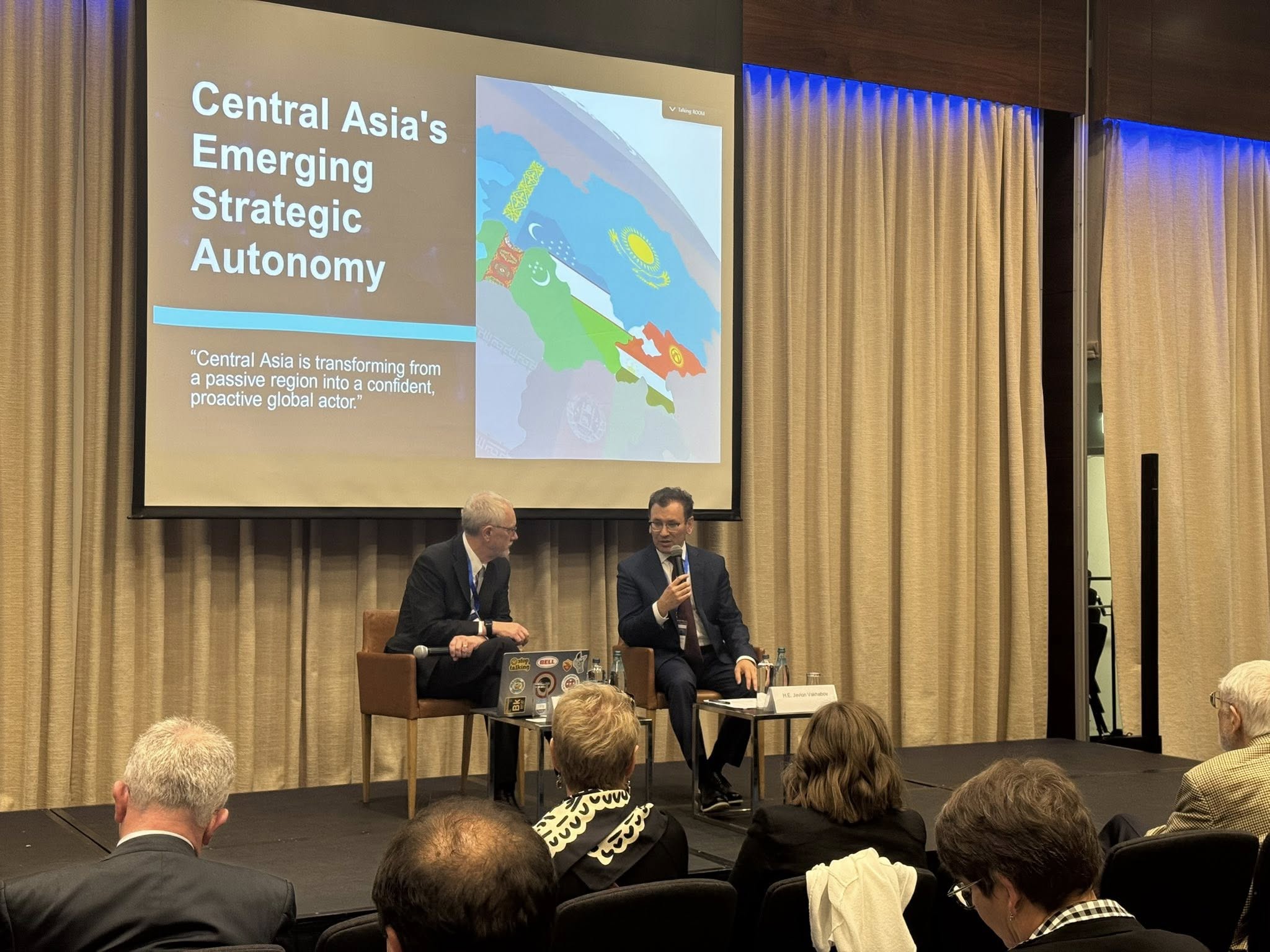
In closing, he emphasized that the region’s foreign policy is built on pragmatism, a careful balancing of national interests, and a strong commitment to stability both within Central Asia and in neighboring regions—an approach that is key to unlocking the region’s full transport and logistics potential.