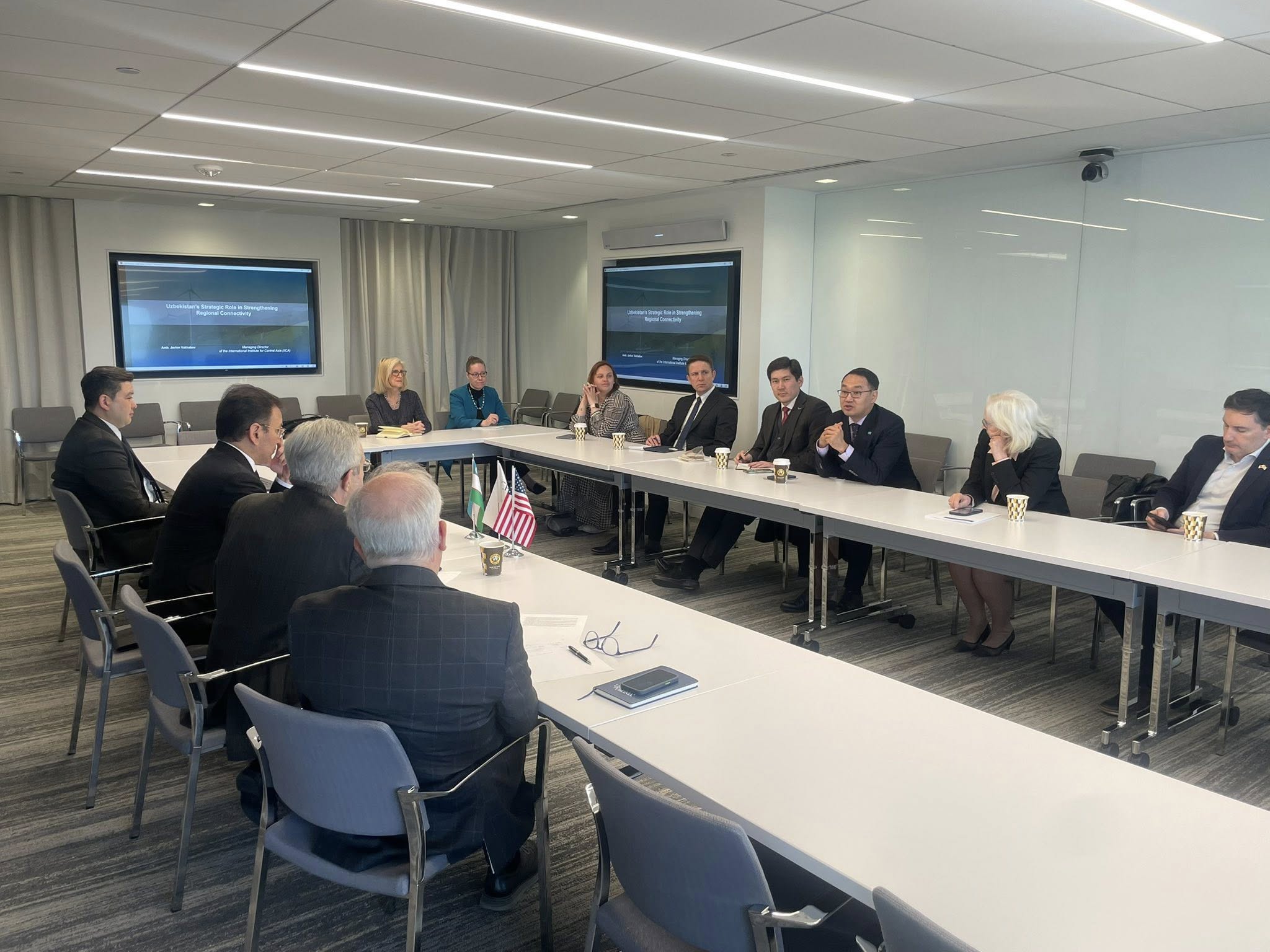
The event was hosted by CPC, an independent, nonprofit think tank dedicated to research and analysis of political, economic, and energy developments in the broader Caspian region.
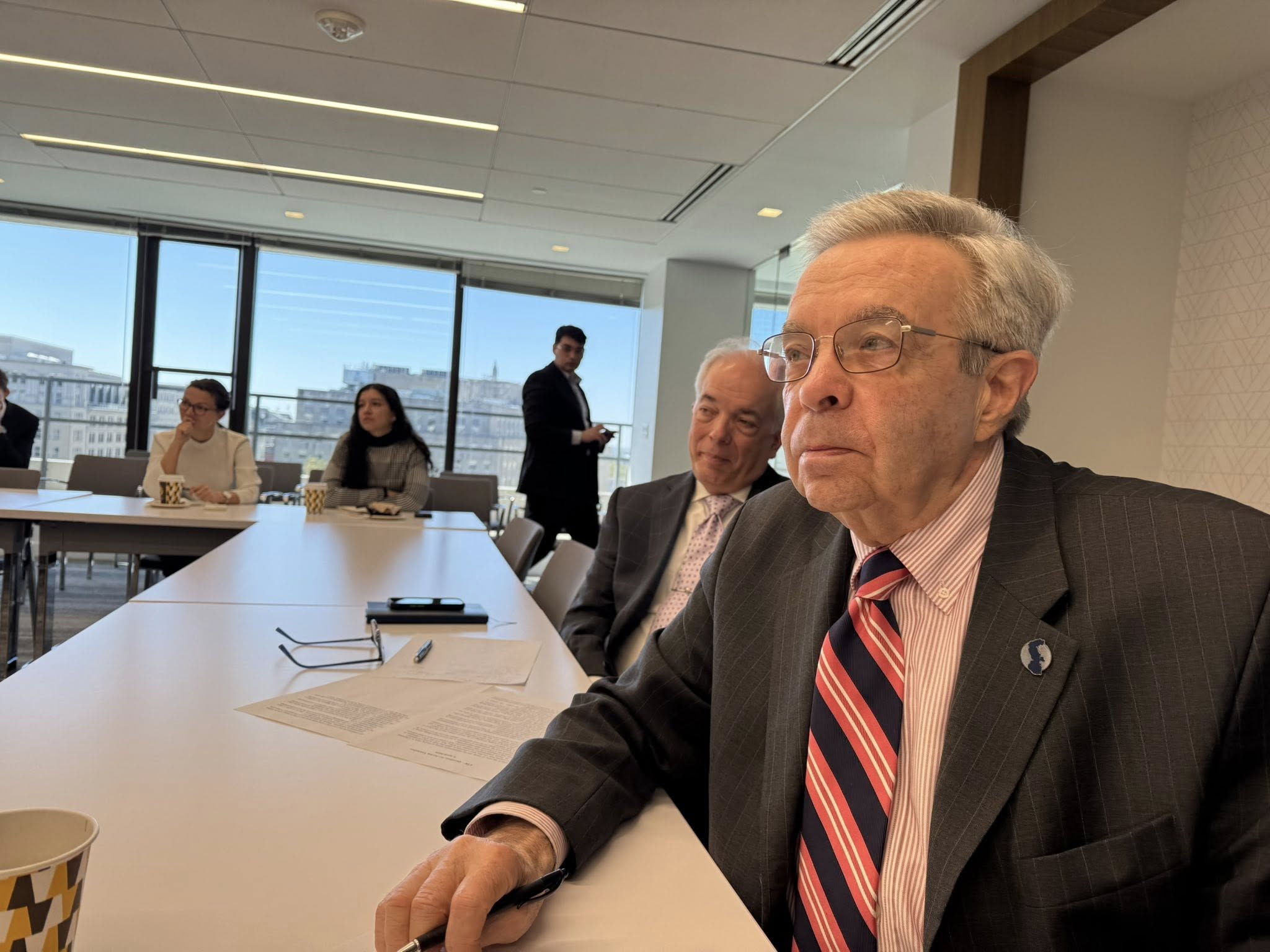

In his welcoming remarks, CPC Chairman Ambassador Richard Hoagland emphasized the importance of fostering long-term and sustainable engagement with Central Asia amid the region’s growing interconnectedness.
Participants exchanged views on a wide range of topics, including regional integration, trade and investment flows, transport and energy connectivity, and evolving geopolitical dynamics.
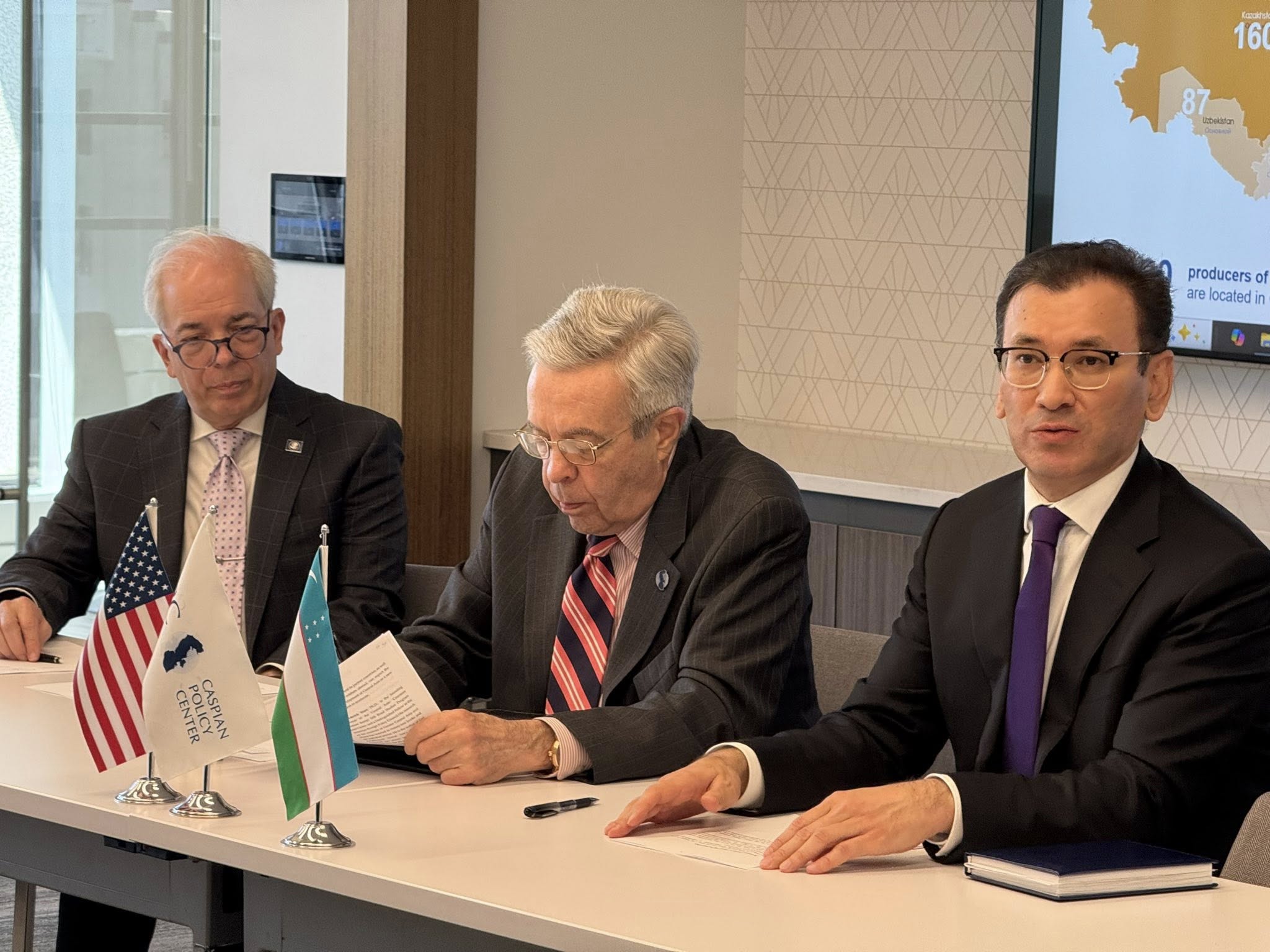
J.Vakhabov noted that Central Asia is undergoing a period of profound renewal and transformation. It was highlighted that intra-regional trade in Central Asia has increased significantly in recent years, while political dialogue among the region’s countries has become more structured and consistent.
In this context, special recognition was given to the annual Consultative Meetings of the Heads of State of Central Asia and the adoption of the Central Asia–2040 strategy at last year’s summit in Astana, which aims to shape a cohesive and forward-looking regional vision.
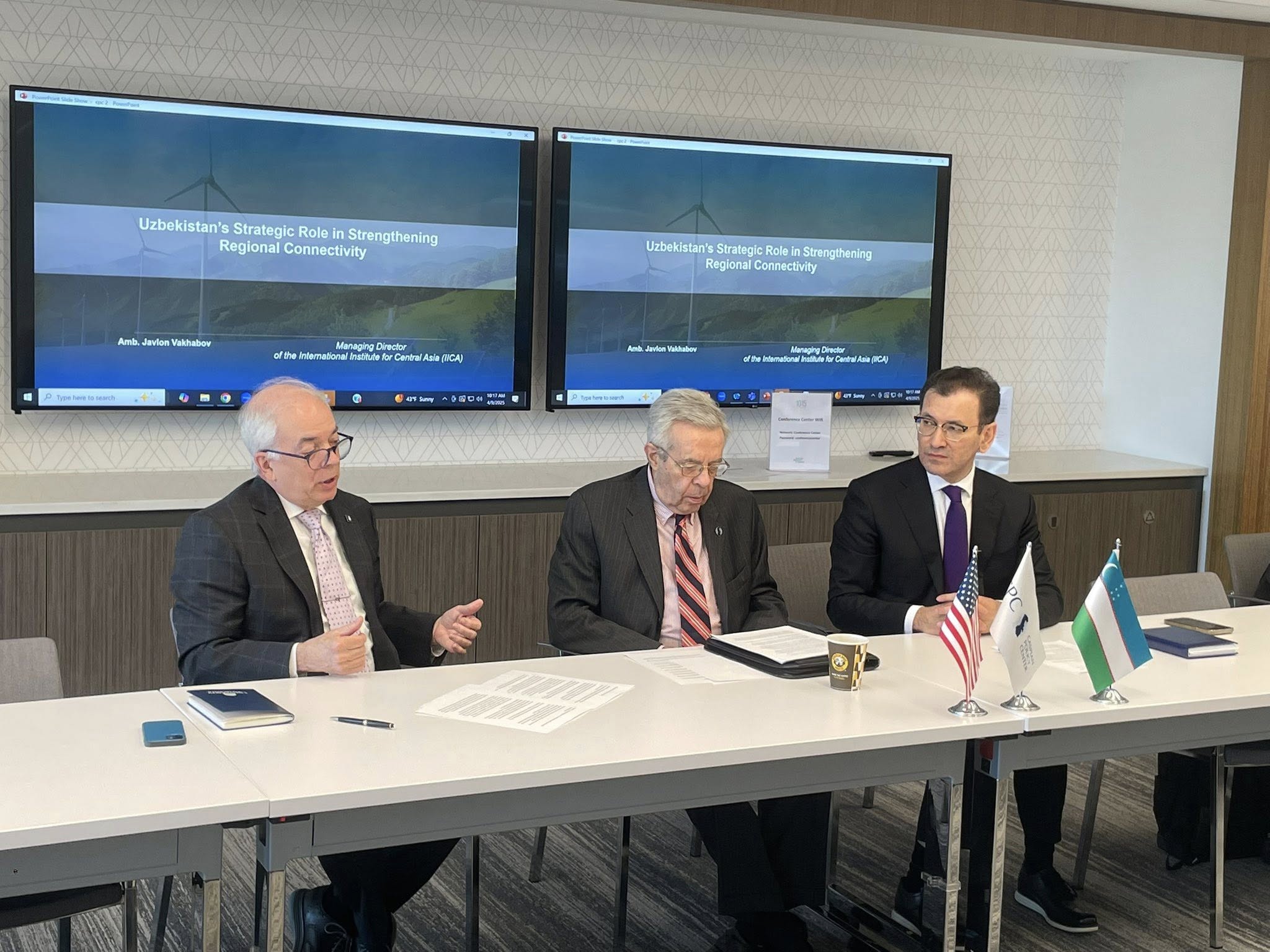
CPC Senior Fellow Dr. Eric Rudenshiold also joined the discussion, offering valuable insights into the pace of change across Central Asia and its implications for the region’s future.
A key point of discussion centered on Uzbekistan’s growing role in the extraction and processing of critical minerals. It was noted that the country is currently implementing several major projects that have drawn strong interest from international partners. The American side expressed its willingness to explore technical collaboration and knowledge exchange to ensure adherence to the highest international standards in sustainable resource management.
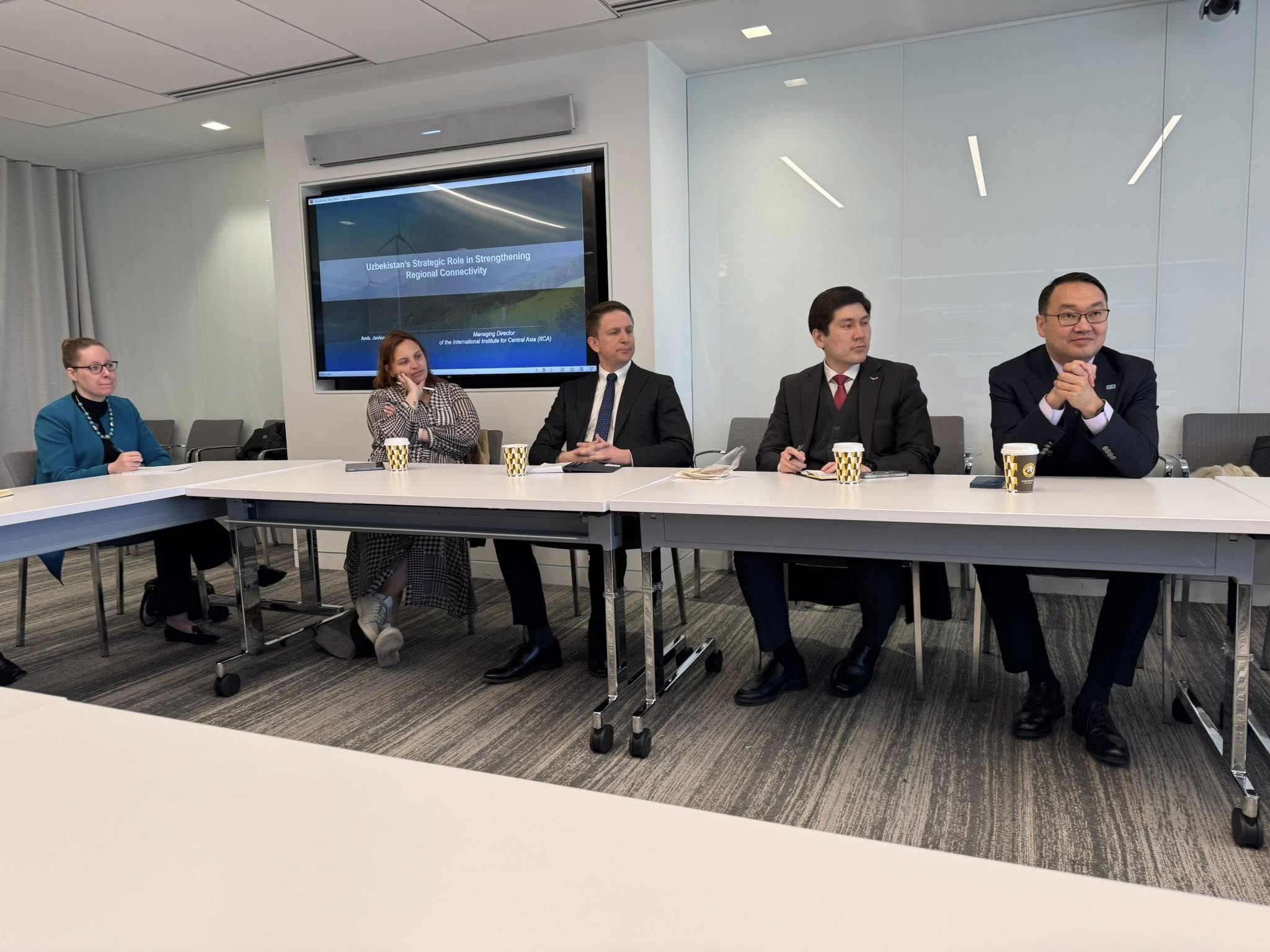
Logistics and transport connectivity were also addressed, with participants noting that despite existing tariff and digitalization challenges, the Trans-Caspian corridor is gaining traction. Enhanced coordination of tariff policies and broader adoption of digital tools were identified as important steps to improve the efficiency and competitiveness of this route.
The meeting concluded with a mutual reaffirmation of interest in deepening dialogue between U.S. and Uzbekistan experts through joint initiatives aimed at promoting sustainable development and stronger regional understanding.