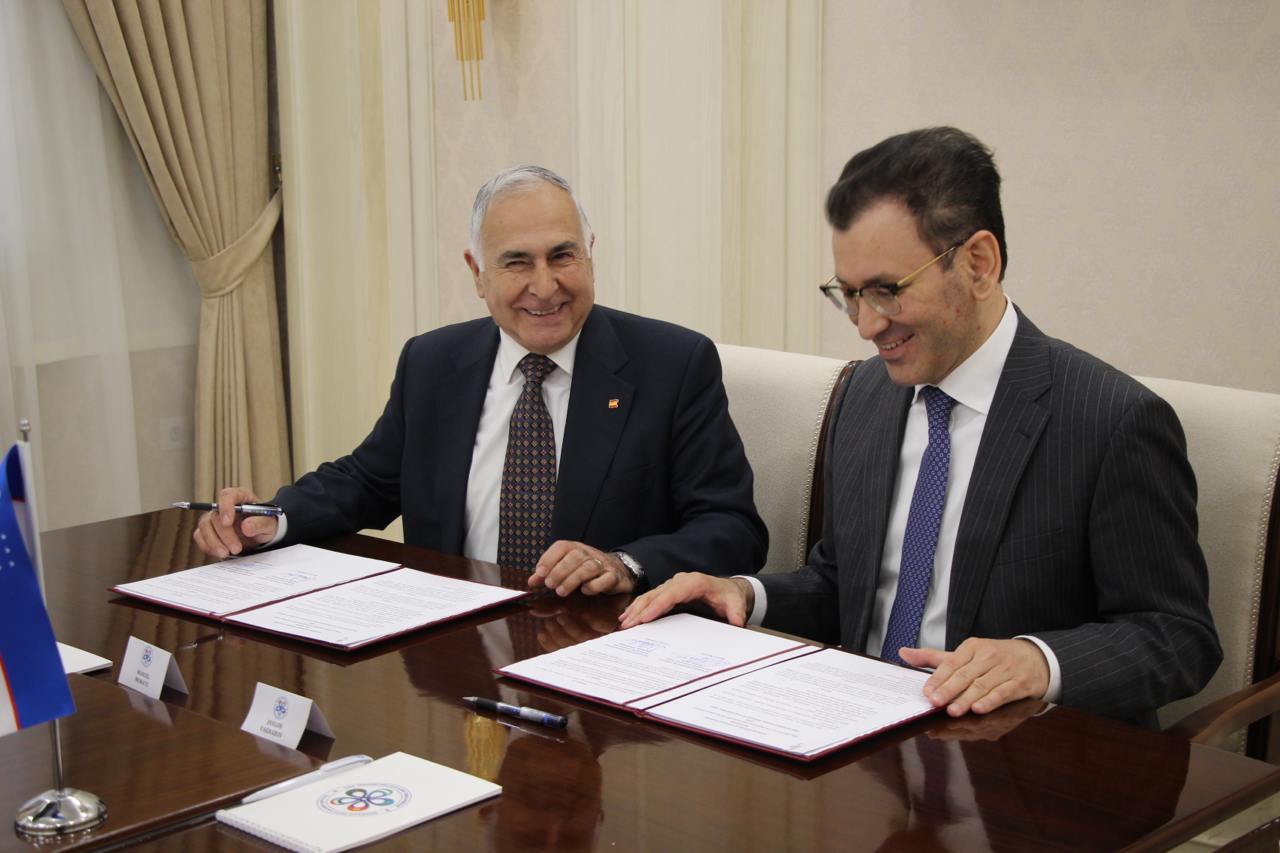
During the meeting, the two institutions signed a memorandum of cooperation aimed at fostering expert dialogue and joint research in the fields of international security and regional stability.
As noted by both sides, Spanish-Uzbek relations have deep historical roots. In the early 8th century, the territories of present-day Spain and Uzbekistan were part of the Umayyad Caliphate, facilitating cultural and scientific exchanges between the regions. During this period, the works of renowned Uzbek scholars such as Avicenna, Al-Khwarizmi, and Al-Farghani were well known in Spain and had a significant impact on the development of European science.
Furthermore, in the 14th century, Amir Temur established diplomatic ties with King Henry III of Castile, who sent an embassy to his court led by the renowned envoy Ruy González de Clavijo. This mission strengthened connections between the two regions and enriched their respective cultures.
Against this historical backdrop, Manuel Morato emphasized that the longstanding ties between Spain and Central Asia provide a solid foundation for modern research collaboration. He highlighted the region's strategic position at the crossroads of global interests and underscored the necessity of comprehensive scientific and analytical expertise to develop effective strategies for cooperation, sustainable development, and security.
Javlon Vakhabov, in turn, stressed the importance of expanding cooperation between the two think tanks, noting that enhancing expert exchanges would allow for a deeper analysis of current developments and future trends in international politics, particularly in the context of Central Asia’s dynamic evolution.
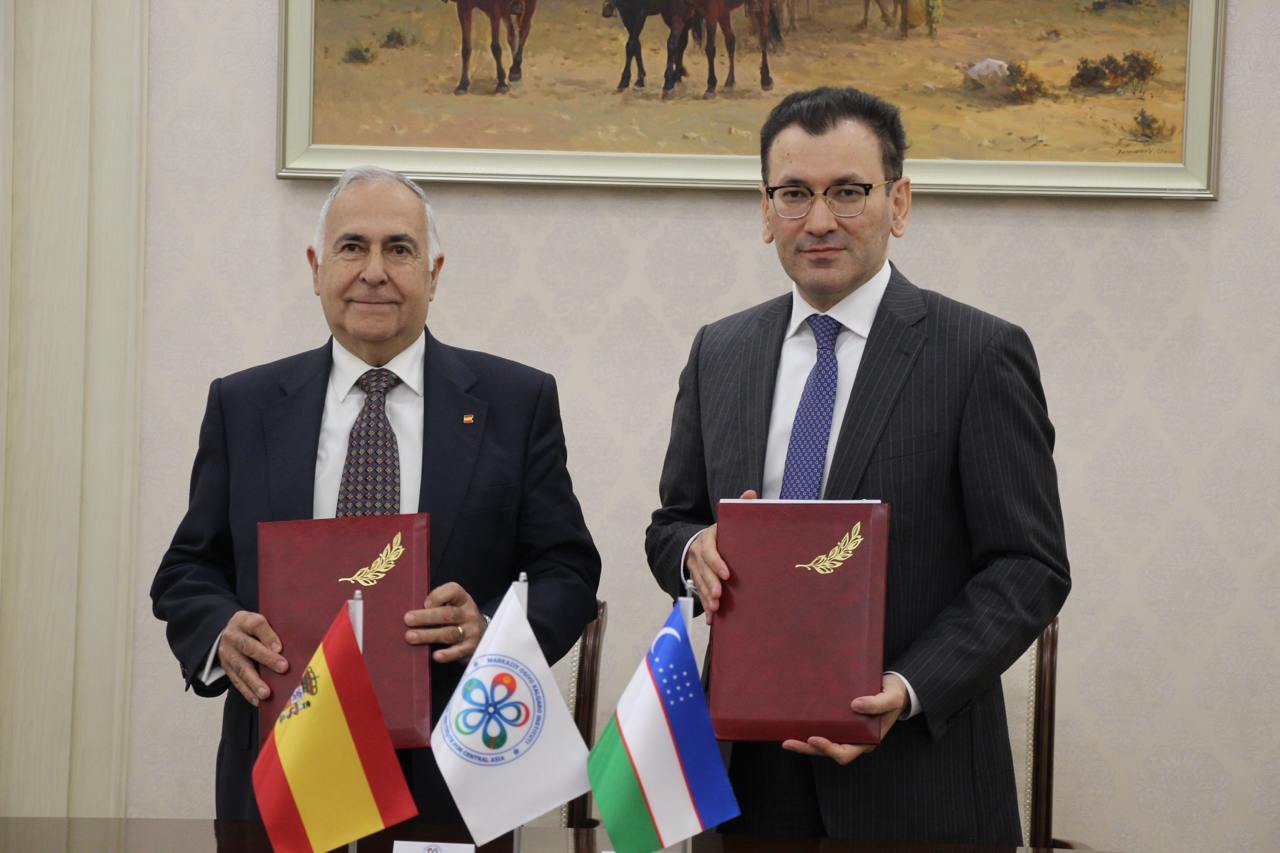
Following the discussions, the two institutions signed a cooperation agreement that outlines joint research initiatives in areas such as policy and security, trade and investment, regional connectivity, and cultural-historical heritage.