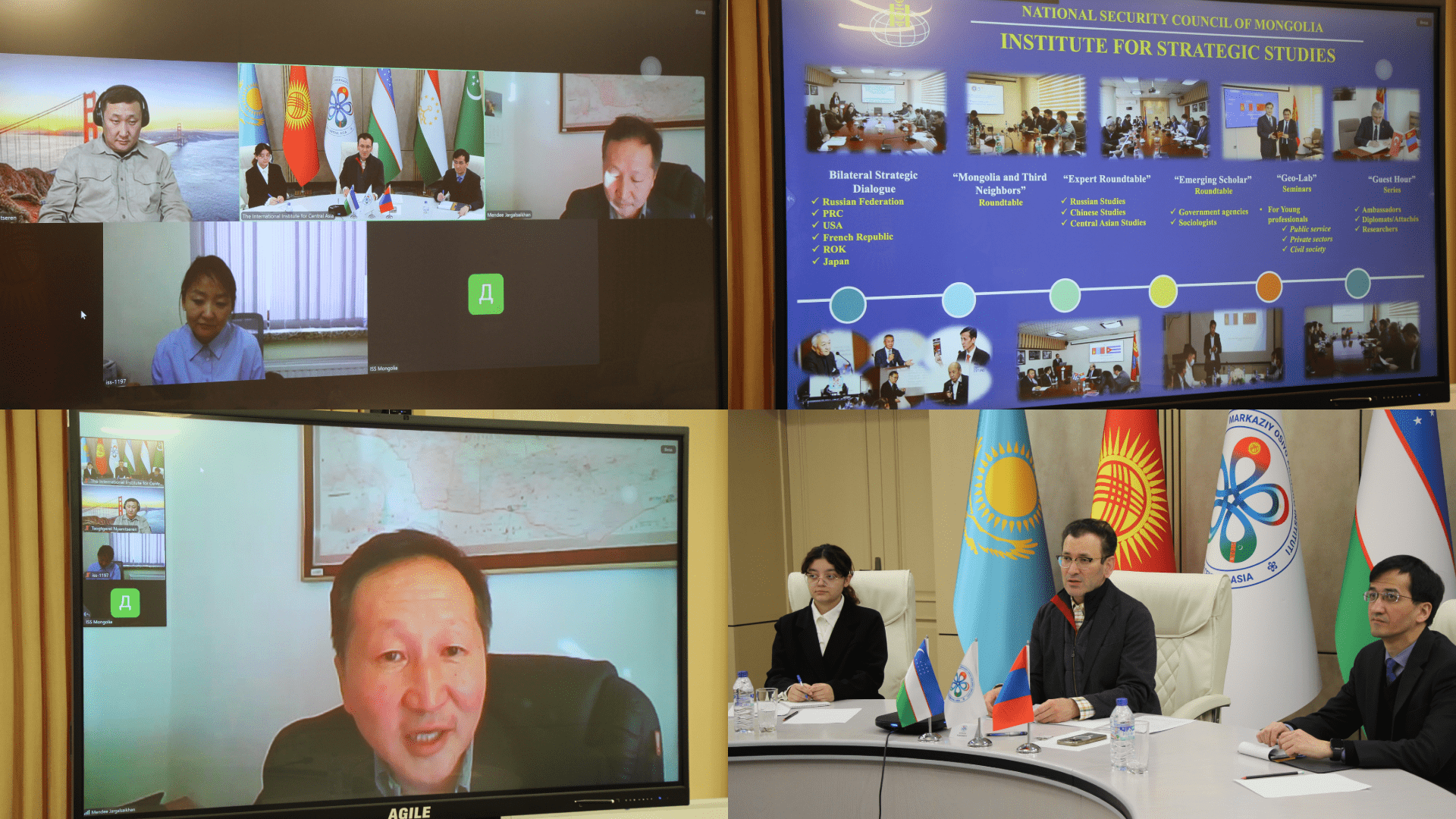
The meeting marked a significant step in the multifaceted dialogue between Mongolia and Uzbekistan, which has seen notable progress in recent years. Both sides emphasized the importance of key milestones in bilateral relations, such as the opening of the Mongolian Embassy in Tashkent and the historic first visit of the Mongolian President to Uzbekistan in the summer of 2024.
J.Vakhabov highlighted that the landlocked nature of Uzbekistan and Mongolia necessitates innovative approaches to economic collaboration, logistics, and trade. He underscored the alignment of interests between the two institutions, paving the way for joint initiatives that could serve as platforms for knowledge-sharing and the exchange of best practices between experts from both nations.
During the discussion, the delegations exchanged insights into the work of their respective research institutions. The Institute for Strategic Studies of Mongolia, operating under the National Security Council, focuses on the strategic analysis of regional and global trends, particularly security issues in Northeast Asia. Both parties recognized the alignment of their research priorities, creating favorable conditions for academic cooperation.
Mende Jargalsaikan noted that the ISS is one of the organizers of the Ulaanbaatar Dialogue (UBD), an annual international forum launched in 2014. This gathering brings together policymakers, diplomats, and experts to foster mutual understanding and build trust among countries in Northeast Asia.
The meeting also explored key initiatives by Uzbekistan and Mongolia in the realm of trade and economic cooperation. Discussions included strategies to expand trade turnover, develop logistics infrastructure, and encourage mutual investments. Additionally, both sides stressed the importance of joint studies on sustainable development practices, with particular focus on addressing environmental and climate challenges.
The Mongolian delegation emphasized the importance of economic integration, enhanced connectivity, and collaboration with Central Asia, particularly Uzbekistan. Special interest was expressed in the Consultative Meetings of Central Asian Heads of State, with the 7th meeting scheduled to take place in Uzbekistan in 2025 under its presidency.
At the conclusion of the meeting, both sides reaffirmed their commitment to strengthening bilateral ties through the implementation of joint initiatives and projects. They highlighted the potential for organizing conferences, roundtables, and seminars, which could not only deepen cooperation between the two institutes but also create new opportunities to address pressing bilateral, regional, and international challenges.