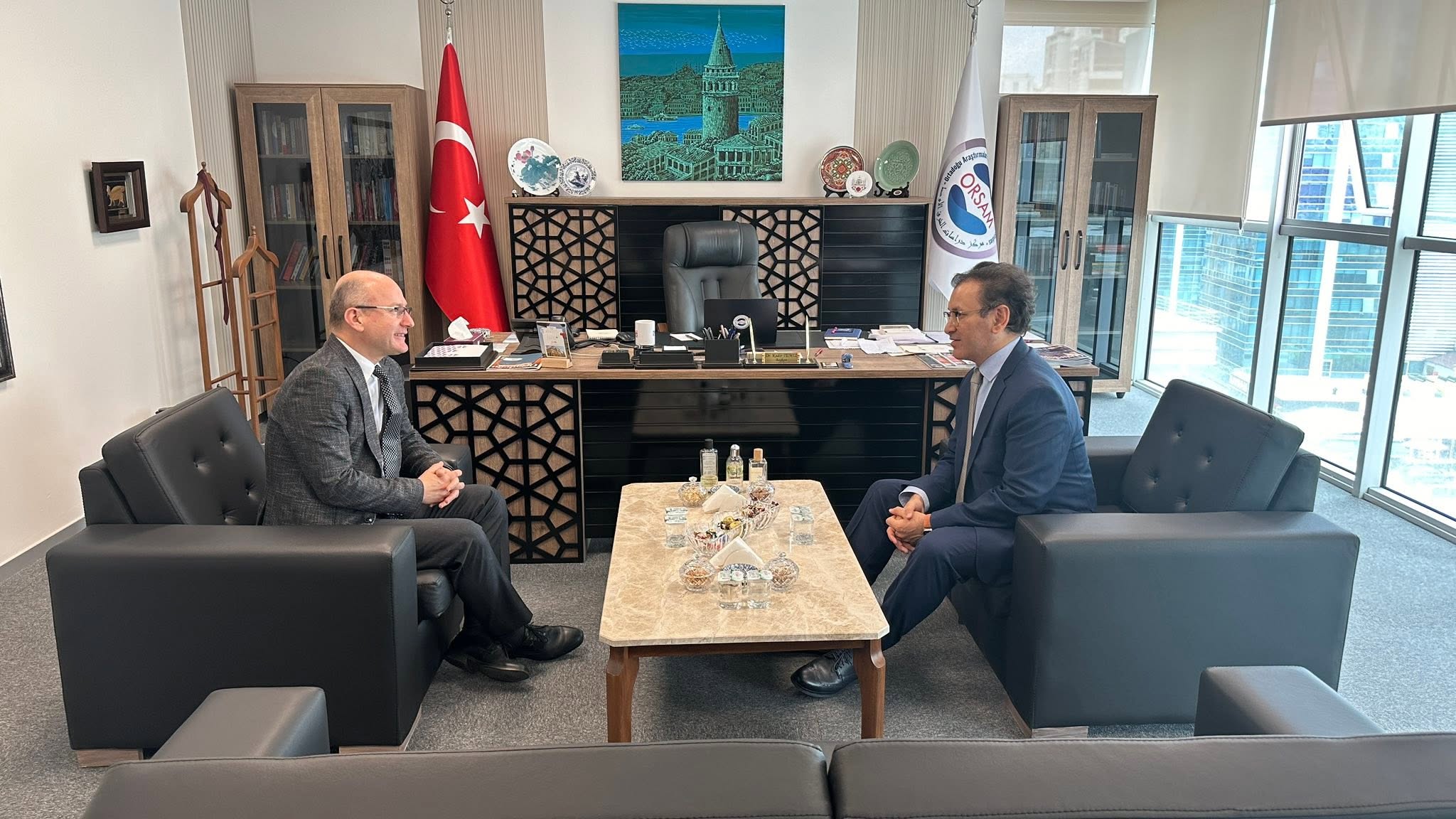
The parties discussed current developments in the Middle East, Uzbekistan's efforts to promote peace, dialogue, and constructive interaction in the region, as well as the growing interconnectedness between Central Asia and the Middle East through trade, transportation routes, energy links, and regional cooperation.
J. Vakhabov noted that the study of the Middle East is of great practical importance for Central Asia, as events in this region have a direct impact on security, logistics, energy, food markets and migration. According to his words, it is important for Uzbekistan not only to monitor regional crises but also to better understand the long-term political, economic, and social processes that are shaping the new architecture of the Middle East.
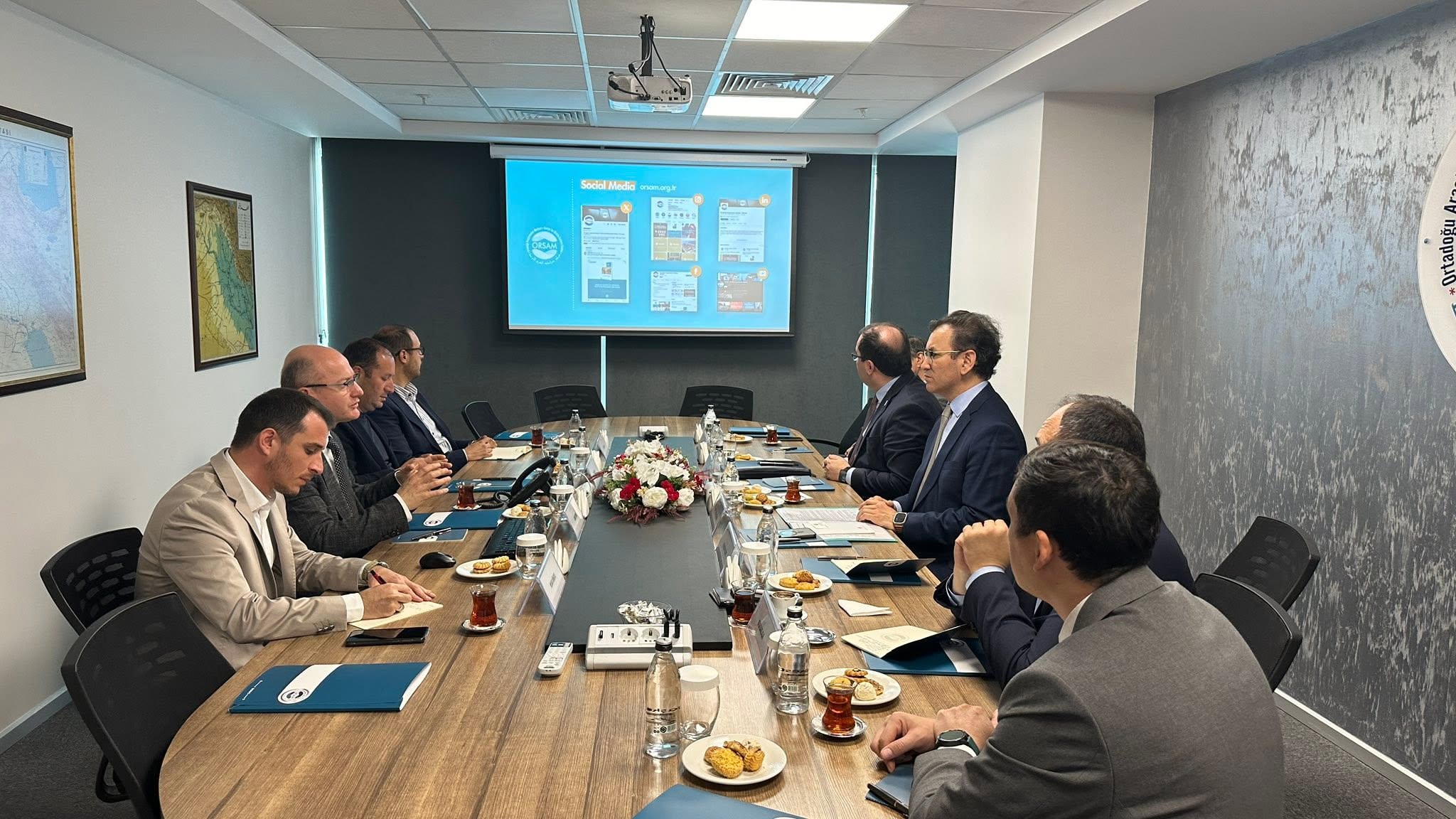
He also emphasized that cooperation between IICAS and ORSAM could become a valuable expert platform for the joint analysis of these processes and their implications for Central Asia. Promising areas of cooperation were identified, including the preparation of joint publications, the exchange of analytical materials, and the organization of expert roundtables, public webinars, and discussions to develop practical recommendations for decision-makers.
In turn, K. Temiz noted ORSAM's interest in developing meaningful cooperation with the IICA and expanding dialogue on issues of the Middle East, Central Asia, and broader Eurasian agenda. He emphasized that direct interaction between analytical centers will strengthen the exchange of expert assessments, expand the research agenda, and create a foundation for long-term partnerships between the two institutions.
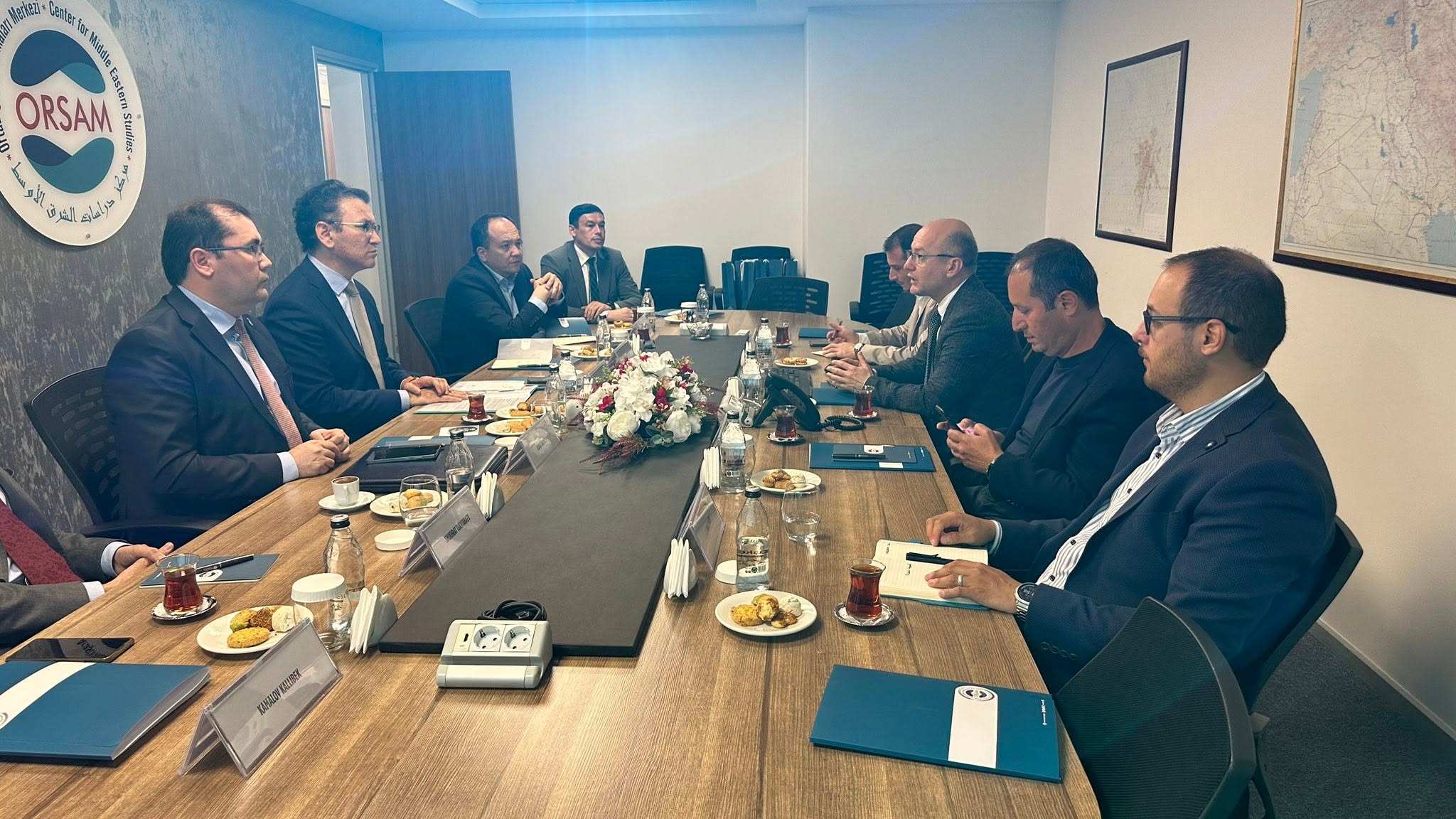
The Center for Middle Eastern Studies (ORSAM) is a leading Turkish analytical center founded in 2009 in Ankara, specializing in the study of political, economic, and social processes, as well as security issues in the Middle East and North Africa.