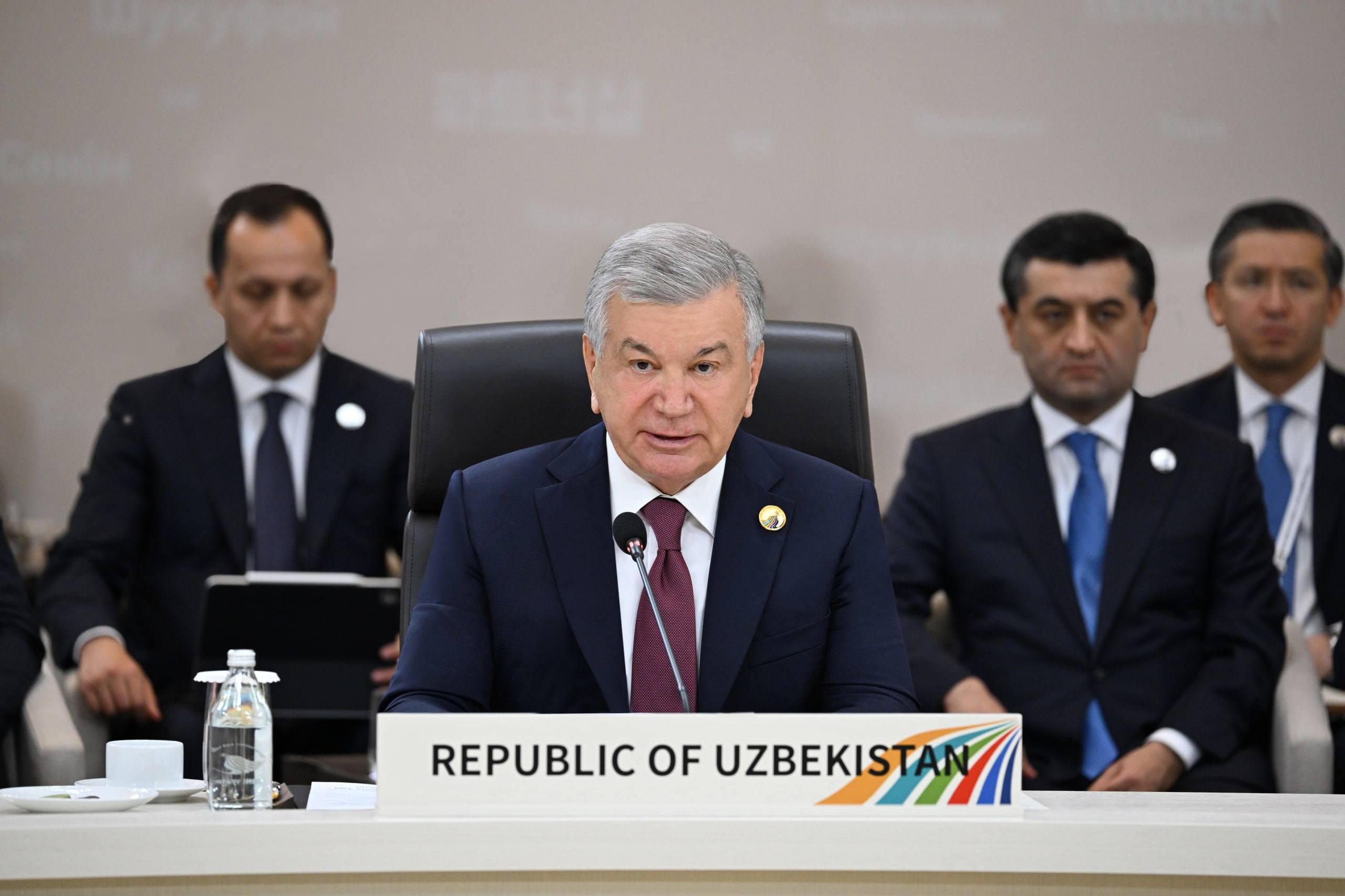
The event was organized by the Institute for Strategic and Regional Studies (ISRS) under the President of the Republic of Uzbekistan and the Ministry of Foreign Affairs of the Republic of Uzbekistan, in cooperation with the Conference on Interaction and Confidence-Building Measures in Asia (CICA).
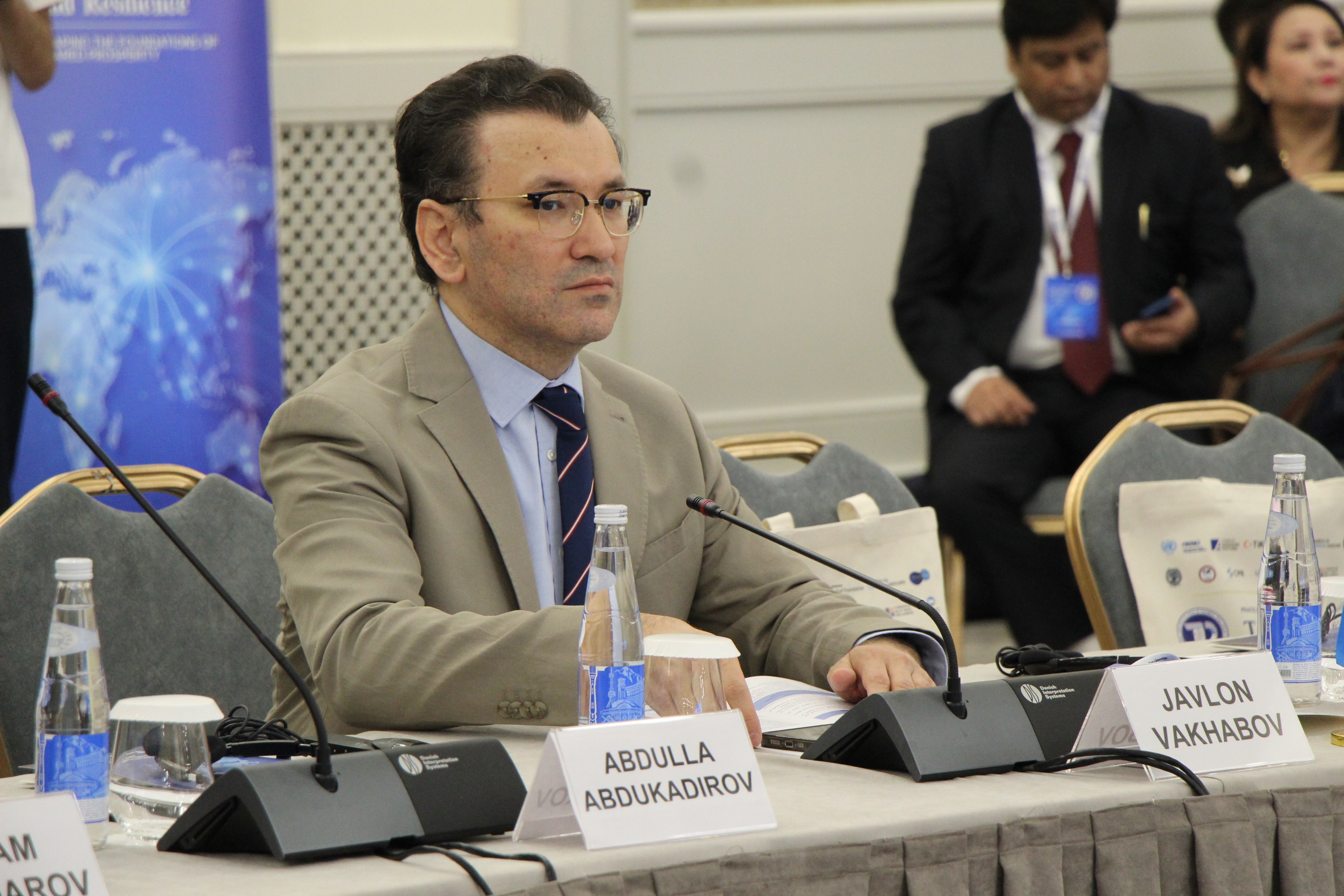
The forum brought together representatives from political, business, and expert circles, as well as international and regional organizations from Central and South Asia, Europe, the CIS, the Asia-Pacific region, the Middle East, and the Americas.
During the event, participants discussed the development of political dialogue and economic connectivity between Central and South Asia, the expansion of transport and logistics connectivity, efforts to counter climate challenges, the strengthening of cultural and humanitarian cooperation, and the promotion of regional security.
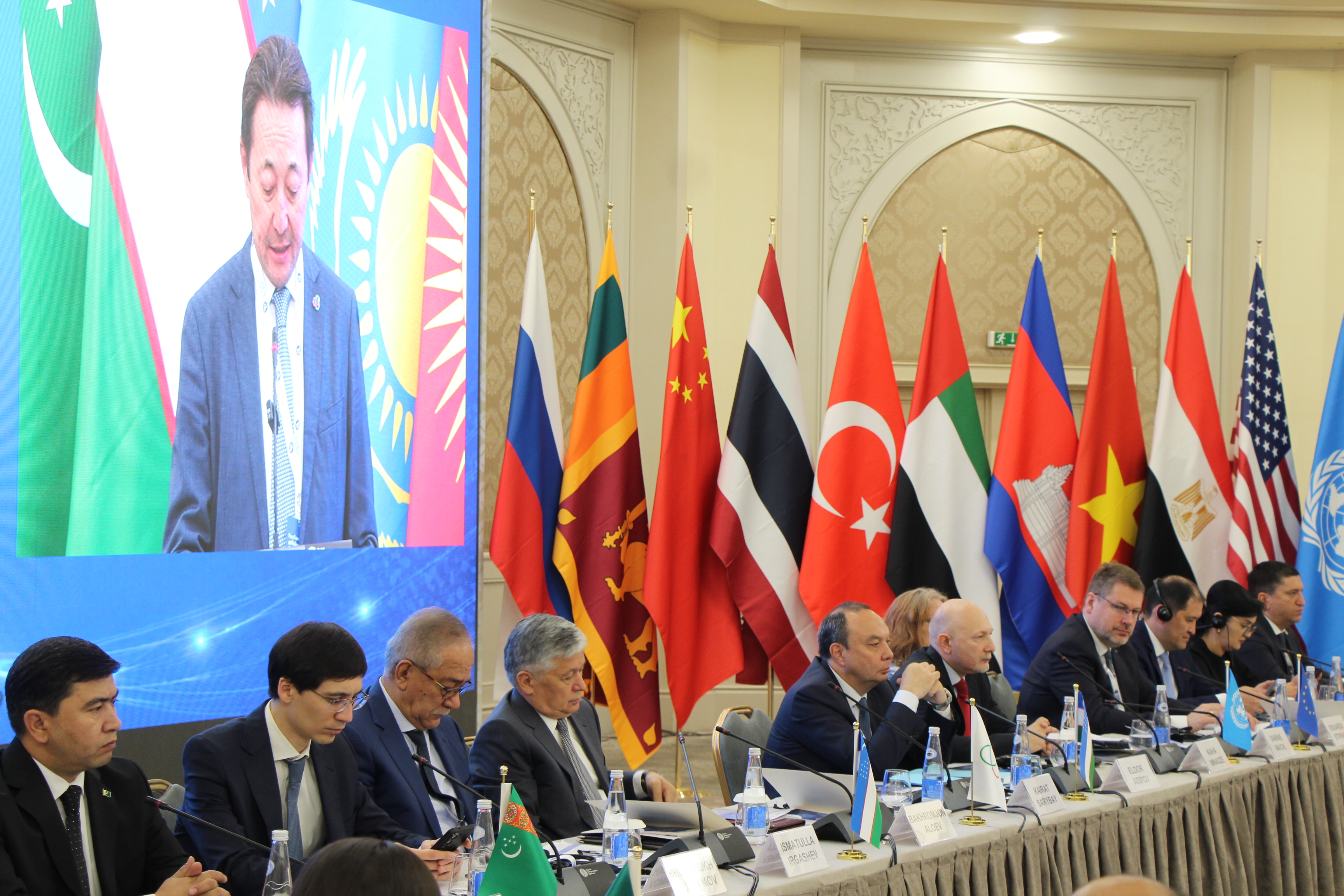
Forum participants emphasized that the Termez Dialogue is becoming an increasingly sought-after platform for developing concrete approaches to strengthening interregional cooperation, thanks to its geographical scope and practical focus.
It was noted that consistent efforts are being made to restore the historical role of Termez as a natural bridge between Central and South Asia. The development of the city as a transport and logistics hub offers regional countries additional opportunities to access South Asian ports and its dynamically developing markets.
Special attention during the discussions was paid to the increasing importance of transport corridors, which attract interest not only from the states of Central and South Asia but also from Middle Eastern countries considering the expansion of overland access to regional markets.
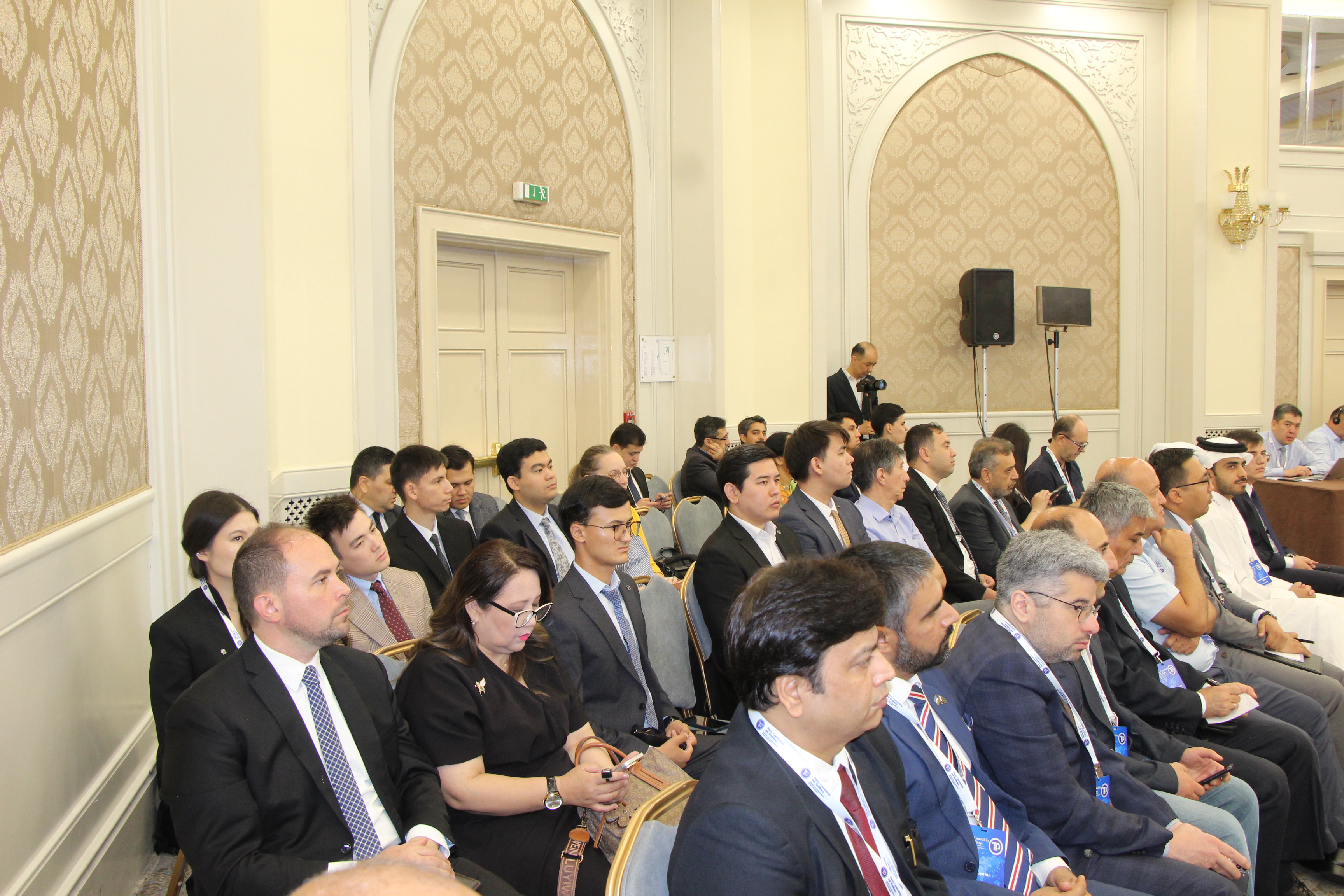
Experts also emphasized that connectivity is not limited to the development of infrastructure and transport routes, but relies primarily on political trust, predictability, and sustainable interstate interaction. In this regard, mutual understanding between societies was described as a crucial strategic resource for long-term cooperation.
In this context, specific emphasis was placed on strengthening cultural and humanitarian ties between Central and South Asia. Forum participants noted that expanding people-to-people contacts is one of the key factors for ensuring sustainable interregional cooperation and contributes to the further development of political and economic relations.
It was also underscored that the rich historical and cultural heritage and centuries-old ties between the peoples of the two regions create a solid foundation for further rapprochement. In this connection, the importance of expanding academic exchanges, developing youth mobility, and implementing joint cultural and educational projects involving youth, the scientific community, and civil society was noted.
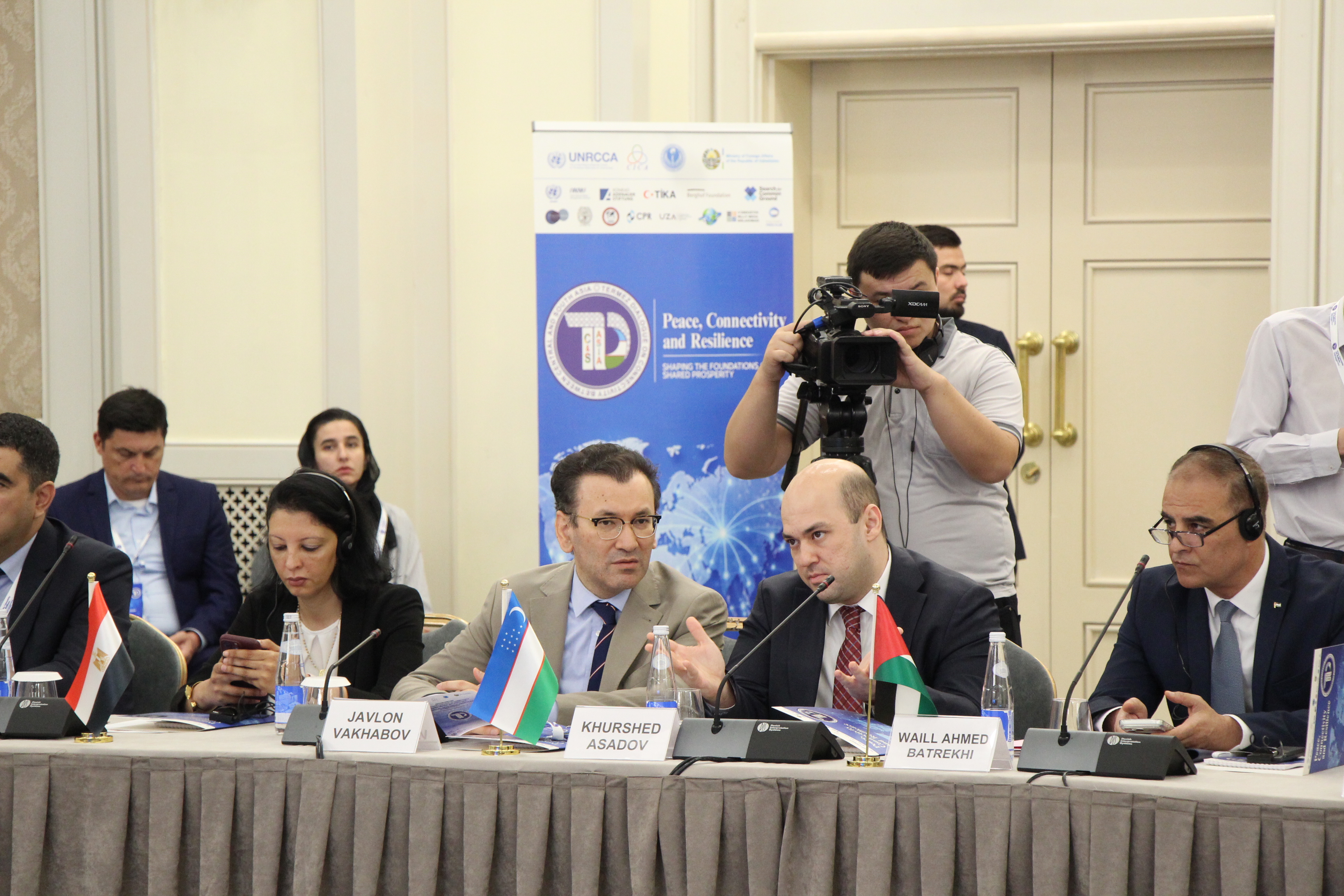
Furthermore, the necessity of further deepening expert-analytical cooperation between the countries of Central and South Asia was highlighted, including through think tanks and research institutions, to formulate coordinated approaches to advancing the regional agenda.
Following the forum, a joint Communiqué aimed at further strengthening cooperation between Central and South Asia is expected to be adopted.