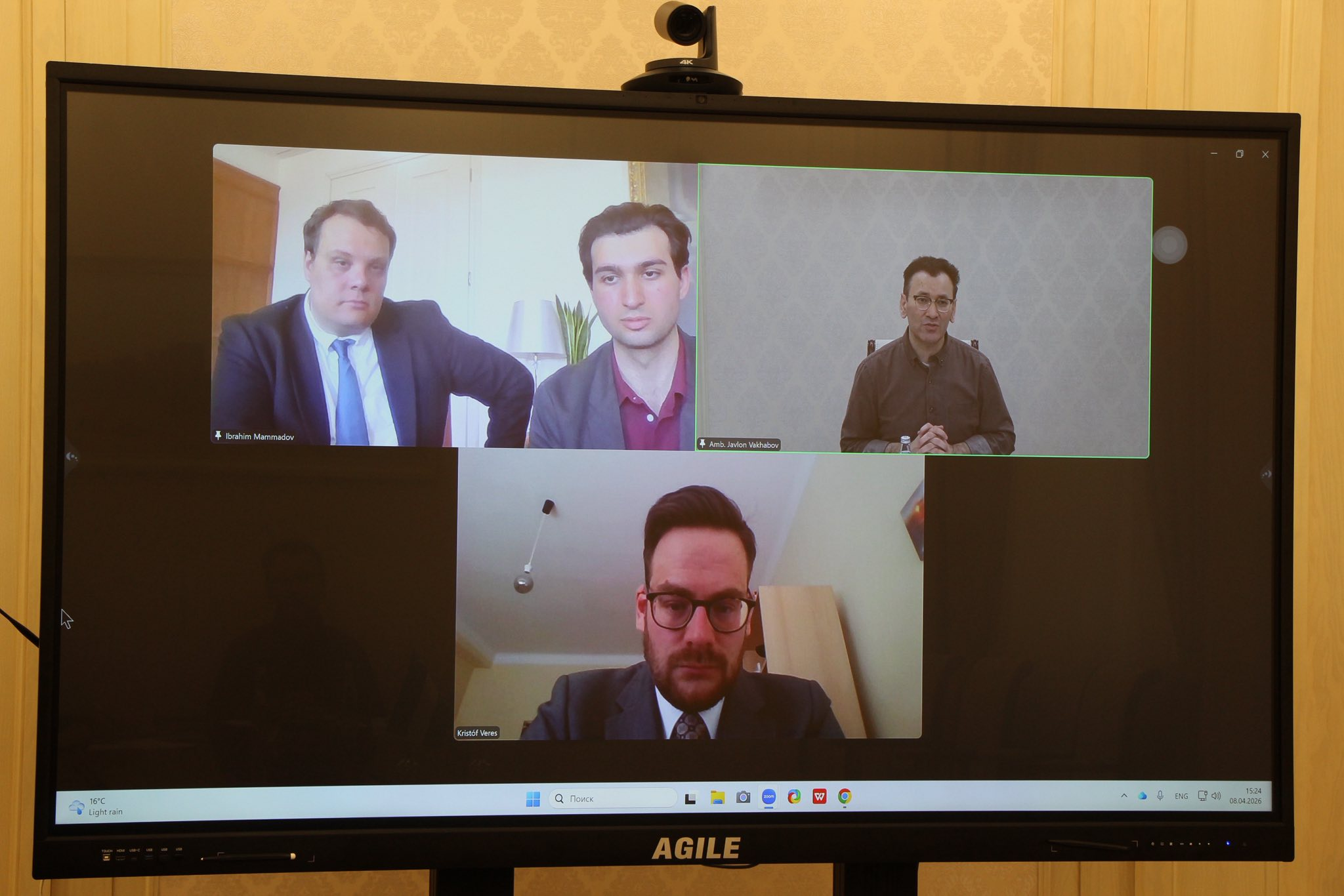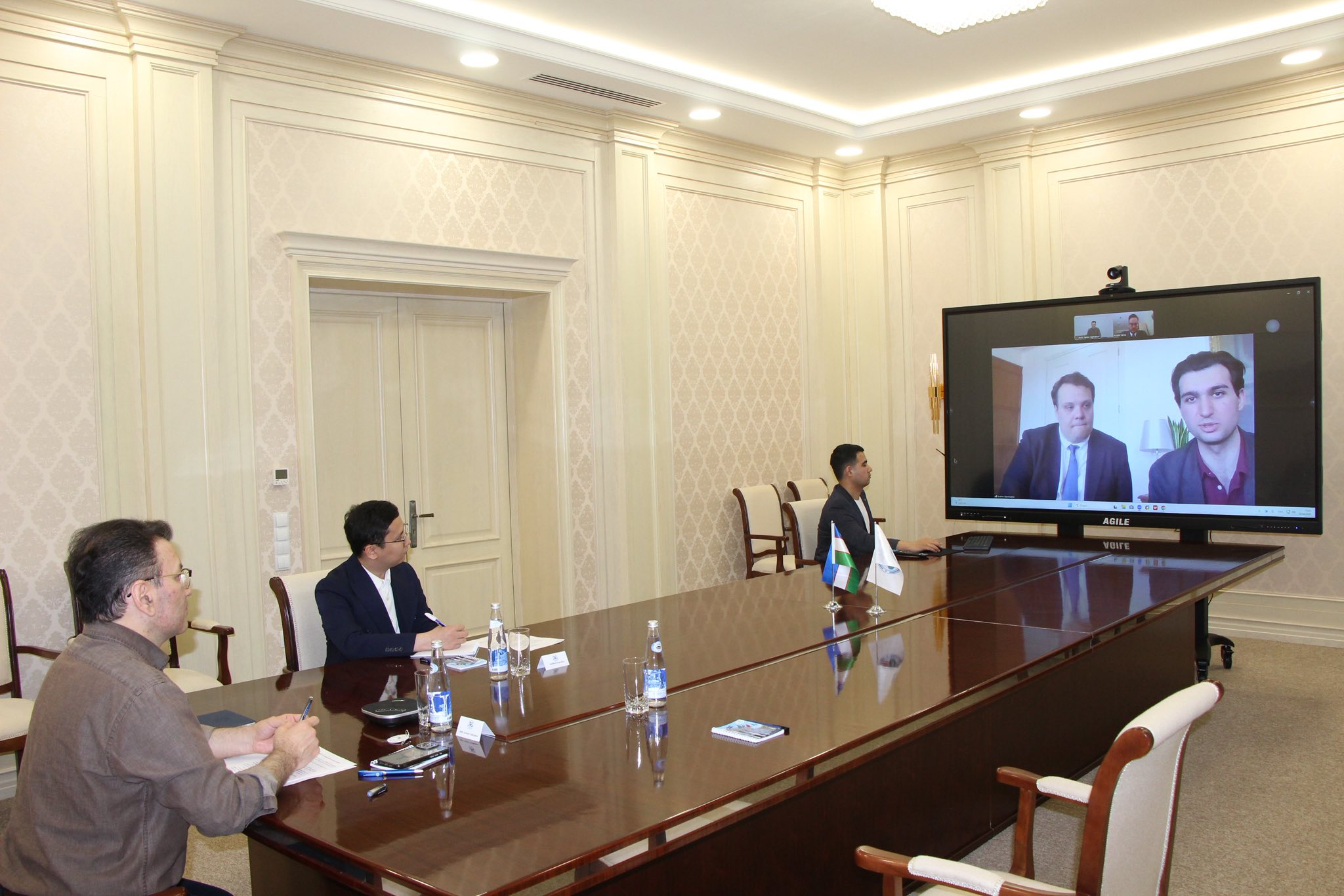
During the discussion, the parties explored ways to strengthen cooperation between the two think tanks, including through joint research, co-authored publications, jointly organized events, and researcher exchanges.
Javlon Vakhabov noted that expanding partnerships with European think tanks, including the Danube Institute, offers new opportunities to deepen dialogue between Central Asia and Europe. He added that such cooperation helps develop shared expert perspectives on key regional and global challenges, while also opening the door to new formats of collaboration, including under the “Central Asia +” framework.
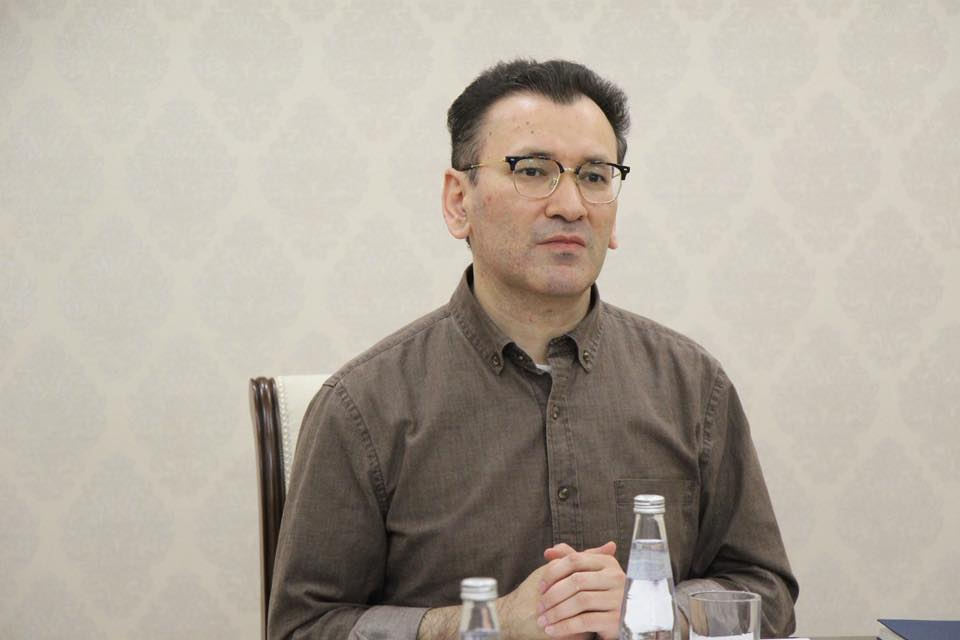
István Kiss, in turn, expressed the Danube Institute’s interest in building more practical cooperation with IICA, pointing to strong potential for joint projects in areas such as security, trade and investment, people-to-people ties, and broader regional connectivity.
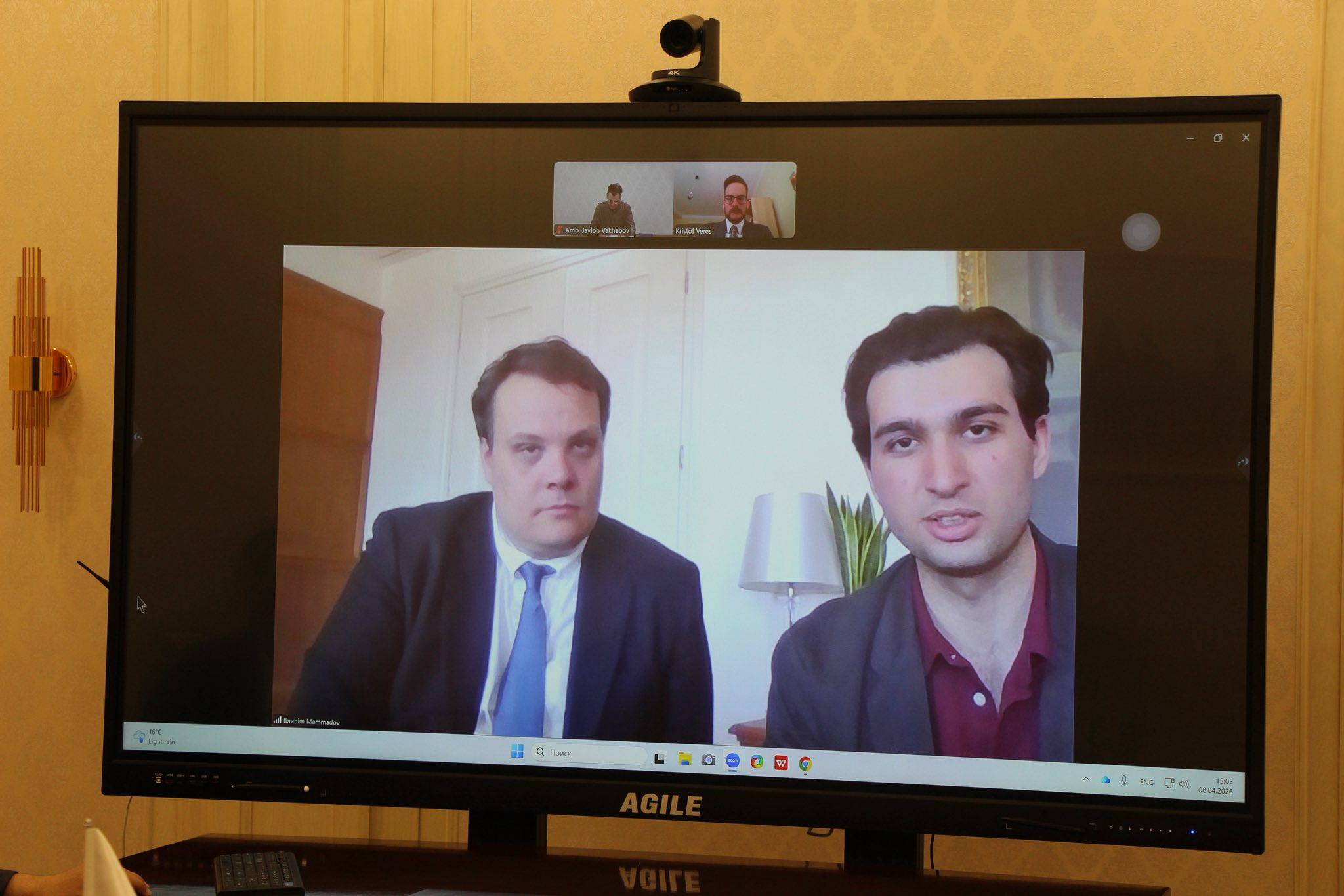
Both sides reaffirmed their readiness to continue the dialogue and advance practical cooperation, as political engagement between Uzbekistan and Hungary continues to grow, including within the framework of the Organization of Turkic States.