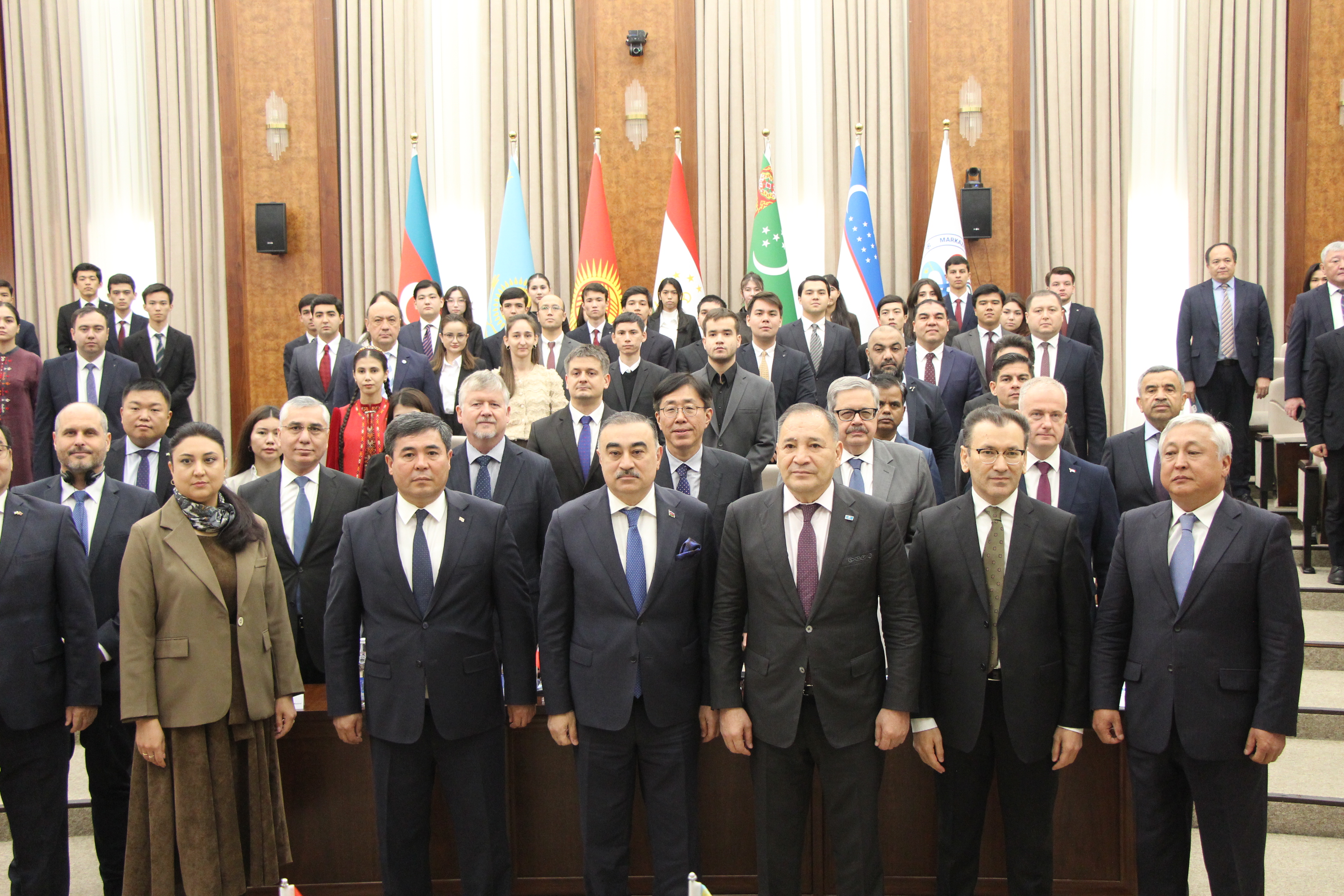
The discussion focused on the outcomes of the informal summit of the heads of state of Central Asia and Azerbaijan in Cholpon-Ata on 31 July and the Eighth Consultative Meeting of the Heads of State of Central Asia and Azerbaijan in Avaza on 8 October.
The dialogue aimed to review the summits’ main outcomes and explore prospects for jointly implementing the initiatives and agreements put forward by the leaders of Central Asia and Azerbaijan. Other priorities included expanding trade and investment, strengthening transport connectivity and developing new mechanisms for regional cooperation.
Participants included heads of diplomatic missions accredited in Tashkent, alongside representatives of international organisations, ministries and government agencies, the business community, and leading think tanks and research institutions.
Opening the dialogue, IICA Director Javlon Vakhabov noted that the significance of the meetings in Cholpon-Ata and Avaza extended well beyond the agreements reached. He observed that they took place on the eve of the tenth anniversary of Uzbekistan’s new foreign policy course, launched by President Shavkat Mirziyoyev in 2016, offering an opportunity to reflect on the region’s progress.
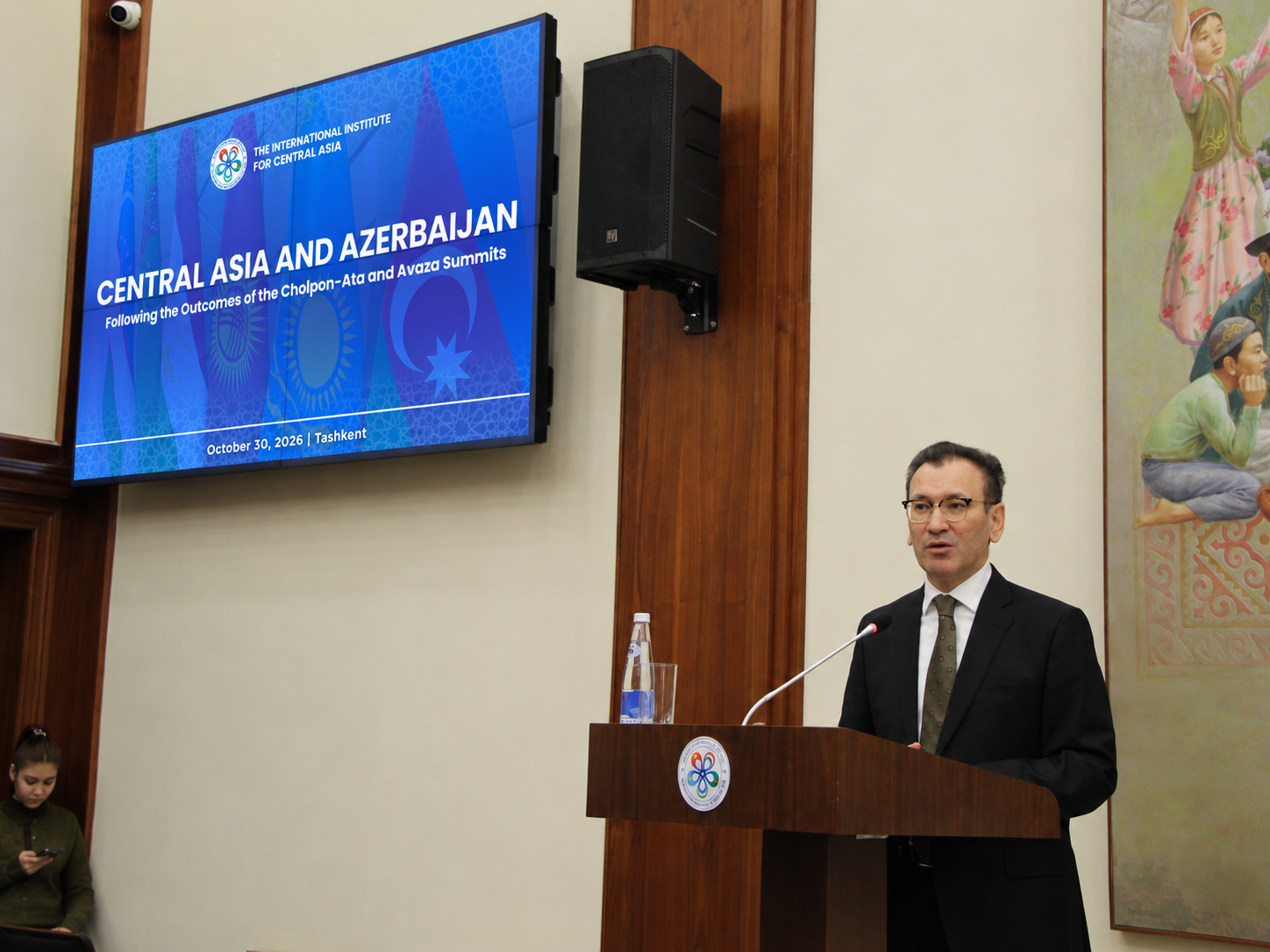
Until recently, he said, much of Central Asia’s political energy had been devoted to overcoming longstanding disagreements. Today, a fundamentally new atmosphere of good-neighbourliness has emerged. The Consultative Meetings of the Heads of State have been a key mechanism driving this change, while Azerbaijan’s full participation has added a new interregional dimension, bringing Central Asia and the South Caucasus closer together.
Vakhabov identified the next step as moving beyond simply increasing mutual trade towards jointly producing goods for global markets. Success, he stressed, would be measured not by the number of documents adopted, but by completed projects, new production facilities and jobs, and improvements in people’s well-being.
“If the first ten years of this new regional approach were a period of building political trust, the next decade must be defined by economic connectivity,” he concluded.
In his remarks, Azerbaijan’s Ambassador to Uzbekistan, Rashad Mammadov, highlighted the profound changes taking place in Central Asia and the emergence of a new political landscape.
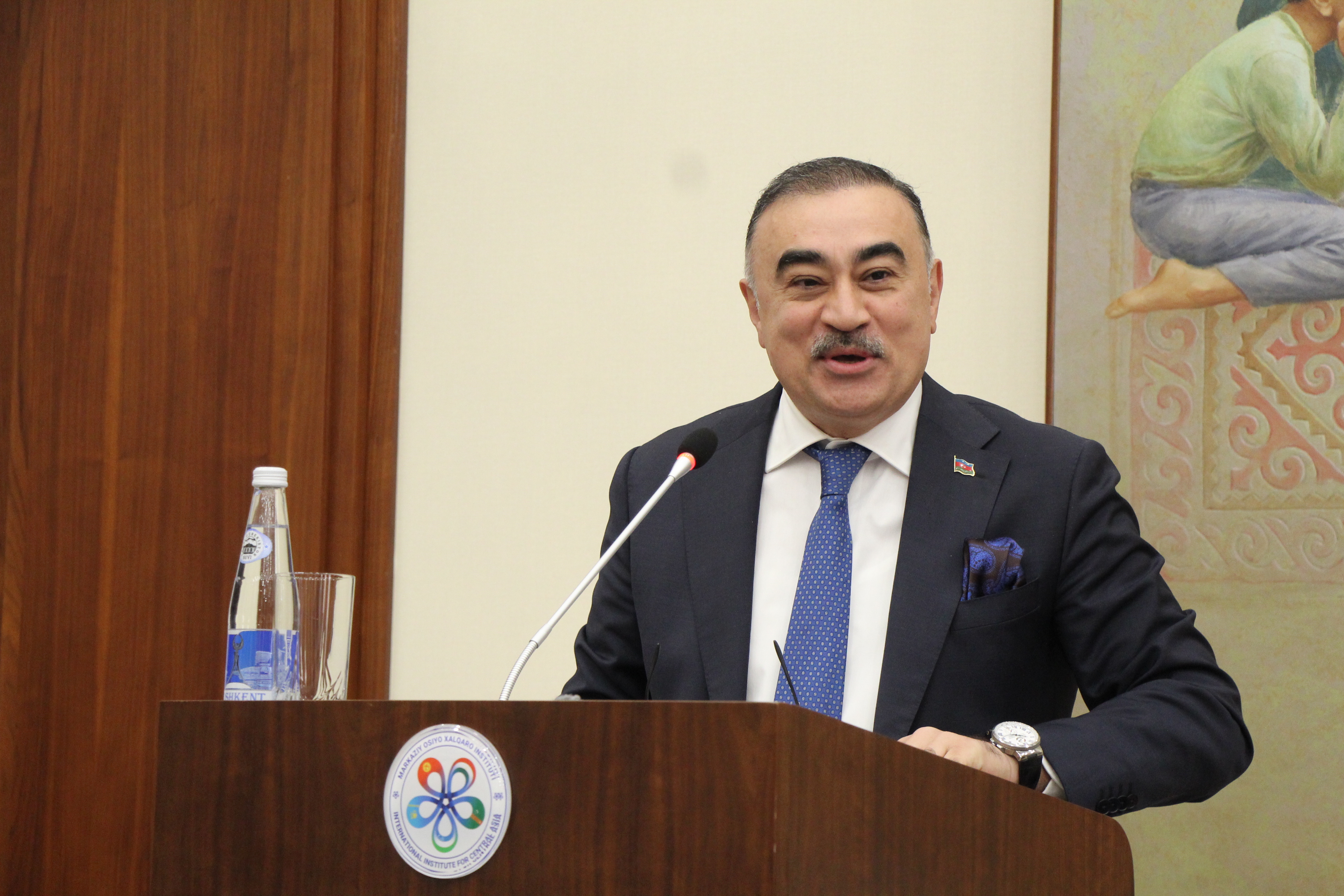
He described the Eighth Consultative Meeting of the Heads of State of Central Asia, held for the first time in a fully fledged six-country format, as a historic milestone reflecting a natural process of rapprochement driven by shared interests.
Azerbaijan’s participation creates new opportunities to align regional priorities and build closer cooperation between Central Asia and the South Caucasus. The Ambassador stressed that, for Azerbaijan, Central Asia is not only a region of historical and cultural ties, but also one of shared strategic interests, substantial economic opportunities and prospects for long-term partnership.
Stronger political dialogue at the highest level must, however, be accompanied by steady progress in practical cooperation. This makes it particularly important to implement the initiatives put forward in Cholpon-Ata and Avaza and translate the agreements reached into concrete action.
“Our future lies in strengthening the unity of Central Asia and Azerbaijan, built on trust, connectivity and a commitment to shared prosperity,” the Ambassador emphasised.
Kazakhstan’s Ambassador to Uzbekistan, Yeraly Tugzhanov, stressed that a fundamentally new architecture of interregional cooperation is taking shape, rooted in a shared history, close economic interdependence and genuine trust between leaders and peoples.
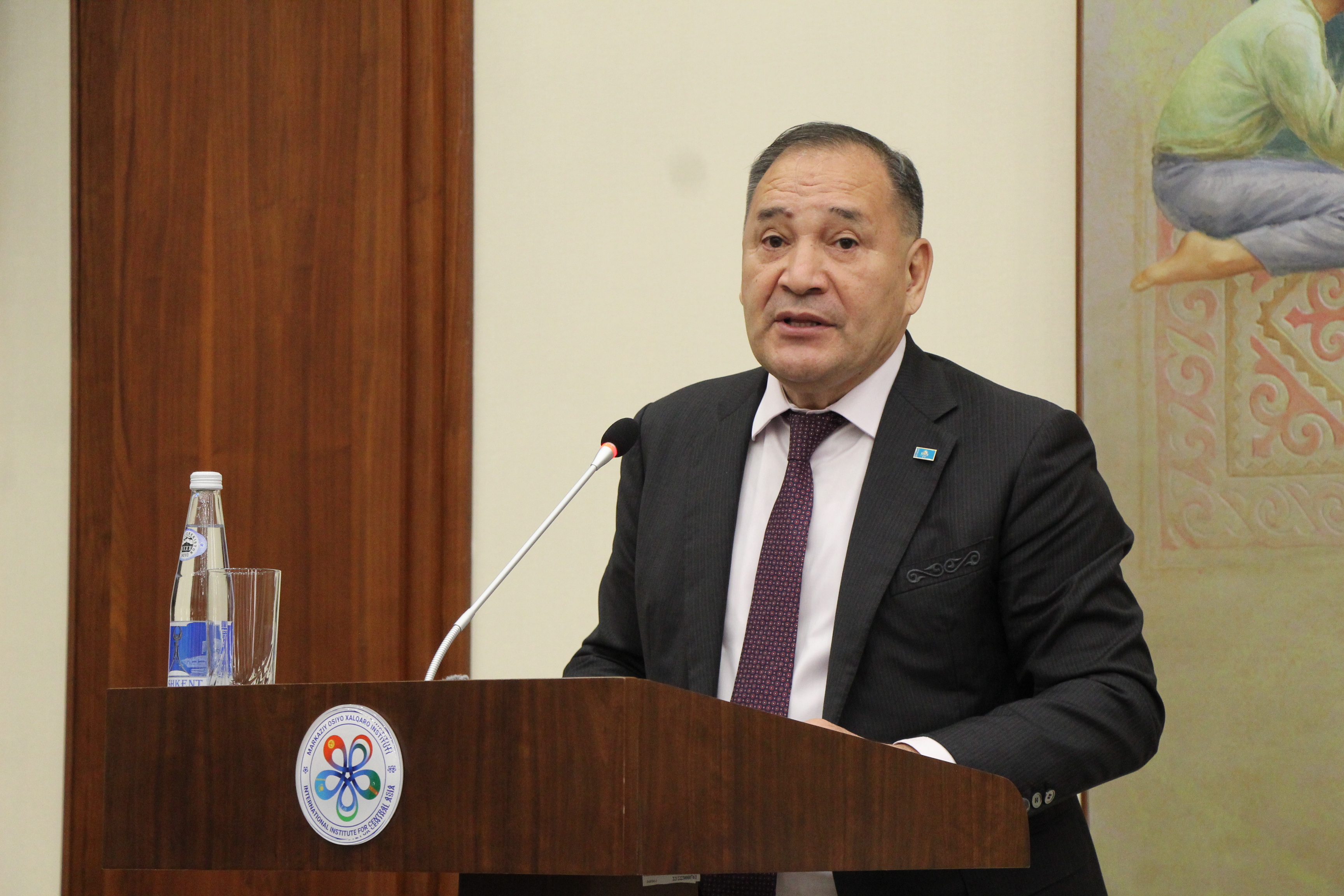
He noted that, for the countries of the region, Azerbaijan is not merely a neighbour across the Caspian, but a natural bridge to Europe and a key ally in the Caucasus. The development of the Middle Corridor is giving practical expression to this partnership: digital platforms for end-to-end customs clearance are being introduced, the capacities of the ports of Aktau and Baku are being expanded, and joint logistics hubs are being built. Meanwhile, the laying of subsea telecommunications links and power cables across the Caspian is turning this shared space into a digital and energy bridge between Asia and Europe.
“Our regions are no longer divided by the Caspian Sea. The Caspian has become a link between us — a bridge of friendship and shared prosperity,” he emphasised.
Reflecting on the summits’ outcomes, Kyrgyzstan’s Ambassador to Uzbekistan, Duishenkul Chotonov, noted that Central Asia is steadily strengthening as a region of political dialogue and mutual trust. He cited the countries’ support for one another on the international stage, including the support of the region’s states and Azerbaijan for Kyrgyzstan’s candidacy for a non-permanent seat on the UN Security Council for 2027–2028. He said Bishkek intends to use its membership to advance issues of particular importance to Central Asia.
“Kyrgyzstan views Azerbaijan’s inclusion as a natural extension of historical ties, a means of developing transport connectivity and an opportunity to create new avenues for economic cooperation,” he emphasised.
Speaking at the dialogue, Turkmenistan’s Ambassador, Shadurdy Meredov, stressed the importance of further strengthening regional cooperation based on peace, good-neighbourliness, mutual trust and sustainable development. He noted that Azerbaijan’s participation in the Consultative Meetings of the Heads of State of Central Asia was a natural outcome of many years of friendly relations and had opened up new opportunities for deeper cooperation.
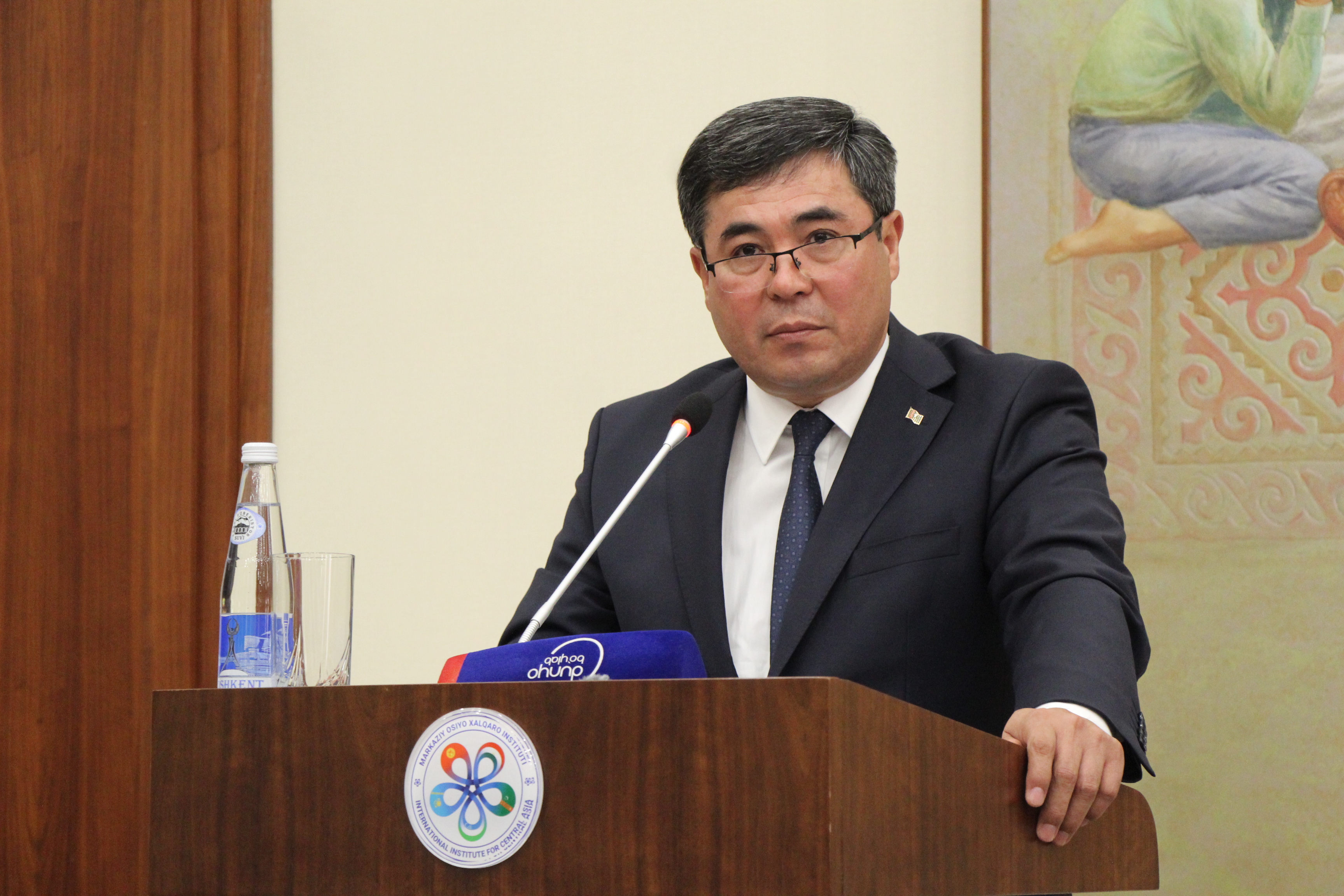
His remarks focused particularly on transport and logistics connectivity, energy and industrial cooperation. According to Meredov, Central Asia and Azerbaijan have considerable potential to develop East–West and North–South transport corridors, as well as the Central Asia–Caspian Sea–South Caucasus–Europe route. He highlighted the important role of the Turkmenbashi International Seaport and closer cooperation between Turkmenistan, Azerbaijan and Kazakhstan.
Meredov also underlined the significance of the “Six Economies — One Product” initiative, aimed at strengthening industrial cooperation and building resilient regional production chains.
“Guided by the principles of permanent neutrality, good-neighbourliness and cooperation on an equal footing, Turkmenistan stands ready to continue contributing constructively to the six-country dialogue,” he emphasised.
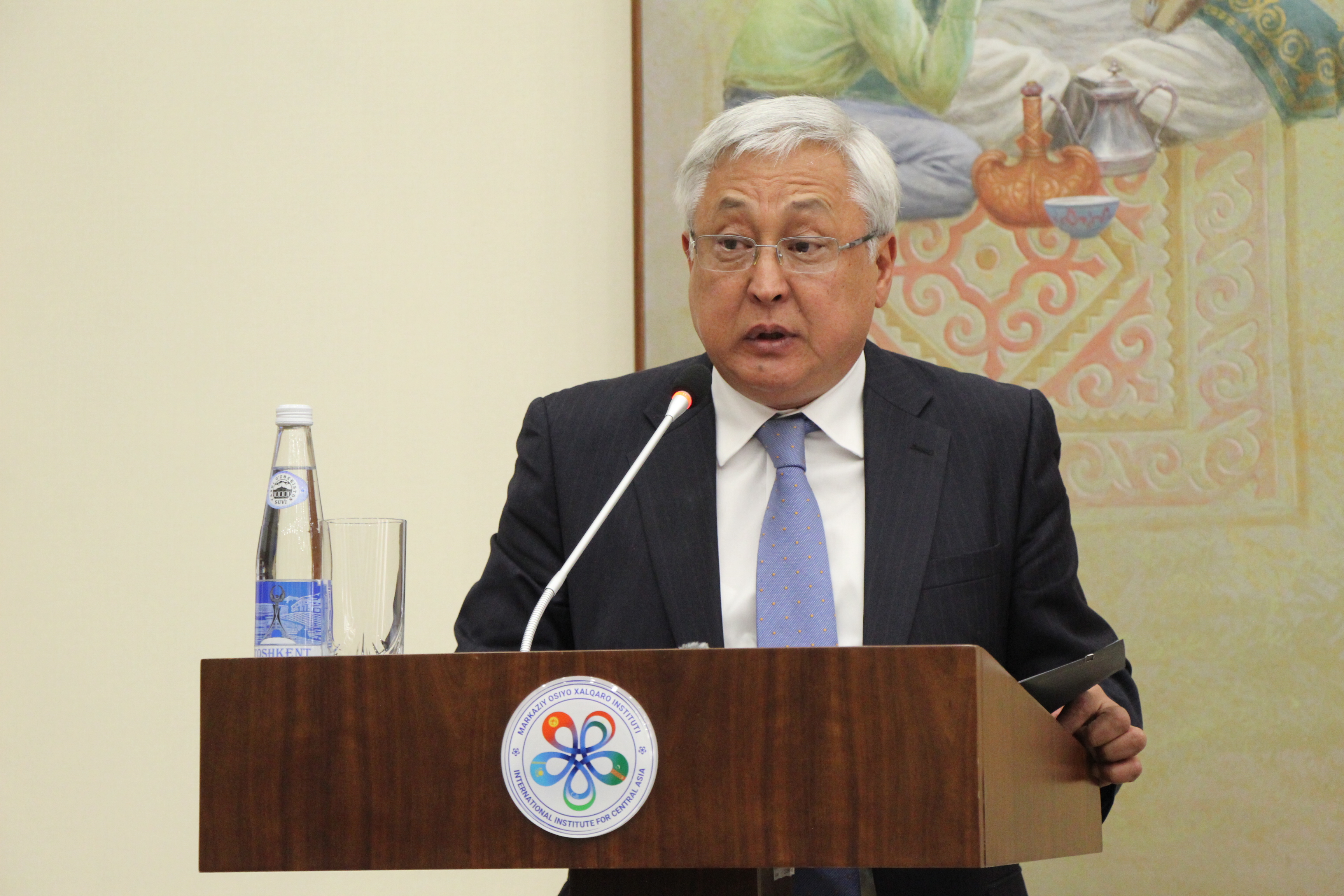
Rakhshona Sultoni, Counsellor at the Embassy of Tajikistan in Uzbekistan, stated that the Consultative Meetings of the Heads of State of Central Asia had laid a solid foundation for strengthening regional trust and moving towards practical cooperation. Eight rounds of meetings have established a substantial framework of treaties and agreements, creating conditions for expanded trade, investment and joint projects. She also highlighted the expansion of the format to include Azerbaijan.
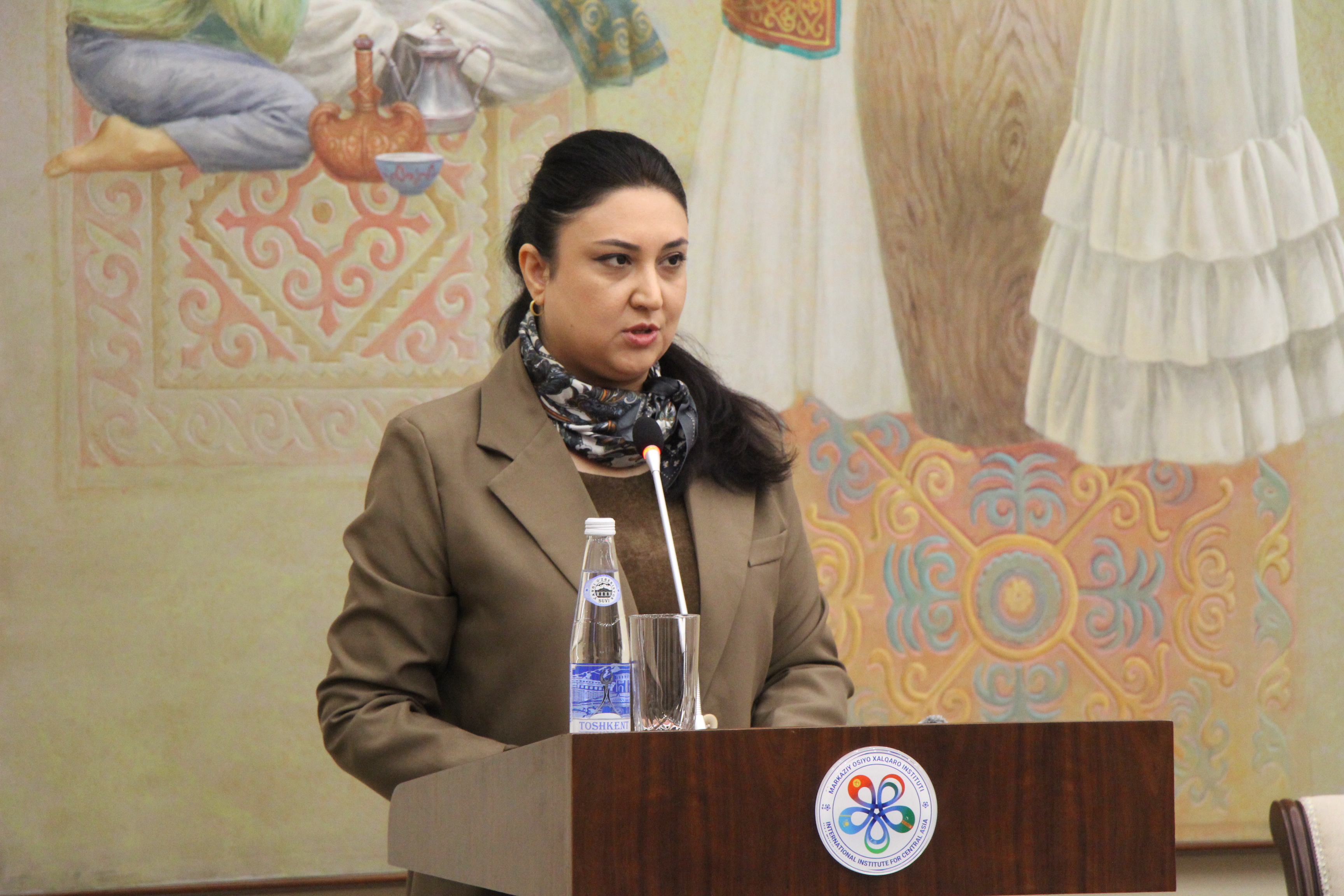
Among the priorities ahead, Sultoni identified joint investment and infrastructure projects, the removal of trade barriers, stronger business ties, and expanded academic, educational and cultural exchanges.
The central task remains to translate political understanding into tangible economic benefits and closer ties between people.
“It is equally important to preserve the open, equal and pragmatic nature of our cooperation, based on respect for each country’s national interests,” Sultoni emphasised.
The dialogue also featured open discussions on key issues of regional cooperation, including trade and investment, stronger transport connectivity and the development of new mechanisms for regional engagement.
The discussions reaffirmed the potential of the Consultative Meetings of the Heads of State of Central Asia as a strategic platform for strengthening regional trust, developing shared approaches to pressing issues and advancing mutually beneficial joint projects.
Participants stressed the importance of sustaining political dialogue at all levels, broadening partnerships and strengthening coordination mechanisms to advance shared priorities for sustainable development and stability.