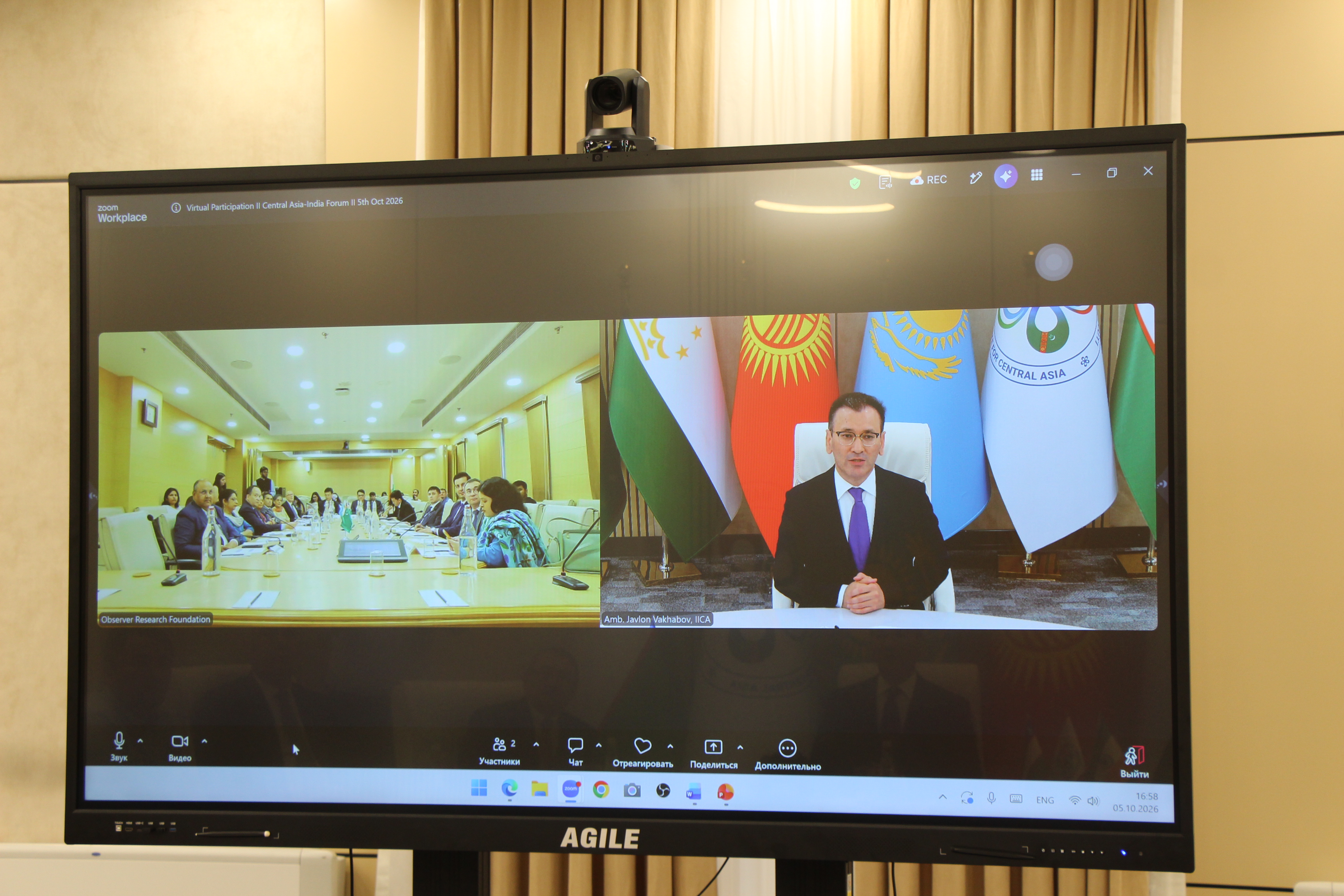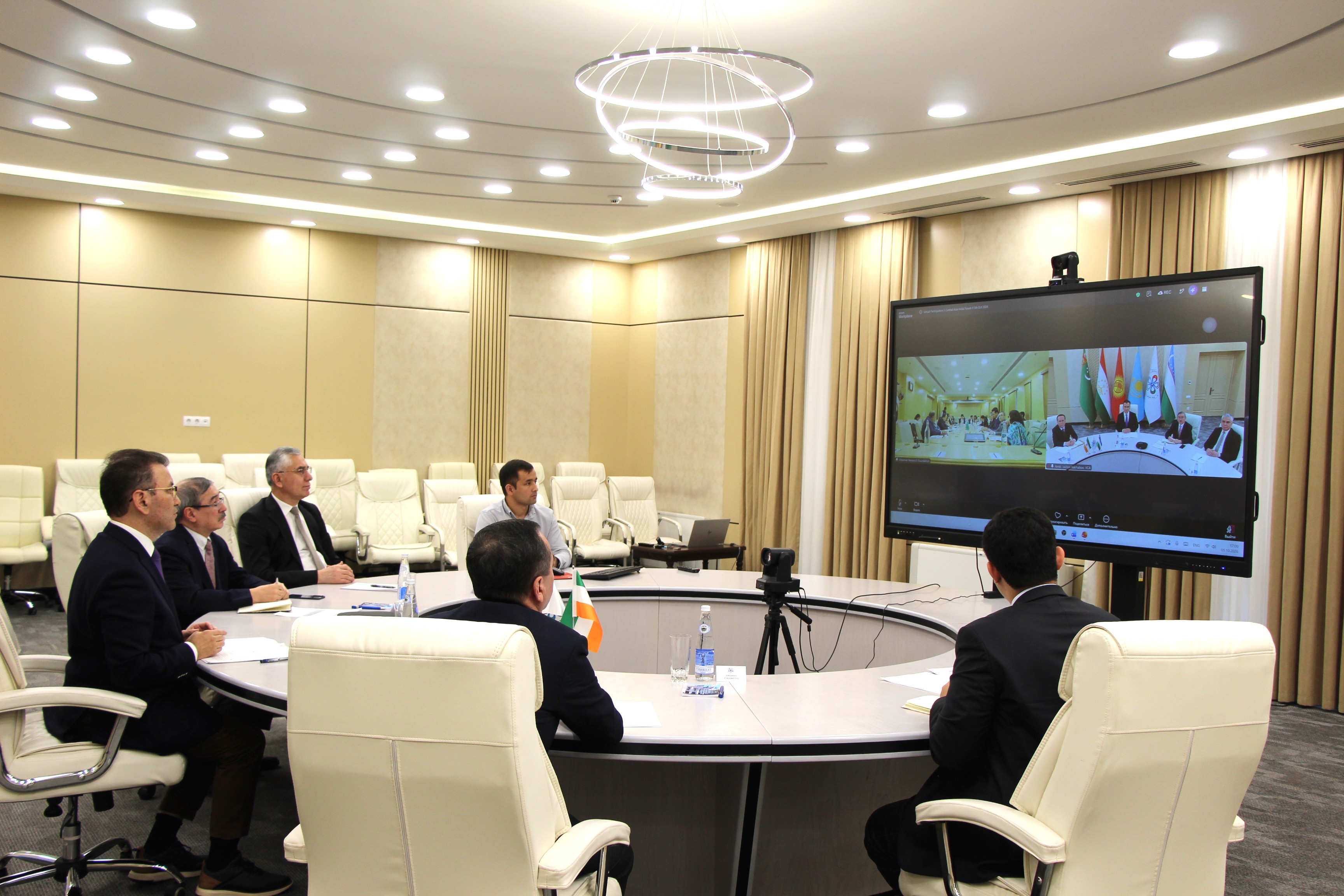
The Forum brought together diplomats, representatives of leading think tanks, research institutions and academic communities from India and Central Asia.
Over two days, participants explored opportunities to expand trade and investment, deepen cooperation in digital technologies, clean energy and critical minerals, strengthen transport connectivity, and advance partnerships in education, culture and skills development.
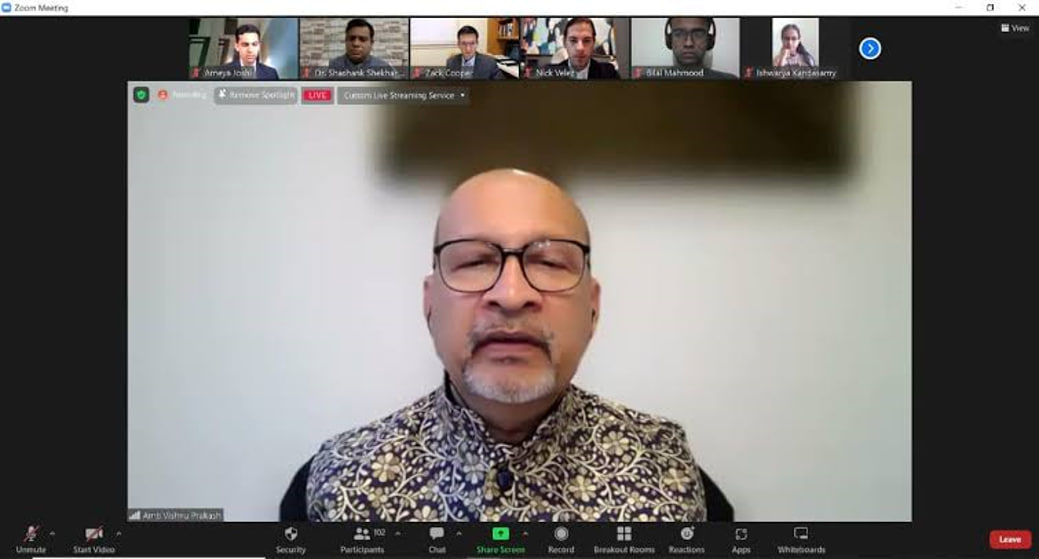
Opening the Forum virtually, Javlon Vakhabov, Deputy Adviser to the President of Uzbekistan on Foreign Policy and Director of IICA, highlighted the strong political and institutional foundations that have emerged in India–Central Asia relations in recent years. He noted the important role played by India's Connect Central Asia policy, high-level meetings and regular dialogue between foreign ministers.
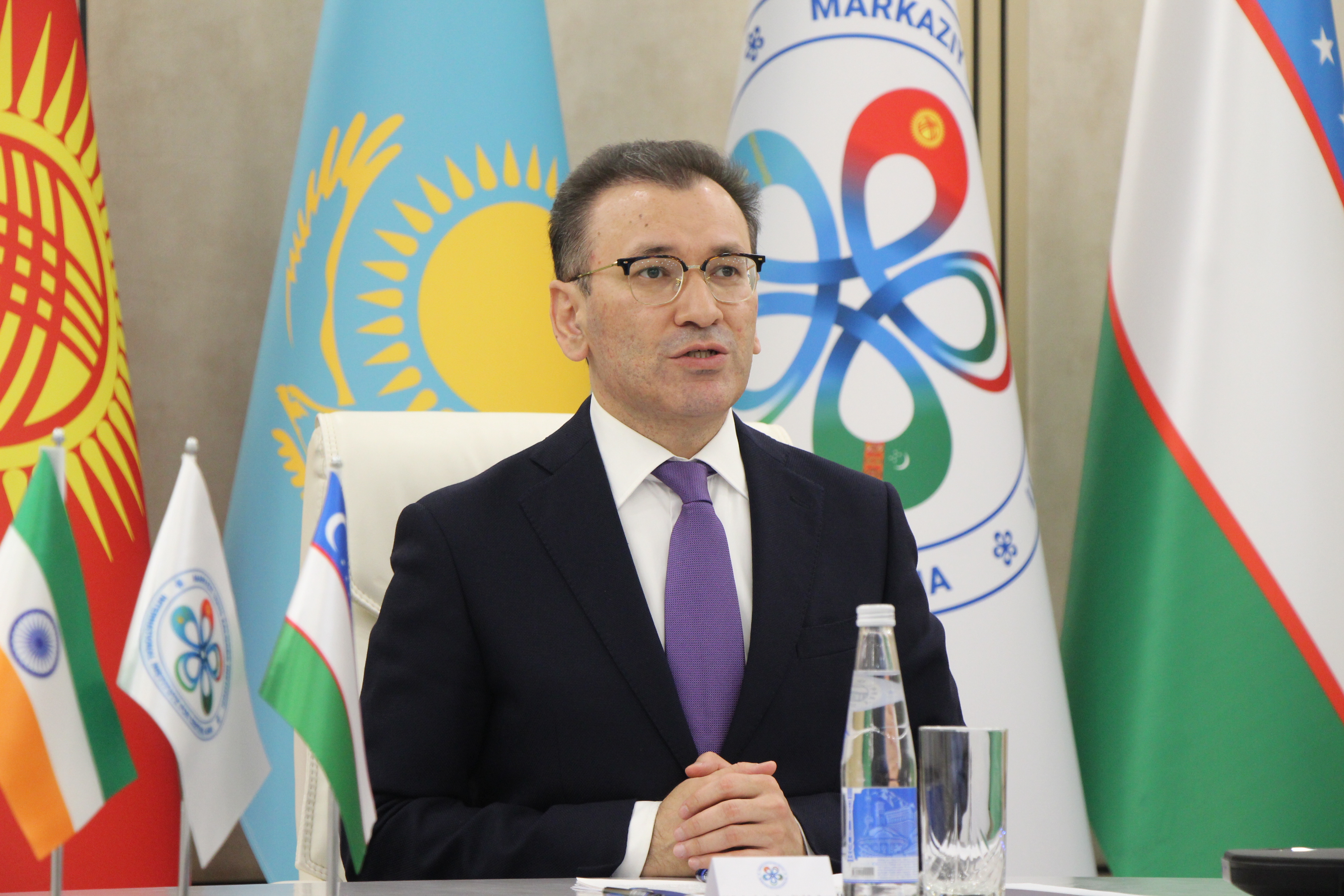
At the same time, Javlon Vakhabov observed that the strength of political ties had yet to translate fully into economic results. Although bilateral trade between India and Central Asia increased nearly 3.5-fold between 2010 and 2023, from $500 million to $1.7 billion, it remains well below the potential of both sides. He therefore emphasised the importance of moving beyond dialogue towards concrete joint investment, manufacturing and technology projects.
Sardor Rustambaev, Uzbekistan's Ambassador to India, underlined that contemporary cooperation builds on centuries of trade, cultural exchange and intellectual ties between the peoples of India and Central Asia. He stressed that expert dialogue could help turn this shared heritage into practical new initiatives.
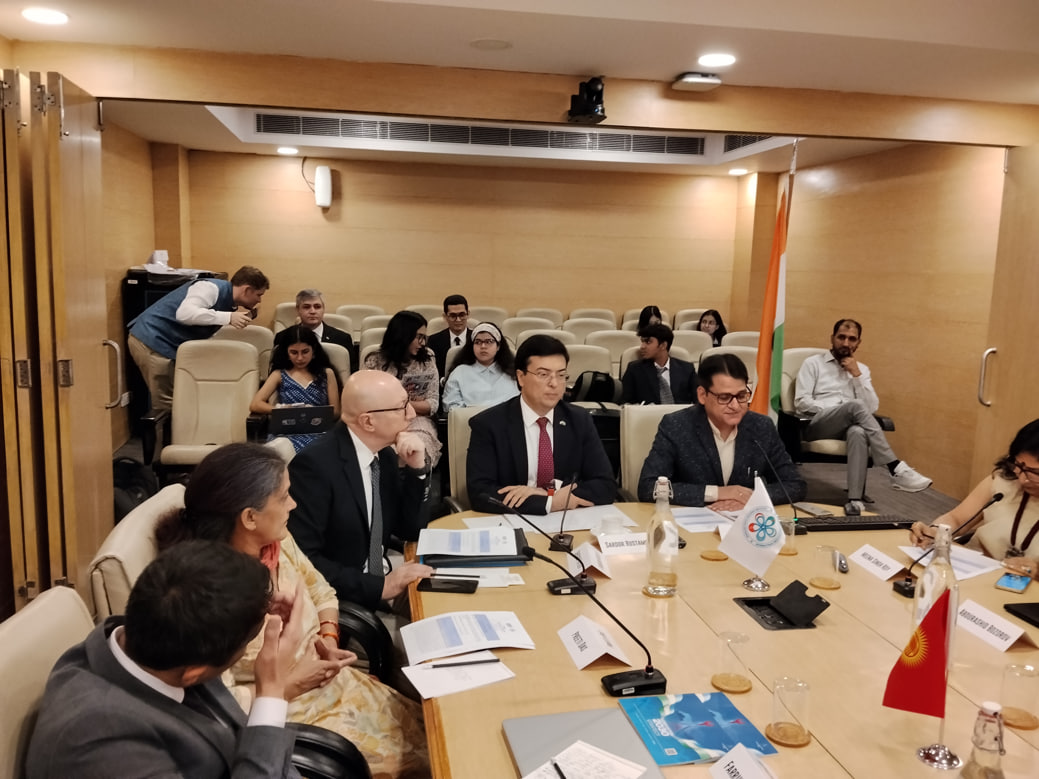
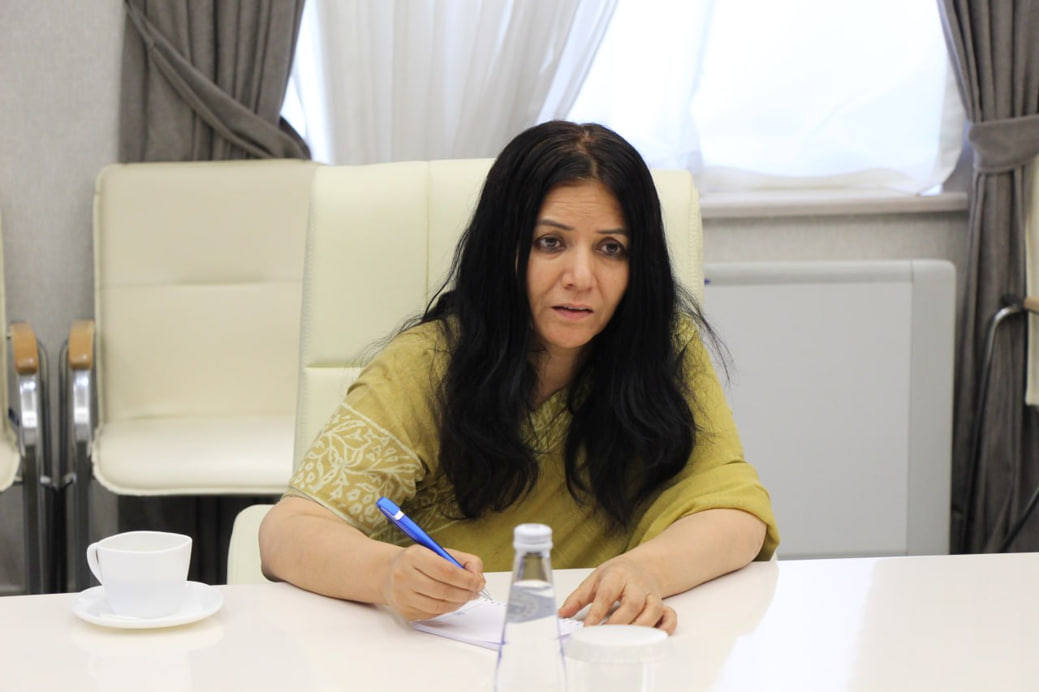
Smita Pant, India's Ambassador to Uzbekistan, welcomed the steady strengthening of bilateral relations and highlighted the importance of improving transport, digital and financial connectivity. She also stressed the need to develop trade infrastructure, improve payment mechanisms and expand logistics networks between India and Central Asia.
The Forum's first session focused on economic partnership, trade and investment, and opportunities for closer business cooperation.
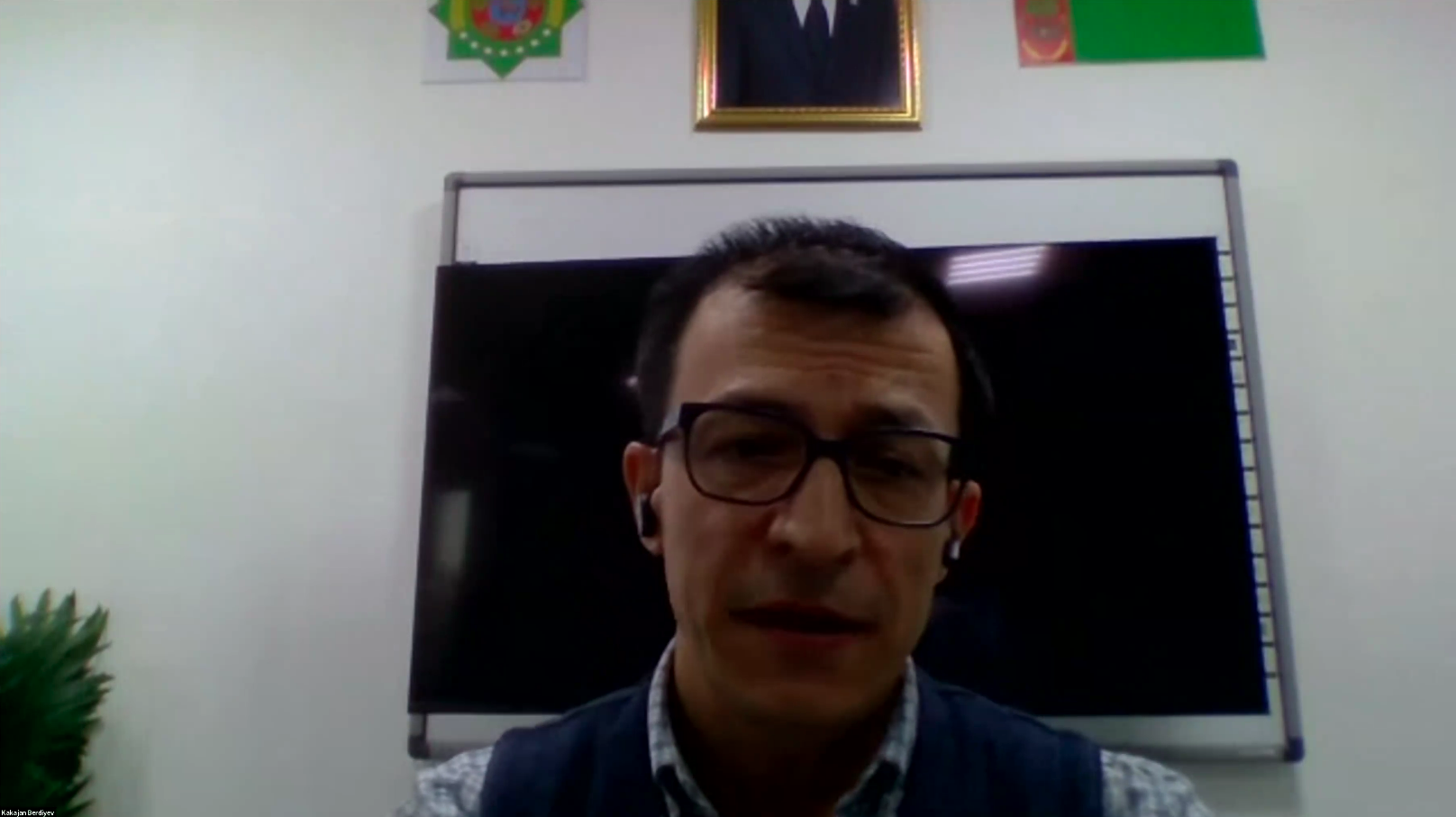
Kakajan Berdiev, an expert from Turkmenistan, called for moving beyond traditional trade towards joint manufacturing and regional value chains. He highlighted the potential for combining Central Asia's natural resources with India's industrial capabilities.
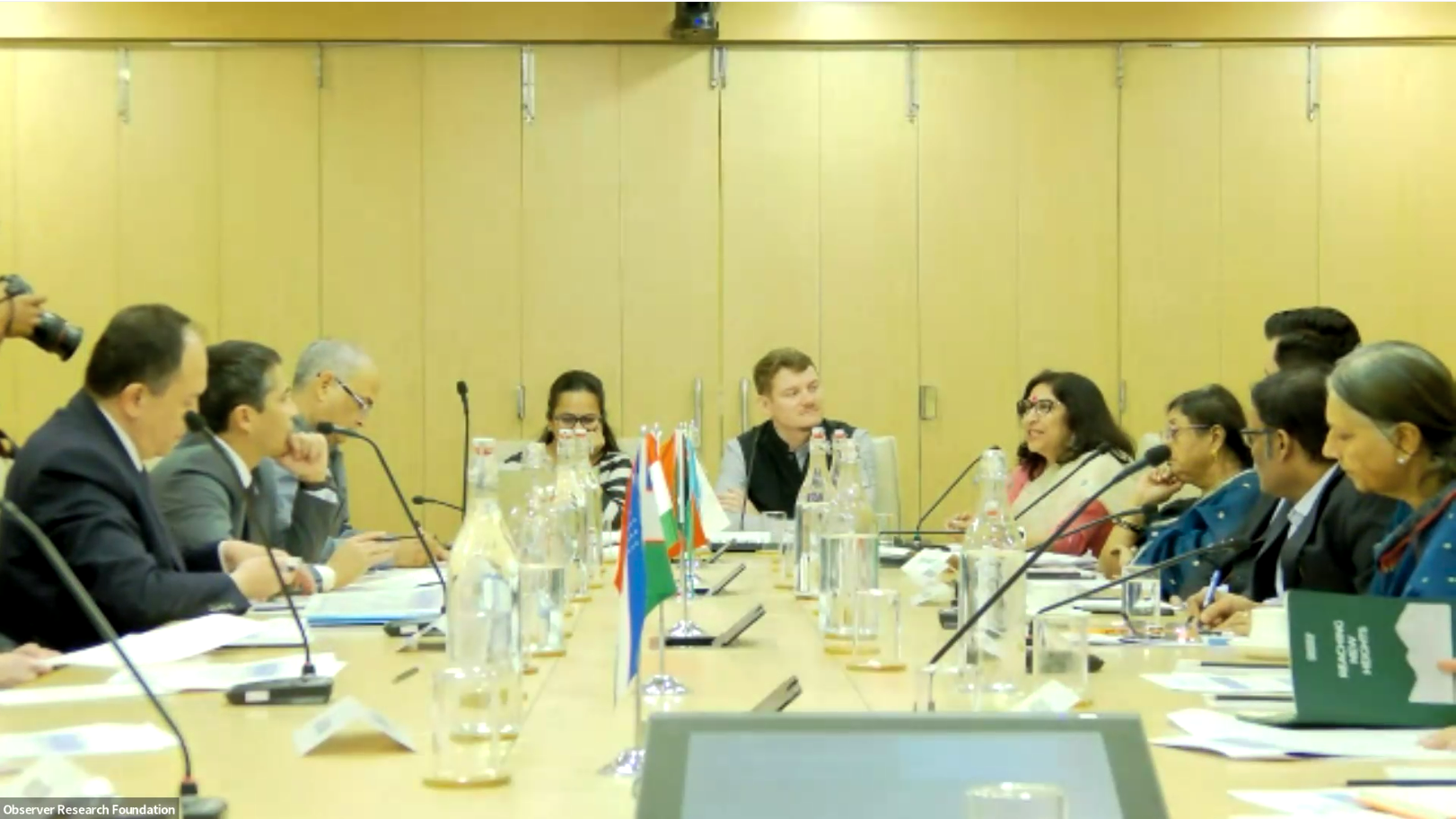
Indian expert Angira Sen Sarma outlined opportunities for cooperation in energy, agriculture, manufacturing and pharmaceuticals. Participants also stressed the need to address transport and logistics bottlenecks and strengthen investment, banking and financial ties.
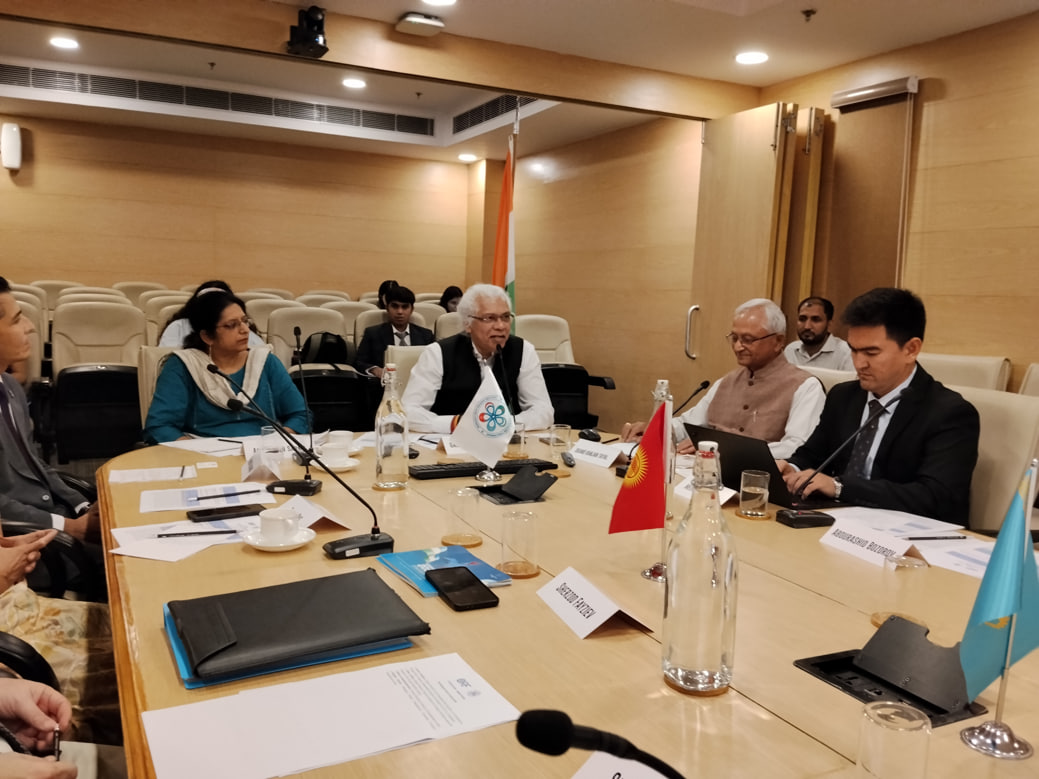
The second session explored cooperation in technology, clean energy and critical minerals, with discussions covering digital transformation, the adoption of artificial intelligence and the establishment of joint ventures in raw material processing.
Mina Singh Roy of the Tillotoma Foundation highlighted India's experience in digital public infrastructure, the use of satellite technologies to monitor water resources and agricultural land, and opportunities for cooperation in critical minerals. The discussion also explored the potential for trilateral projects involving Central Asia, India and Japan, bringing together natural resources, processing technologies and industrial capabilities.
Punit Gaur of the Indian Council of World Affairs (ICWA) emphasised the importance of developing cross-border fibre-optic networks, expanding broadband access, improving digital literacy and strengthening cybersecurity.
Participants also discussed a proposal to establish an India–Central Asia Digital Partnership Forum, with its inaugural meeting to be hosted in Uzbekistan.
The third session focused on strengthening transport connectivity and improving logistics.
Abdurashid Bozorov of Uzbekistan's Center for Economic Research and Reforms highlighted the importance of developing international transport corridors, including the North–South Corridor, making greater use of Chabahar Port and advancing the Trans-Afghan Railway project.
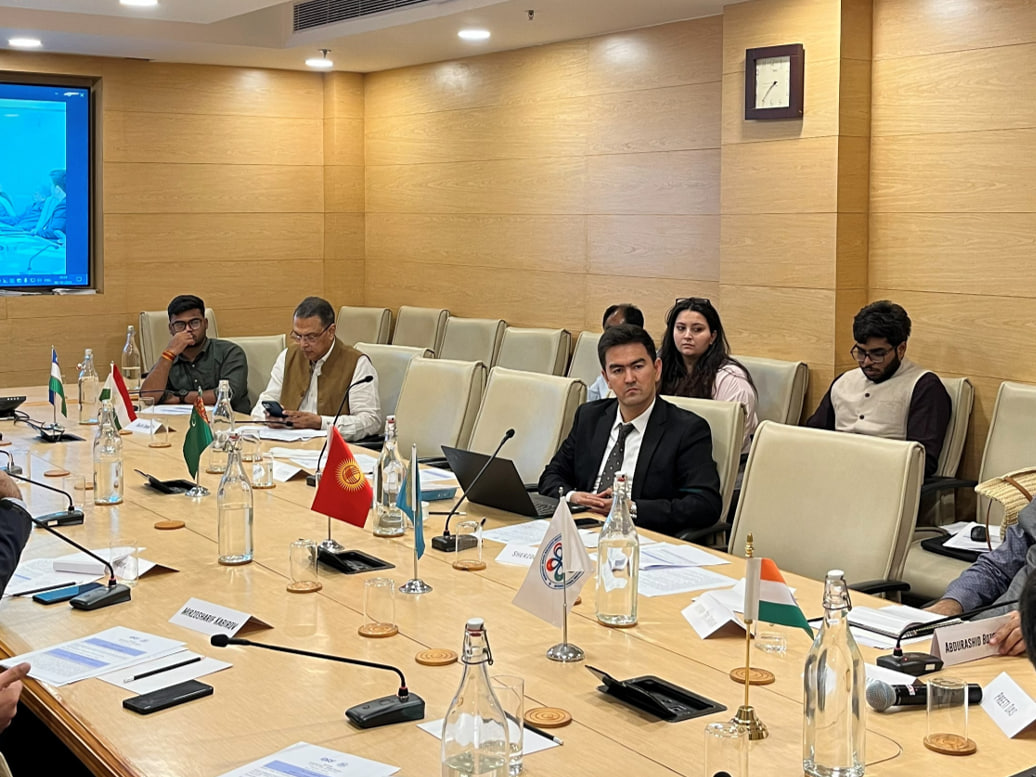
Aknur Saparova, an expert from Turkmenistan, stressed that resilient trade links should not depend on a single route but on a network of complementary transport corridors. Participants also highlighted the need to simplify customs procedures, expand multimodal logistics and digitalise freight operations alongside infrastructure development.

The fourth session addressed cultural and humanitarian cooperation, education and investment in human capital.
Priti Das, Professor at Jawaharlal Nehru University, highlighted opportunities for joint initiatives in cultural heritage preservation, the development of creative industries and closer direct engagement between academic and professional communities.
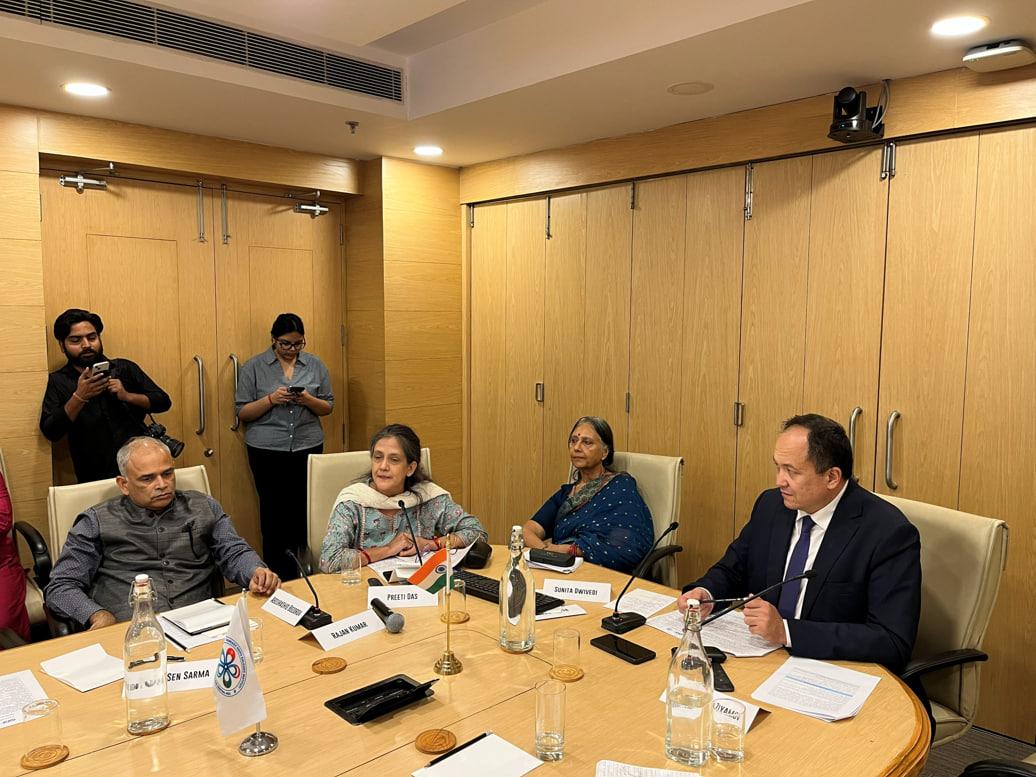
Summing up the Forum, Nandan Unnikrishnan, Senior Fellow at ORF, pointed to the considerable untapped potential of India–Central Asia cooperation. He emphasized that stronger practical partnerships would depend on reliable transport links, digital technologies, closer educational cooperation and deeper people-to-people ties.
At the conclusion of the two-day Forum, participants reaffirmed the importance of maintaining regular expert dialogue, undertaking joint research and developing practical recommendations to support a stronger, long-term partnership between India and the Central Asian countries.