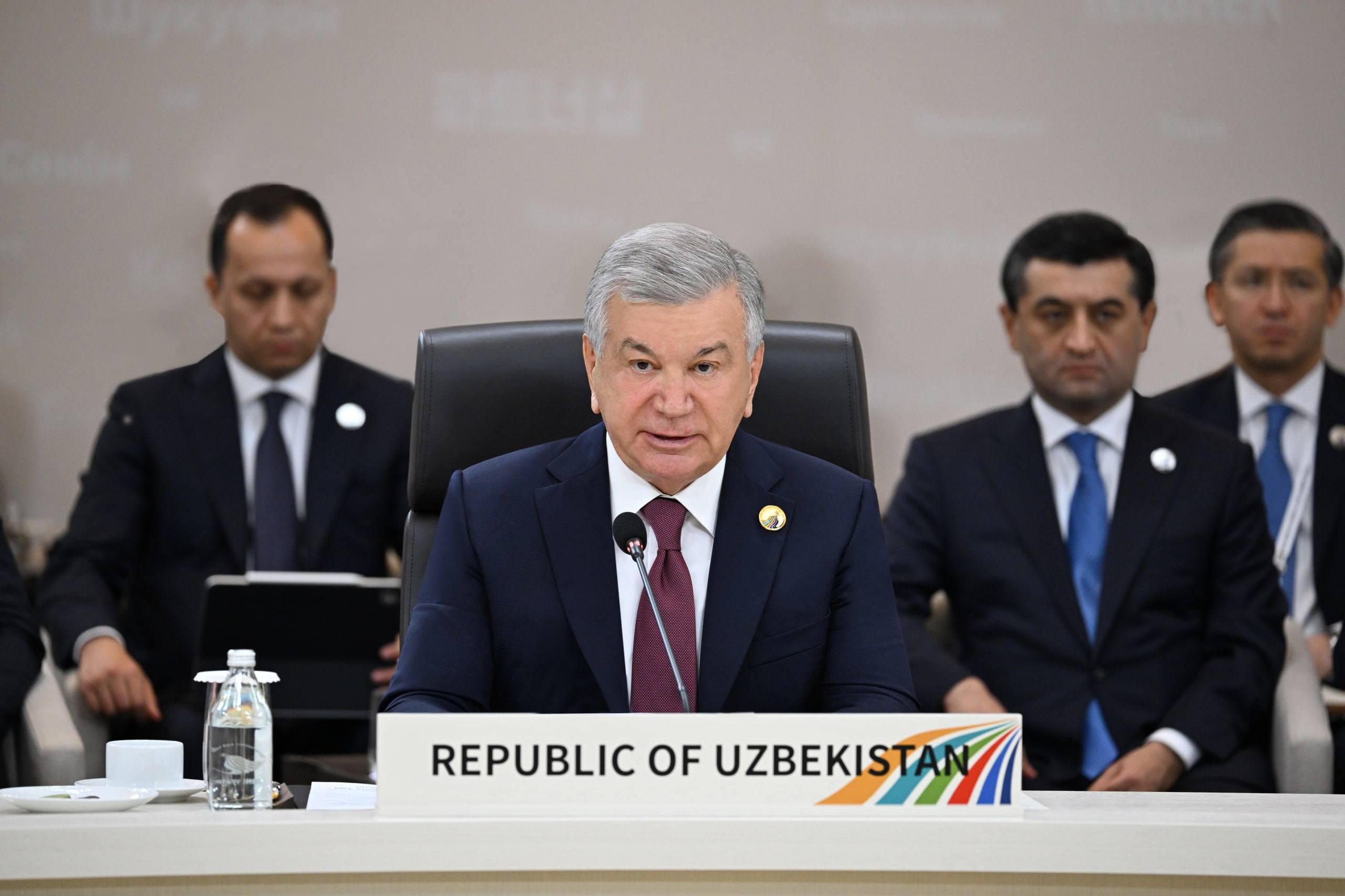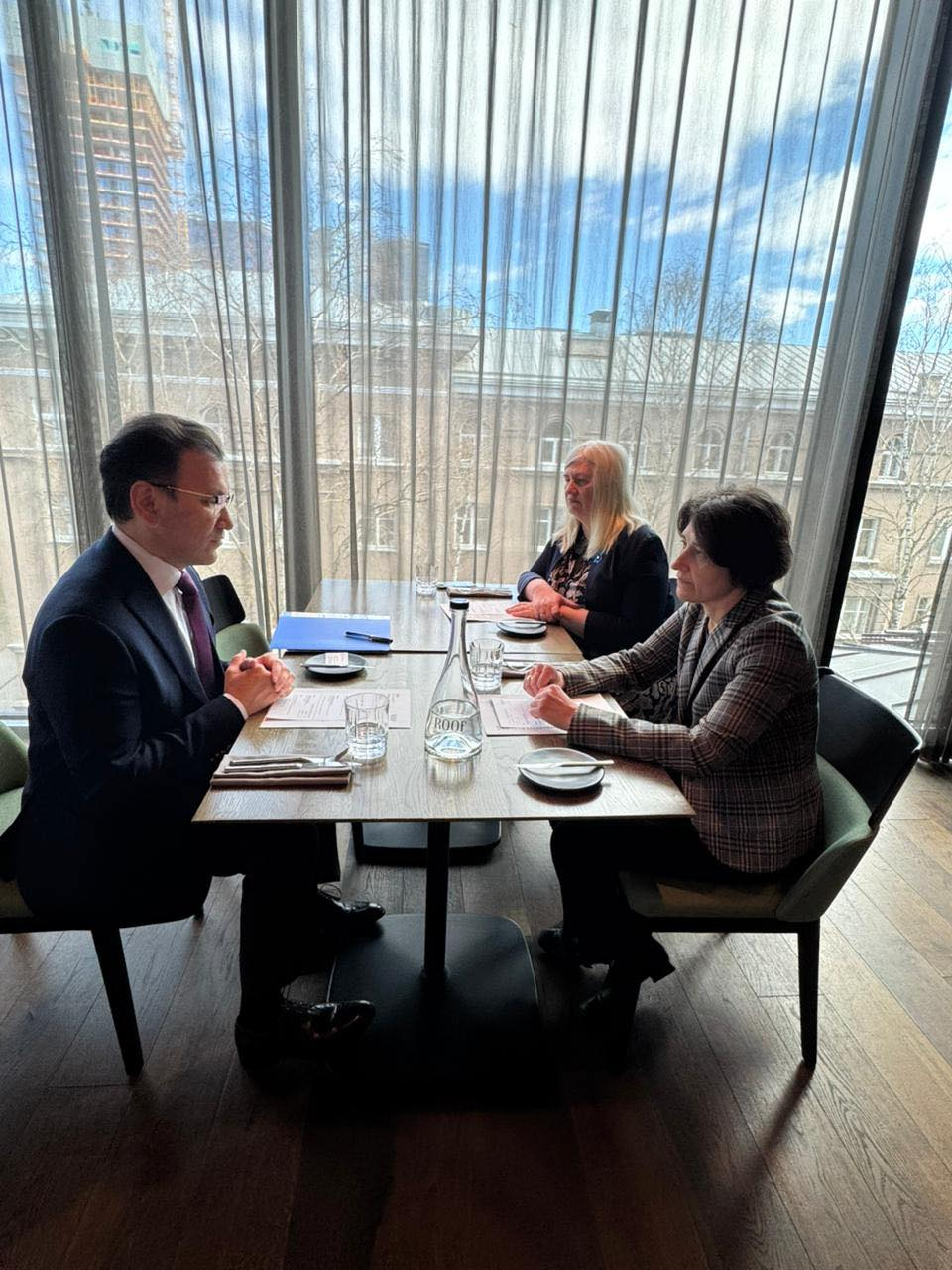
During the meeting, the parties discussed the ongoing regional transformation in Central Asia, the outcomes of the Tashkent Summit of Central Asian leaders with the participation of Azerbaijan, as well as opportunities for expanding “C5+” cooperation formats, including engagement with the Baltic States.
Javlon Vakhabov noted that a new dynamic of cooperation is emerging in Central Asia, based on deeper regional coordination, broader partnerships, and the development of transport connectivity. According to him, these processes are creating additional opportunities for the region’s sustainable development, its more active integration into international economic processes, and the strengthening of cooperation with the European Union.
The parties also emphasized the significant potential for developing interregional cooperation between Central Asia and the Baltic States in such areas as transport and logistics, trade and investment, digitalization, green energy, education, and people-to-people ties.
In conclusion, the parties highlighted the importance of strengthening links between think tanks of the two regions in order to develop practical proposals and shape the agenda for high-level and summit-level dialogue in the future.