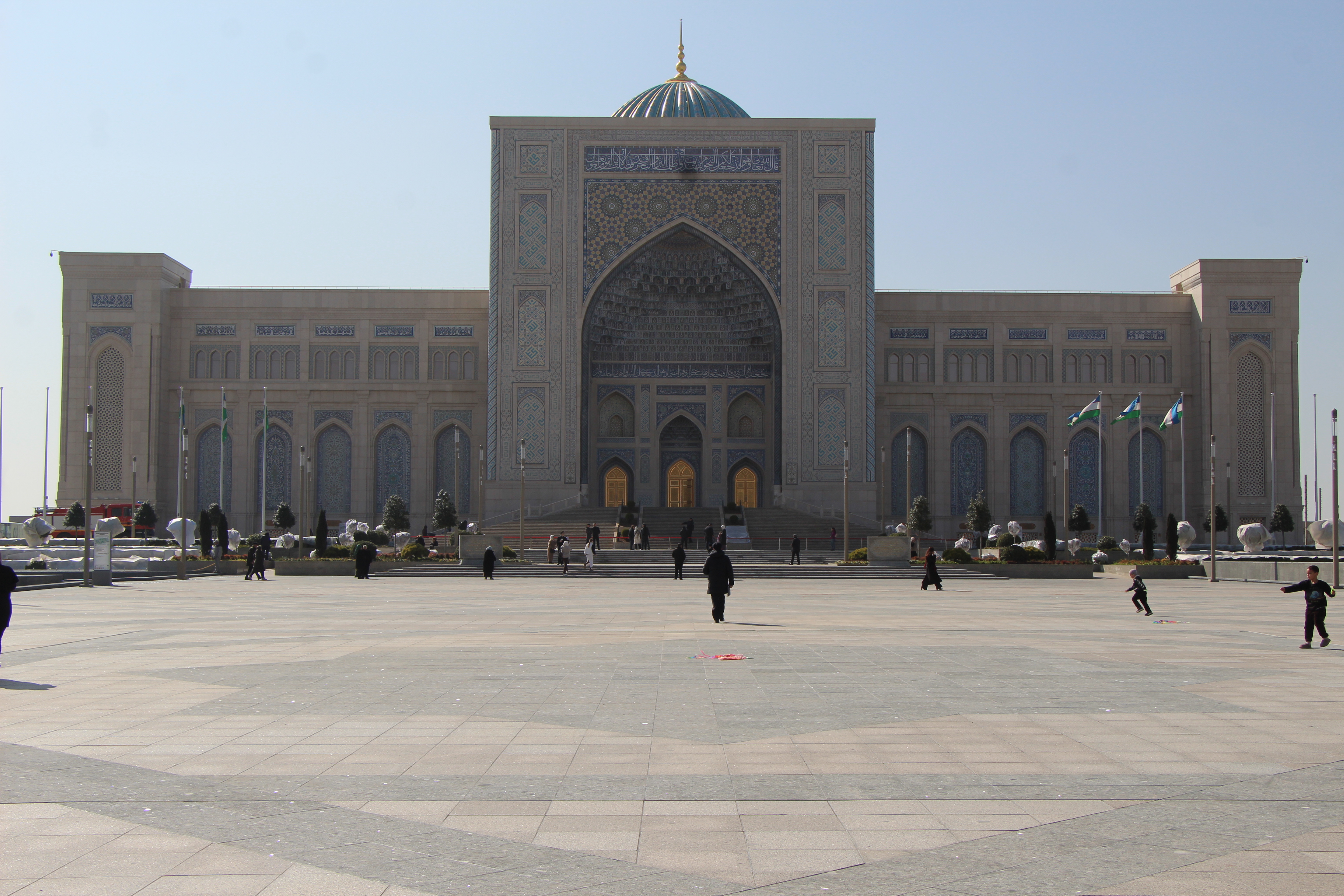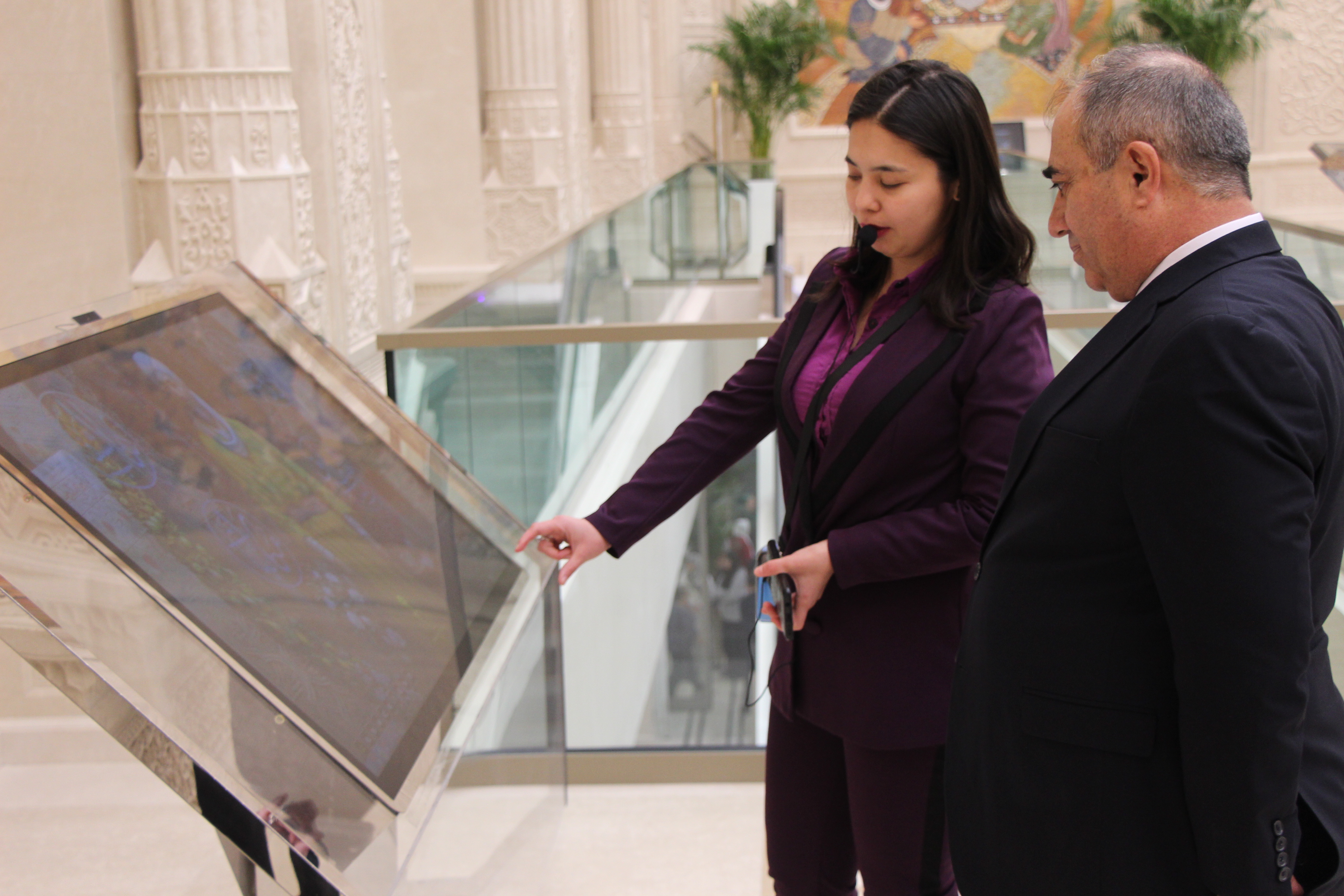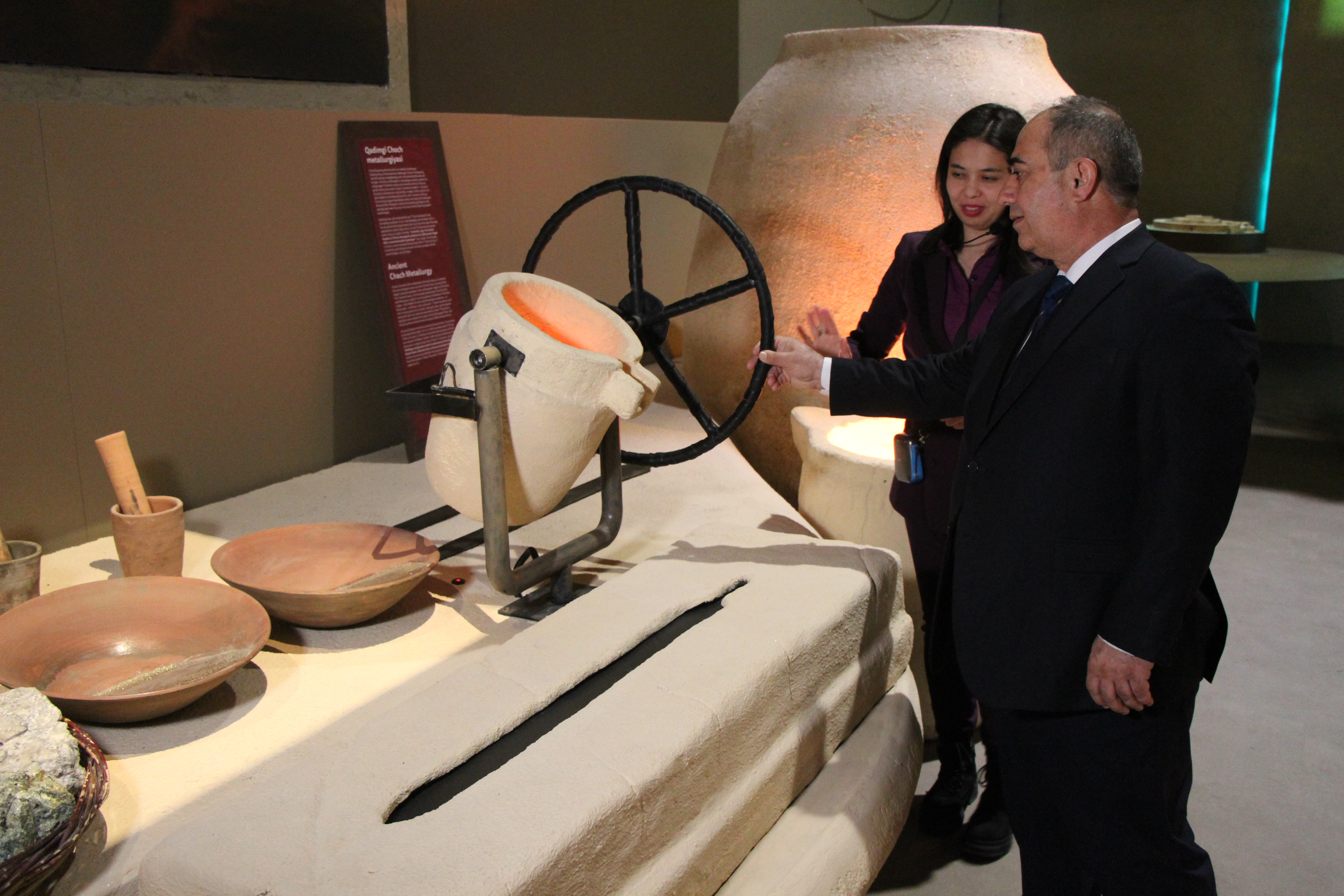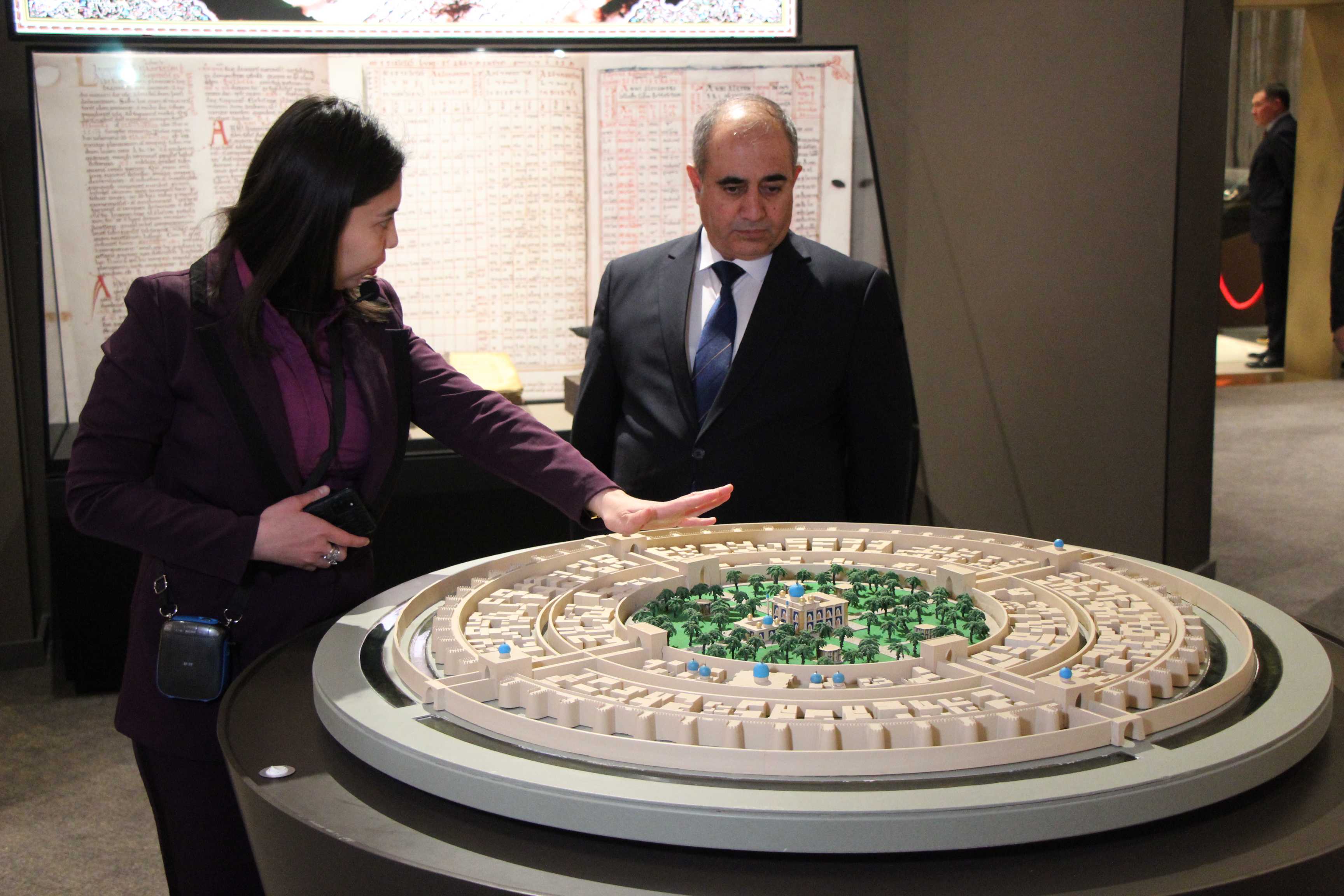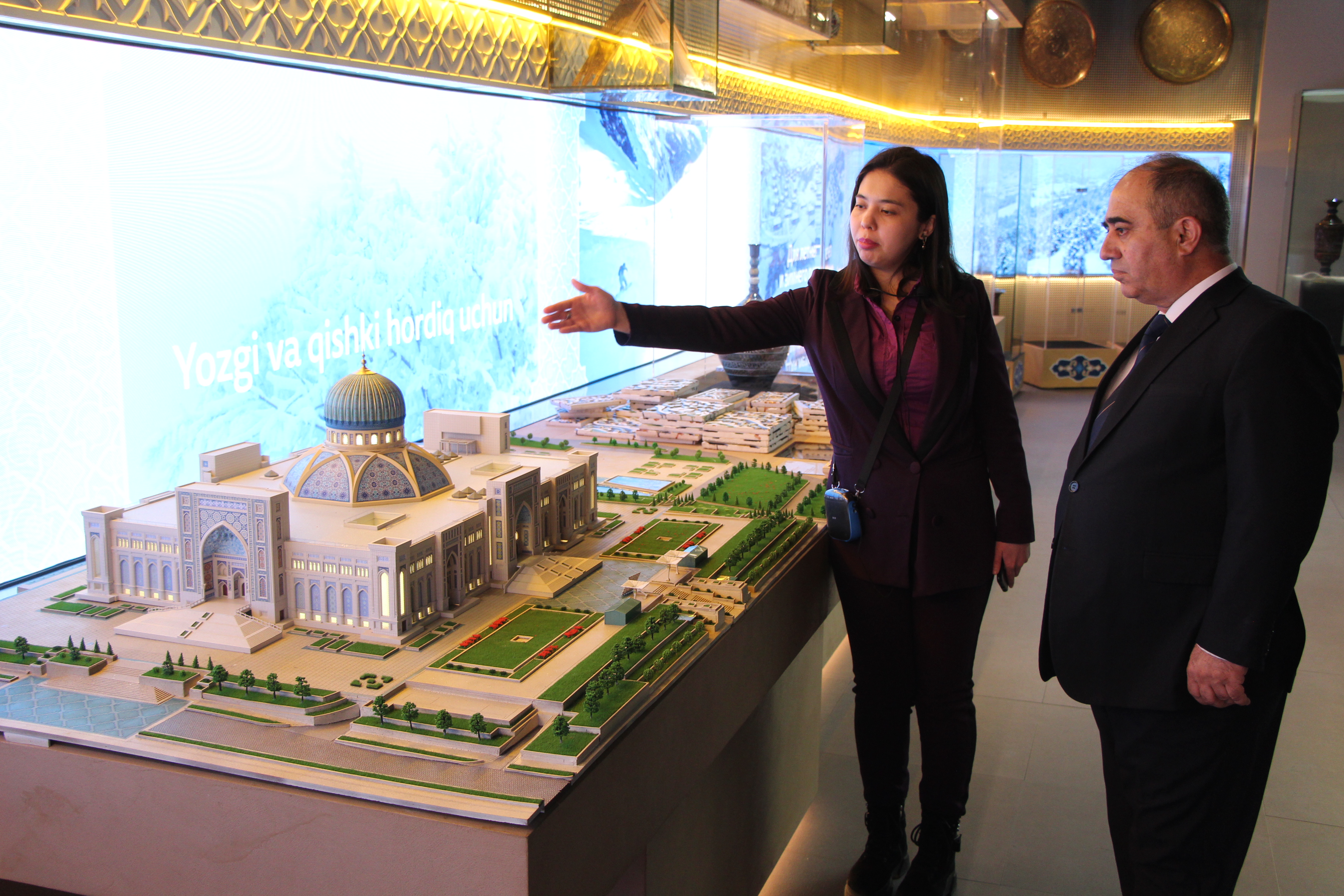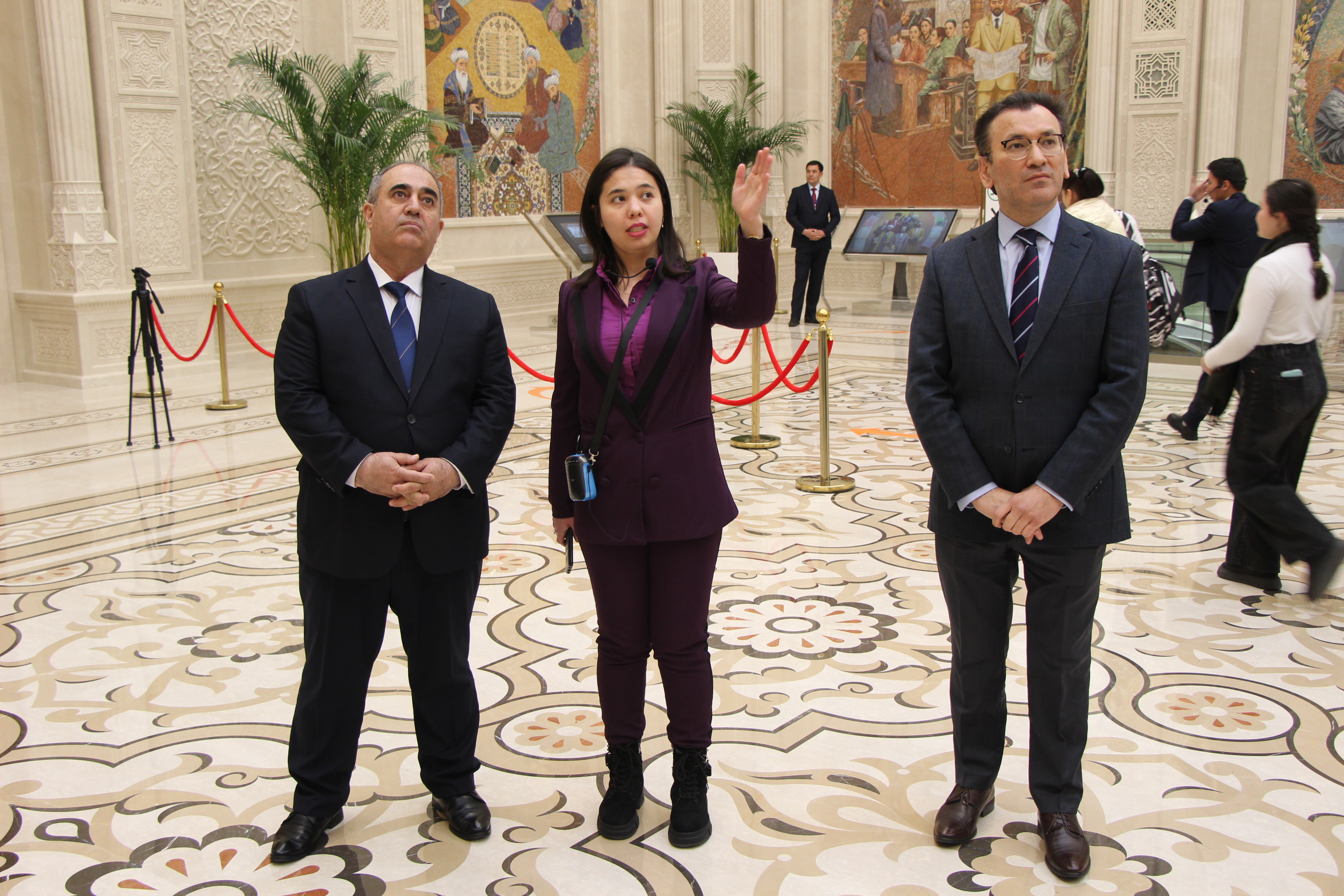
Khayriddin Usmonzoda expressed deep admiration following his visit to the Islamic Civilization Center, emphasizing that this unique complex is rightfully regarded as a vivid symbol of the Uzbek school of architecture, as well as an embodiment of the region’s rich scholarly, historical, and spiritual potential.
The guest paid particular attention to the importance of preserving historical memory, maintaining respect for spiritual roots, and strengthening national identity. He noted that the peoples of Uzbekistan and Tajikistan are united by a shared historical and cultural heritage, and that the creation of such landmarks as the Islamic Civilization Center in Uzbekistan is a significant event for the entire region.
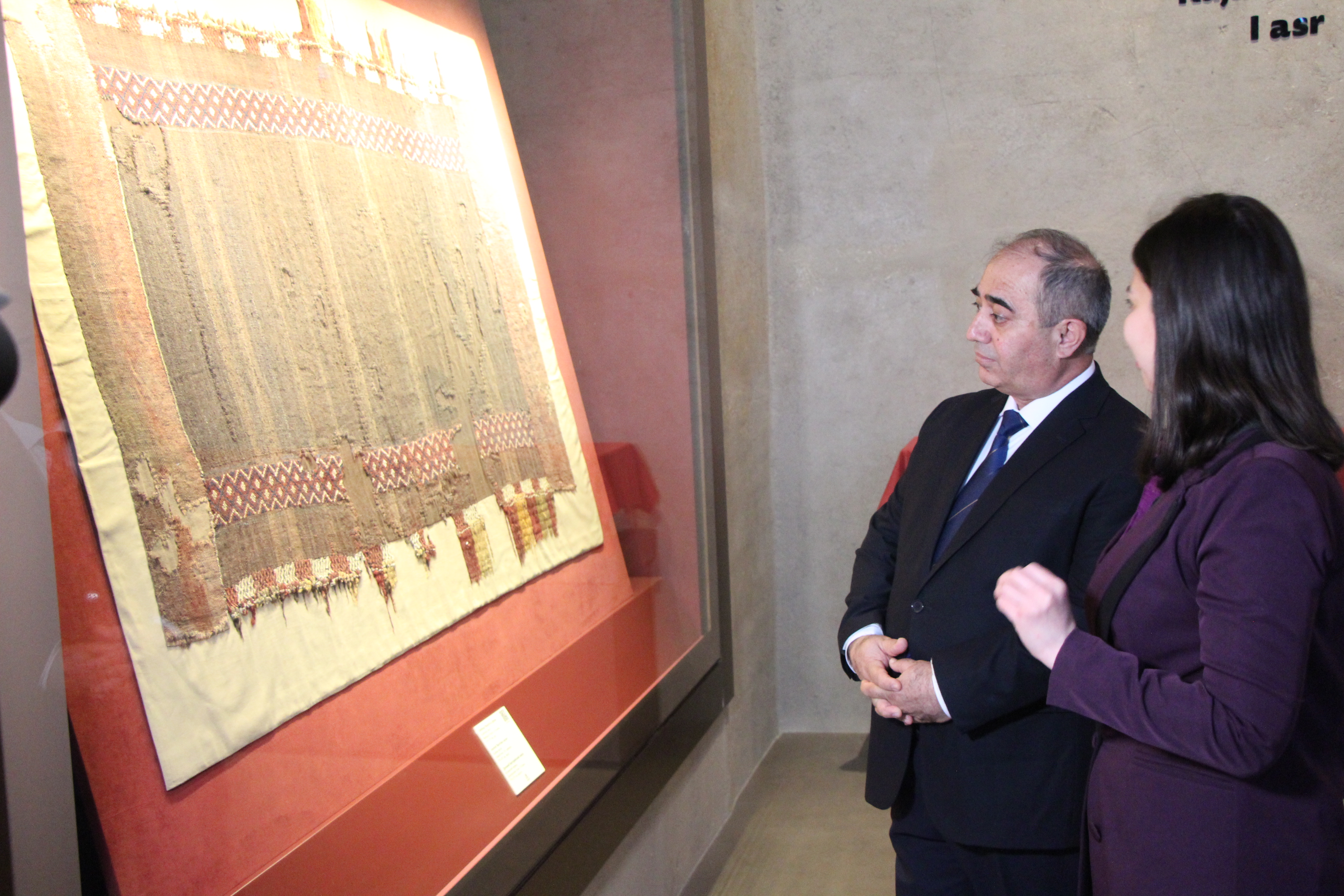
One of the most memorable and truly symbolic moments of the visit to the Center was the delegation’s opportunity to view one of the greatest sacred relics of the Islamic world – the Uthman Quran, rightfully regarded as one of the oldest Islamic relics in existence. The occasion acquired special significance as it took place during the holy month of Ramadan, which imbued the visit with even deeper spiritual meaning and a particular atmosphere of reverence.
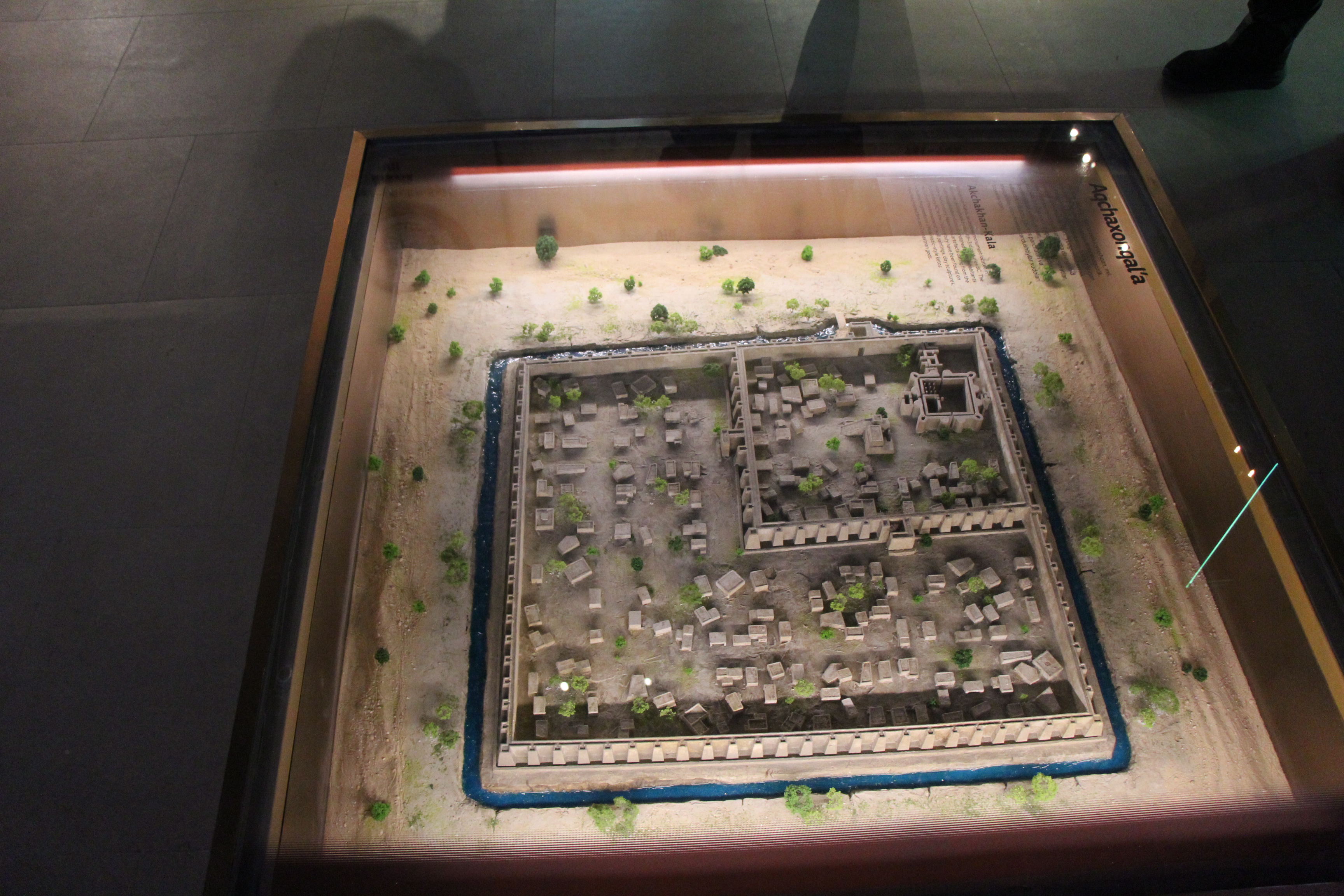
The delegation also showed great interest in the Center’s profound and richly developed concept. The complex’s exhibition space offers a comprehensive view of the region’s historical evolution, encompassing the periods of pre-Islamic civilizations, the First and Second Renaissances, the development of Uzbekistan in the twentieth century, as well as the emergence of New Uzbekistan and the New Renaissance.
It was noted that the Islamic Civilization Center in Tashkent has been named among the Six most anticipated museum openings of 2026, providing further evidence of growing international interest in Uzbekistan’s cultural and historical heritage.
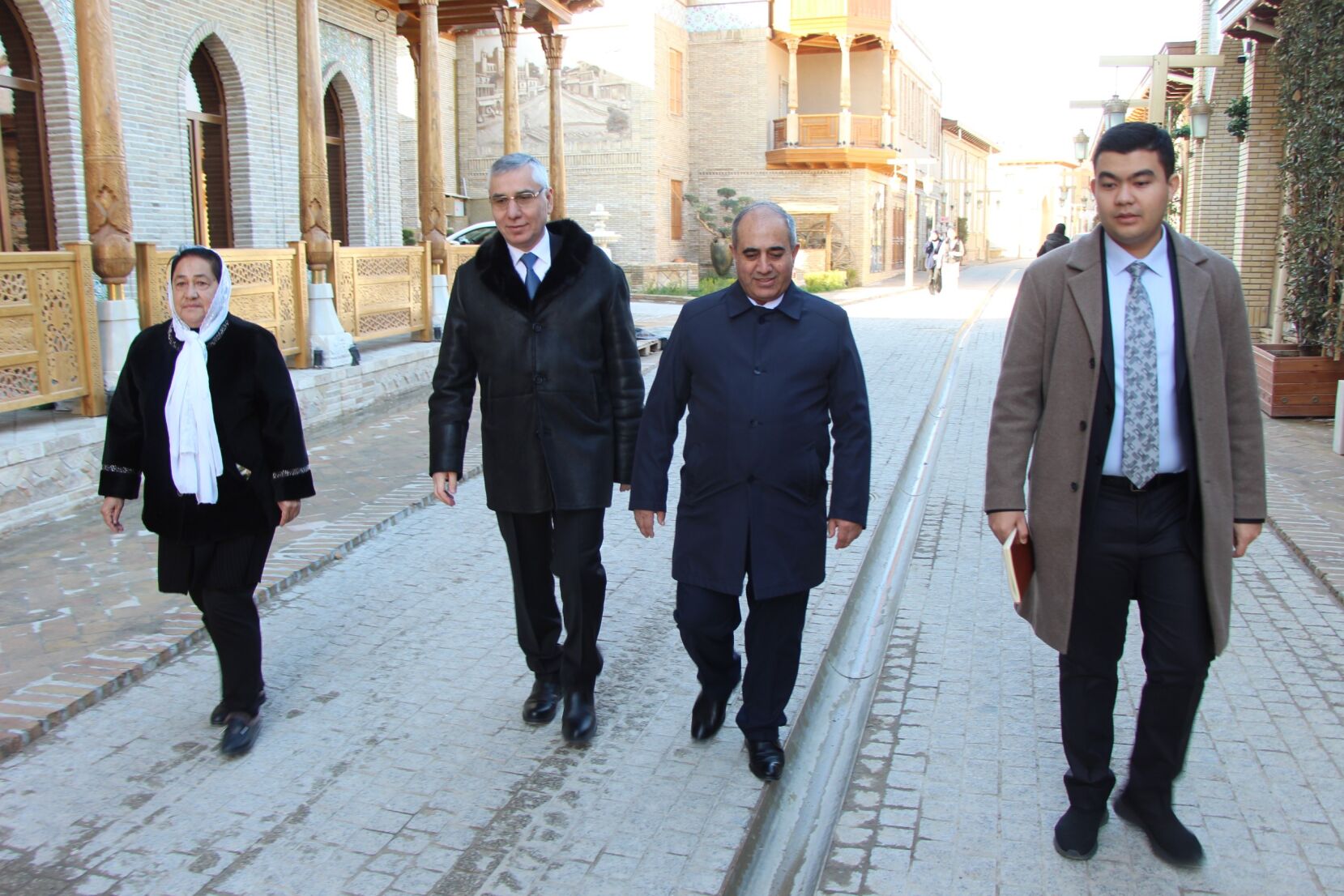
The next location on the cultural program was Zarkaynar tourist street, where, as was noted, every visitor can experience the unique atmosphere of “old” Tashkent, its historical energy and centuries-old distinctiveness, while at the same time witnessing how a new chapter is being shaped in the life of this ancient city.
Khayriddin Usmonzoda also highlighted the favorable conditions created there for the development of tourism, entrepreneurship, and the service sector, reflecting a successful combination of traditional character and modern approaches to urban infrastructure development.
Following the cultural program, high praise was expressed for the ongoing transformations in New Uzbekistan, which are helping bring peoples closer together, strengthen the atmosphere of friendship and mutual understanding, and further unlock the country’s rich tourism potential.