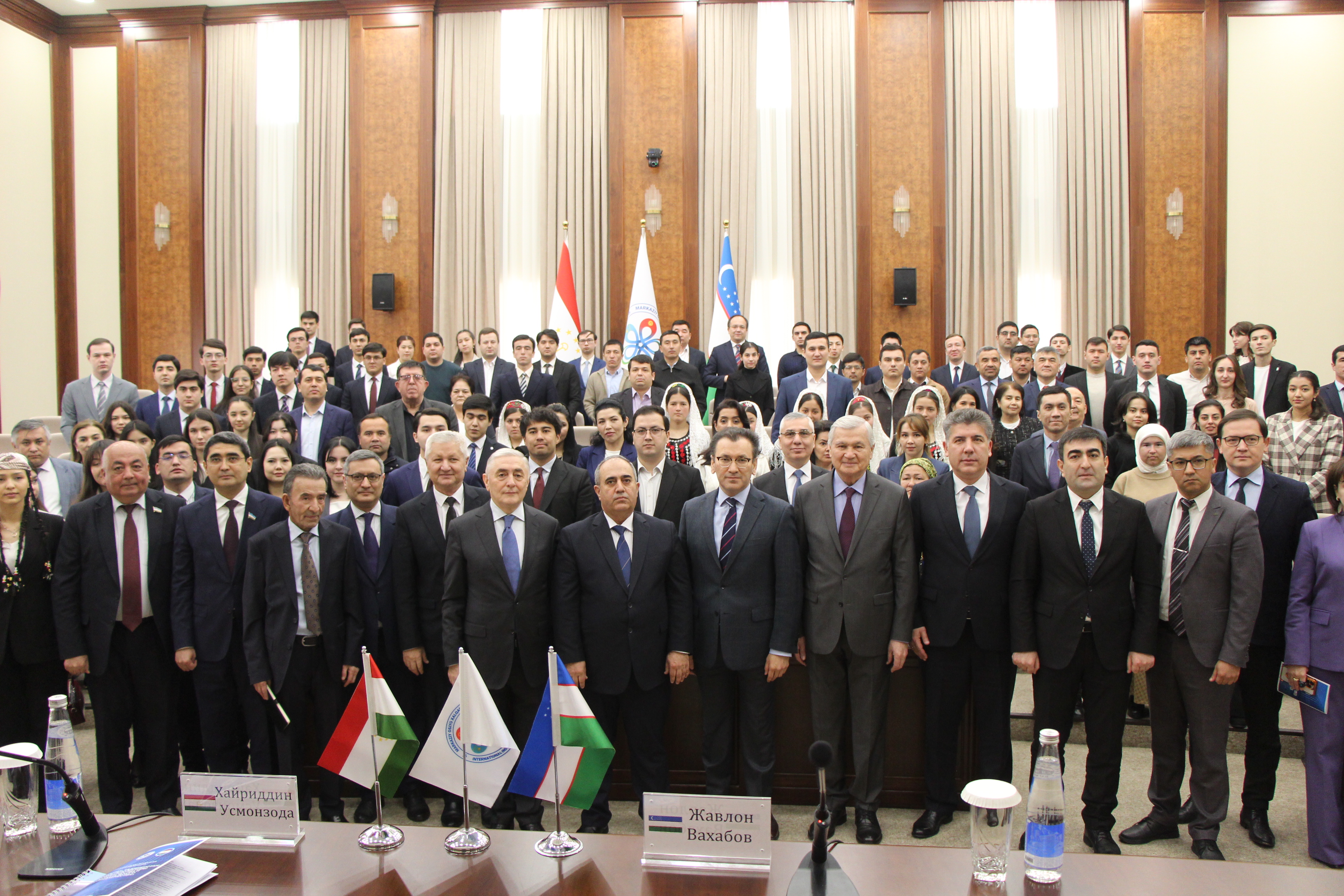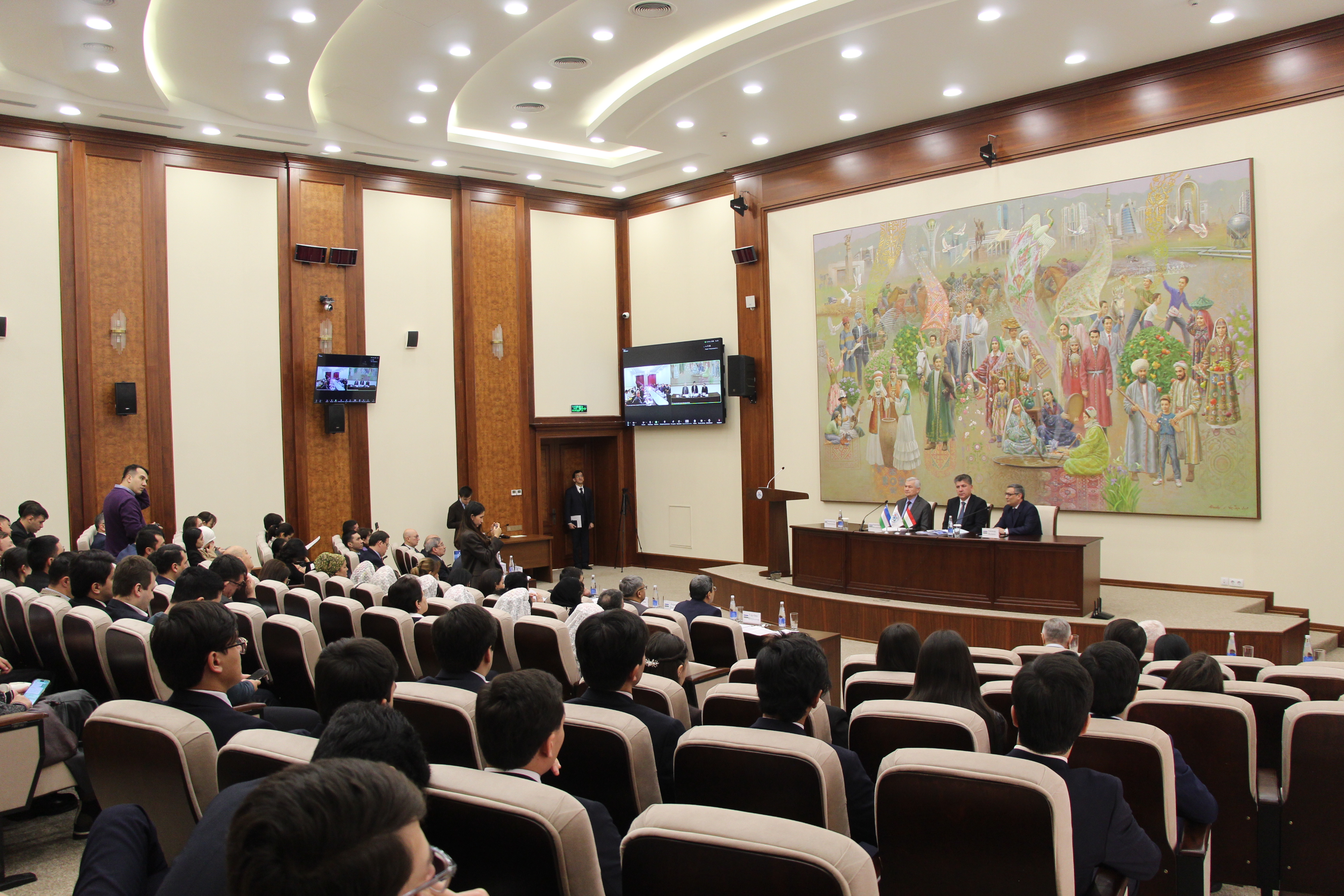
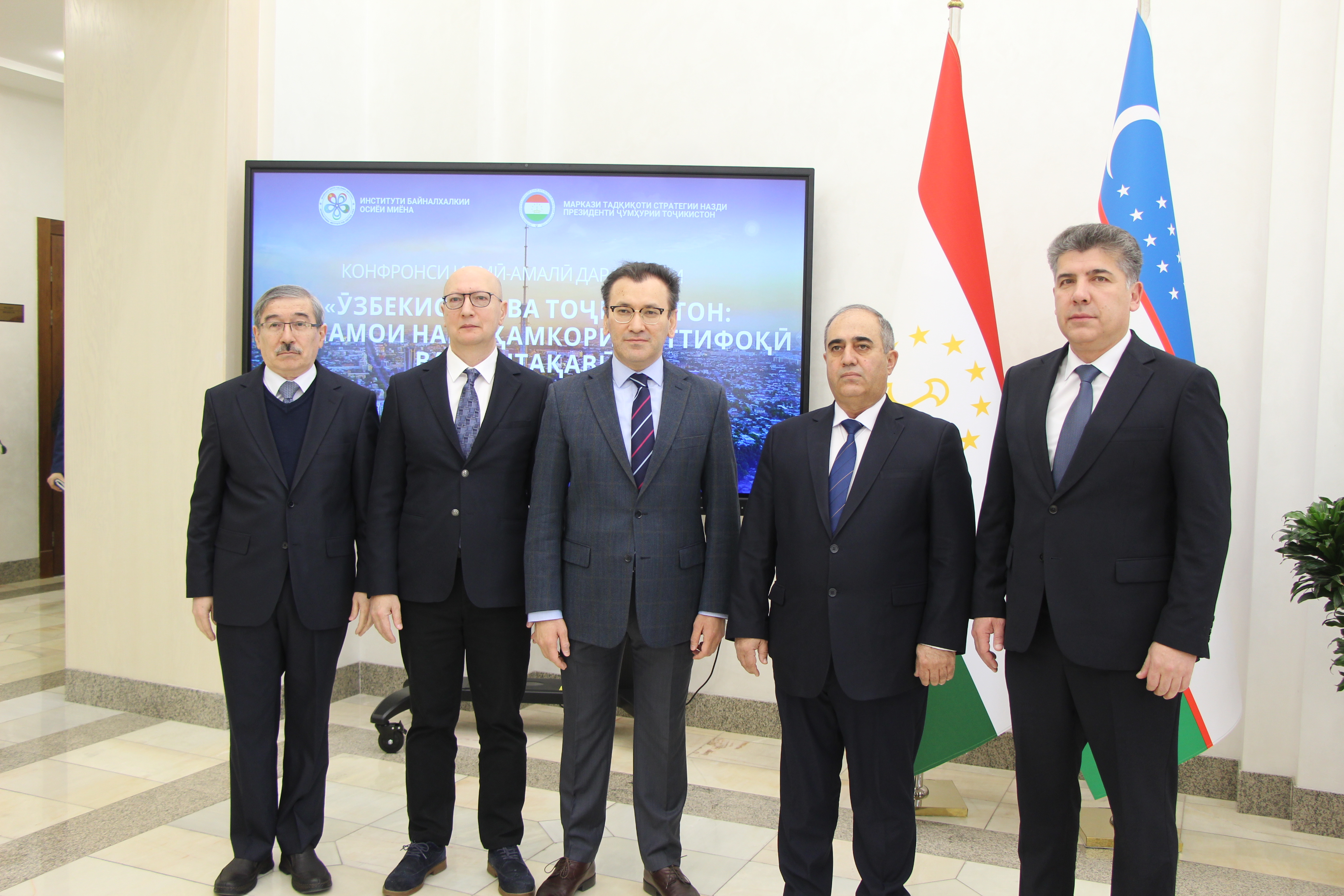
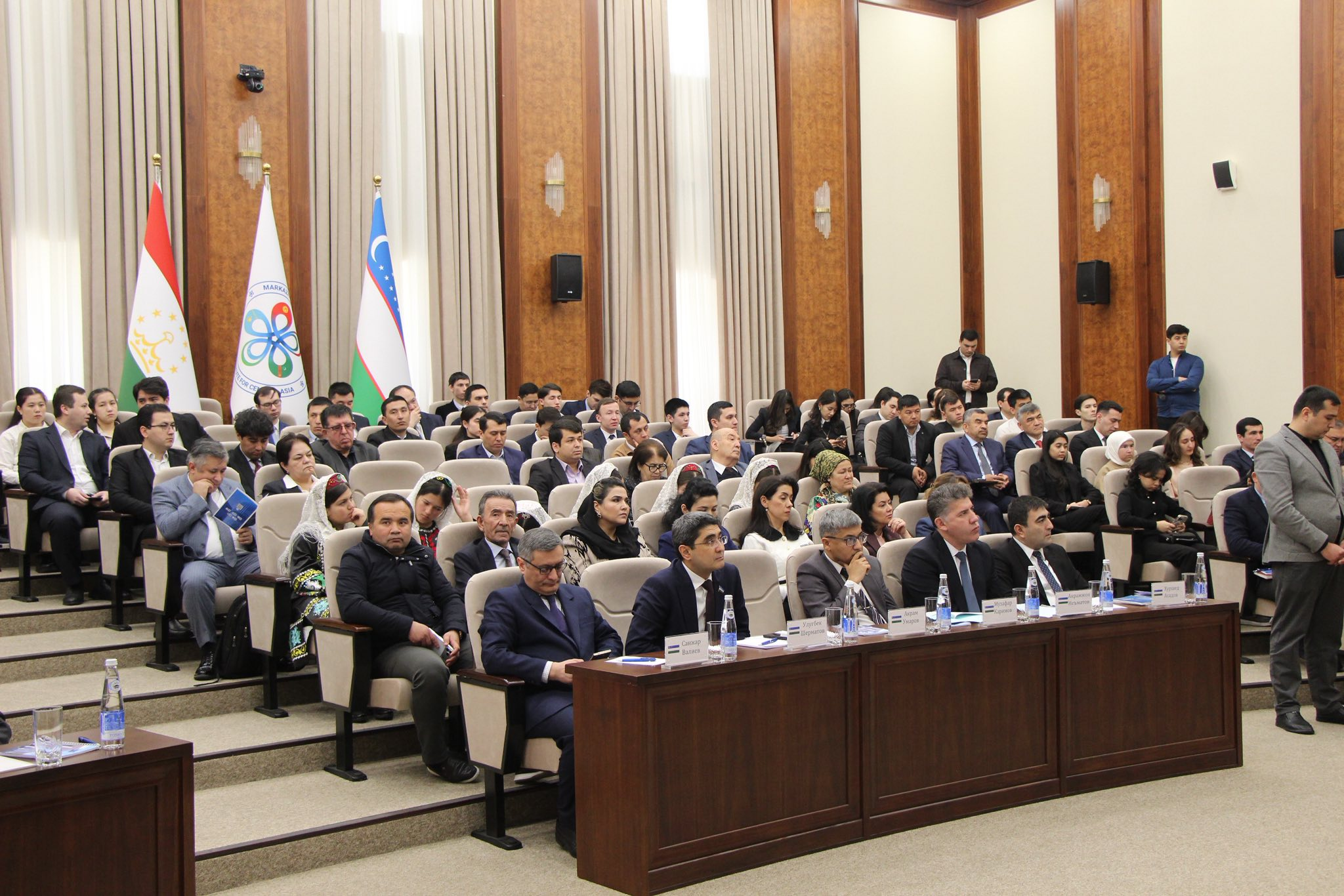
The event was organized by the International Institute for Central Asia (IICA) and the Center for Strategic Research under the President of the Republic of Tajikistan (CSR).
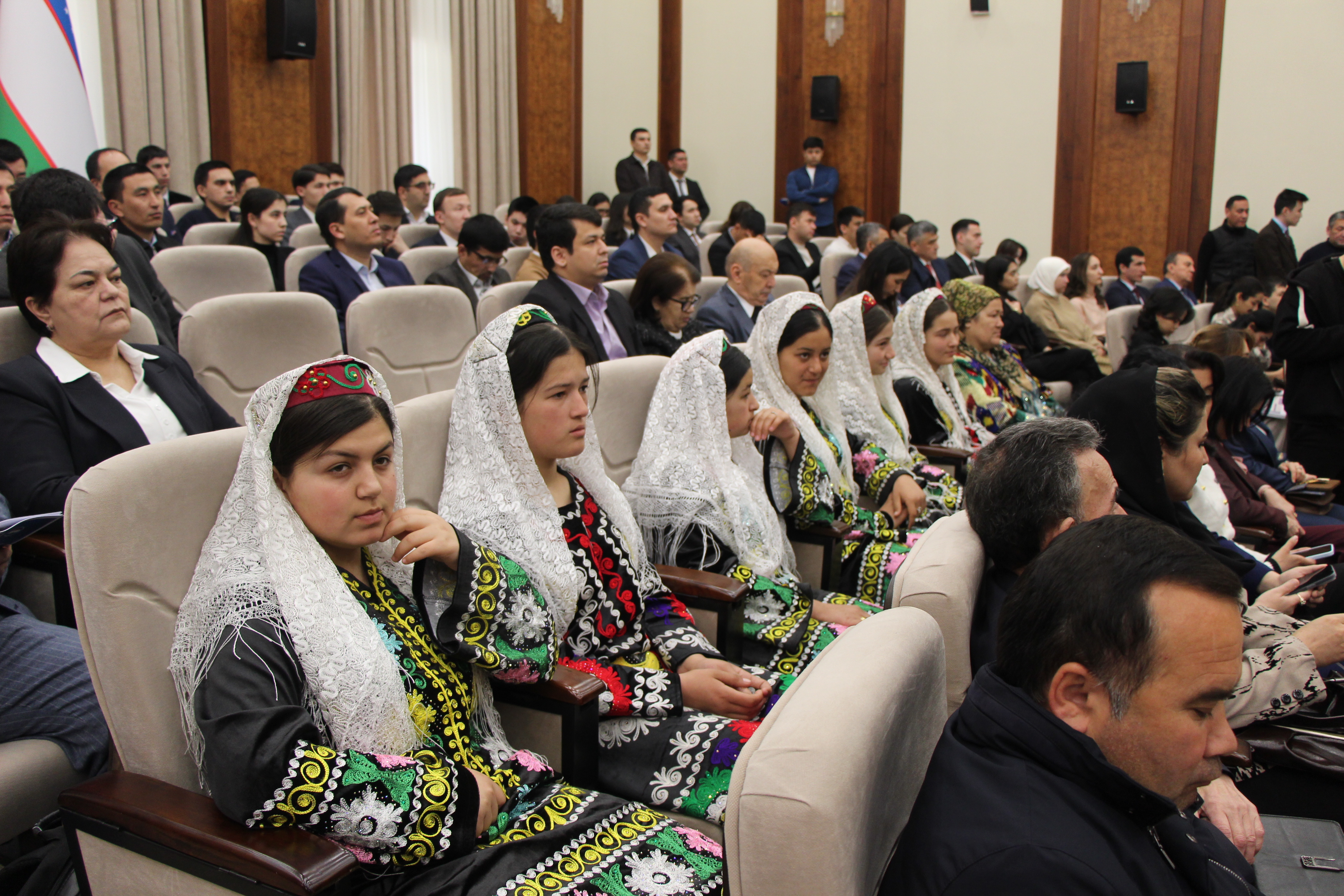
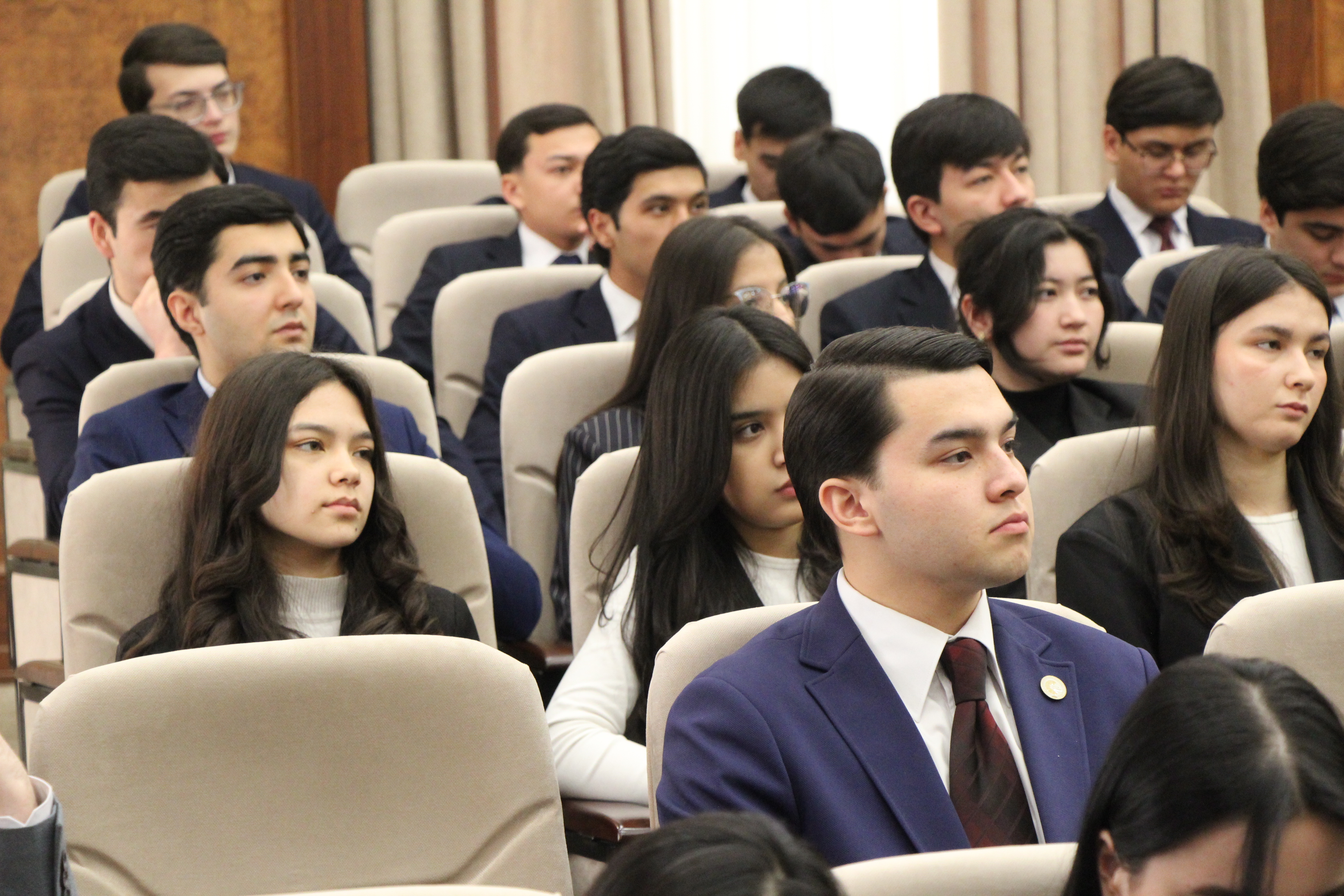
The forum brought together more than 150 representatives of ministries and government agencies, diplomatic missions, the business community, and leading analytical and research centers of Uzbekistan and Tajikistan.
The participants discussed the current state and future prospects of Uzbekistan-Tajikistan cooperation, ways to deepen allied relations, expand interaction between sectoral agencies and business communities, and strengthen coordination within regional formats.
In his opening remarks, IICA Director Amb. Javlon Vakhabov noted that bilateral cooperation between Uzbekistan and Tajikistan has reached a qualitatively new level in recent years, propelled by the political will and mutual trust of the two countries’ leaders, and now encompasses virtually all key areas – from trade, investment, transport, and energy to industrial cooperation, as well as cultural and humanitarian ties.
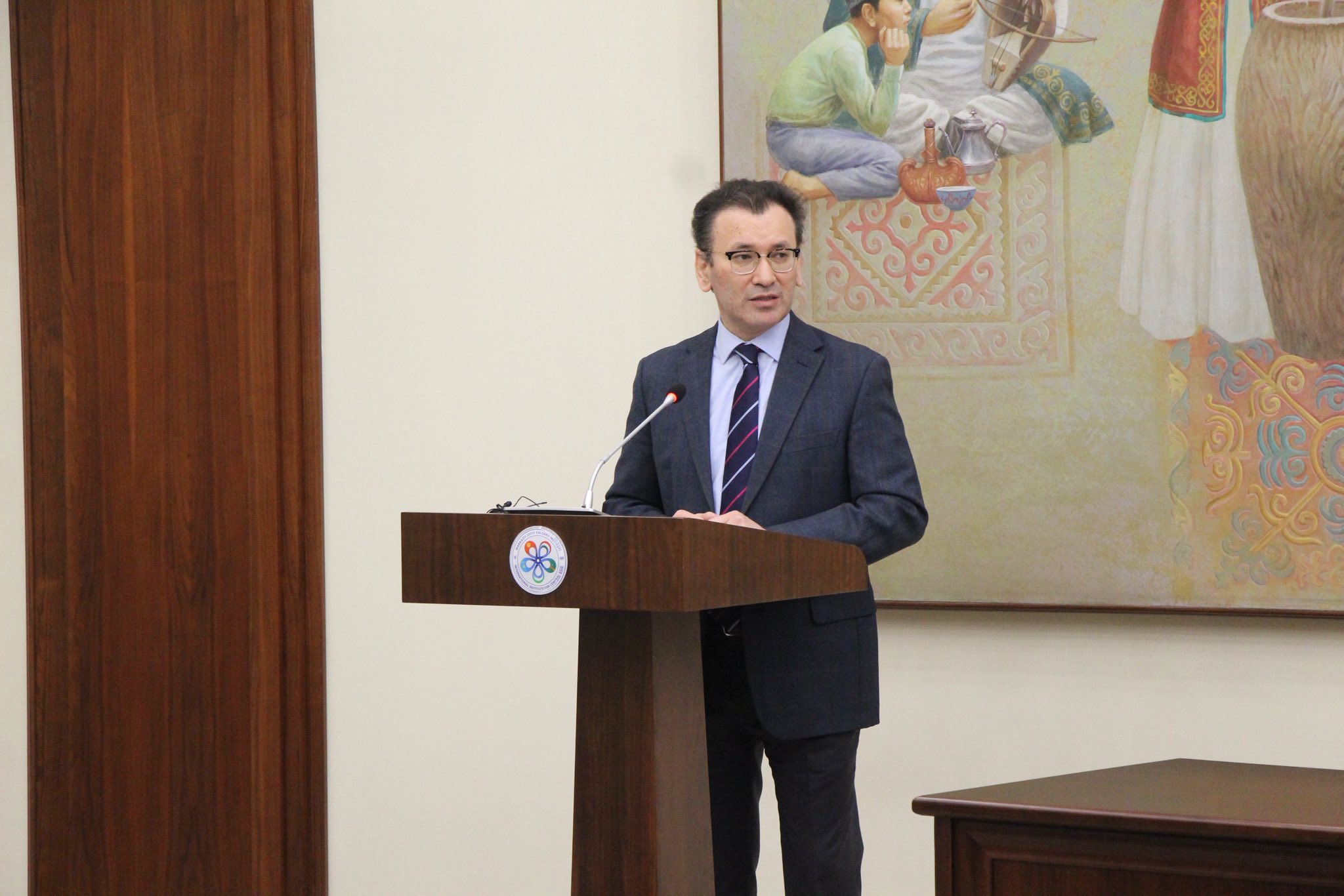
“Uzbekistan and Tajikistan have already demonstrated that when there is trust and political will, even the most complex issues can be resolved in a spirit of good-neighborliness and mutual respect. Today, we face an even more ambitious task – to turn our allied partnership into a long-term driver of development not only for our two countries, but for Central Asia as a whole,” Javlon Vakhabov said.
For his part, CSI Director Khayriddin Usmonzoda noted that amid an increasingly complex regional and international environment, Dushanbe views its relations with Tashkent from a strategic and long-term perspective, and that strengthening bilateral cooperation serves the interests of sustainable development and security across Central Asia.
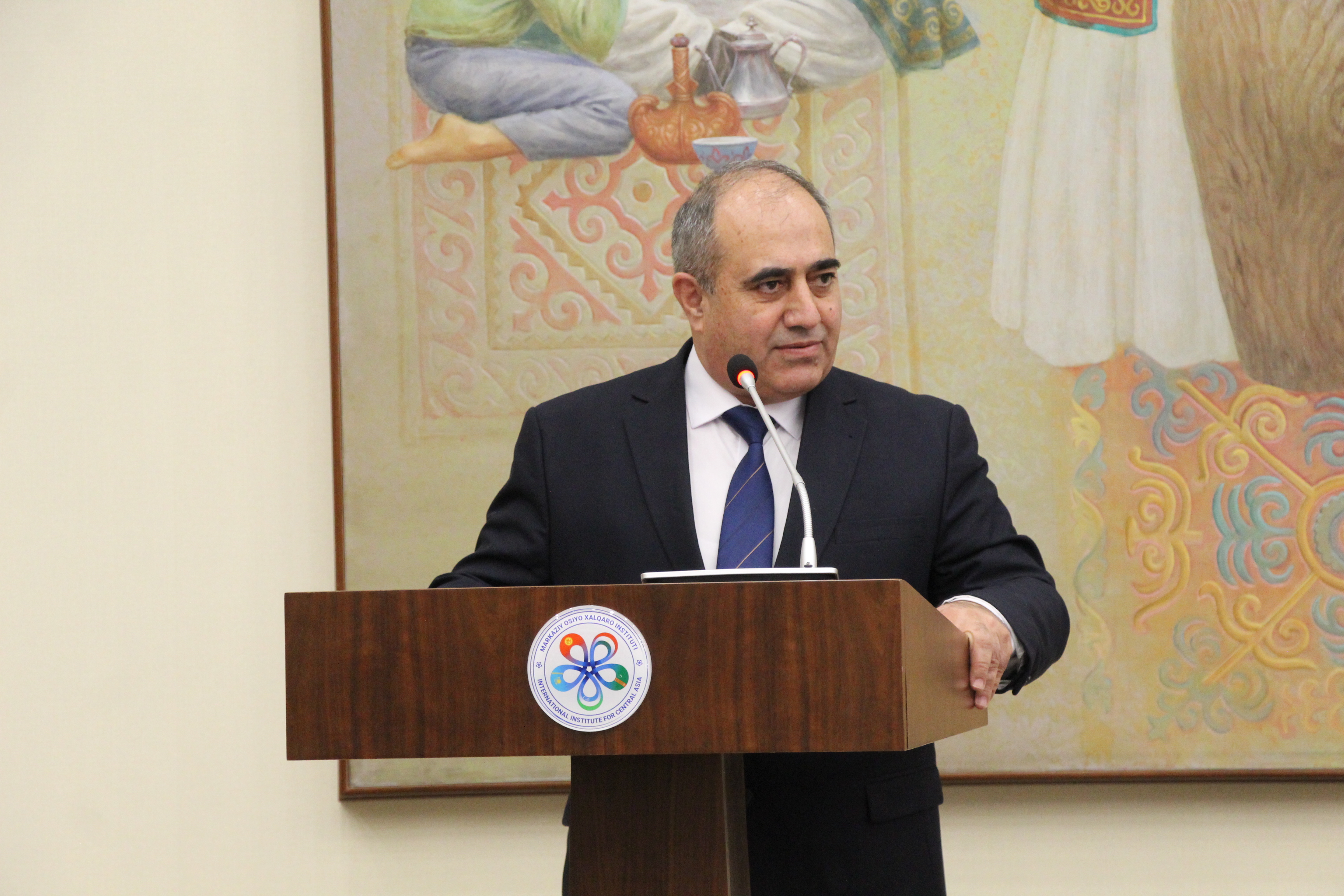
“Today, the Republic of Tajikistan and the Republic of Uzbekistan are reaffirming their commitment to mutually beneficial cooperation through concrete actions,” Khayriddin Usmonzoda emphasized.
Ulugbek Shermatov, Chairman of the Committee on International Affairs, Defense and Security of the Legislative Chamber of the Oliy Majlis of the Republic of Uzbekistan, pointed out that interparliamentary engagement is becoming an important dimension of Uzbek-Tajik cooperation, contributing to stronger political understanding and a more solid institutional foundation for bilateral relations.
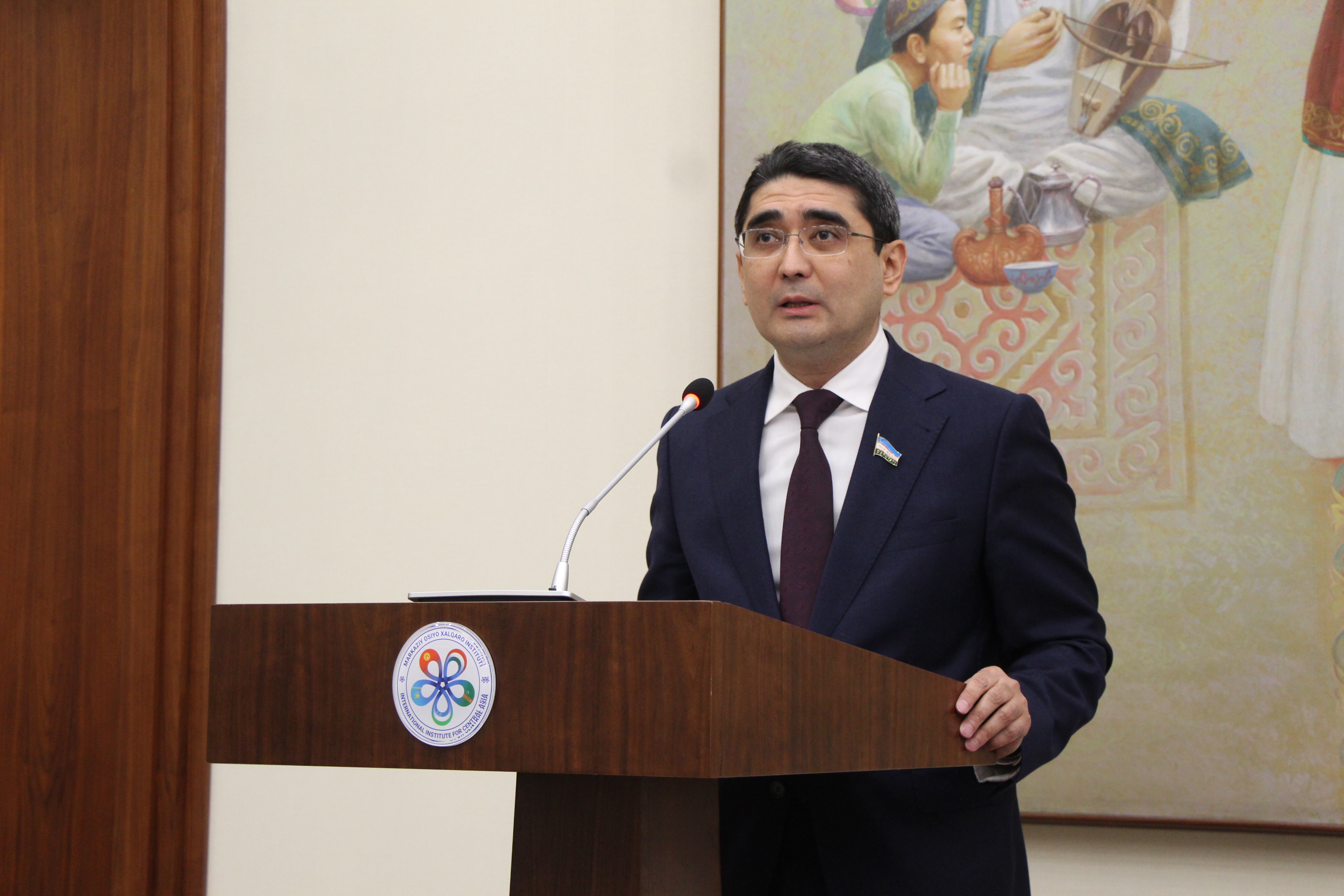
“Interparliamentary dialogue enables us to exchange legislative experience directly, align our approaches to addressing shared regional and international challenges, and formulate a common position on issues of mutual interest,” Ulugbek Shermatov emphasized.
Rustam Haidarzoda, Director of the Institute for the Study of Asian and European Countries at the National Academy of Sciences of the Republic of Tajikistan, noted that the strategic alliance between Uzbekistan and Tajikistan is one of the key foundations for the emergence of a New Central Asia amid strengthening regional unity and the region’s growing agency.
“A process of shaping a regional identity and building a New Central Asia is underway in the region. Thanks to the efforts of the leaders of the regional states, a new configuration of Central Asia is taking shape,” Rustam Haidarzoda emphasized.
Speaking about the new model of Uzbekistan–Tajikistan relations, Akramjon Ne’matov, First Deputy Director of the Institute for strategic and regional studies under the President of the Republic of Uzbekistan, noted that it is based on strategic pragmatism, historical and cultural proximity, and the alignment of long-term development goals.
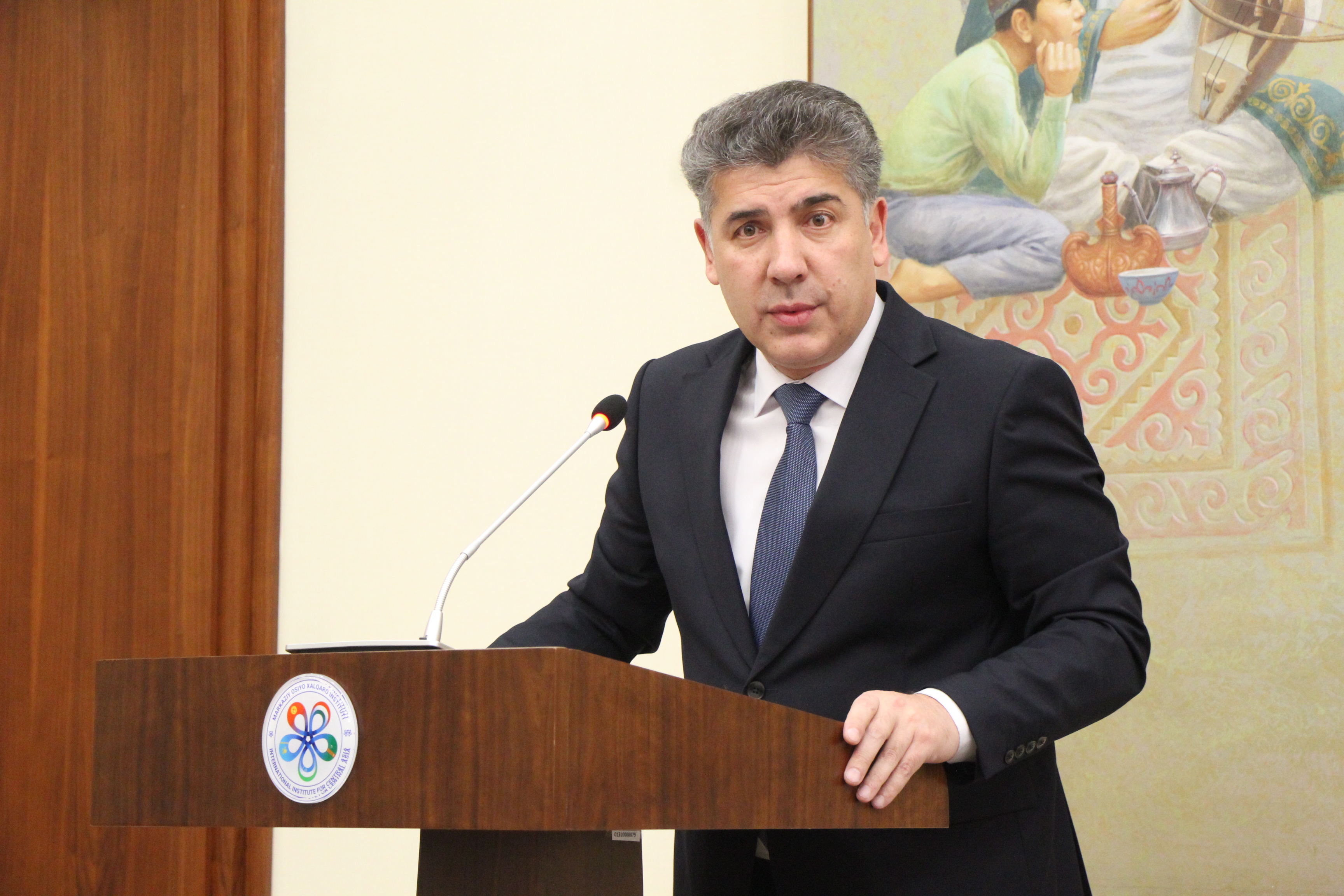
Analyzing the impact of Uzbek-Tajik dialogue on regional processes, Sherali Rizoiyon, Chief Specialist of the Department for Analysis and Forecasting of Foreign Policy at the CSI, noted that the restoration and consistent strengthening of relations between the two countries has given fresh momentum to regional cooperation in Central Asia.
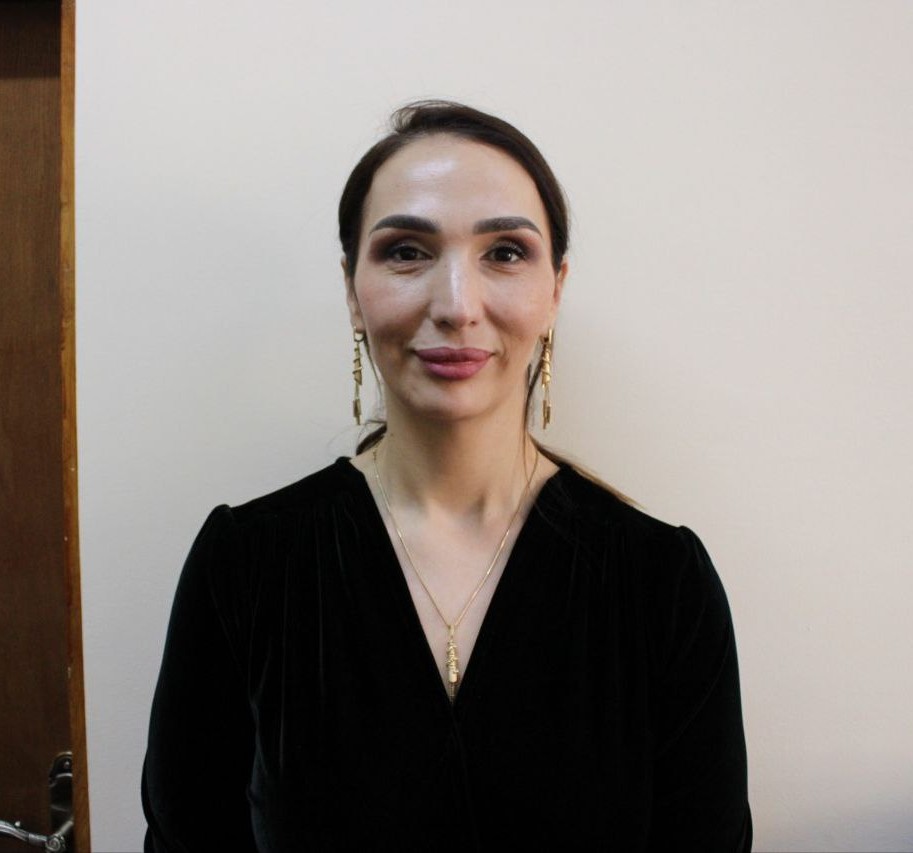
Special attention was given by Sanjar Valiev, Director of the Center for Foreign Policy Studies and International Initiatives, to the role of youth as an important resource in responding to today’s global challenges. In this context, he proposed creating joint expert-youth platforms to discuss the current regional agenda.
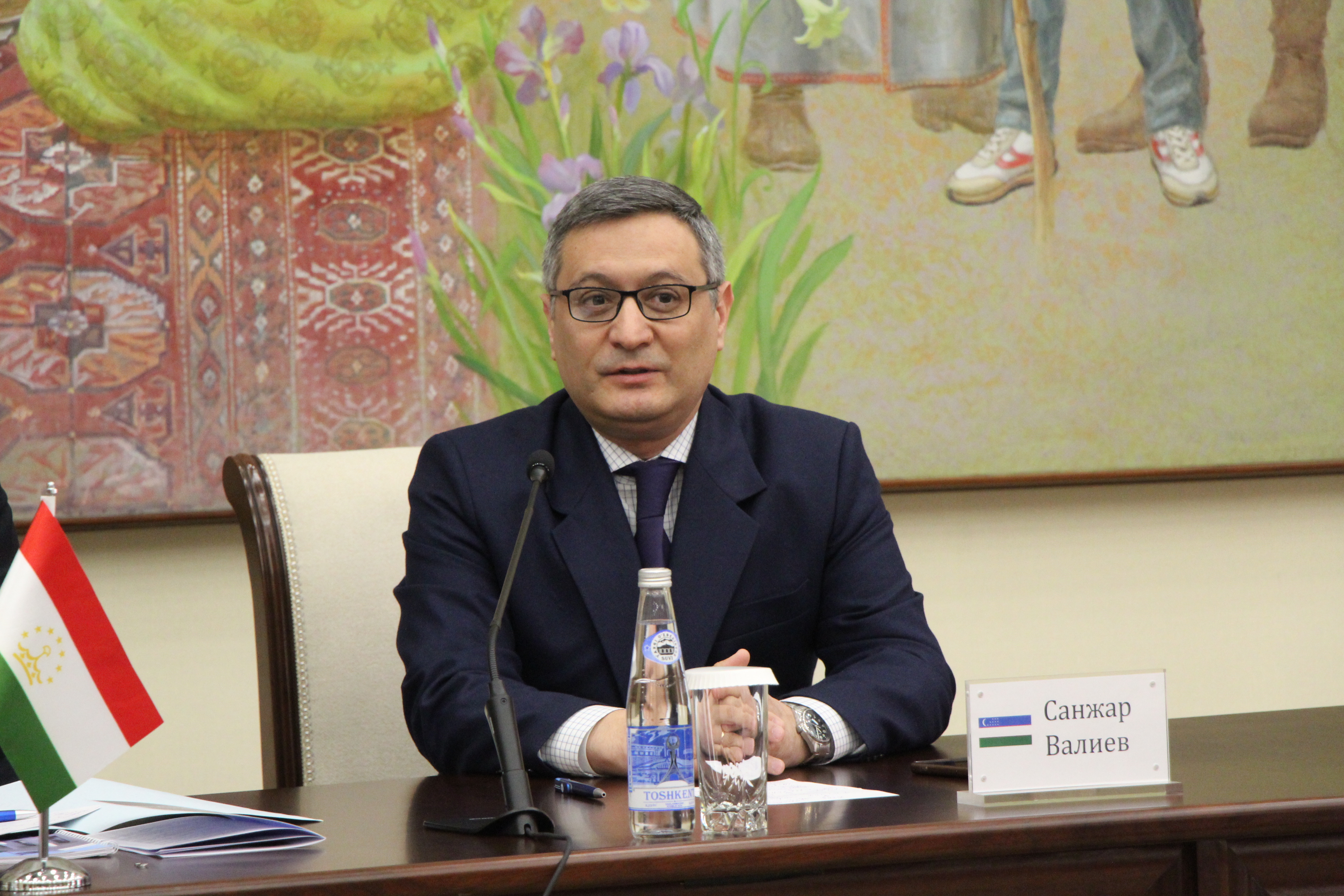
Speaking about the prospects for scientific and cultural cooperation, Kamola Kholmatiyon, Head of the Department for Analysis and Forecasting of Social Issues, Migration, and Public Opinion Research at the CSI, underscored the importance of removing bureaucratic barriers to academic exchange, expanding cooperation between scientific and educational institutions, and implementing joint initiatives in culture, youth policy, and tourism.
Reviewing the current state and prospects of trade, economic, and investment cooperation between the two countries, Khurshed Asadov, Deputy Director of the Center for Economic Research and Reforms, noted the steady growth in bilateral trade, which increased 3.8-fold between 2017 and 2025, from $238 million to $912 million.
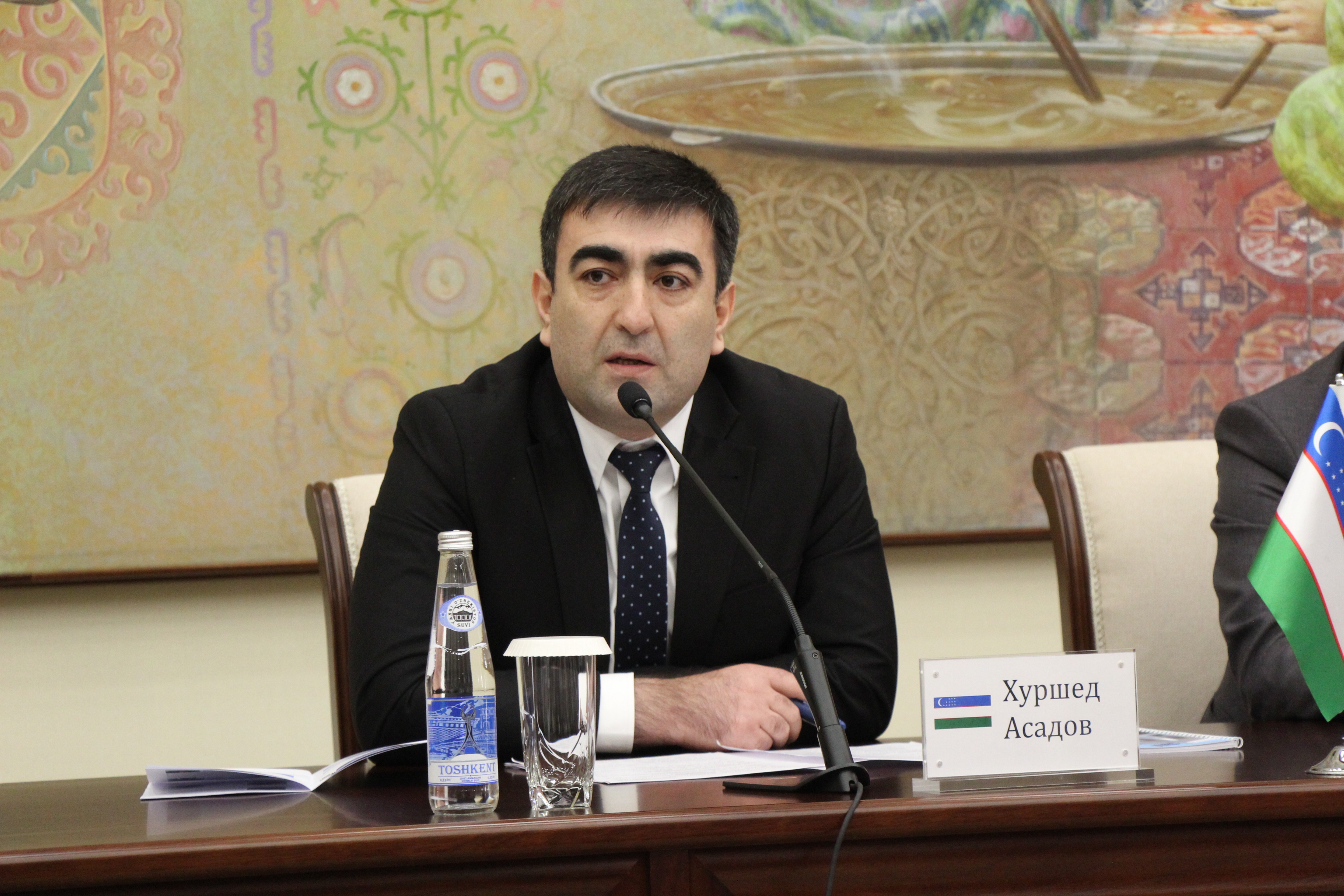
Farrukh Sultonov, Head of the International Finance Corporation (IFC) World Bank Group Office in Tajikistan, also pointed out that the key potential of Uzbek-Tajik economic cooperation lies not in competition, but in building joint value chains — from Tajikistan’s raw material and energy base to processing and access to Eurasian markets through Uzbekistan.
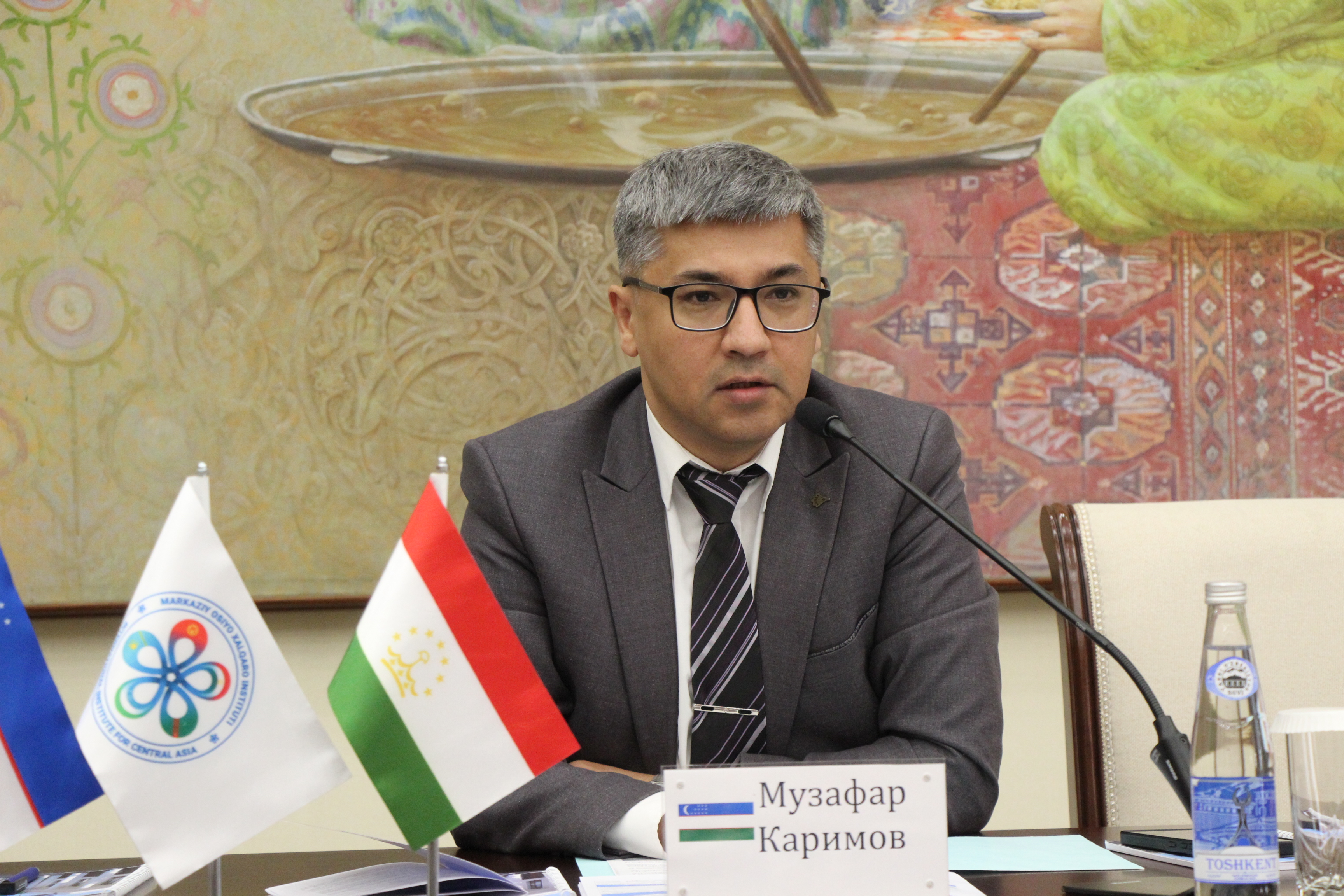
Continuing the discussion on expanding economic cooperation, Muzafar Karimov, Academic Secretary of the Institute for Macroeconomic and Regional Studies, noted that the parties had agreed to increase bilateral trade to $2 billion, identifying the development of industrial cooperation as an unconditional priority of their joint work in the coming years.
Discussing the strengthening of cooperation between the two countries within multilateral regional formats, Amriddin Sharipov, Head of the Department of International Relations at National University of Tajikistan, noted that the development of Uzbekistan–Tajikistan relations is having a significant impact on the formation of a new model of regional cooperation in Central Asia.
For his part, Akram Umarov, First Vice-Rector of the University of World Economy and Diplomacy (UWED) and Director of the Institute of Advanced International Studies, drew attention to the fact that the Consultative Meetings of the Heads of State of Central Asia are steadily gaining momentum, and that the further strengthening of this mechanism will make it possible to elevate regional cooperation to a qualitatively new level.
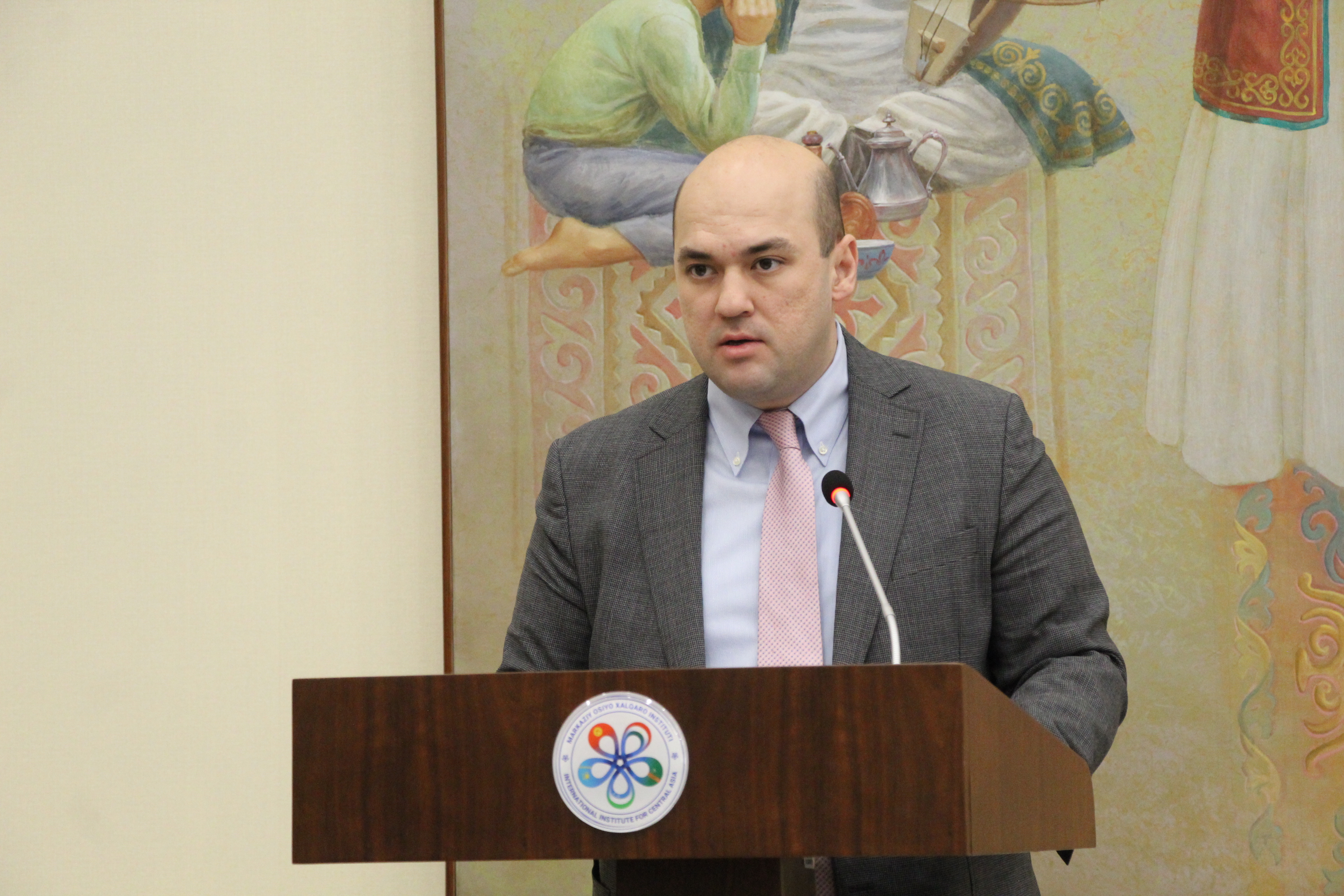
Independent Tajik political analyst Umed Khakimov emphasized that cooperation between Uzbekistan and Tajikistan in such areas as water and energy resources, transport corridors, industrial parks, education, ecology, and tourism is creating a solid foundation for strengthening multilateral cooperation in Central Asia.
Overall, the participants reaffirmed the strategic commitment of Uzbekistan and Tajikistan to further strengthening their allied relations, expanding bilateral cooperation in key areas, and advancing regional interaction in Central Asia.
 \
\