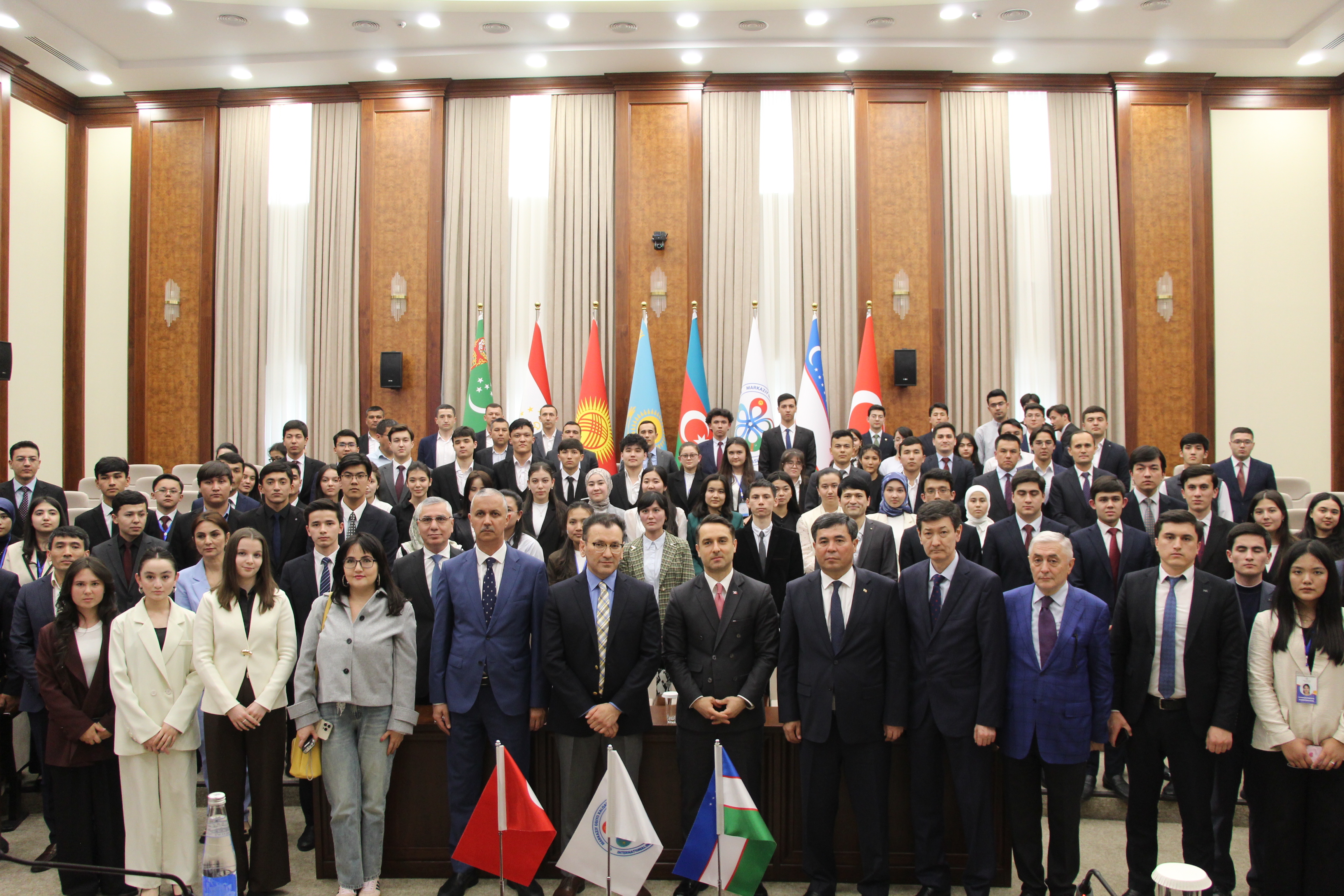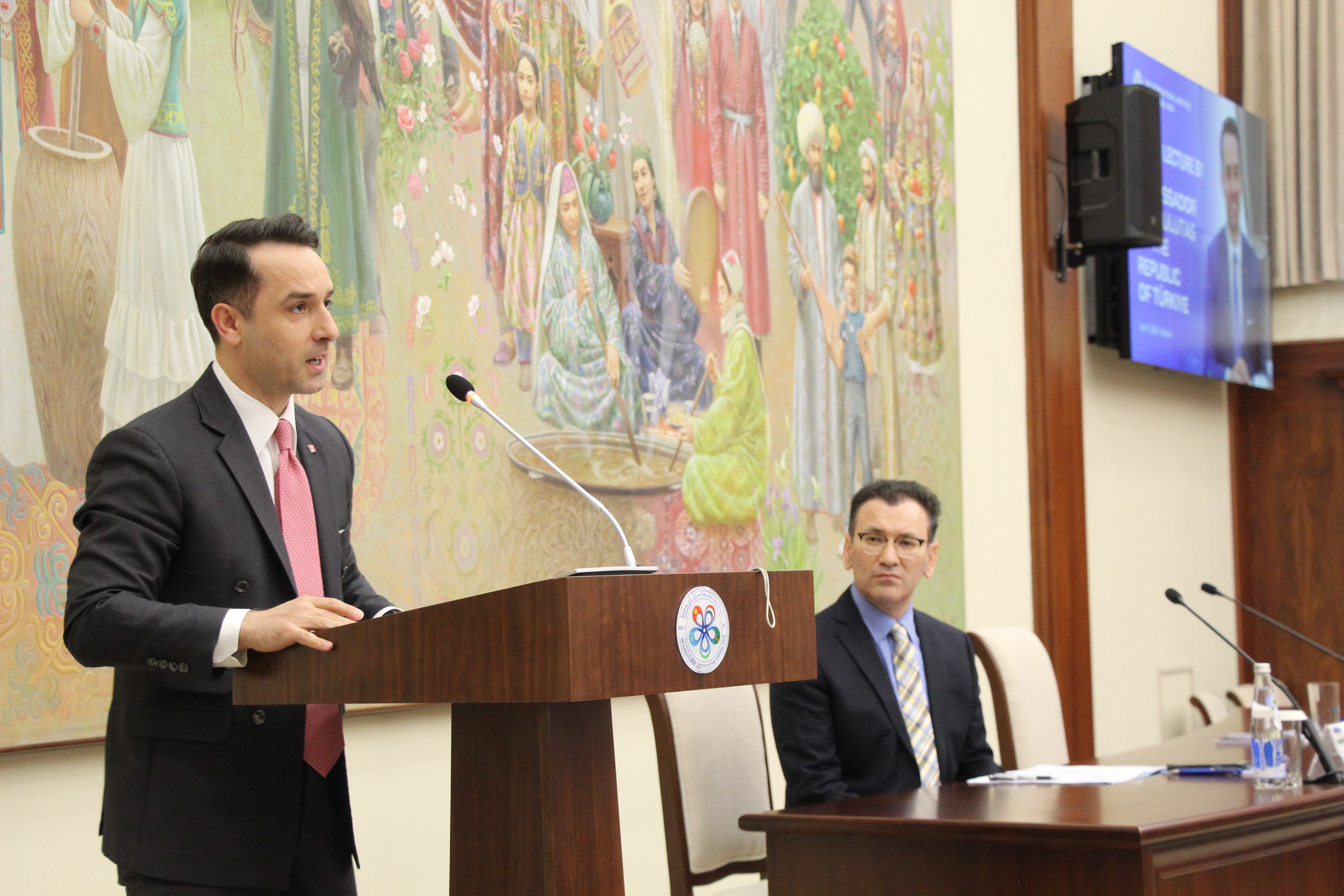
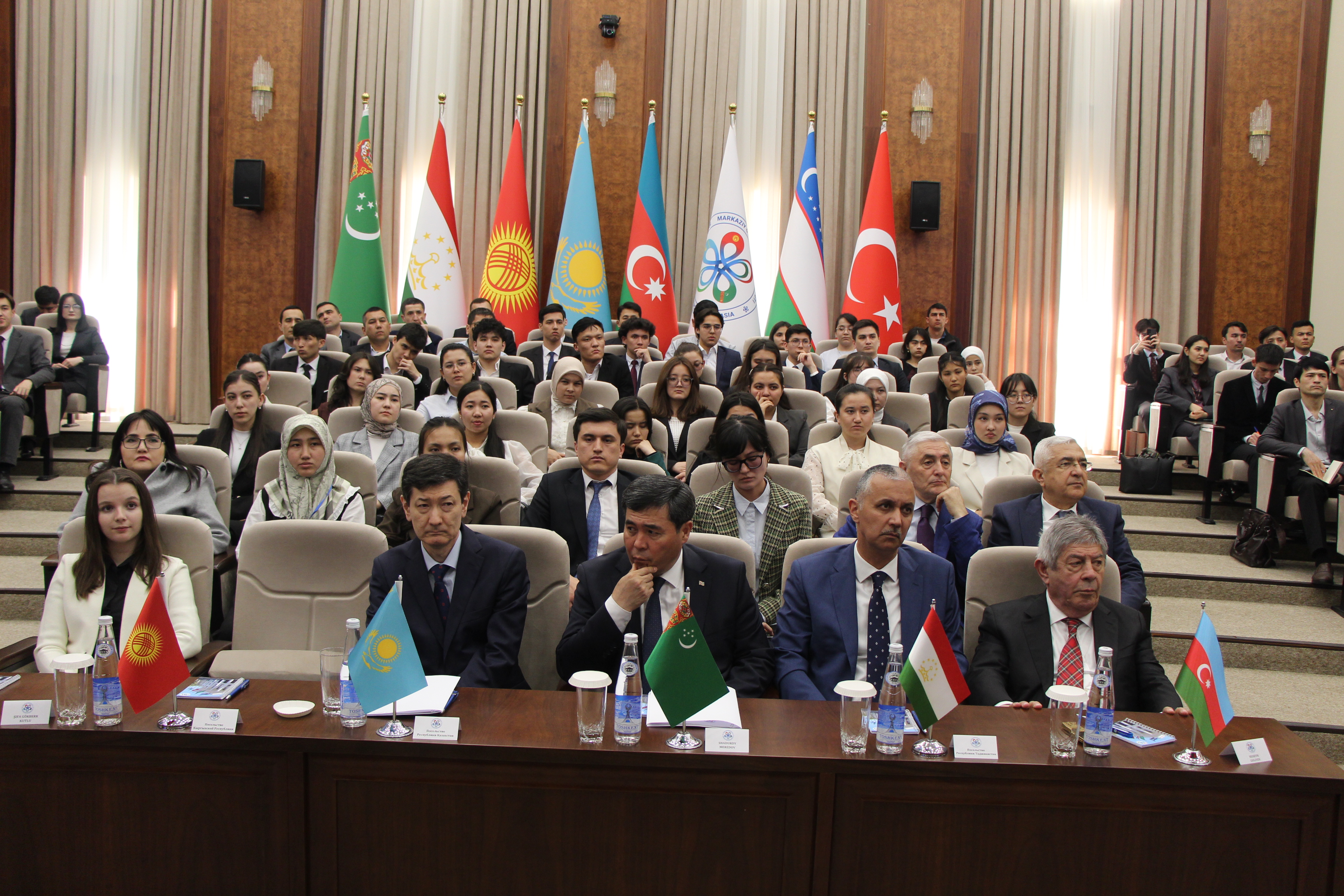
The event brought together heads of diplomatic missions and diplomats from Central Asia, Azerbaijan, and Hungary, as well as representatives of relevant ministries and agencies, think tanks, media, and the academic community. Participants also included faculty members, doctoral researchers, and students from leading national universities, including UWED, the Tashkent State University of Oriental Studies, the Uzbekistan State University of World Languages, and the Tashkent State University of Economics.
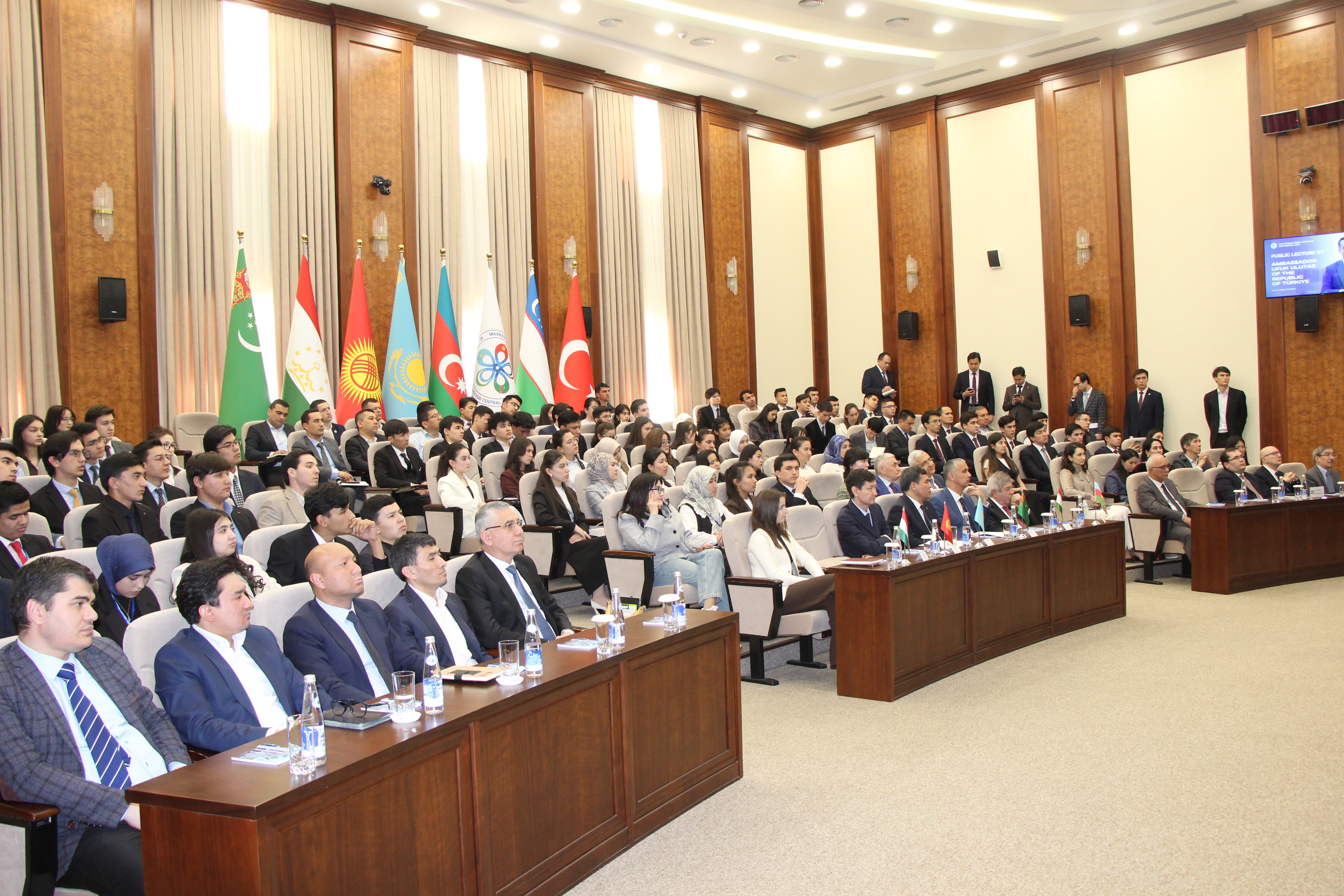
Opening the lecture, IICA Director Javlon Vakhabov underscored the strong commitment of Uzbekistan and Türkiye to further expanding political dialogue, deepening economic cooperation, and advancing joint initiatives across Central Asia.
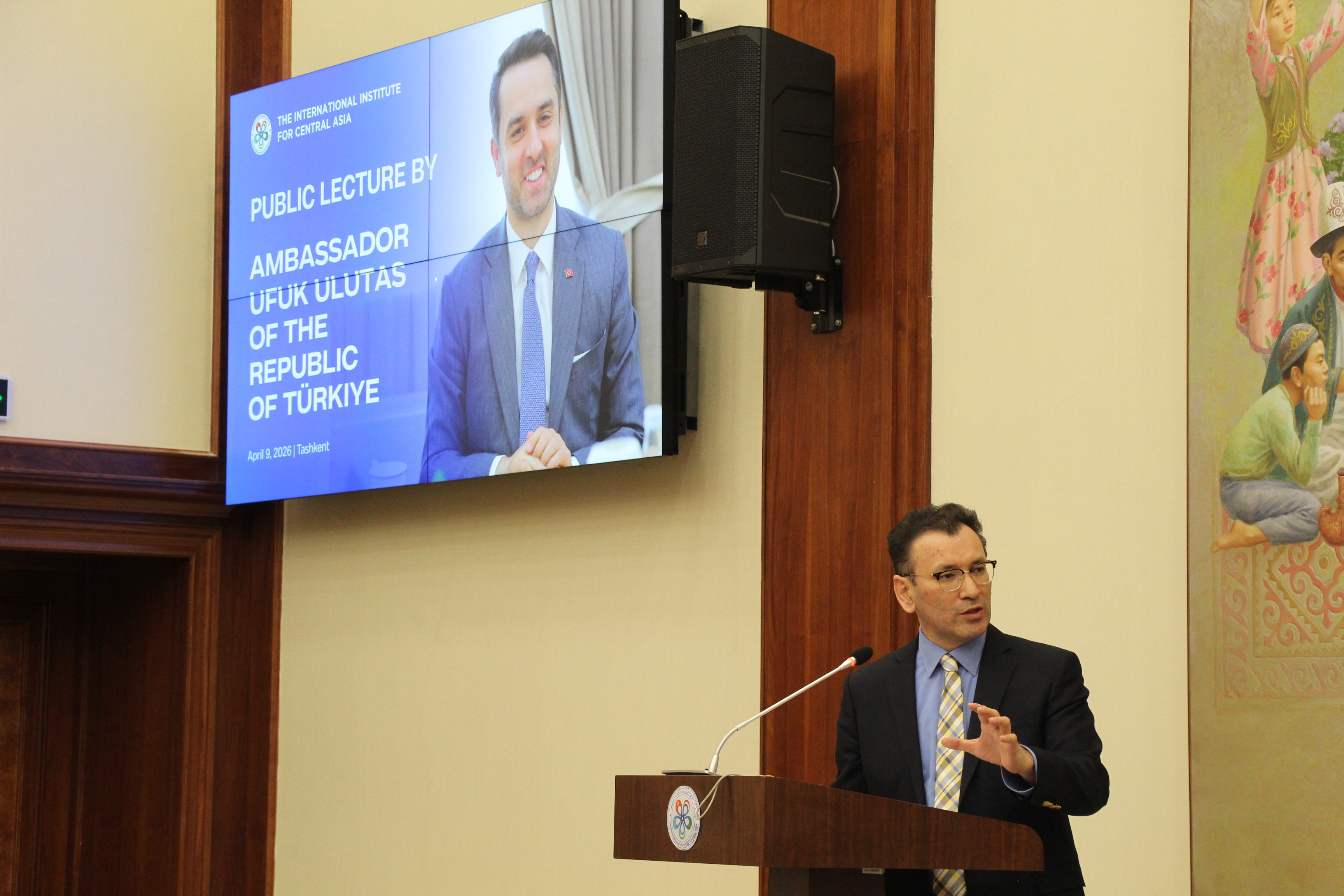
In his remarks, Ambassador Ufuk Ulutaş noted that, under the leadership of President Shavkat Mirziyoyev, Uzbekistan has emerged as a confident and proactive actor, pursuing an open foreign policy while firmly safeguarding its sovereignty and national interests.
He emphasized Uzbekistan’s central role in fostering regional cohesion, highlighting its efforts to address shared challenges, promote dialogue, and strengthen regional platforms. According to the Ambassador, Tashkent’s constructive and forward-looking foreign policy has contributed to greater consolidation among Central Asian states, which are increasingly viewed as a distinct and influential actor in global affairs.
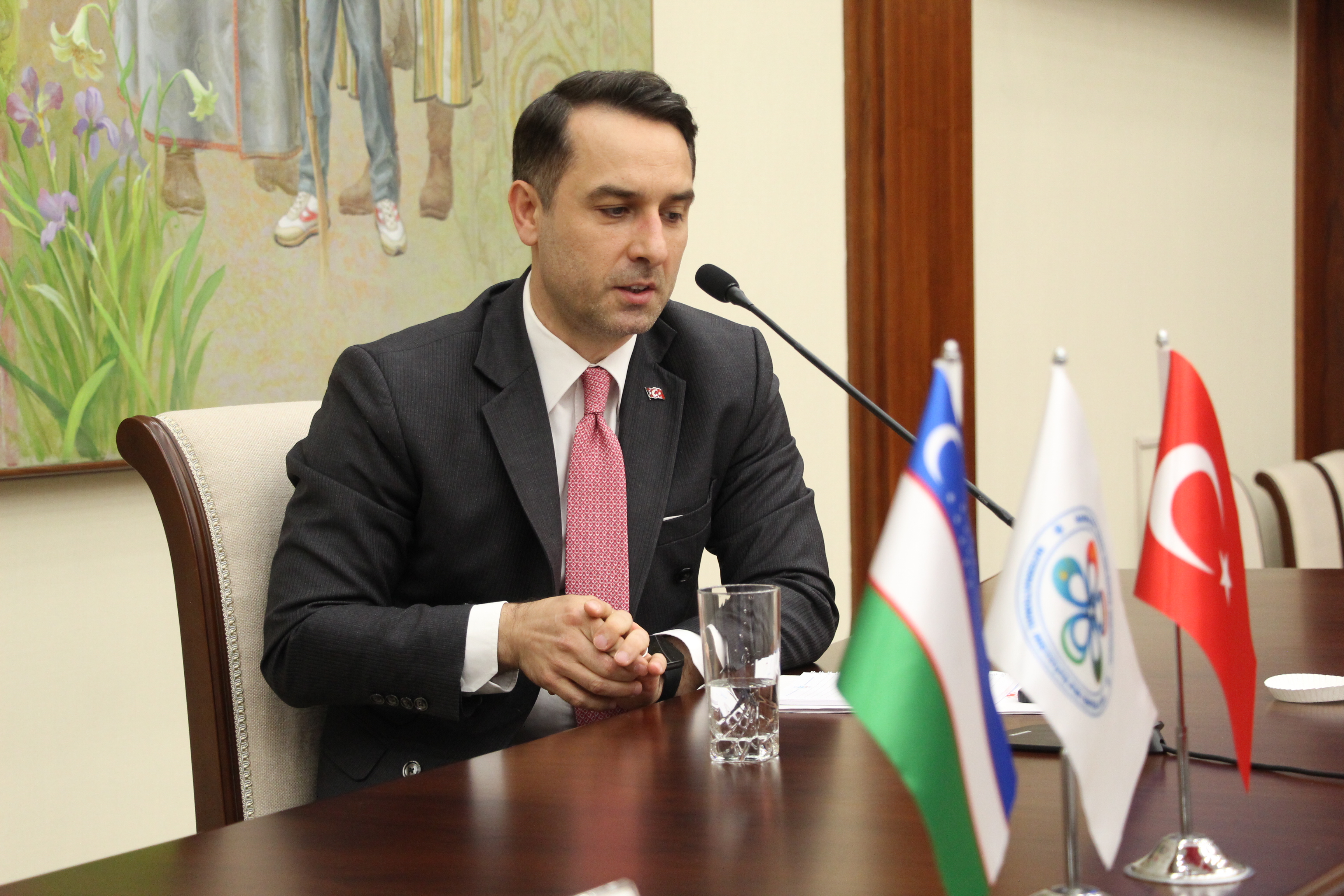
Ambassador Ulutaş also pointed to the growing strategic partnership between Uzbekistan and Türkiye, reflected in the high frequency of contacts at both the highest and senior levels. He stressed that the close rapport between President Shavkat Mirziyoyev and President Recep Tayyip Erdoğan provides a solid foundation for sustained trust, continuity, and deepening bilateral ties.
Describing Uzbekistan–Türkiye relations as a “comprehensive alliance,” he highlighted their basis in shared interests, cultural affinity, and a steadily expanding institutional framework.
The Ambassador further noted Uzbekistan’s active role within the Organization of Turkic States, including its upcoming chairmanship, which is expected to create new opportunities to advance the organization’s agenda.
Particular attention was given to the importance of strengthening cultural and humanitarian cooperation, expanding academic exchanges, and supporting joint research initiatives, including efforts to preserve and promote cultural heritage.
The lecture concluded with an engaging discussion, during which participants exchanged views with the Ambassador on the future trajectory of Uzbekistan–Türkiye cooperation.