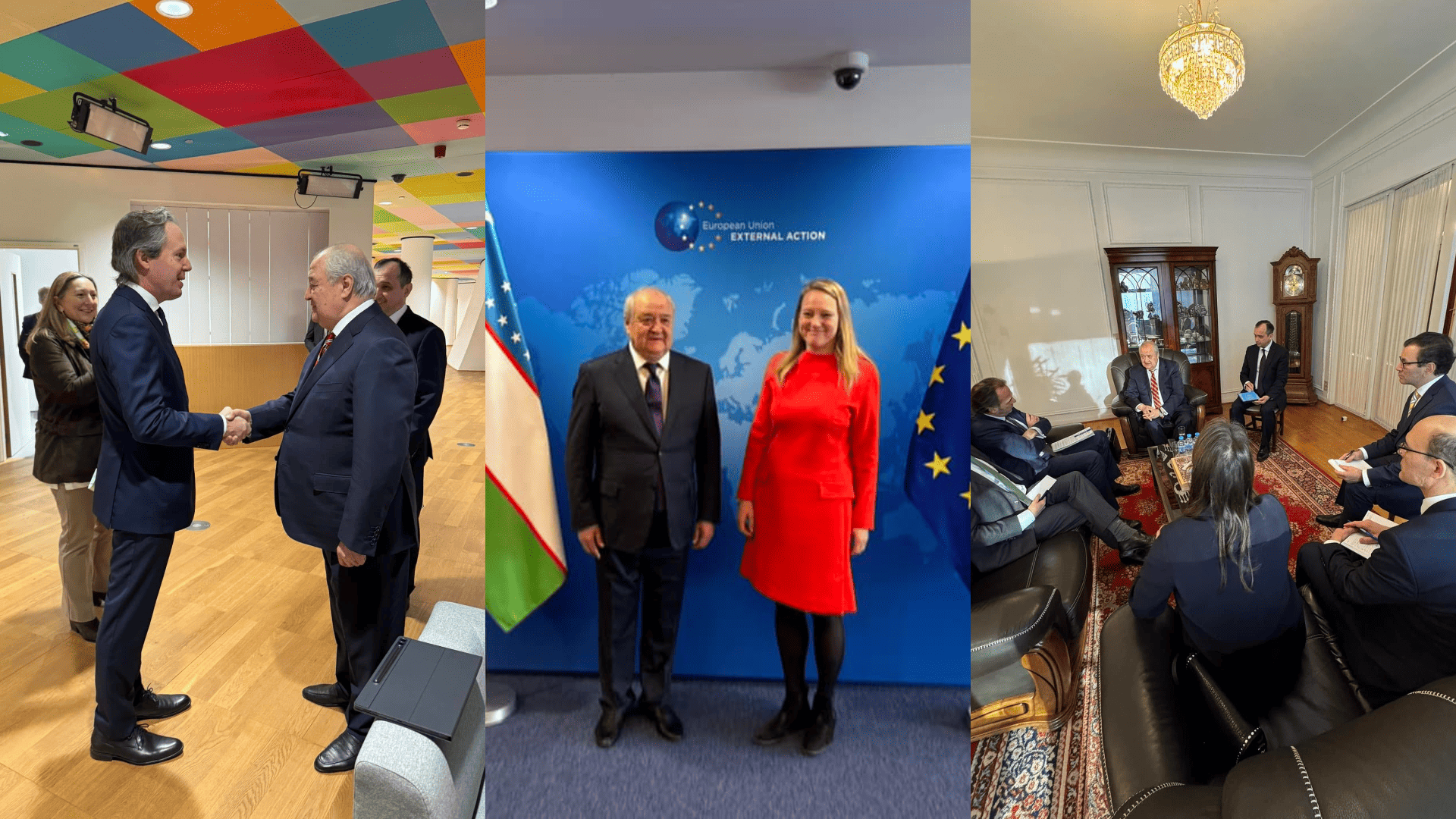
As part of the visit, discussions took place with Pedro Lourtie, Head of the Office of the President of the European Council; Vivian Loonela, Chief of Staff to the EU High Representative for Foreign Affairs and Security Policy; and Bartjan Vegter, EU Counter-Terrorism Coordinator.
The delegation also included Javlon Vakhabov, Director of the International Institute for Central Asia.
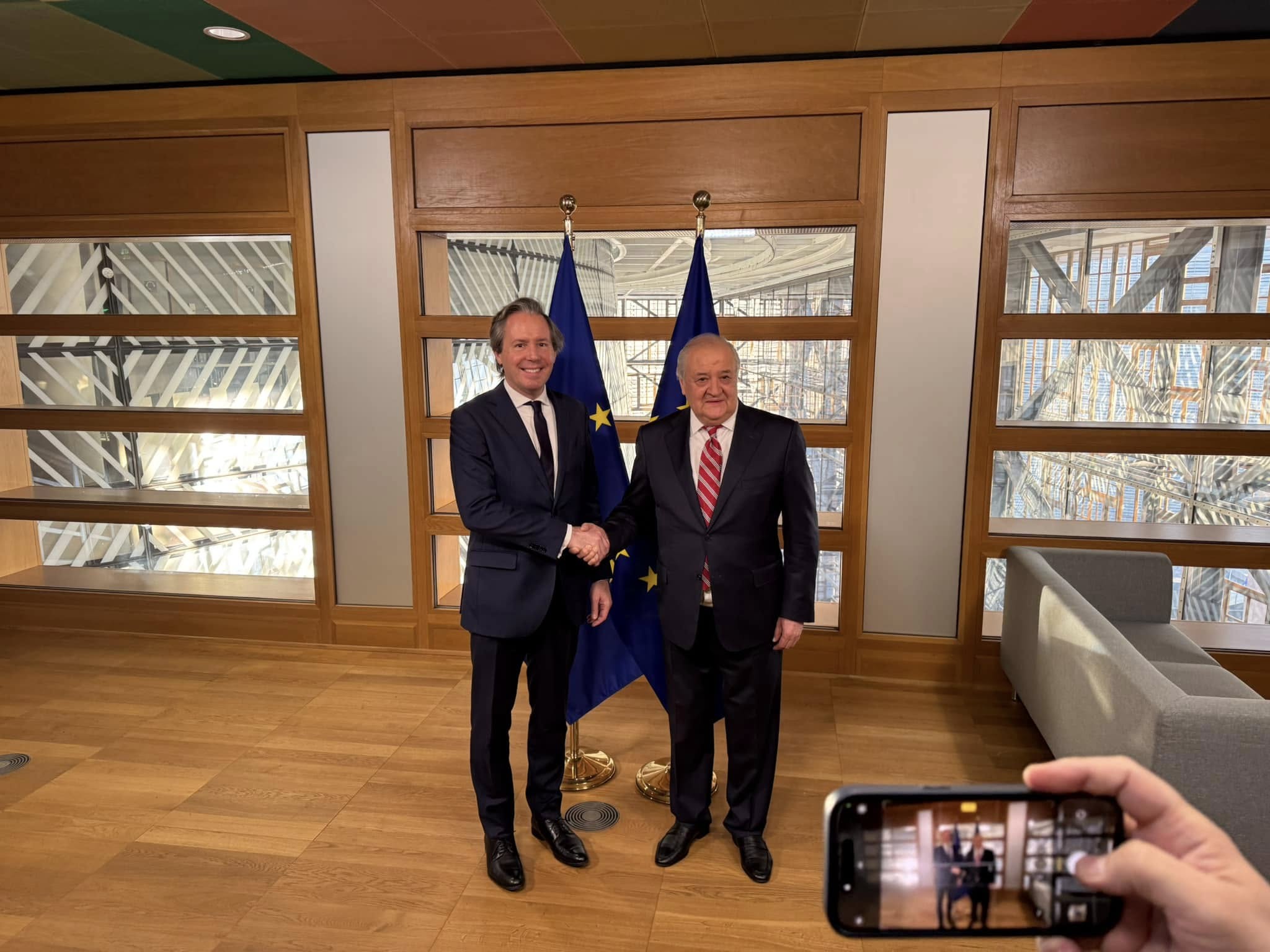
During talks with P. Lourtie, both sides explored avenues for deepening interregional cooperation in the lead-up to the Central Asia – European Union Summit, scheduled for April 3–4 in Samarkand. The European Council representative emphasized that the summit would serve as a milestone in strengthening regional engagement, facilitating progress in key areas such as politics and security, trade and investment, energy partnerships, transport connectivity, and educational and cultural exchanges.
The parties also underscored the significance of previous Central Asia – EU meetings, held in Astana (2022) and Cholpon-Ata (2023), highlighting their role in fostering a resilient dialogue and solidifying strategic partnerships.
Discussions with V. Loonela focused on the implementation of the EU Strategy for Central Asia (2019), with an emphasis on adapting it to contemporary challenges. Key topics included expanding economic ties, advancing sustainable development goals, and enhancing regional security. Special attention was given to the development of transport connectivity, particularly the Trans-Caspian Transport Corridor, which aims to strengthen trade, investment, and digital linkages between Central Asia and Europe while reinforcing regional economic integration.
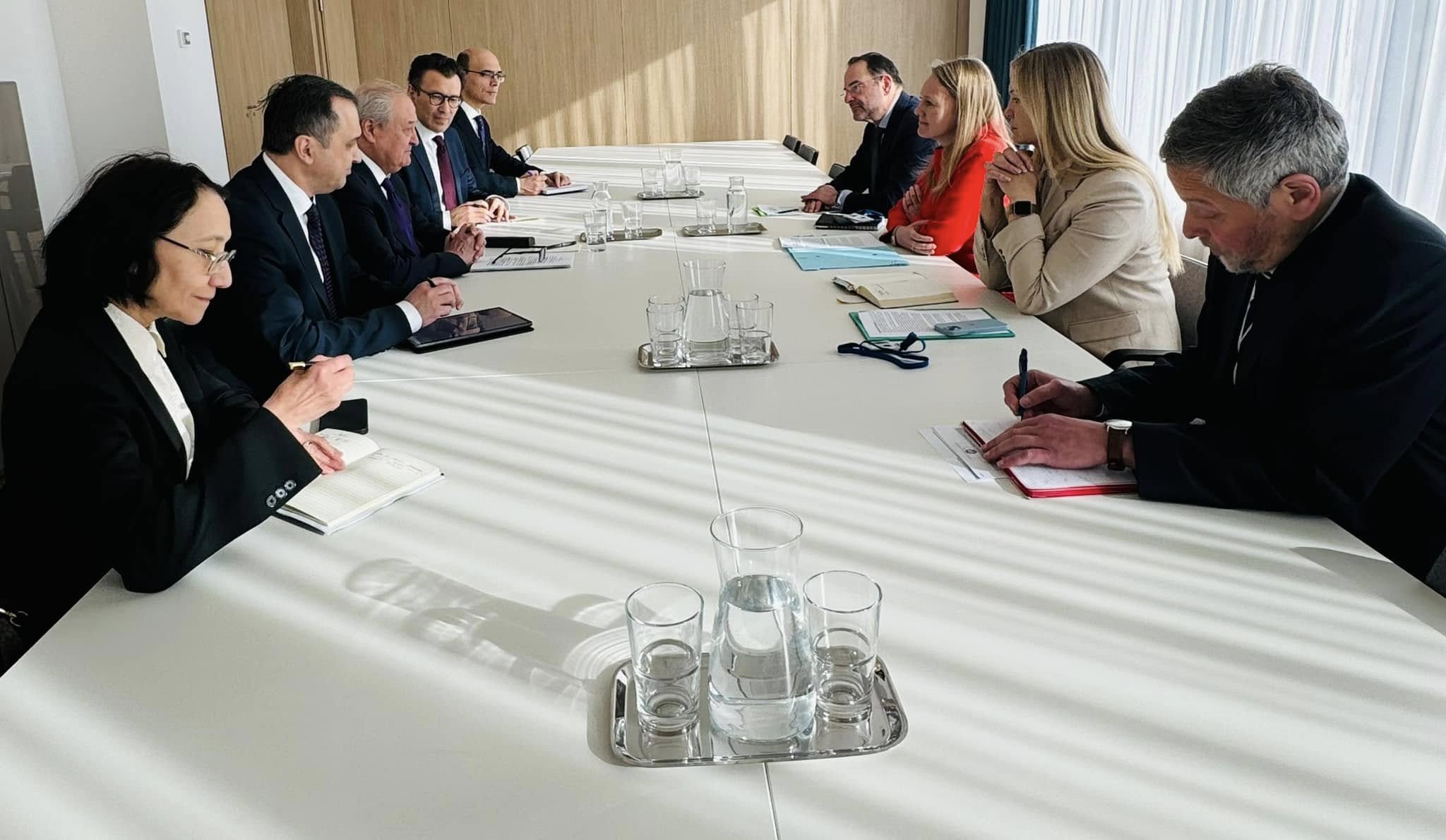
Meanwhile, in a meeting with B. Vegter, the EU Counter-Terrorism Coordinator highlighted the practical impact of the 2023 Central Asia – EU security conference, hosted by the International Institute for Central Asia. He stressed that effective counterterrorism efforts require close collaboration at regional and international levels, and such platforms provide a vital space for exchanging expertise, aligning security mechanisms, and fostering mutual support between Europe and Central Asia.
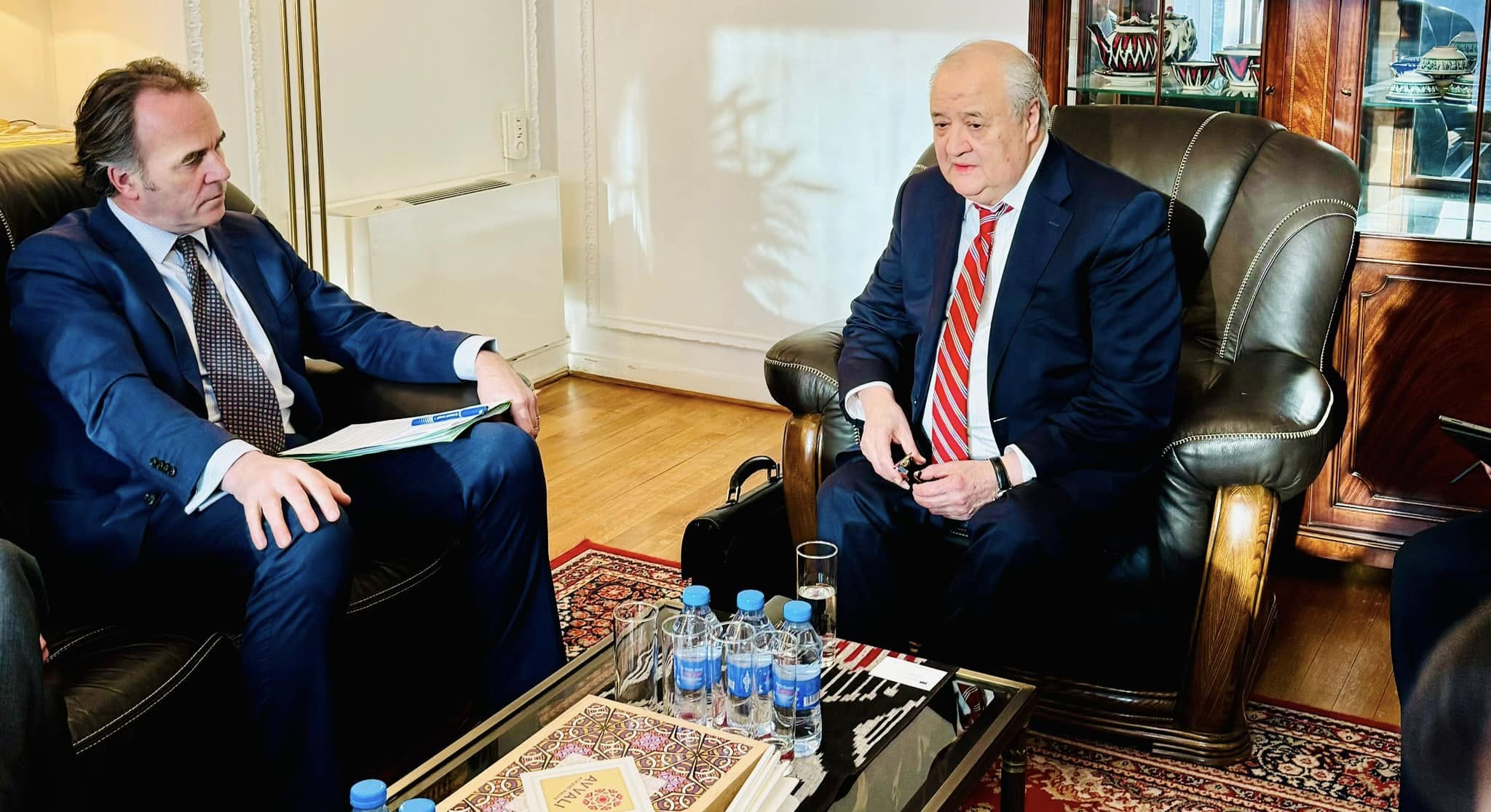
The meetings concluded with concrete proposals aimed at shaping the agenda of the forthcoming Samarkand summit, with a strong focus on enhancing interregional cooperation, infrastructure development, deepening trade and economic relations, and reinforcing joint efforts in security and global challenges.