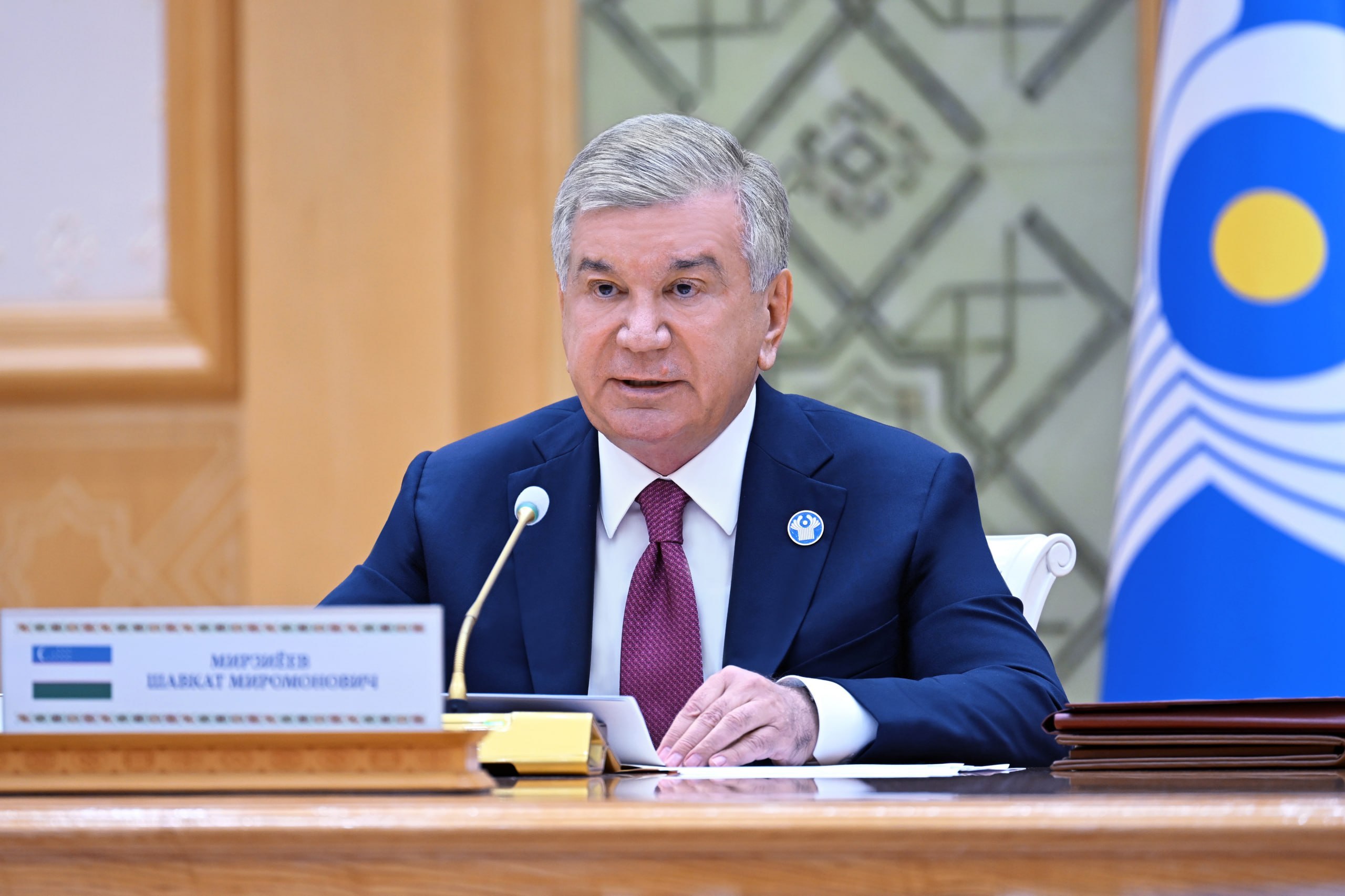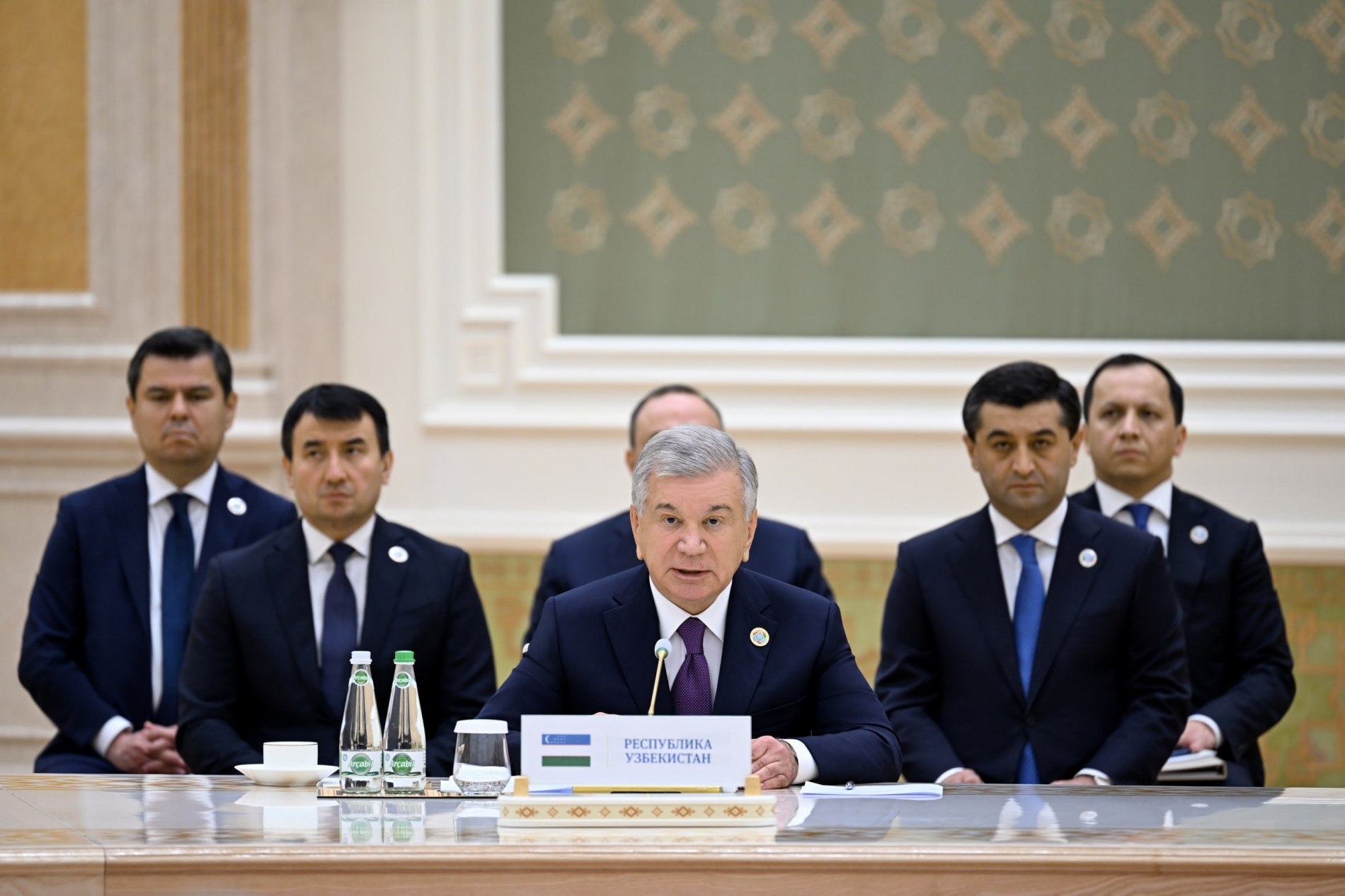
Presenting the initiative, the Head of State emphasized that artificial intelligence and big data technologies «are already changing industry, transport, energy, agriculture, education and public administration», in many respects «determining the productivity of economies».
Building on this initiative, the President also proposed to «launch joint programs for training sectoral personnel, support research projects and create more opportunities for technological entrepreneurship».
Of particular significance is that the initiative envisages linking data centers on the basis of the computing capacities that each state is developing on its own.
This approach preserves each state's control over its own digital infrastructure while making it possible to redistribute workloads, share resources and achieve a scale beyond the reach of any single country.
At the same time, the Head of Uzbekistan proposal builds on processes already under way in the countries of the region. Examples of this include the start of construction in October 2025, of a data center at IT Park in Tashkent with the participation of the Saudi company «DataVolt», with the prospect of creating a regional artificial intelligence hub on its basis.
In December 2025, Uzatom and the Japanese company «Muroosystems» announced a project for a 50 MW data center to be powered by small modular reactors. In September 2026, the first phase of the «Shanghai LinkWise» computing center was launched in the Takhiatash district of Karakalpakstan, with its further expansion scheduled for 2026–2027.
Similar projects are being developed in other Central Asian countries. In Kazakhstan, construction of the Data Center Valley in Ekibastuz, Akashi Data Center in Astana and Freedom Data Center in Almaty was initiated this year. The first phases of the first two facilities are scheduled for commissioning in 2027, and the Almaty facility in stages over 2026–2027.
In Tajikistan, construction of the IT Hub Dushanbe complex, comprising a data center and a regional artificial intelligence center, began in June this year. In Kyrgyzstan, a public–private partnership agreement on building a thermal power plant with a data center in the Chon-Alai district was signed in May this year. In Turkmenistan, plans to build a national data processing center were announced in March this year.
The initiative acquires particular relevance as the countries of Central Asia implement national digital development strategies and build their own computing infrastructure. The construction of data centers, the training of specialists and expanding opportunities for developing domestic AI solutions are laying the groundwork for deeper regional technological cooperation.
Under these conditions, linking national computing capacities into a single interconnected network would make their use more efficient, ensure access to the necessary resources and create a basis for implementing joint projects in the field of artificial intelligence.
Thus, the practical significance of the initiative is determined by three interrelated aspects. First, it will contribute to the harmonization of digital legislation, including data protection, cross-border data transfer, cybersecurity and technical standards. Secondly, pooling computing resources will create conditions for the joint development of AI models that take into account the linguistic and cultural specifics of Central Asia, reducing dependence on external suppliers. Third, the initiative will help narrow the digital divide by giving countries with limited computing capacity access to modern infrastructure without the need to build it on their own.
Ultimately, the initiative put forward by the Head of State could bring together, within a single project, the national digital resources, regulatory approaches and human capital of the countries of the region. This lays the groundwork for Central Asia to act in the technology market not merely as a consumer but as an independent player capable of creating its own digital products and solutions in the field of artificial intelligence.