Yet sizable reserves alone do not guarantee corresponding economic benefits. Promising deposits across the region vary considerably in the extent to which they have been explored and their readiness for commercial development. For some deposits, preparation for investment decisions can already begin; others require further exploration, technological testing, and assessments of processing options. The key challenge is to turn existing resource potential into concrete projects and higher-value-added production.
In September 2026, at the first Central Asia–Republic of Korea Summit, President of Uzbekistan Shavkat Mirziyoyev proposed establishing a Regional Investment Alliance for Critical Minerals. The initiative is intended to build end-to-end production chains across the region, from geological exploration and extraction to advanced processing and the manufacture of finished products.
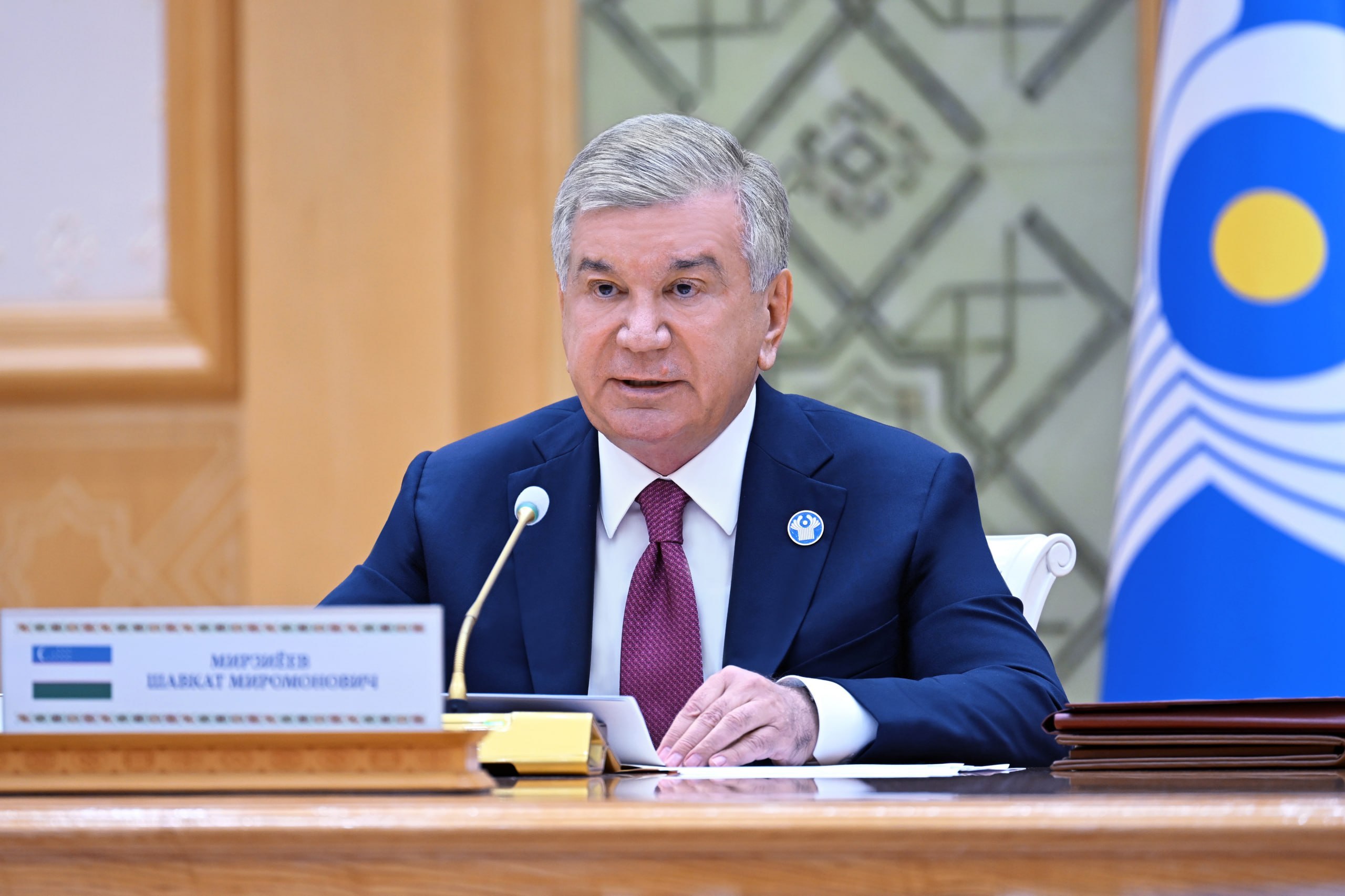
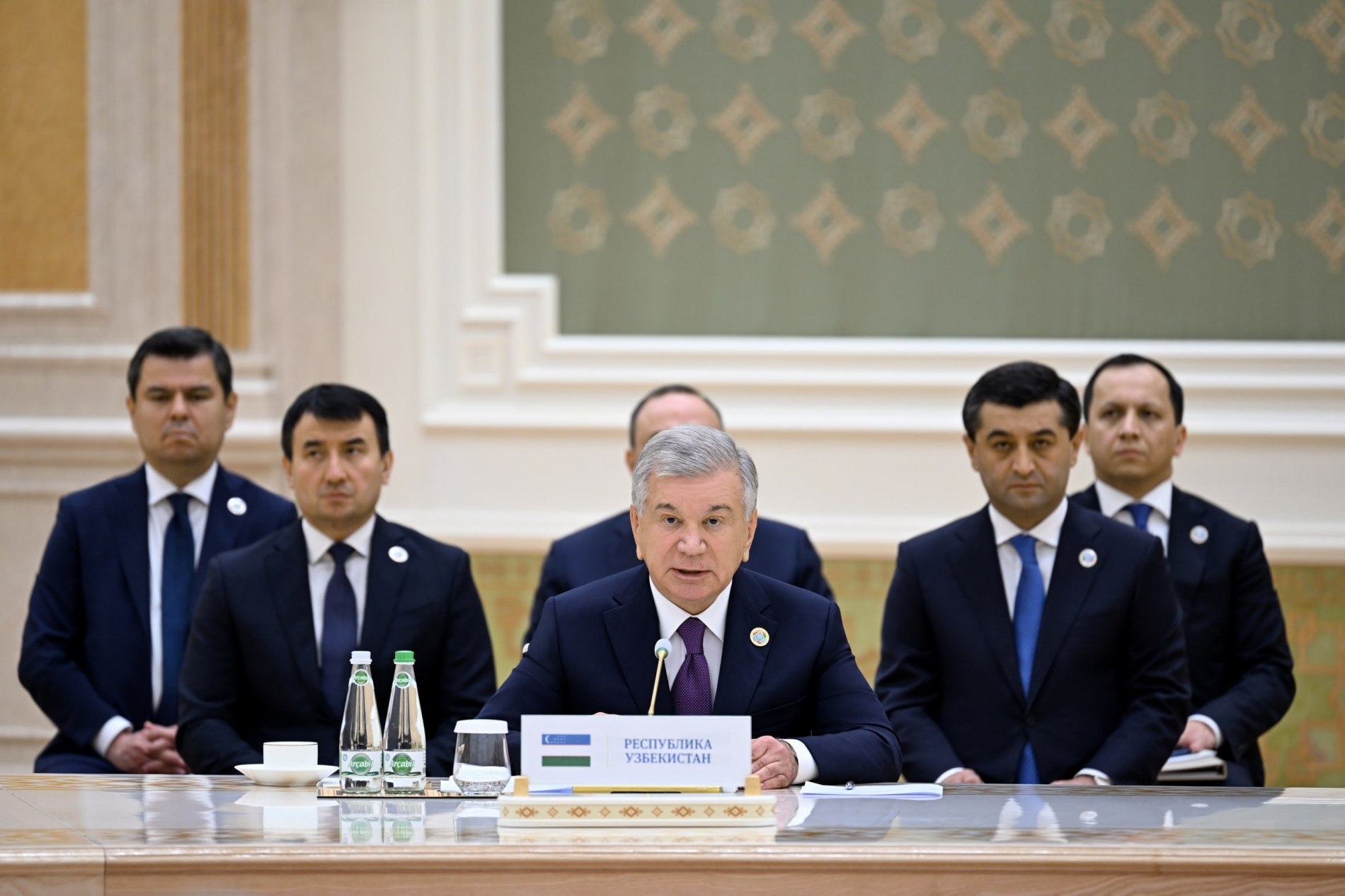
At the eighth Consultative Meeting of the Heads of State of Central Asia and Azerbaijan, this agenda gained practical momentum. The President of Uzbekistan proposed accelerating efforts to establish the Regional Alliance for Critical Minerals, an initiative put forward by Uzbekistan, and identified the creation of a Unified Digital Map of Central Asia’s Critical Mineral Reserves as one of the first steps. According to the President, such a resource would provide a more complete picture of the region’s potential and demonstrate to international investors that the participating countries are ready to develop this area together.
The map’s practical value lies in its ability to present Central Asia’s mineral resource base in a comparable format. At present, most geological data are held in national systems. A shared digital resource would make it possible to identify the locations of critical mineral resources, the level of geological exploration at prospective sites, and their readiness for further development. This would help set more precise exploration priorities and build a portfolio of projects for subsequent investment assessment.
The region already has a foundation for this work. Uzbekistan is digitizing its accumulated geological records, improving the National Geological Database, and introducing geographic information system (GIS) technologies, artificial intelligence, and 3D modeling. Kazakhstan is developing a Unified Subsoil Use Platform with access to a substantial body of geological materials. Kyrgyzstan is creating the Nedra information system and continuing to digitize its geological archives. These efforts provide a basis for gradually moving from national information systems toward the comparison of key data at the regional level.
The value of this approach extends beyond geological exploration. Differences among countries in their resource bases, processing capacities, energy sectors, and transportation infrastructure create opportunities for specific joint industrial projects. The broader objective is to attract technology and capital, expand domestic processing, and develop new capabilities that will enable the countries of the region to derive greater economic value from their existing resources.
Central Asia has an opportunity to play a more prominent role in emerging critical minerals supply chains. The region’s competitiveness, however, will depend less on the scale of its reserves than on its ability to turn those resources into new production facilities, technological solutions, skilled employment, and higher-value-added exports.
A unified digital map could provide the data foundation for this process. Its value lies not in consolidating geological data for its own sake, but in using those data to make better-informed decisions about investment priorities and future development. Over the long term, critical minerals could become a driver of technological modernization, greater competitiveness of national economies, and new sources of growth for Central Asia.