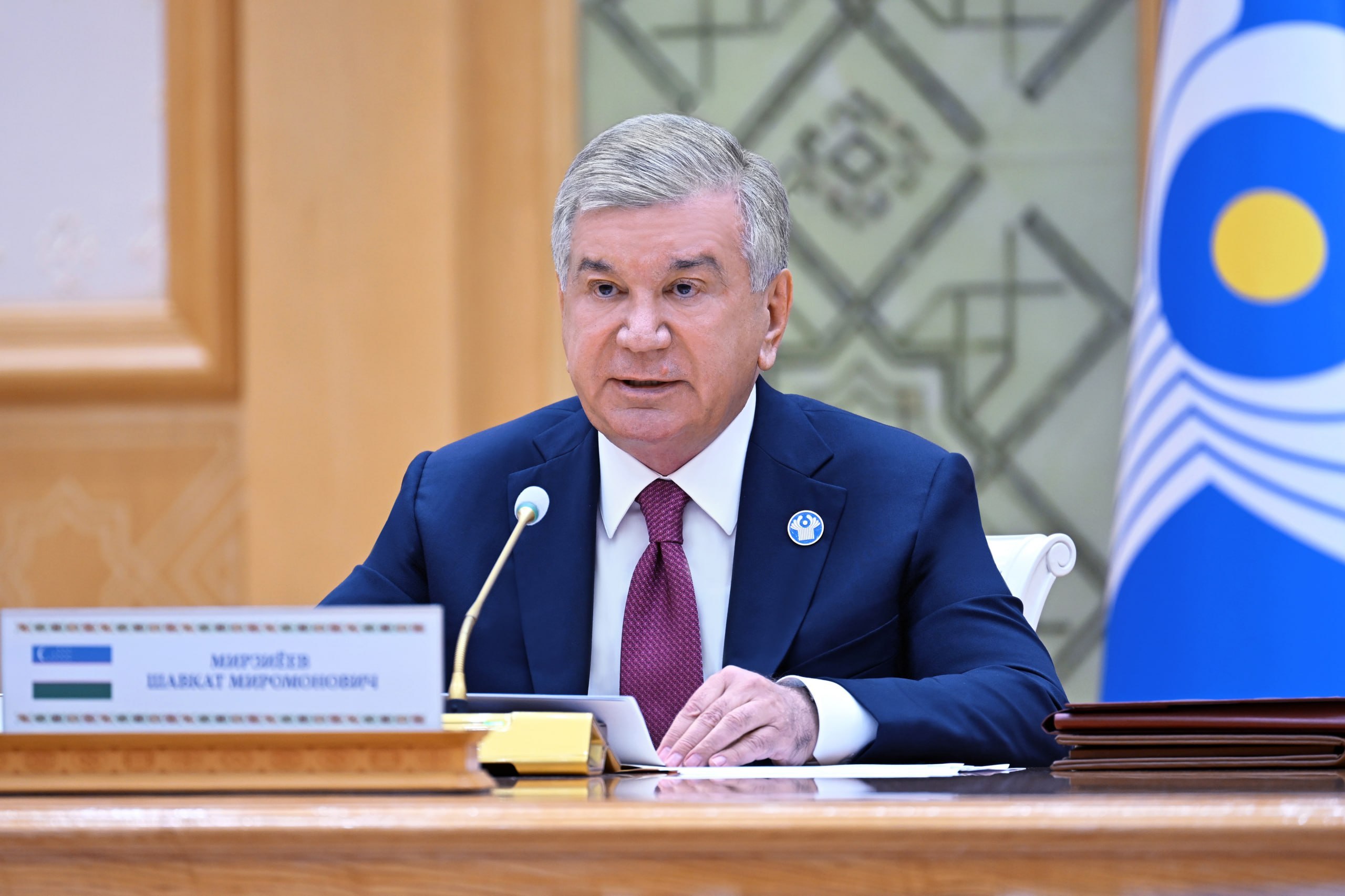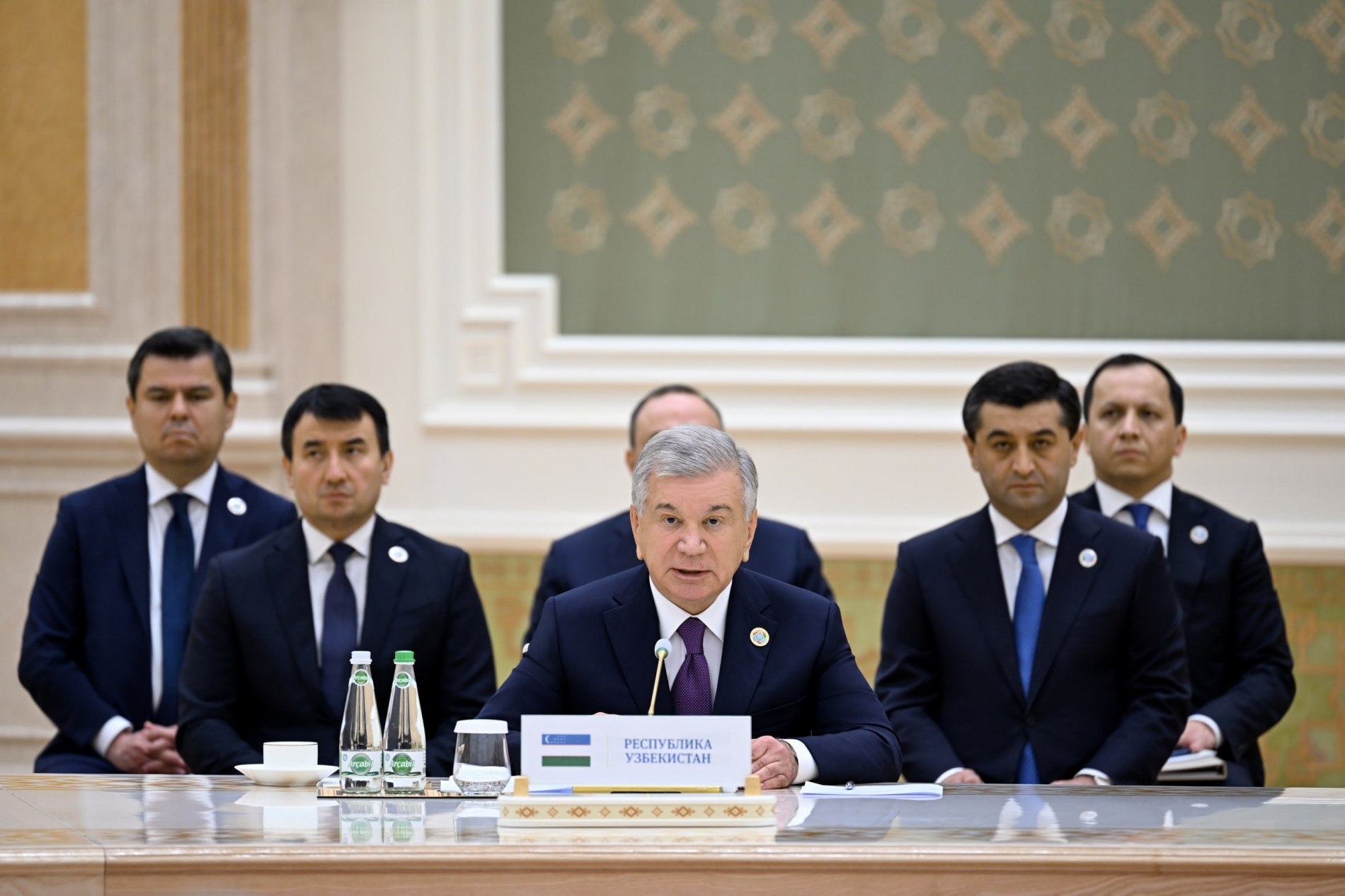
The initiative reflects the need to make rational use of the energy potential of the countries within this format and to take a comprehensive approach to developing green energy across the region.
“Our region has a diverse resource base. We have substantial hydrocarbon reserves alongside significant potential for hydropower, solar, and wind generation. It is precisely this diversity that allows our countries to complement one another,” Mirziyoyev said.
In the President’s view, the proposal would improve coordination in building new generating capacity, developing modern energy storage systems, and creating new energy corridors.
The proposed approach addresses one of the defining features of the region’s energy sector — the uneven distribution of resources, which, with effective coordination, can become the basis for complementarity among national energy systems. Kyrgyzstan and Tajikistan hold roughly 80% of the region’s hydro resources, while thermal generation plays a major role in Kazakhstan, Turkmenistan, and Uzbekistan.
At the same time, the region’s energy landscape is gradually shifting: Central Asian states are expanding renewable energy capacity, particularly solar and wind. Cooperation with Azerbaijan adds further potential for deepening regional ties, as it could strengthen Central Asia’s energy connectivity with Western markets.
What makes the initiative particularly significant is the strategic approach it reflects on the part of Uzbekistan’s President toward building a unified Central Asian energy space. The proposal signals an understanding that the region’s energy resources carry their greatest value not simply on their own, but through their complementarity. Aligning national priorities, developing cross-border infrastructure, and planning jointly would unlock this potential for the benefit of the region as a whole.
In this context, the Joint Concept could become an important tool for strengthening regional cooperation. Implementing it would raise the efficiency of resource use, create additional conditions for integrating renewable energy sources, and build a more stable foundation for attracting investment. Aligning energy priorities in this way would help address current infrastructure needs while also shaping a longer-term vision for the development of Central Asia’s energy sector
The initiative’s practical significance rests on three interconnected points. First, it would strengthen energy interconnectivity among the region’s states by aligning plans for generating capacity, expanding mutual electricity supply, and making more rational use of national resources. Second, it would create the conditions for accelerated development of low-carbon energy, including the integration of solar and wind generation, the deployment of energy storage systems, and the modernization of cross-border infrastructure. Third, it would open additional opportunities for joint investment projects and for expanding Central Asia’s energy ties with external markets, strengthening the region’s standing in international energy cooperation.
Taken together, President Mirziyoyev’s initiative reflects Uzbekistan’s ambition to play an active role in shaping a coordinated regional development agenda. Its particular significance lies in laying the groundwork for pooling the energy potential of Central Asia and Azerbaijan and putting it to effective use for the benefit of the region as a whole. Carrying this approach forward consistently would help build mutual trust, unlock the region’s combined energy potential, and create further conditions for its sustained economic development.