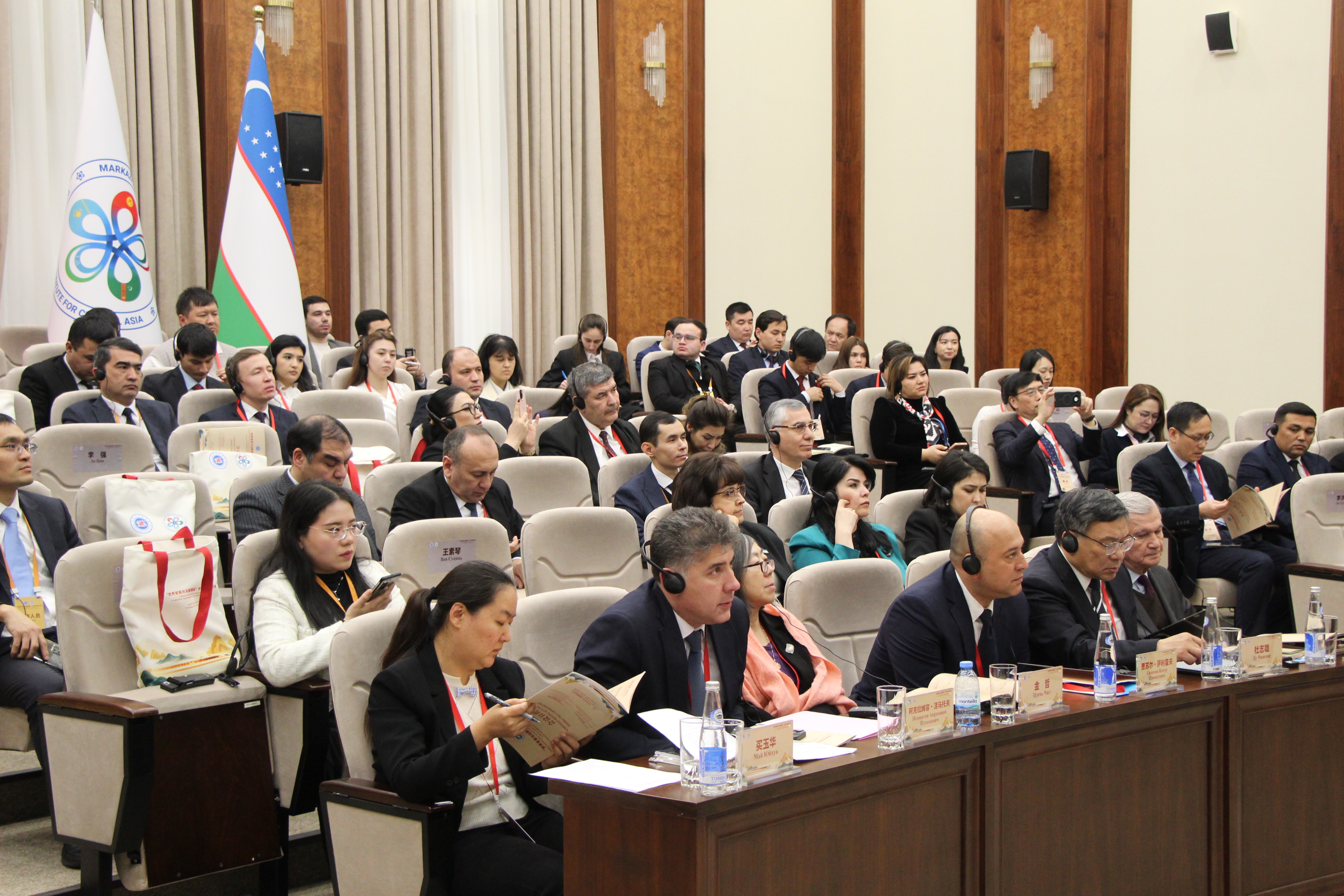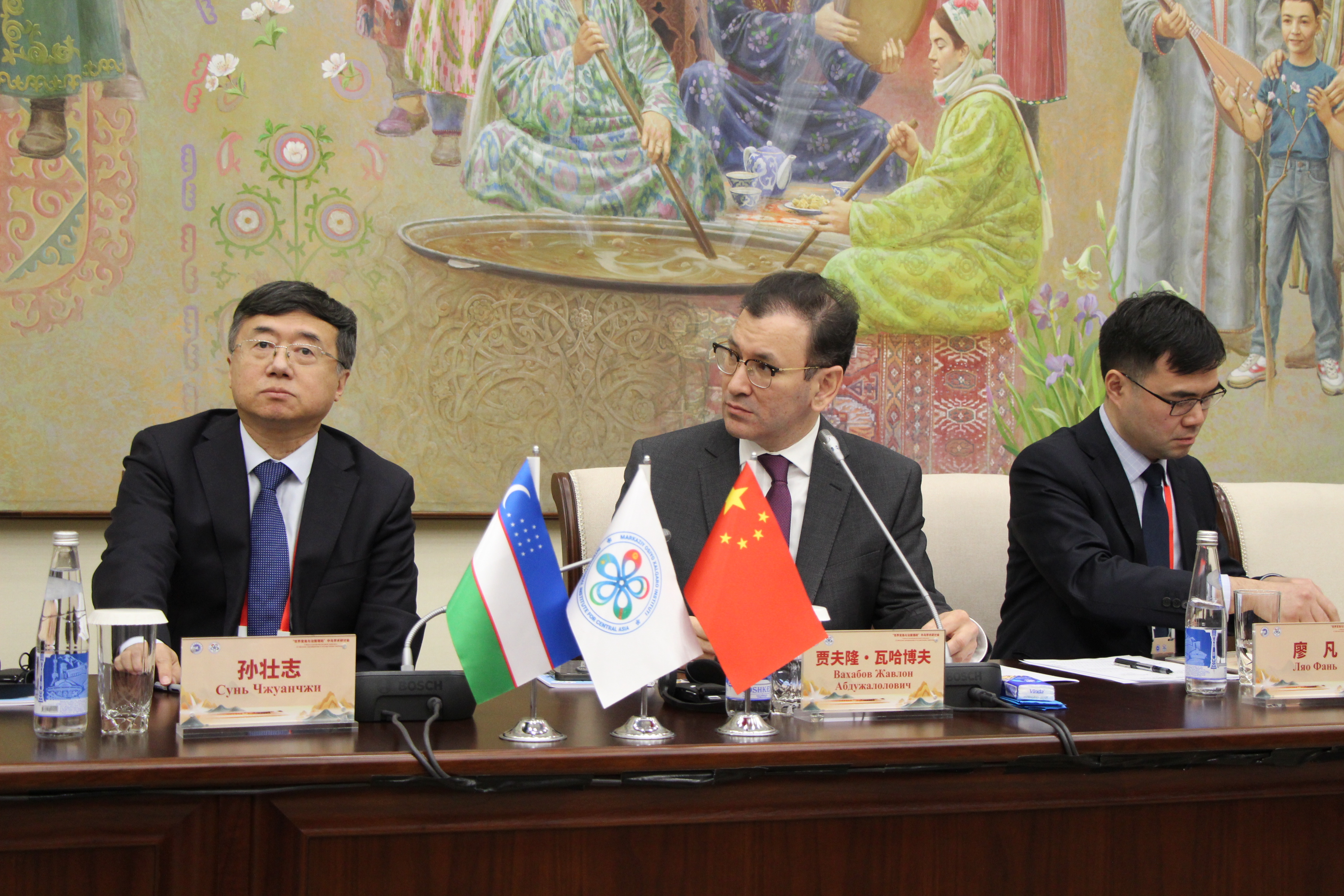
The event was organized by IICA, the Chinese Academy of Social Sciences (CASS), as well as CASS-affiliated institutions, including the Institute of East European, Russian, and Central Asian Studies, the Institute of World Economics and Politics, and the Xinjiang Research Center.
During the symposium, participants discussed issues of cooperation between Uzbekistan and China in the field of public administration, the application of AI for digital connectivity, and key areas of regional cooperation within the “Central Asia–China” framework.
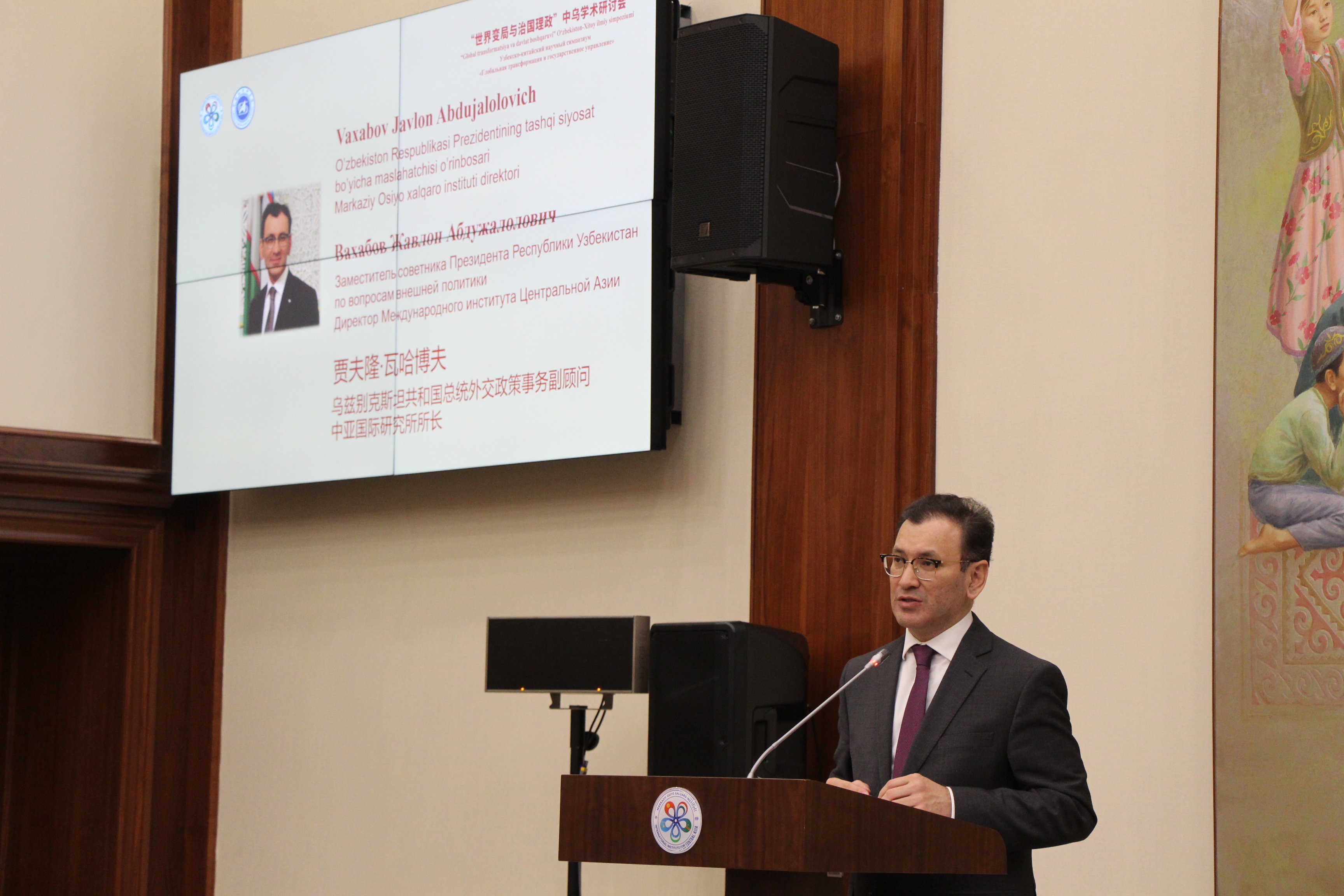
At the opening ceremony, Amb. Javlon Vakhabov, Managing Director of the IICA, noted that Uzbekistan–Chinese relations are a vivid example of pragmatic partnership that contributes to the sustainable development of both countries. In this context, close contacts at the expert level make an important contribution to strengthening political dialogue, generating new ideas and launching promising joint initiatives.
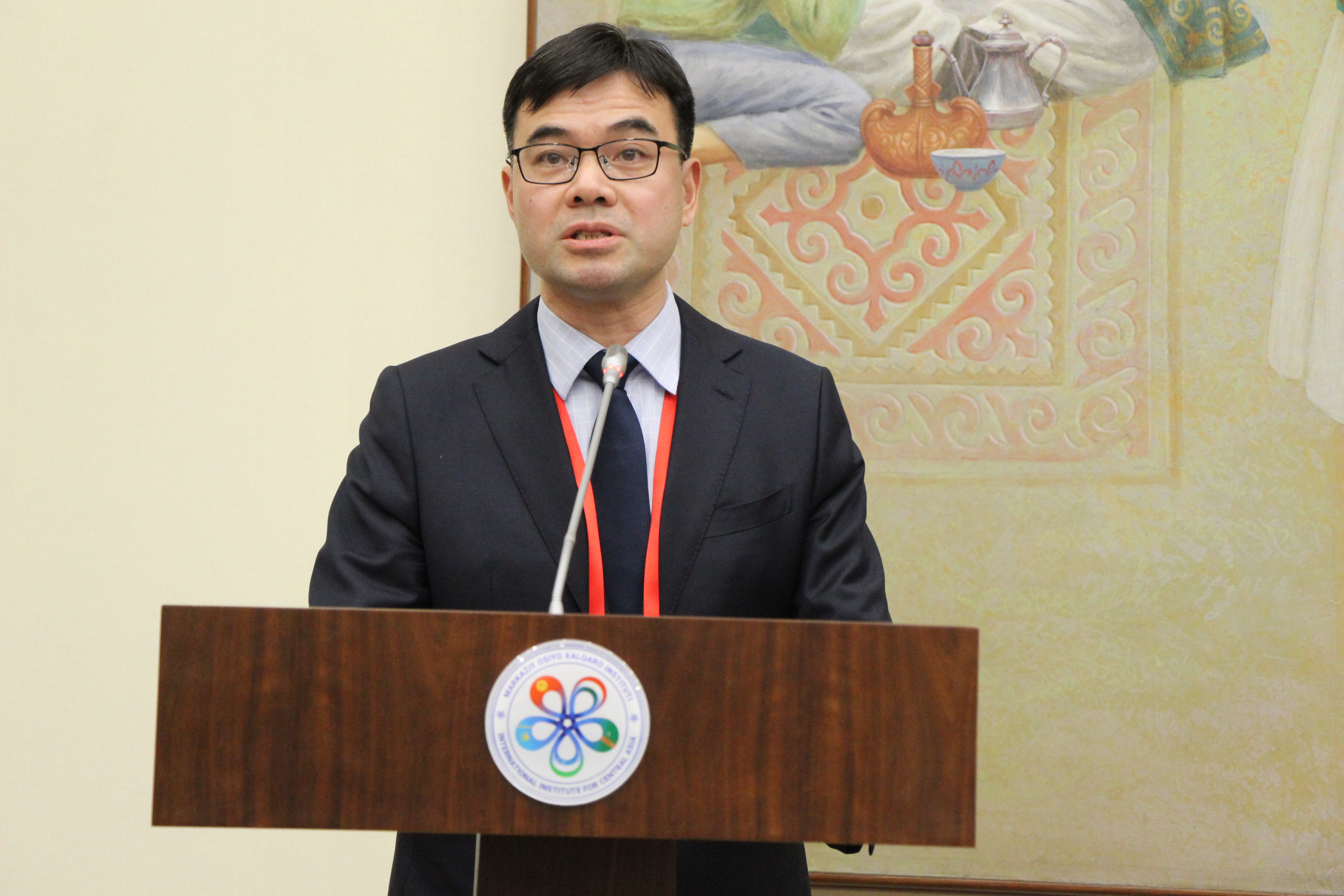
In turn, Liao Fan, Director of the Institute of World Economics and Politics of CASS, emphasized the steady dynamics of relations between Uzbekistan and China. The expert proposed expanding the exchange of experience in public administration and industrial modernization, as well as strengthening digital cooperation within the framework of the Digital Silk Road initiative.
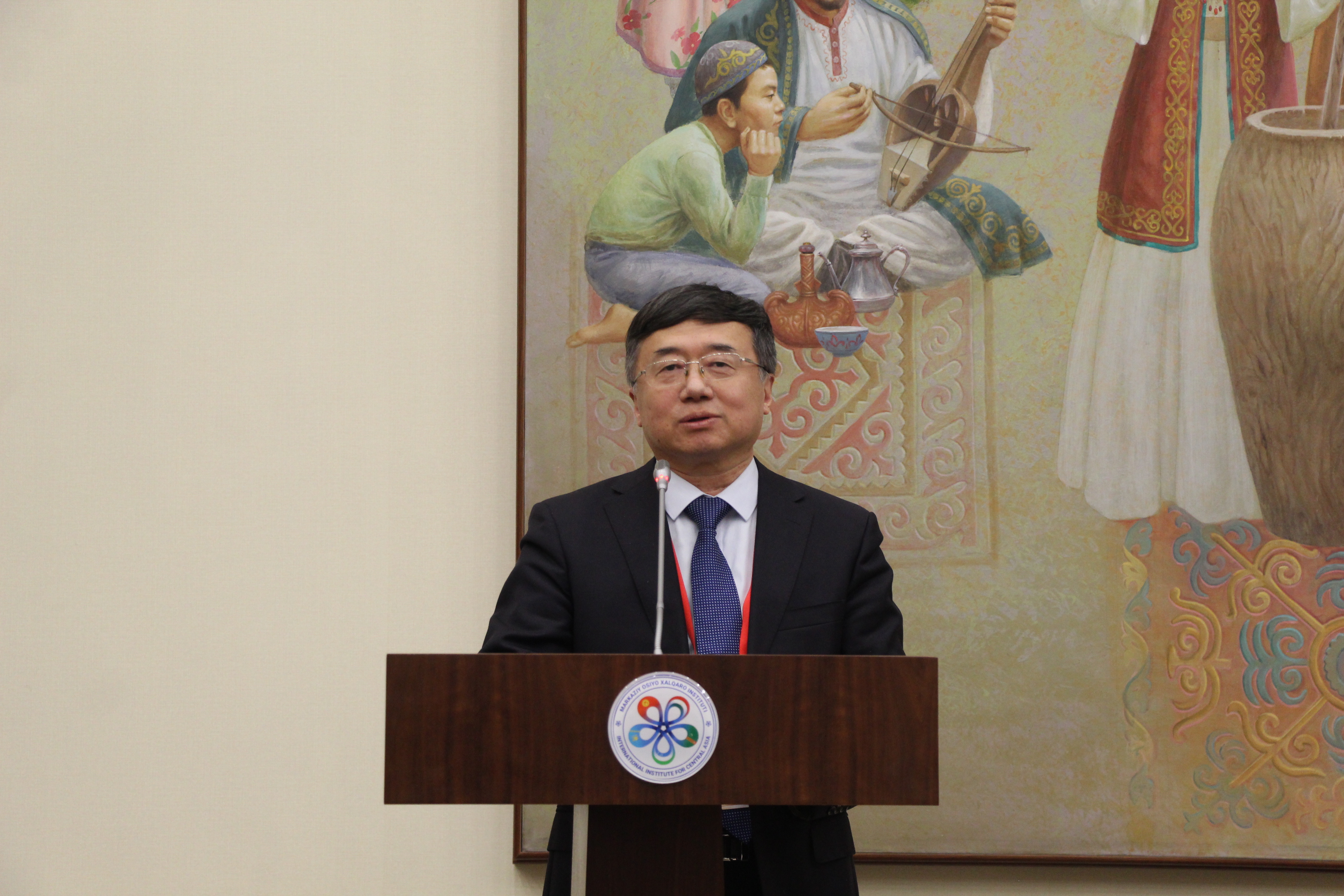
Sun Zhuangzhi, Director of the Institute of East European, Russian, and Central Asian Studies of CASS, stated that over the past decade China and the Central Asian states have achieved a qualitatively new level of relations. A key role has been marked by the launching of “Central Asia–China” framework, which has become an important platform for deepening partnership in the areas of security, trade and investment, cultural and humanitarian exchanges, making regional interaction “more stable and predictable.”
In order to enhance the effectiveness of public administration, Jasur Salikhov, Rector of the Academy of Public Policy and Administration under the President of the Republic of Uzbekistan, initiated the launch of a research program titled “Public Governance and Socio-Economic Reforms.” The program includes joint research with CASS, exchanges of expert opinions, and sharing of information resources.
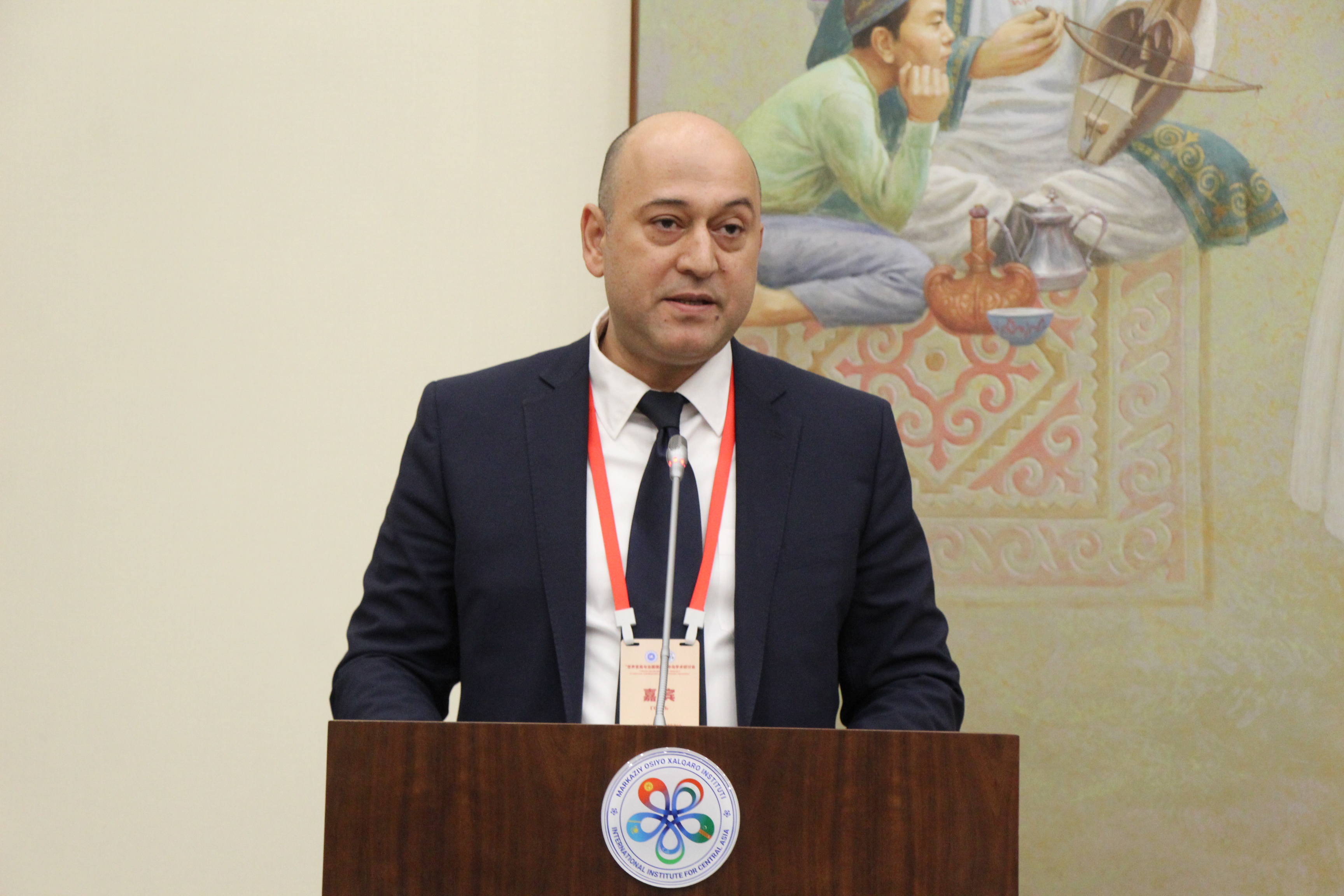
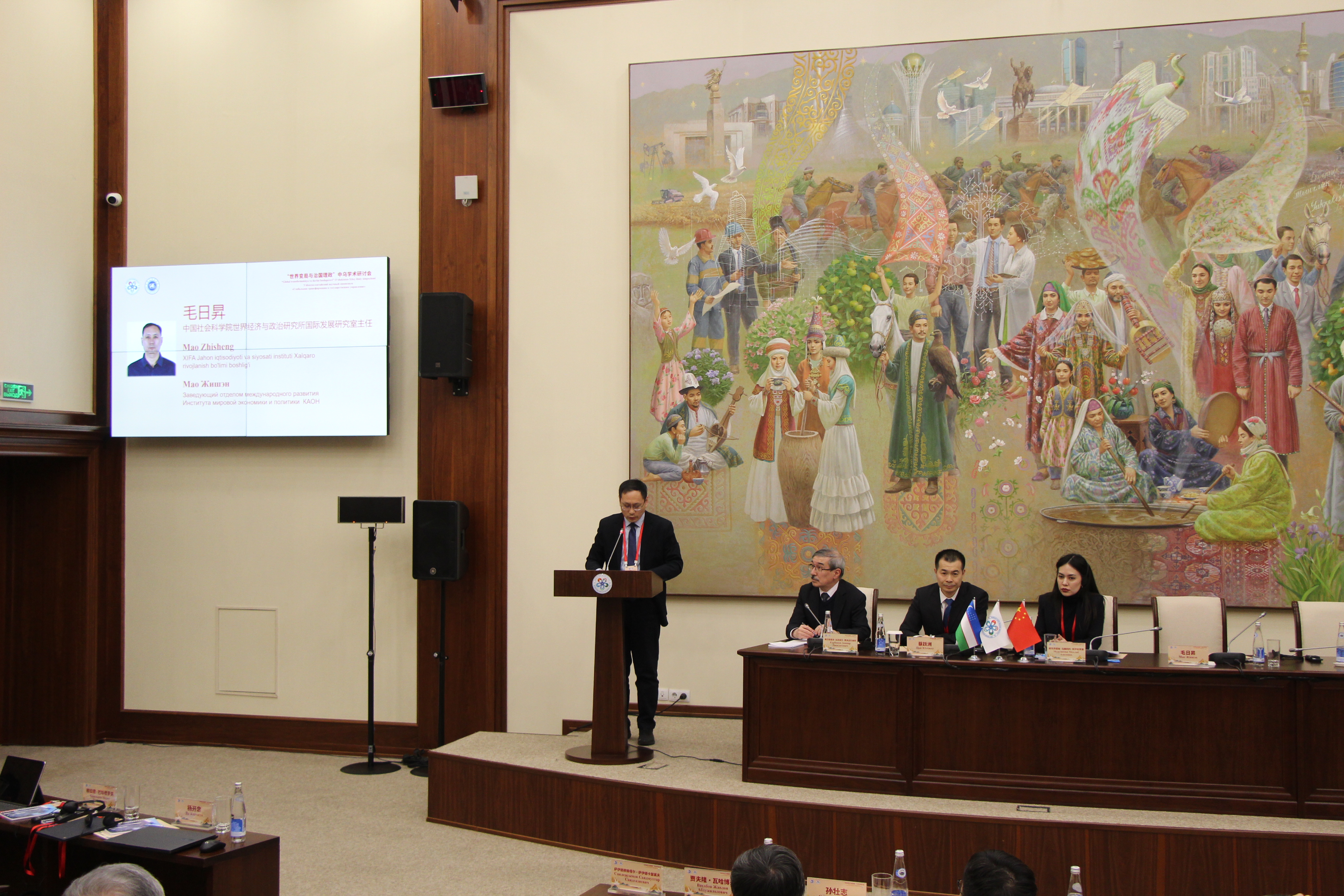
Mao Zhisheng, Head of the Department of International Development at the CASS Institute of World Economics and Politics, proposed transforming the “China–Kyrgyzstan–Uzbekistan” railway project into a digital link through the use of AI to optimize logistics flows with minimal costs.
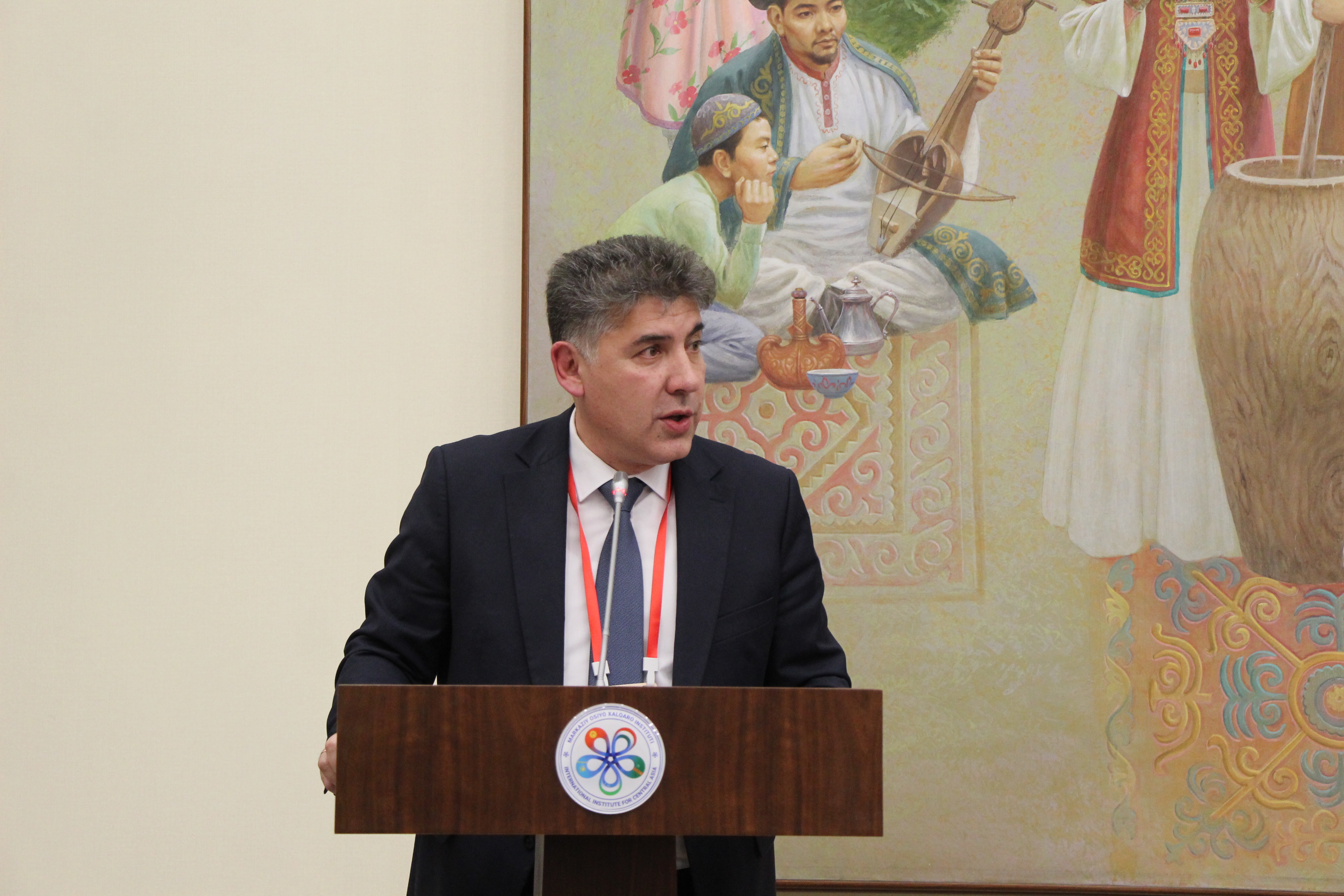
Akramjon Nematov, First Deputy Director of the Institute for Strategic and Regional Studies under the President of the Republic of Uzbekistan, noted that aligning the strategic priorities of the two countries helps reduce external risks for Uzbekistan and facilitates its integration into new regional and global economic frameworks. Among the most in-demand aspects of Chinese experience, the expert highlighted industrial and technological development, strengthening transport and logistics infrastructure, digitalization of public administration, and the “green” transformation of the economy.
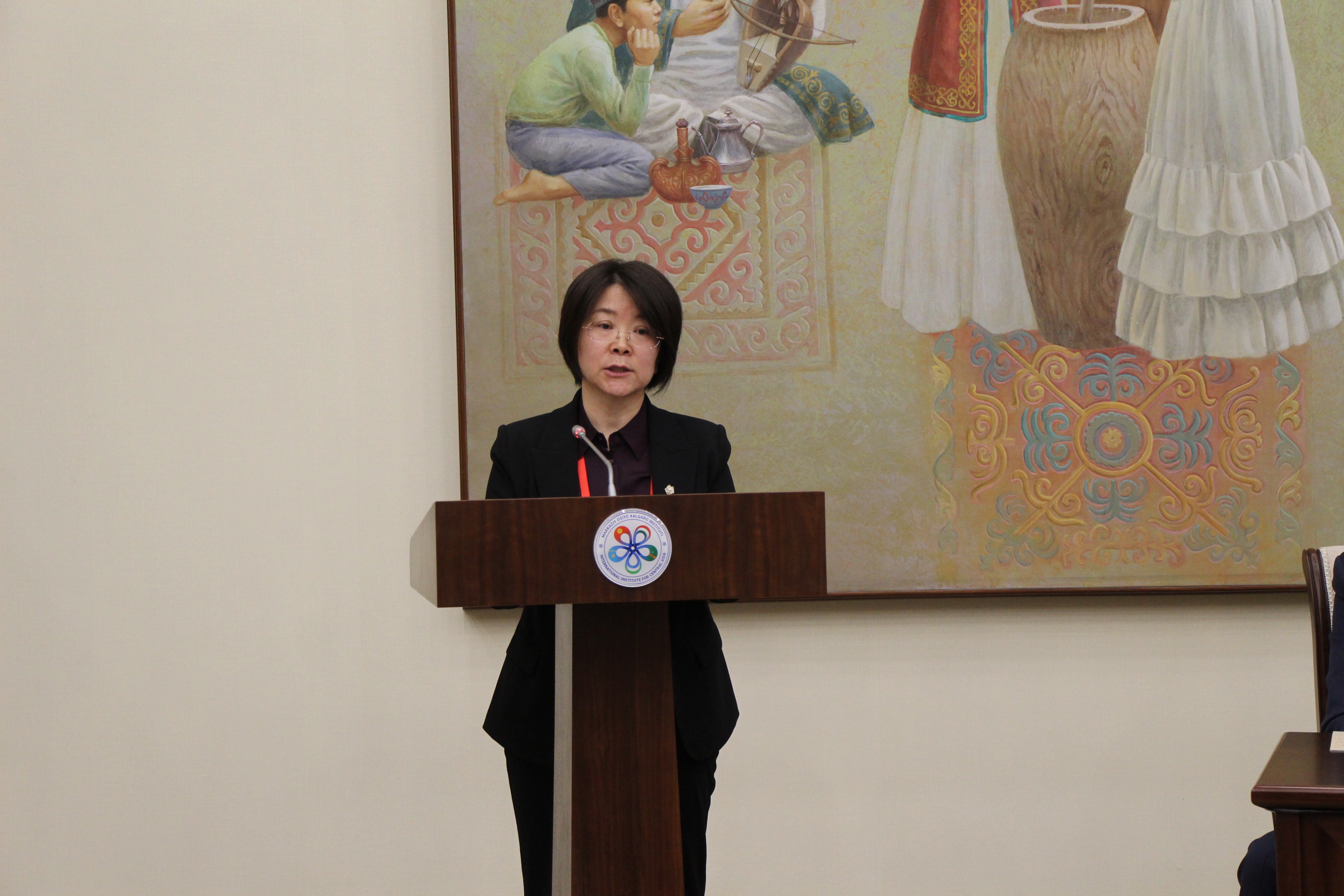
There was also highlighted the importance of technological modernization in agriculture as a key driver of sustainable economic growth. Chen Kunlin, Deputy Director of the Institute for Rural Development of the Xinjiang Academy of Social Sciences, identified the development of smart agriculture based on autonomous technologies and digital management systems as a promising area of cooperation, aimed at improving the efficiency of water use and fertilizer application.
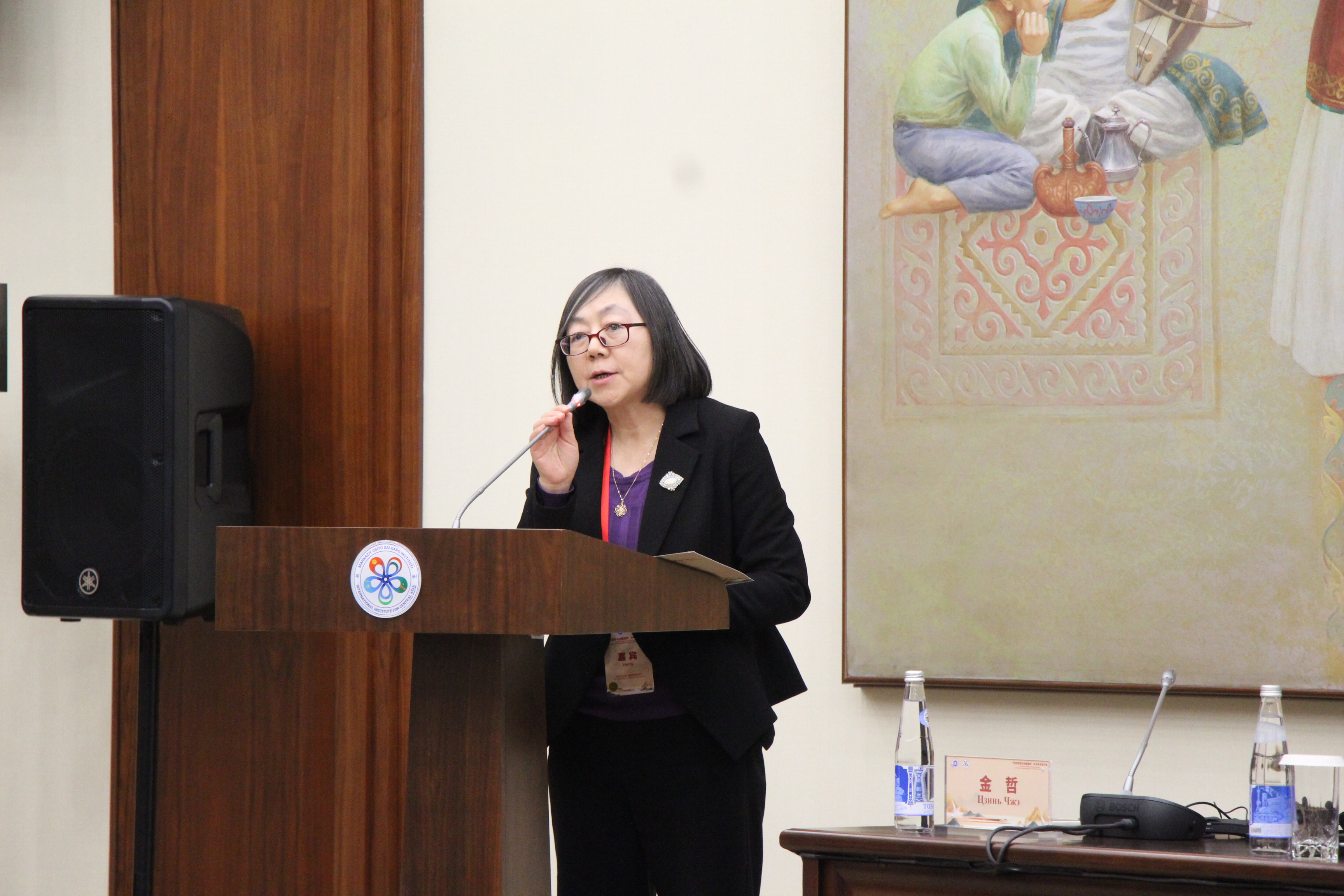
Special attention was given to the need for continuous expert and analytical support. According to Jin Zhe, Deputy Director of the Institute of East European, Russian, and Central Asian Studies of CASS, regular dialogue between think tanks helps align strategic objectives with practical implementation, take regional risks into account, and translate political agreements into tangible forms of cooperation.
At the end participants highlighted the strong prospects for deepening the partnership between Uzbekistan and China and expressed their readiness to continue expert dialogue and joint efforts to strengthen long-term cooperation.