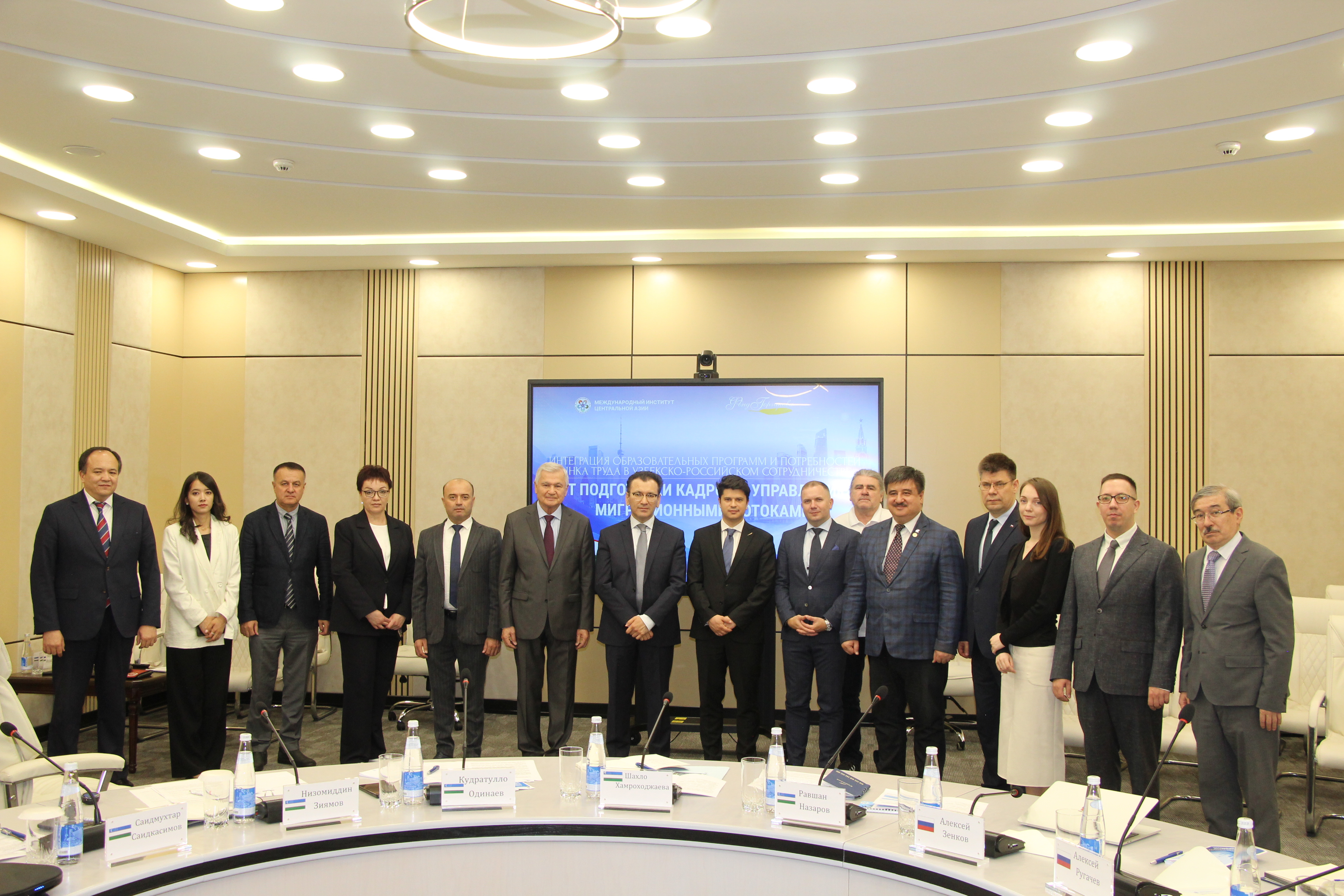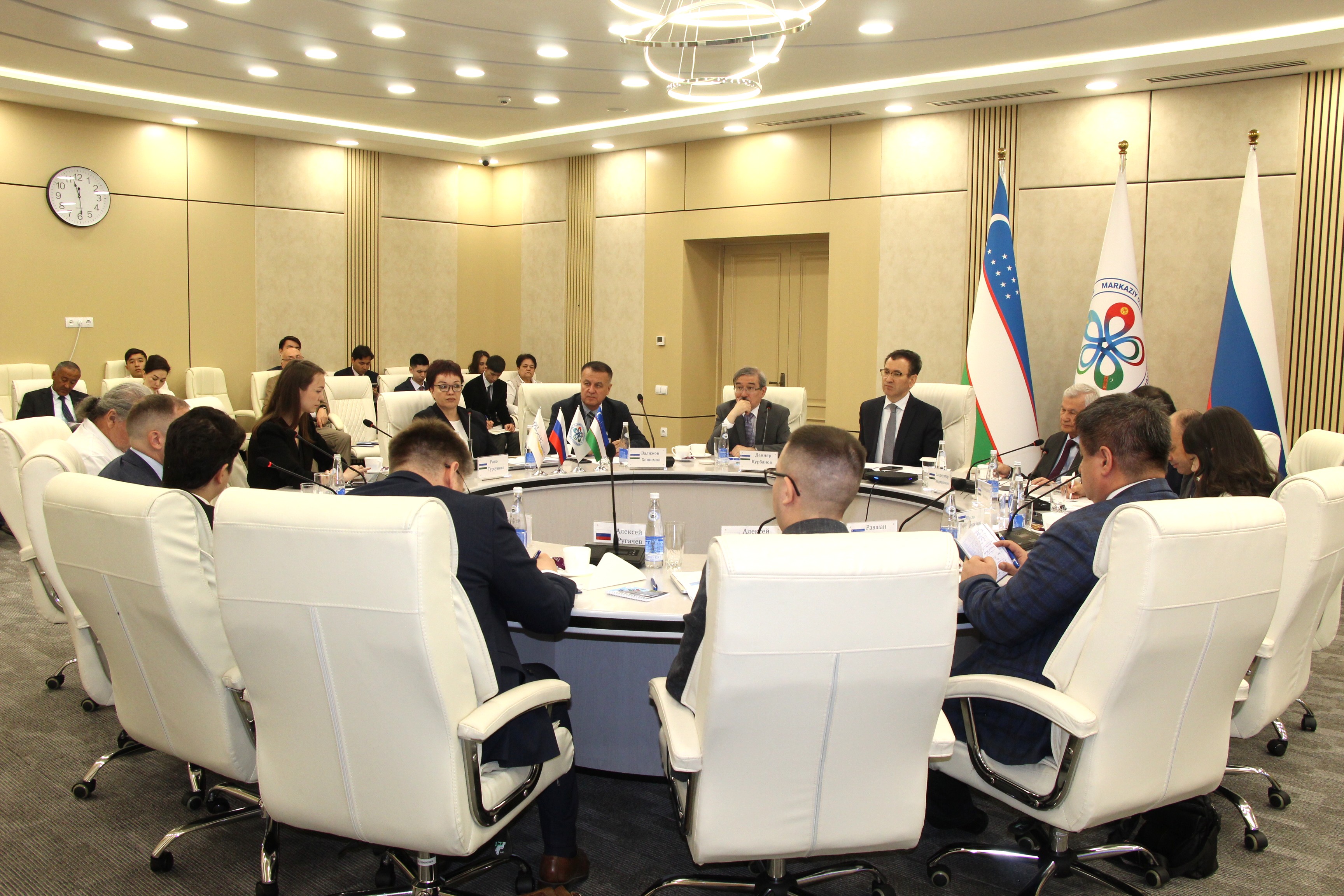
The discussion focused on the current state and future development of Uzbekistan–Russia engagement in education, the labor market, and migration, as well as ways to improve workforce training mechanisms and the regulation of migration processes and brought together representatives of government bodies, the diplomatic corps, leading educational, research, and analytical institutions, and the business communities of both countries.
Opening the event, IICA Director Javlon Vakhabov noted that Uzbekistan ranks first among CIS countries in the number of branch campuses of Russian universities. The country currently hosts 15 such campuses with more than 10,000 students enrolled, while over 60,000 citizens of Uzbekistan are pursuing degrees at universities in Russia itself. At the same time, he stressed, the key challenge is to ensure that education programs match the real needs of the economy and the labor market. "Migration increasingly calls not only for managing flows, but also for managing the quality of human capital," J.Vakhabov said.
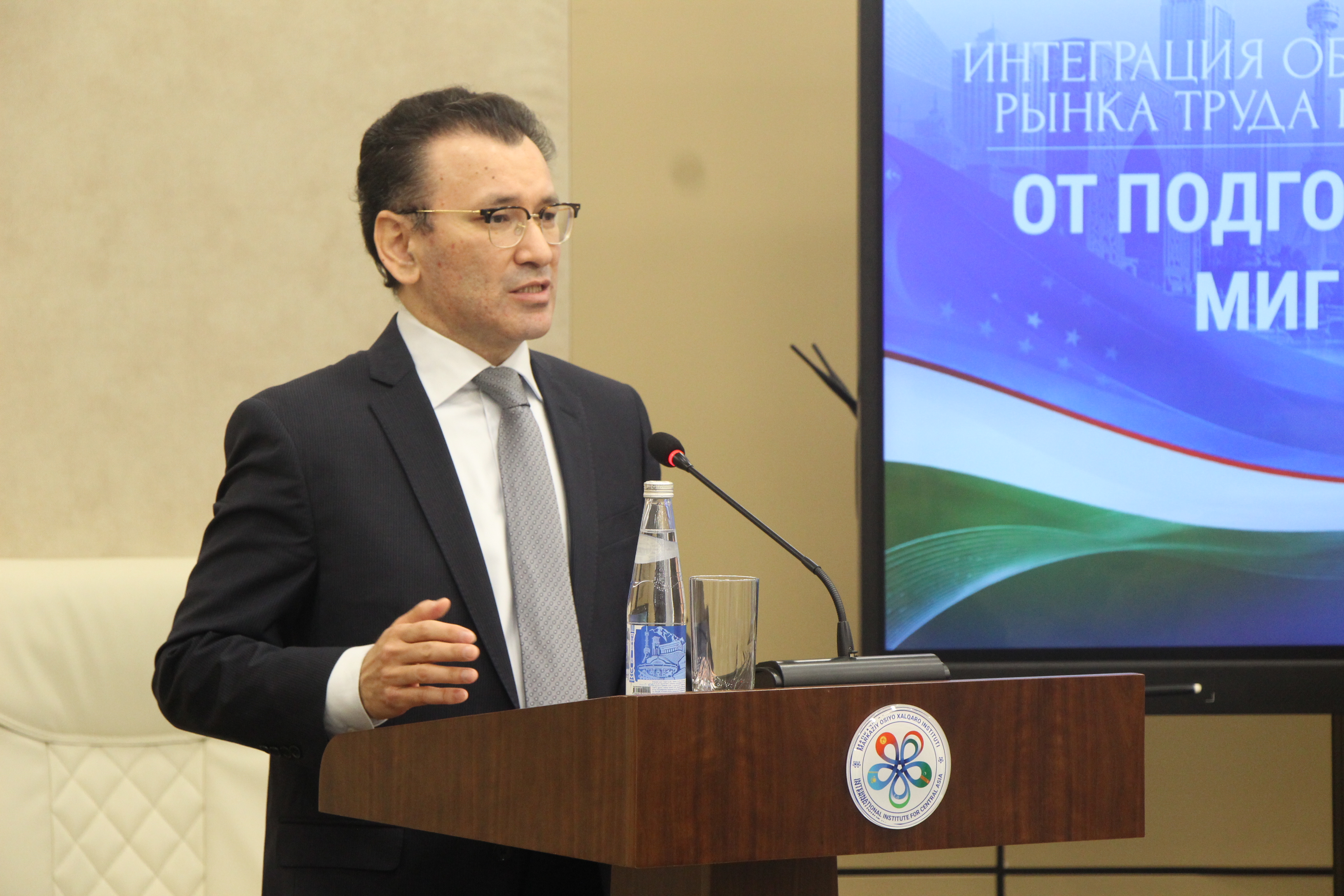
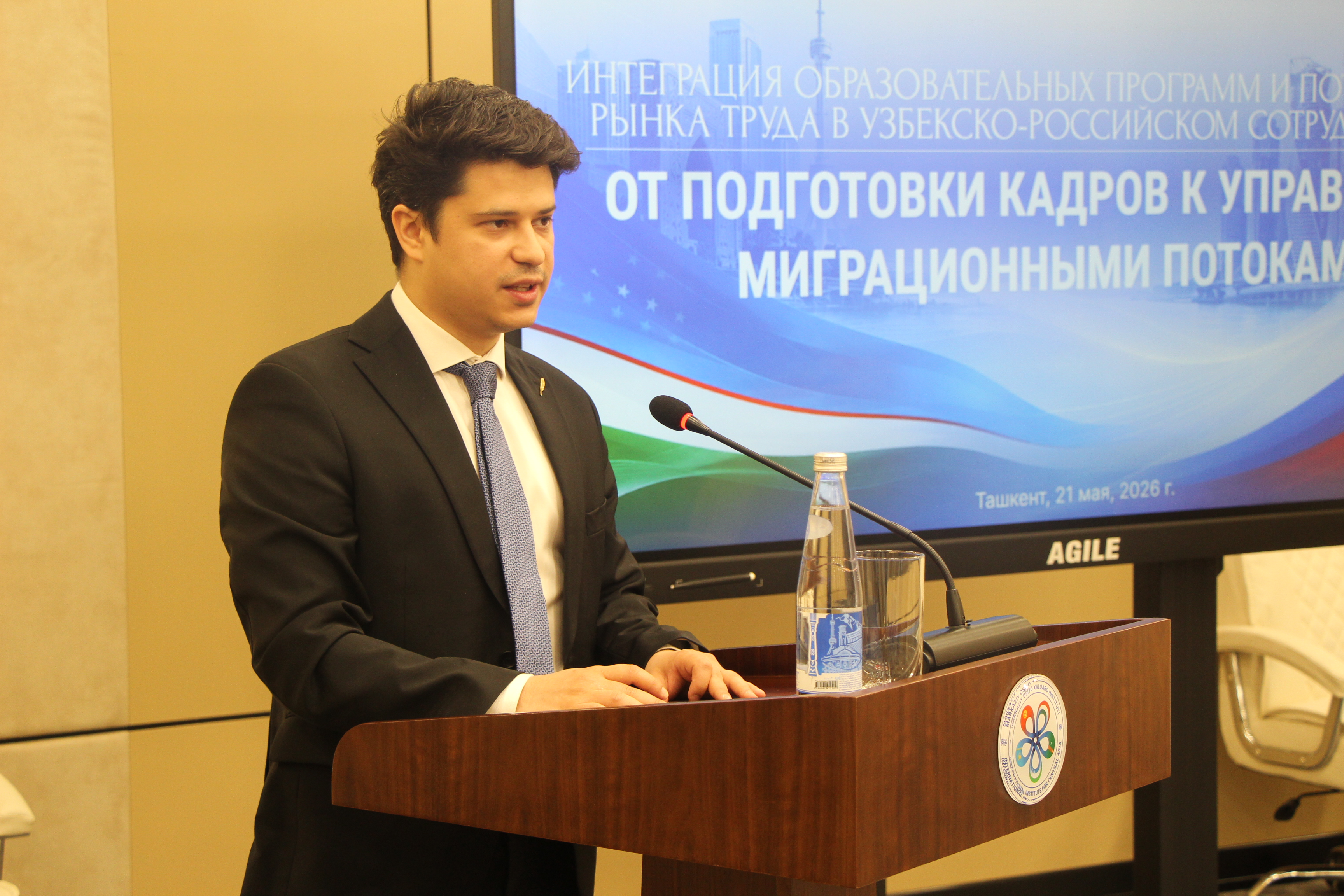
Sergey Orlov, Deputy Executive Director of the Gorchakov Fund, noted that the largest network of Russian university branch campuses anywhere abroad reflects the depth of educational cooperation between the two countries. In his assessment, the structure of labor migration is gradually shifting toward more highly skilled professionals, which calls for further adapting workforce training to current economic demands. "A diploma alone does not make a specialist, and a mismatch between education and the economy cannot be fixed through emergency measures," S.Orlov said.
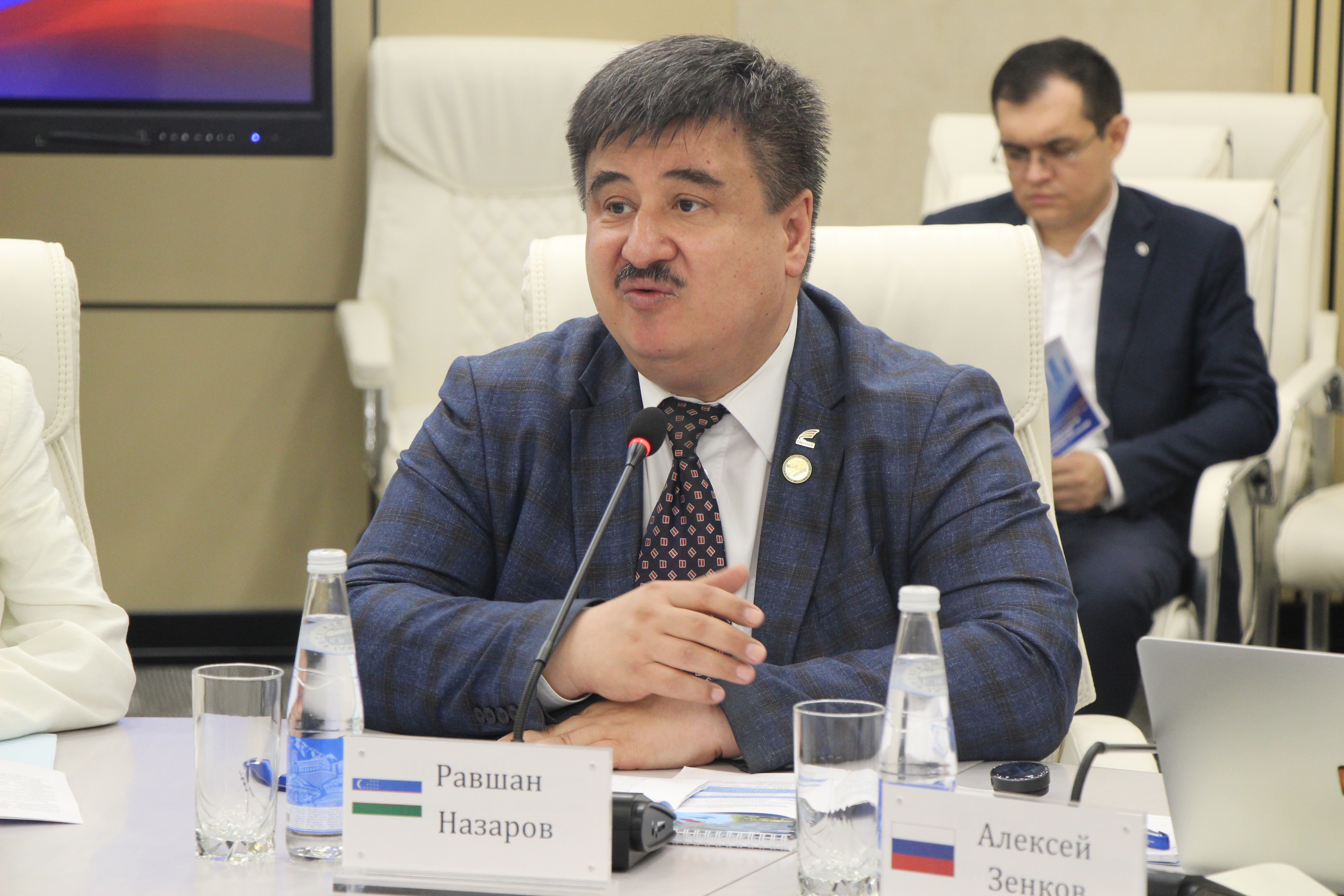
Ravshan Nazarov, Associate Professor at the Tashkent branch of the Plekhanov Russian University of Economics, pointed to the qualitative changes in Russia–Uzbekistan cooperation in higher education since 2017. According to him, more than 70% of the branch's graduates work in their field of study, and around 18% have started their own businesses. He noted that branch campuses of Russian universities are becoming not only educational venues but also important institutions for building durable economic and business ties between the two countries.
Igor Savin, Senior Research Fellow at the Institute of Oriental Studies of the Russian Academy of Sciences, called for expanding educational and information programs for labor migrants, viewing migration policy through a humanitarian lens as well as an economic one.
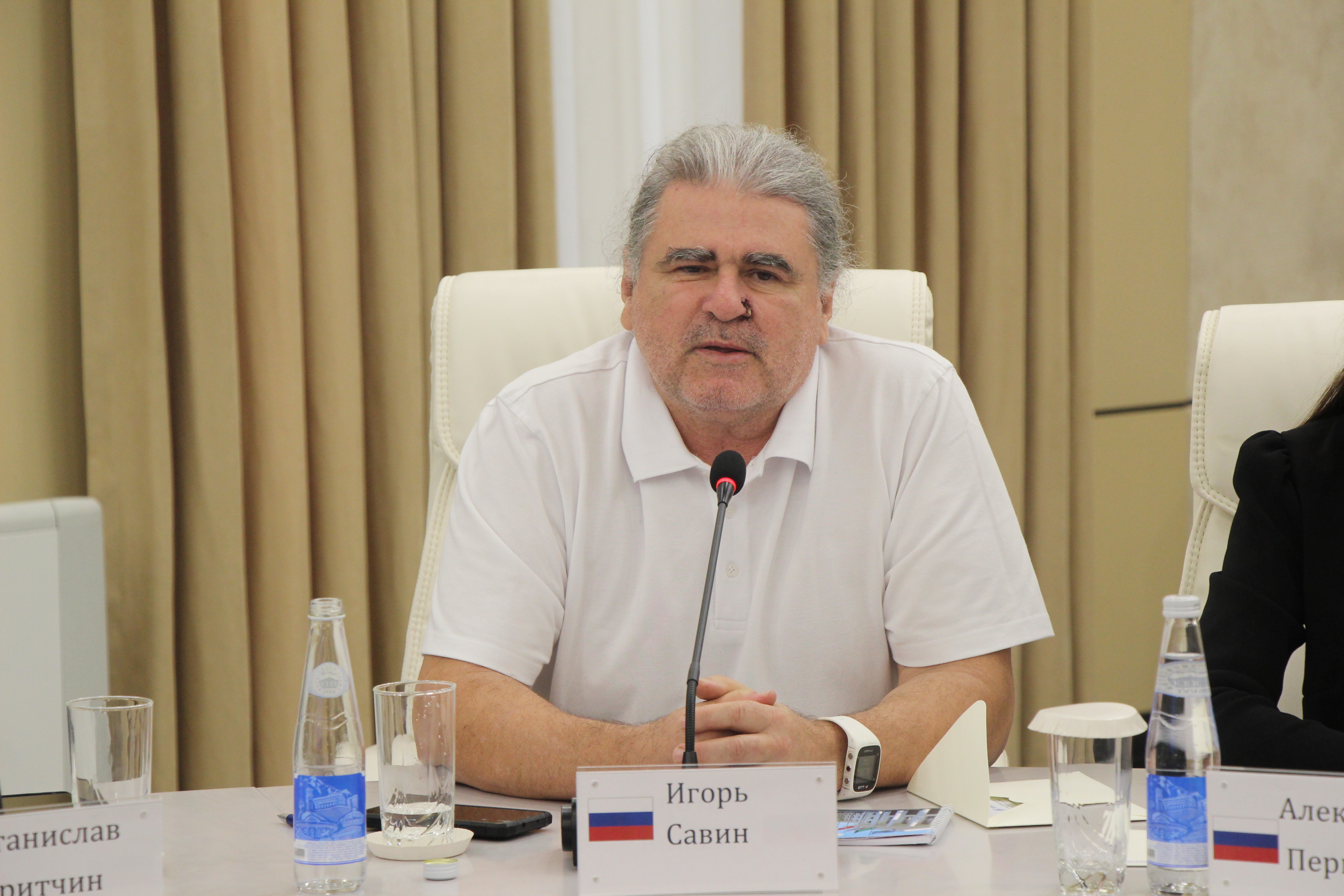
Stanislav Pritchin, Head of the Central Asia Section at the Institute of World Economy and International Relations (IMEMO) of the Russian Academy of Sciences, noted that vocational and technical education remains insufficiently involved in workforce training despite strong demand for technical and skilled trade specialists. He said the Russian economy faces a significant shortage of skilled workers. As a practical solution, he proposed developing joint education programs at colleges in Uzbekistan drawing on Russian training standards and technological capacity.
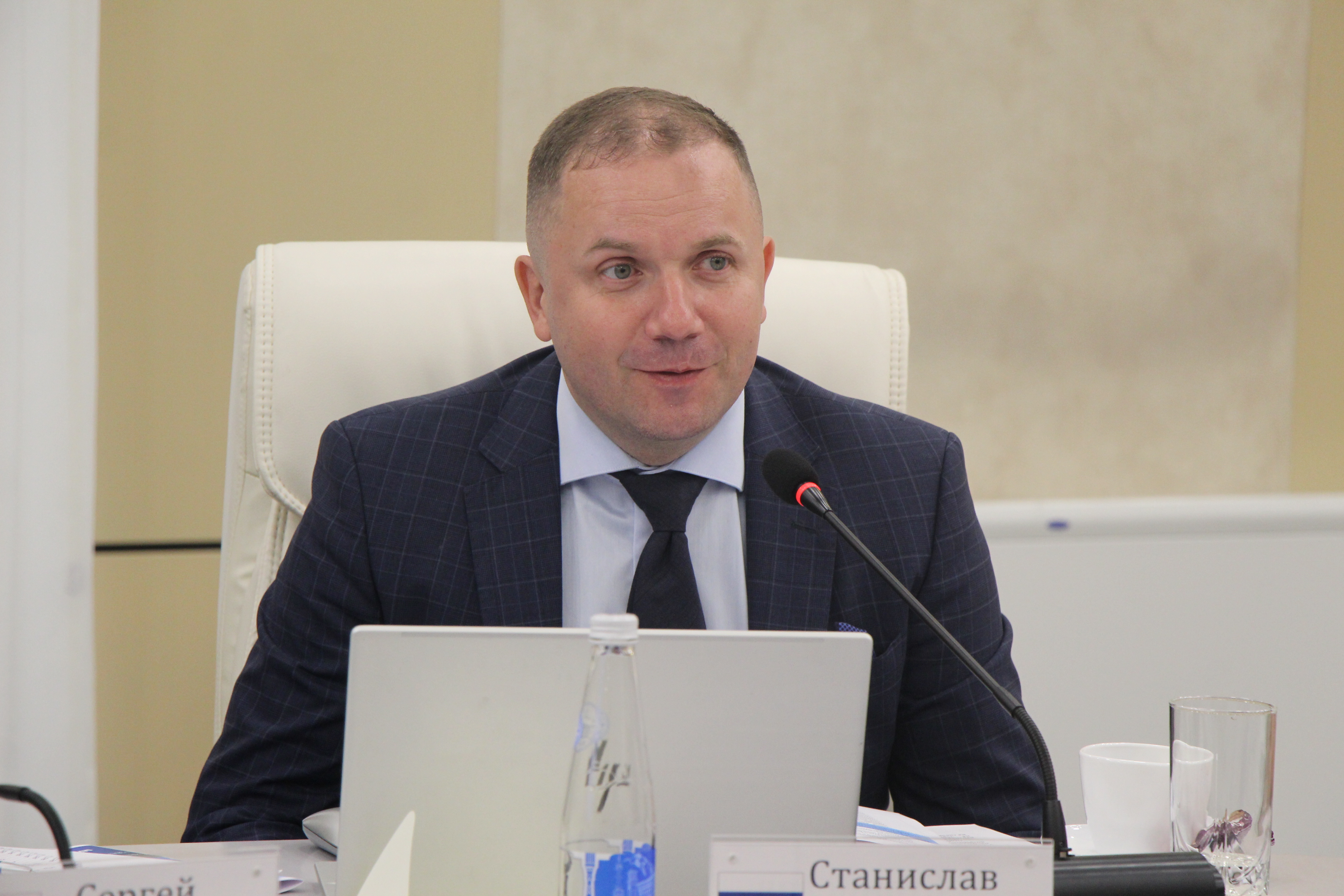
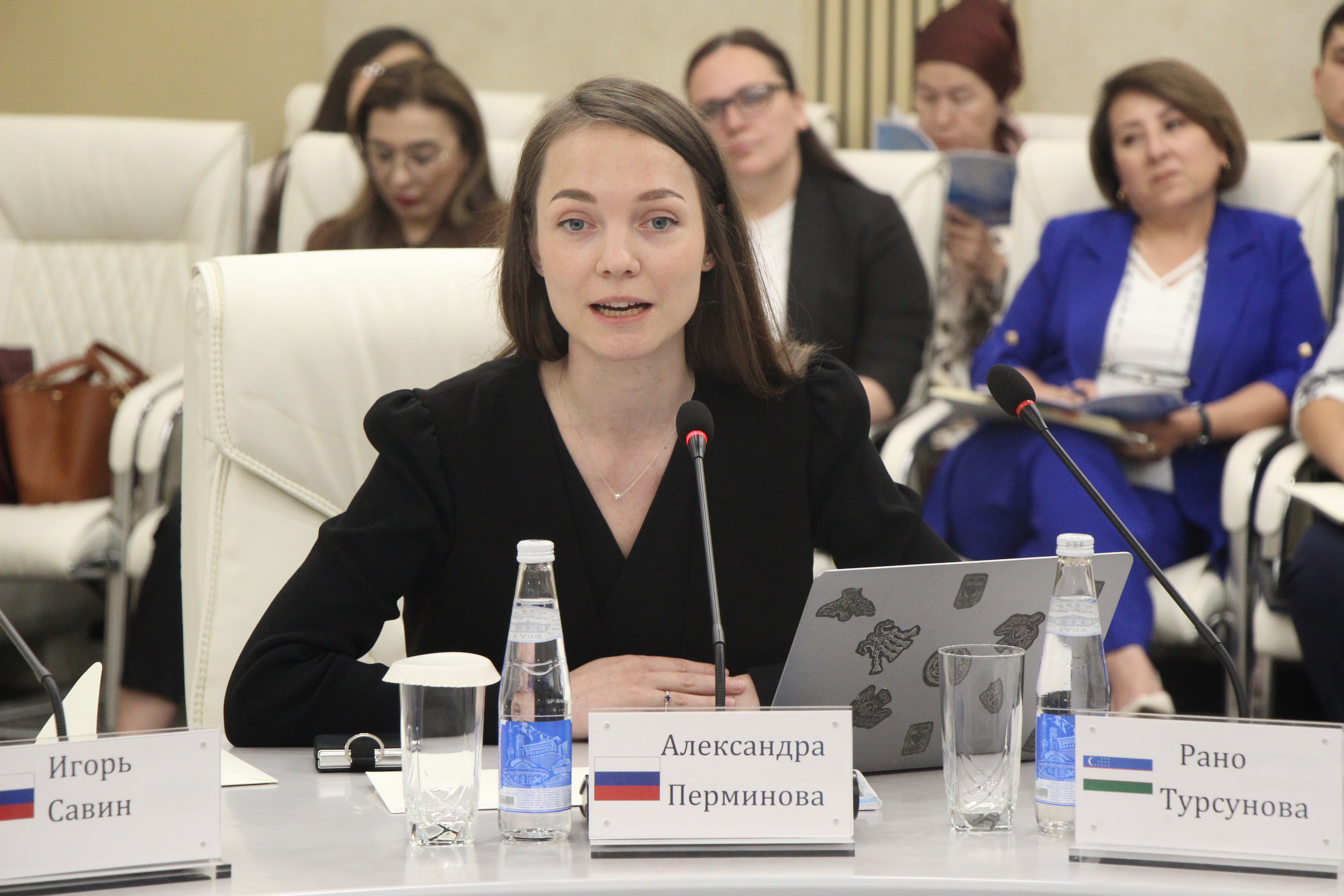
Alexandra Perminova, Acting Head of the Center for Central Asian Studies at the Institute of China and Contemporary Asia of the Russian Academy of Sciences, presented examples of successful cooperation between Russian businesses and Uzbek educational institutions. These included workforce training programs for the nuclear industry developed with Rosatom, projects based at the Bukhara Oil and Gas College, and the "School 21" initiative offering free training in software programming.
Darya Saprynskaya, Research Fellow at the Laboratory for the Study of Contemporary Central Asia and the Caucasus at the Institute of Oriental Studies of the Russian Academy of Sciences, identified three models of labor migration — spontaneous, education-driven, and organized state recruitment. She underscored the importance of systematic preparation and support for labor migrants both before departure and after they enter the host country's labor market.

In closing, participants put forward practical proposals aimed at improving workforce training mechanisms, aligning education programs with labor market needs, and strengthening the system for regulating labor migration. The sides reaffirmed their mutual interest in maintaining a regular dialogue between relevant agencies, educational institutions, and the business communities of the two countries.