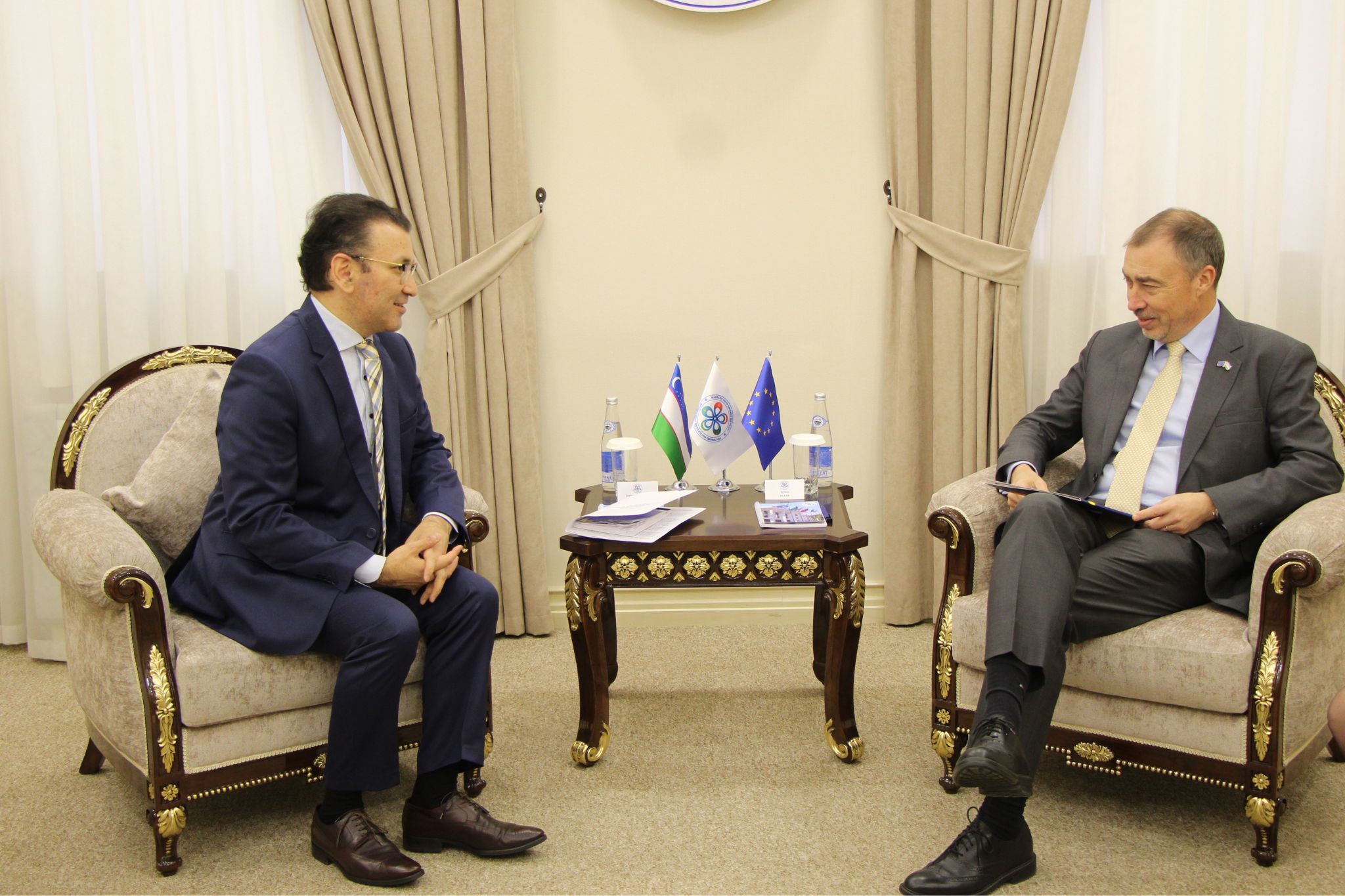
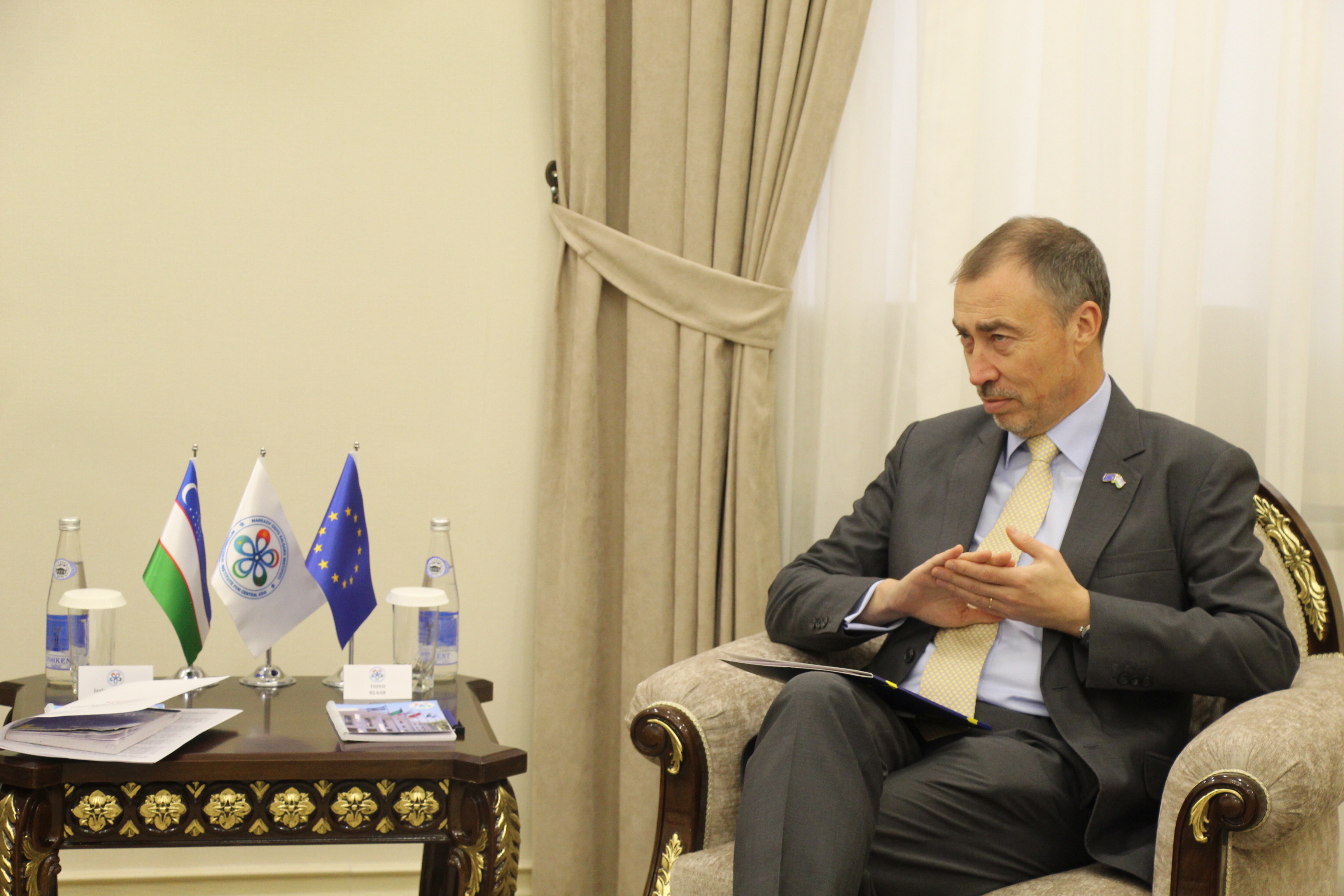
The discussions focused on the current situation and future opportunities for cooperation between Uzbekistan and the EU, both on a bilateral level and within the “Central Asia – European Union” framework.
Amb. Toivo Klaar highlighted that 2025 could be considered the “Year of Europe” in Central Asia, marked by the promotion of interregional relations to a strategic partnership after the first “Central Asia–EU” Summit in Samarkand.
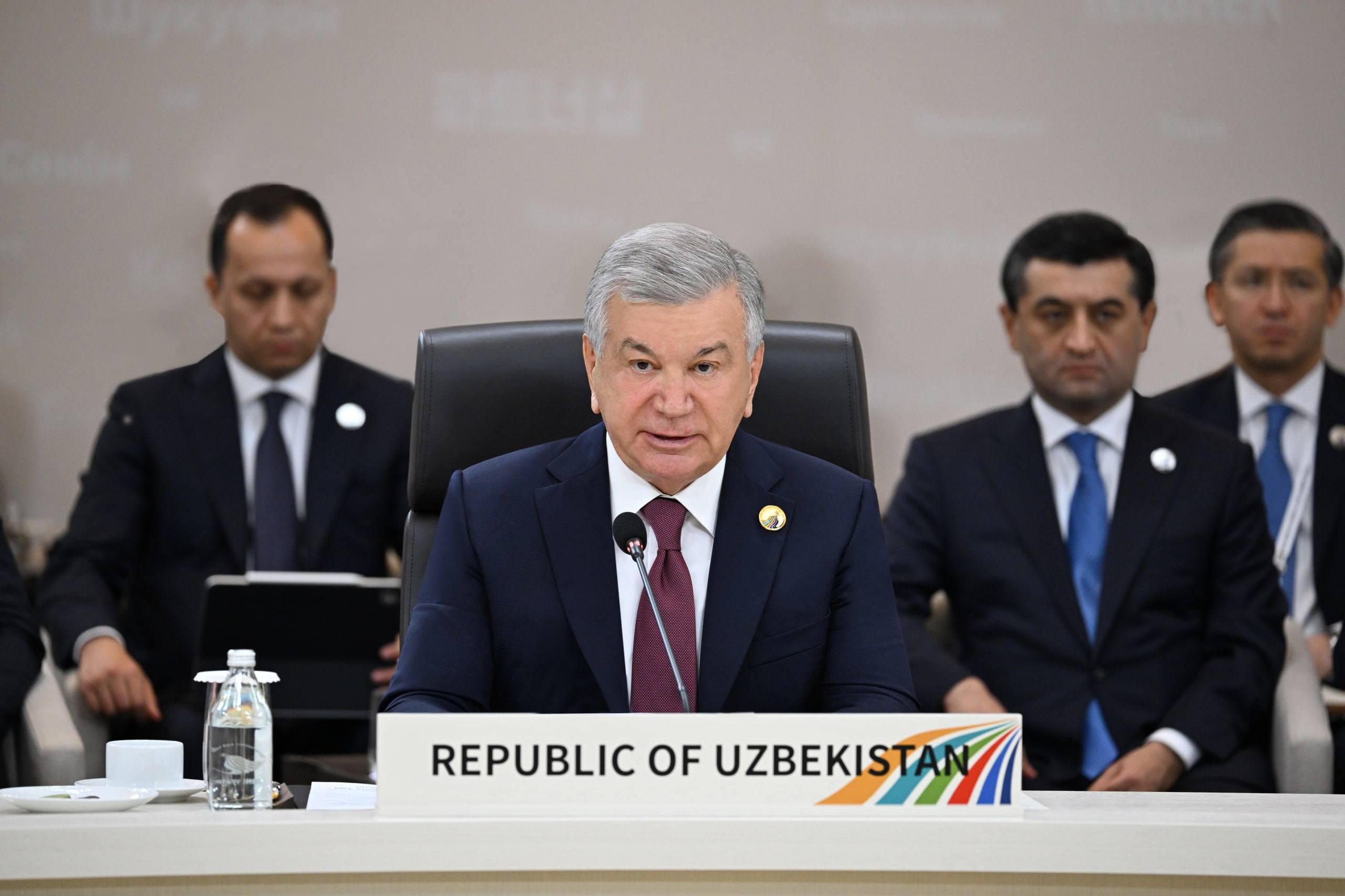
Another important milestone was the signing of the Enhanced Partnership and Cooperation Agreement between Uzbekistan and the EU during President Shavkat Mirziyoyev’s official visit to Brussels, along with the organization of a number of other significant joint events, including the 20th Ministerial meeting in Ashgabat and the Third Central Asia-European Union Economic Forum in Tashkent.
Particular attention was paid to the outcomes of the 7th Consultative Meeting of the Heads of Central Asian States, held in November 2025, which resulted in Azerbaijan’s official accession to the regional cooperation format. This step was highlighted as a significant milestone for regional cooperation, expected to further advance transport and logistics connectivity and enhance trade and economic relations between the European Union and Central Asia.
Amb. Vakhabov emphasized the importance of closer cooperation among think tanks. He noted that regular expert meetings and the active use of the “Central Asia – EU” think tank forum, launched this year at the IICA, will contribute to shaping bilateral and multilateral agendas at the highest level.
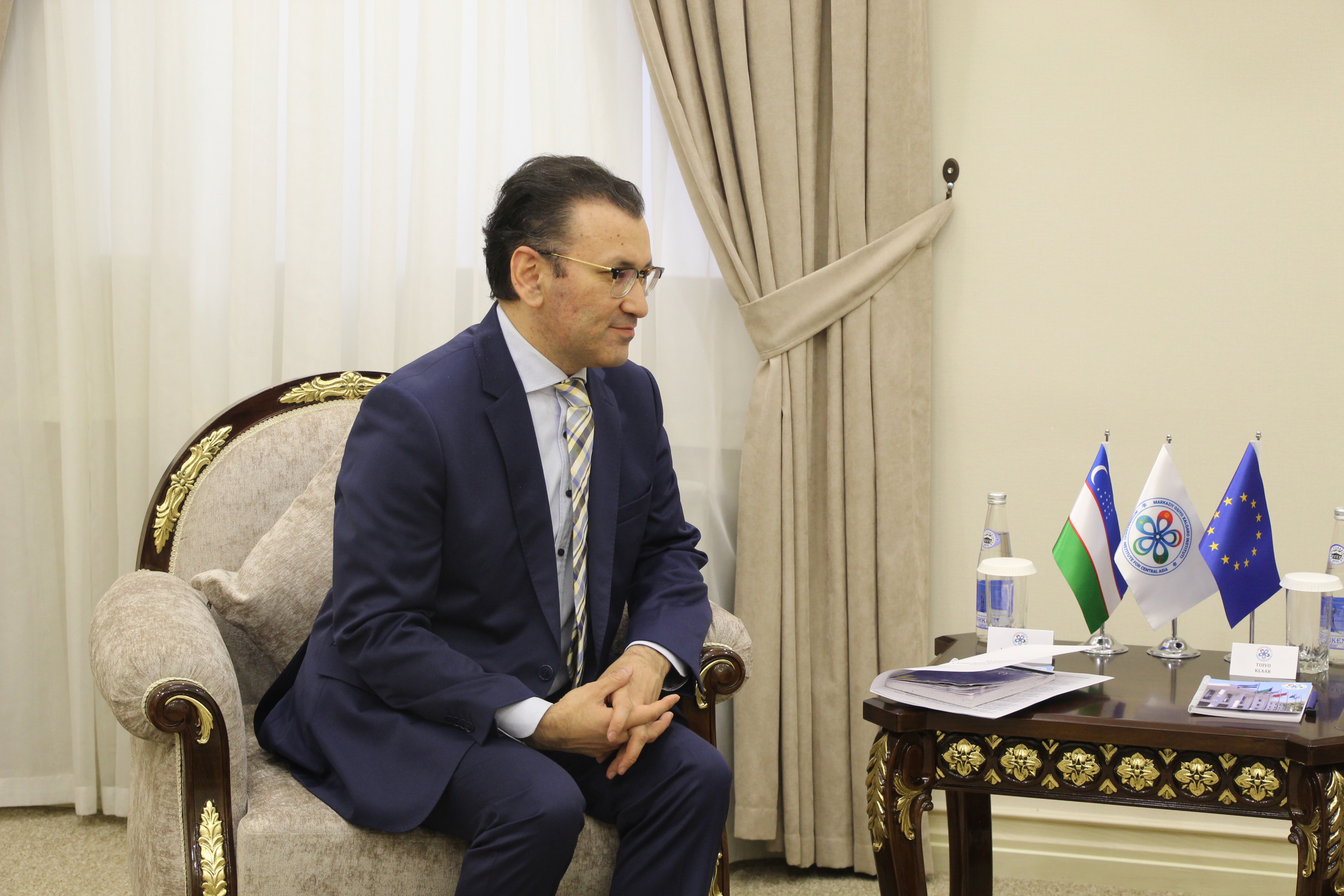
In conclusion, the parties reaffirmed their shared commitment to sustained cooperation and to enhanced coordination aimed at strengthening expert engagement and advancing joint initiatives.