The main objective was to discuss the key outcomes of the summit, as well as the opportunities for implementing the initiatives and agreements put forward by Central Asian leaders.
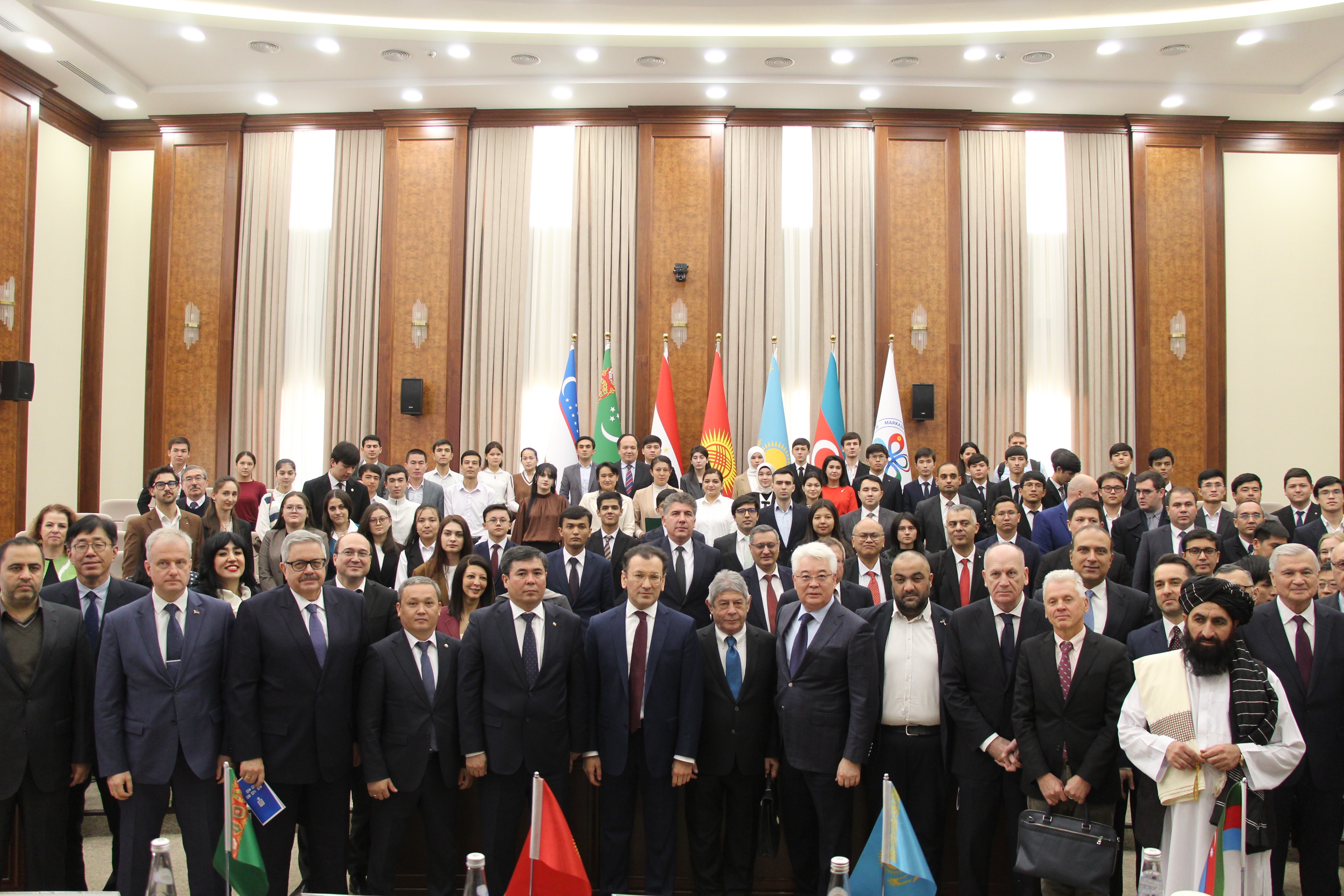
The discussion brought together heads of the diplomatic missions of Central Asian states, as well as Russia, Japan, France, Italy, Slovakia, the Czech Republic, Türkiye, Israel, India, Malaysia, Bangladesh, Iran, Afghanistan, and representatives of international organizations. In addition, the event was attended by officials from ministries and agencies, members of the business community, and leading think tanks.
Opening the event, IICA Director Javlon Vakhabov noted that the outcomes of the Tashkent meeting can already be described as historic, and that the established format of cooperation has proven to be relevant, unique in its own way, and effective for advancing the goals of regional cooperation. Thanks to open dialogue among leaders and joint practical efforts, the countries of the region are moving toward building a “New Central Asia” – a unified region with shared goals, tasks, and priorities, he emphasized.
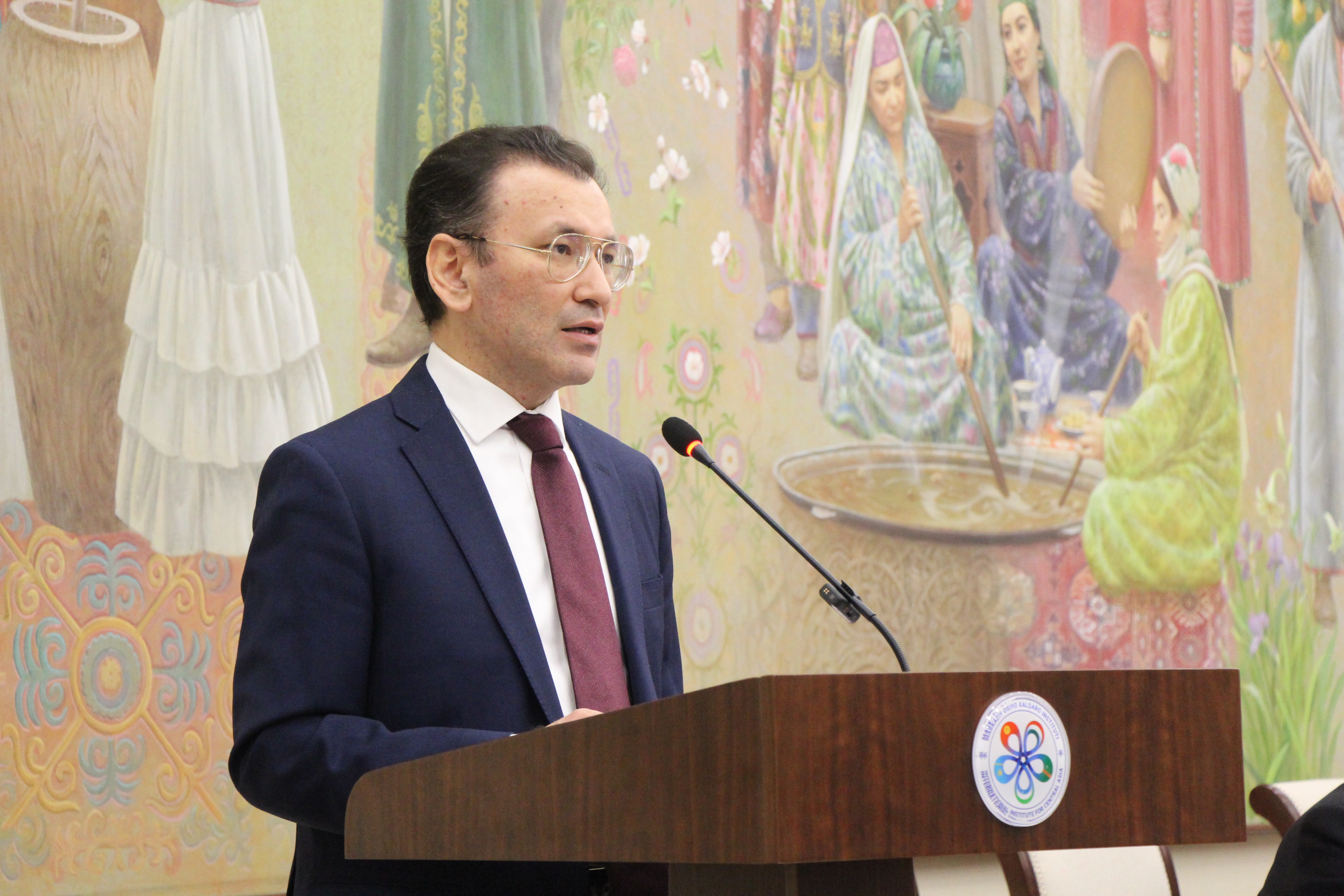
In his remarks, H.E. Huseyn Guliyev, Azerbaijan’s Ambassador to Uzbekistan, stated that the Consultative Meetings of the Heads of State have become not just a tradition, but a symbol of the new unity of Central Asia. According to him, Uzbekistan, having initiated this format, continues to serve as its driving force and foundation. Against this backdrop, Azerbaijan’s accession appears both logical and strategically important, as the country naturally fits into the common geopolitical and cultural-historical space of Central Asia.
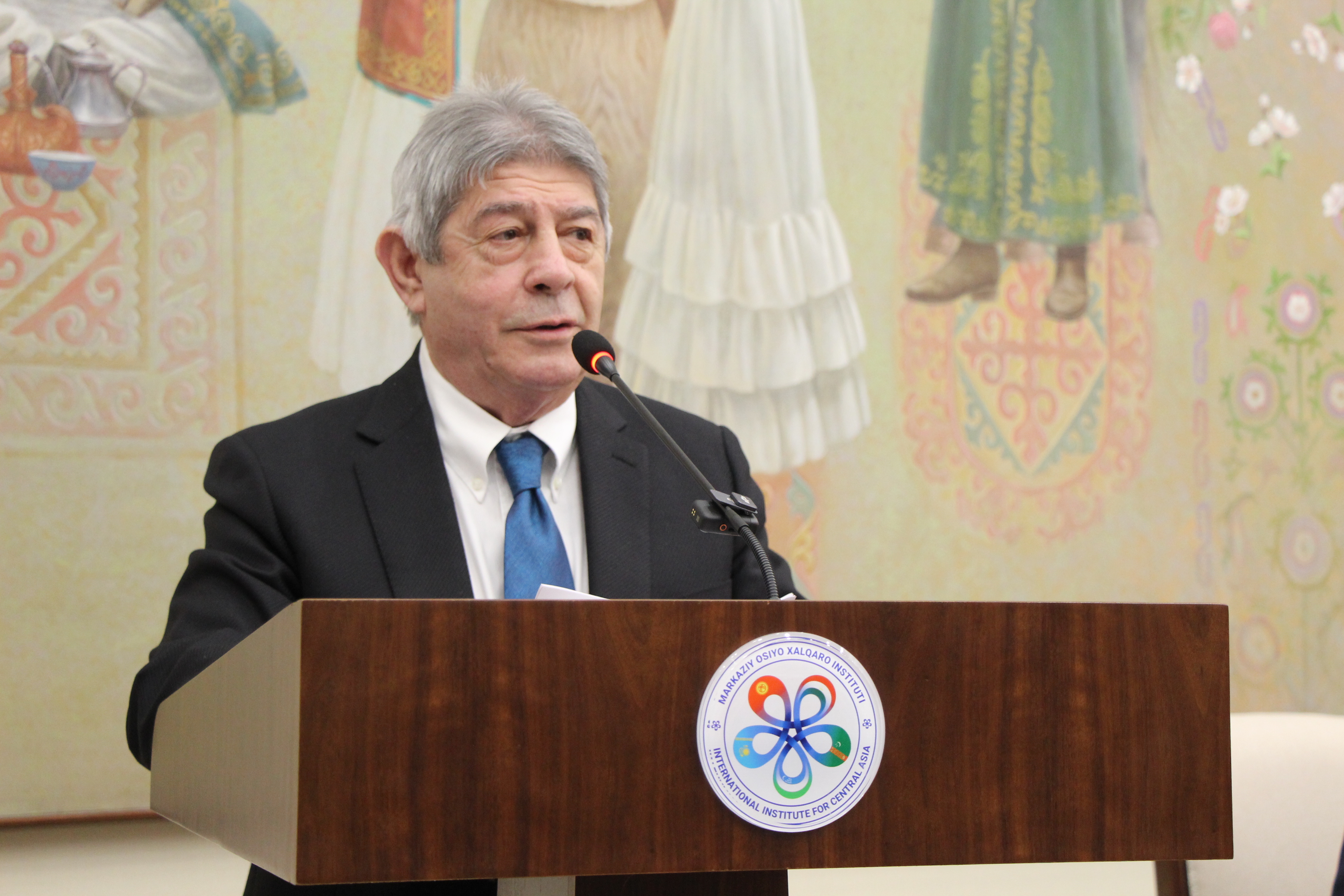
H.E. Beibut Atamkulov, Kazakhstan’s Ambassador to Uzbekistan, stressed that the success of cooperation in Central Asia rests not only on international agreements and mechanisms, but also on the personal, trust-based relationships among regional leaders. Azerbaijan’s participation, he noted, expands the opportunities for cooperation in areas ranging from transport and logistics corridors to energy security. In his view, all of this collectively enhances Central Asia’s standing on the international stage and strengthens its ability to offer new solutions to external partners.
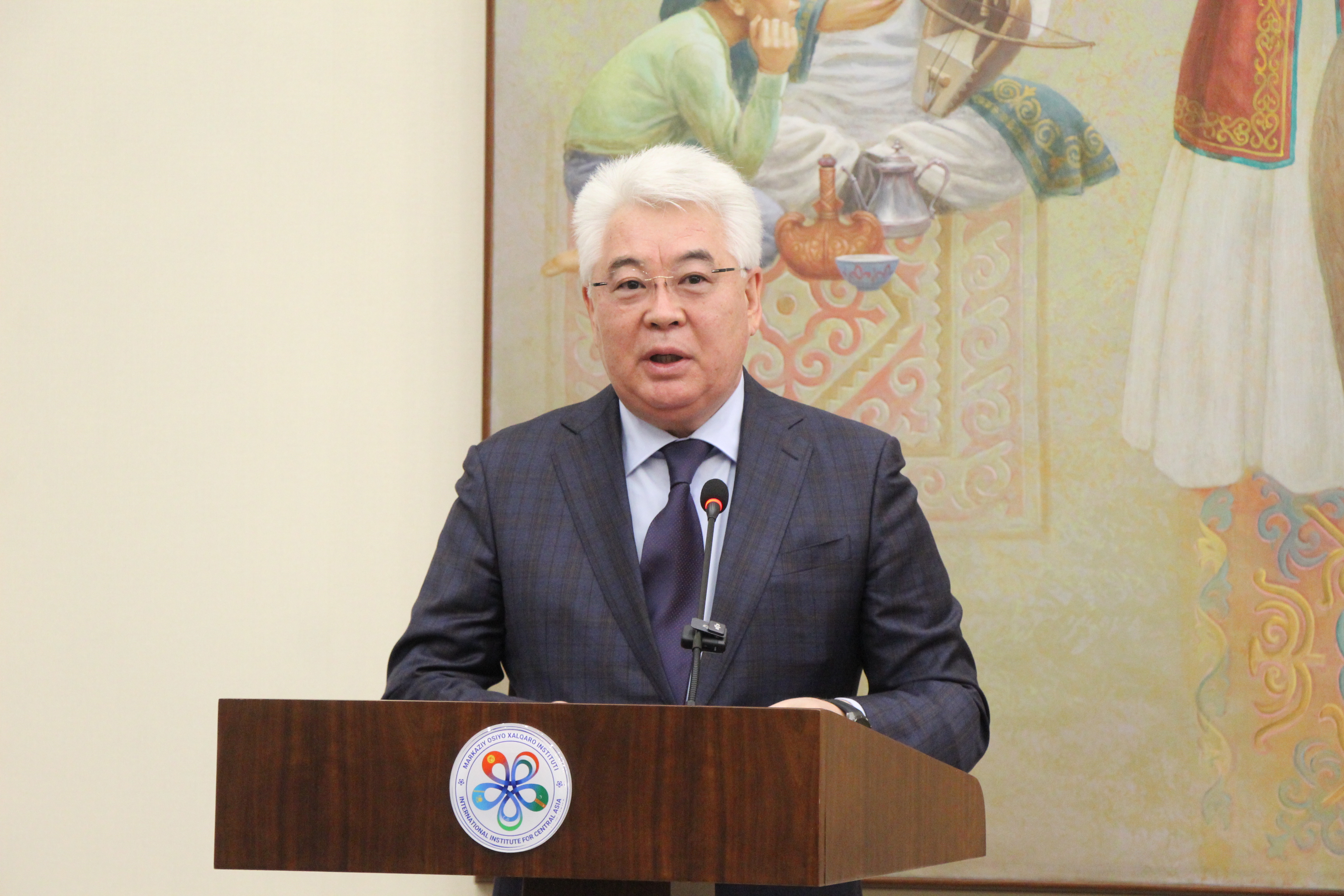
Commenting on the outcomes of the Tashkent Summit, Shadurdy Meredov, Turkmenistan’s Ambassador to Uzbekistan, noted that “the decisions adopted at the 7th Consultative Meeting will contribute to strengthening peace, stability, and prosperity in Central Asia, as well as create additional conditions for expanding multilateral projects.”
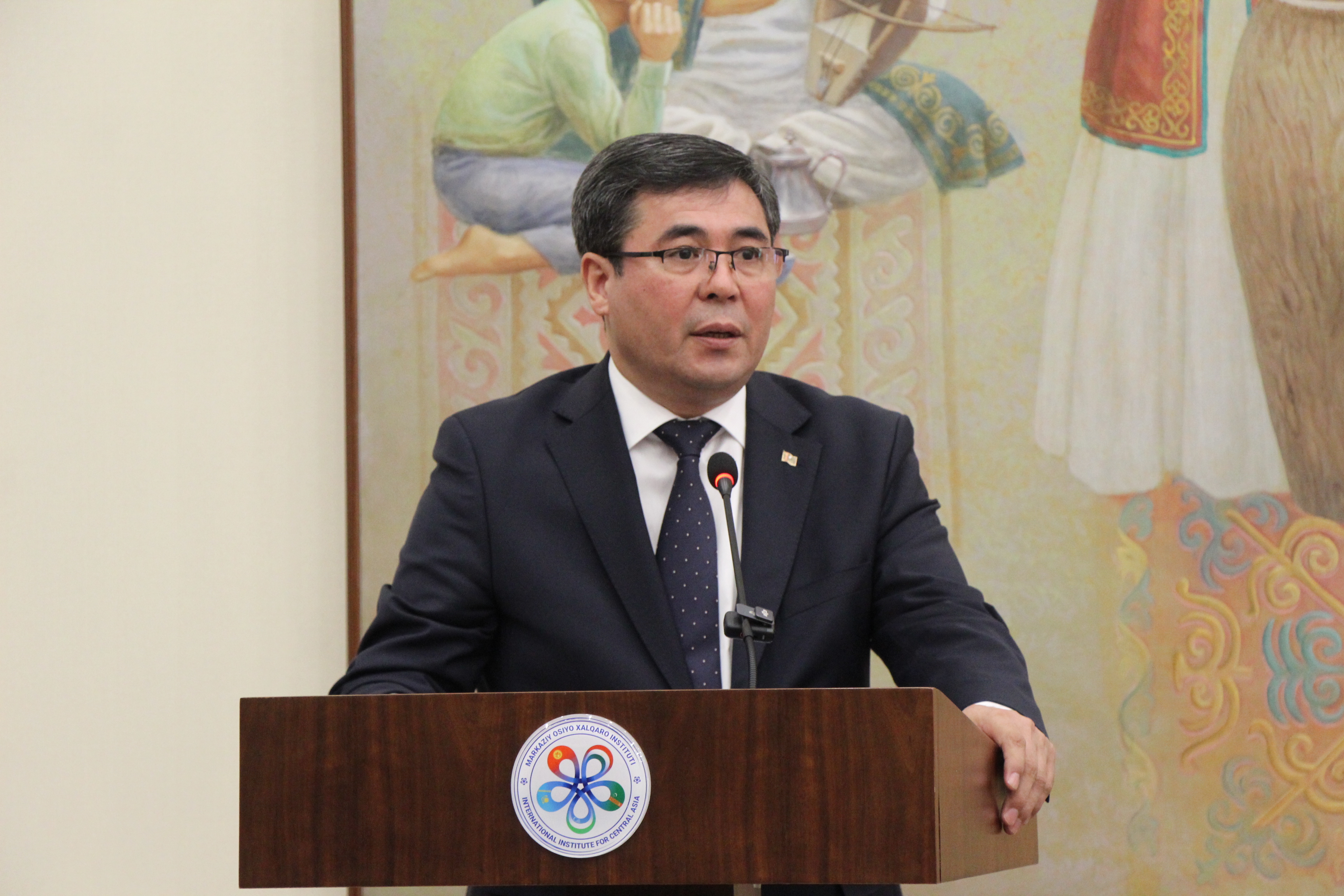
He emphasized that as Turkmenistan assumes the chairmanship of the format, the country is committed to actively working to reinforce regional unity and cohesion, enhance investment attractiveness, and expand participation in major international projects in energy, transport, communications, and other sectors.
Dastan Niyazaliev, Counselor of the Embassy of Kyrgyzstan in Uzbekistan, highlighted that a defining feature of the 7th Consultative Meeting was the leaders’ shift from political dialogue toward developing a common regional strategy and launching concrete economic, infrastructure, and technological projects.
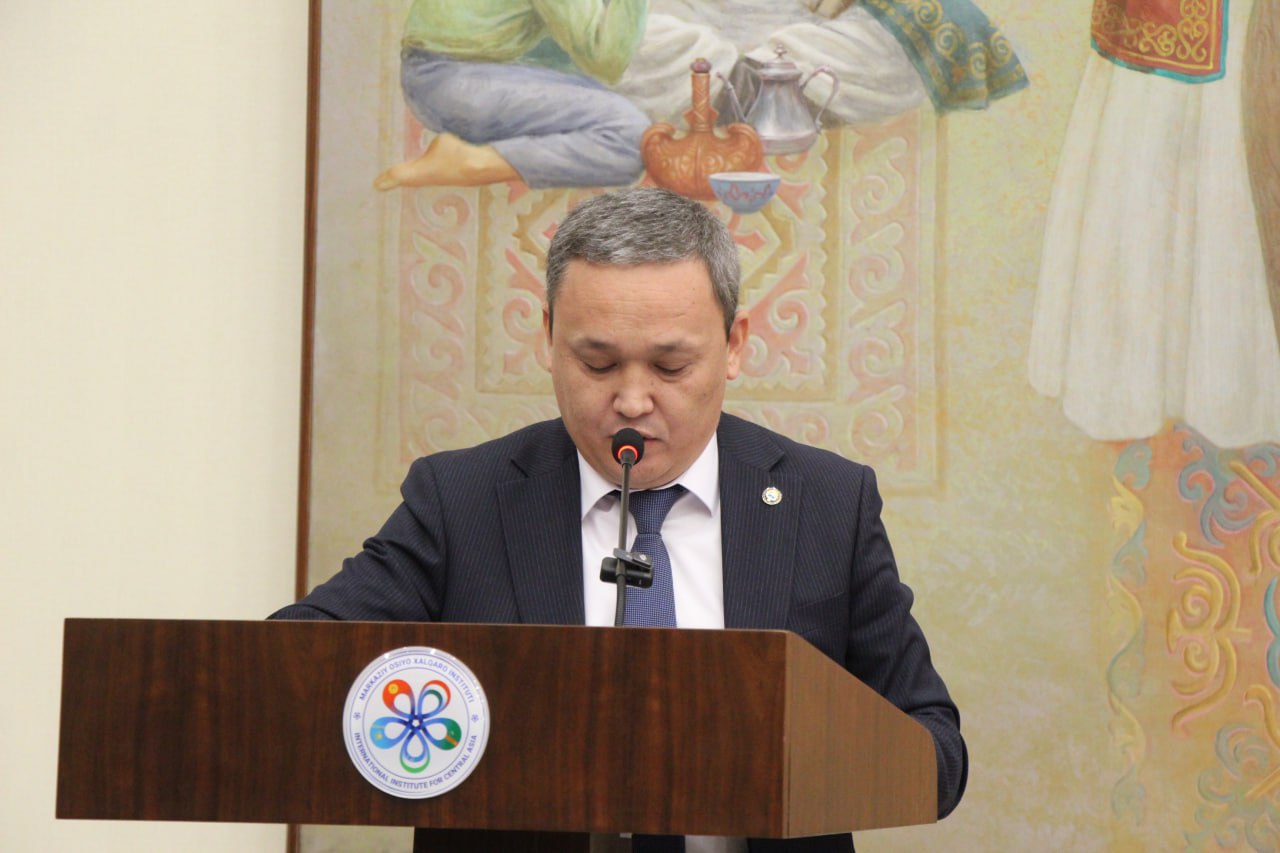
“Kyrgyzstan is ready to actively participate in jointly implementing all the agreements reached, creating coordinating mechanisms, and developing practical projects for the benefit of the peoples of the region,” he stated.
The event also featured open discussions on the most important and pressing issues of regional cooperation, including economic development and the implementation of infrastructure and technological initiatives.
The discussion reaffirmed the significance of the Consultative Meeting format as a platform for building trust, developing joint strategies, and implementing concrete projects. Participants emphasized the importance of expanding cooperation with new partners and coordinating actions to strengthen sustainable development and regional stability.