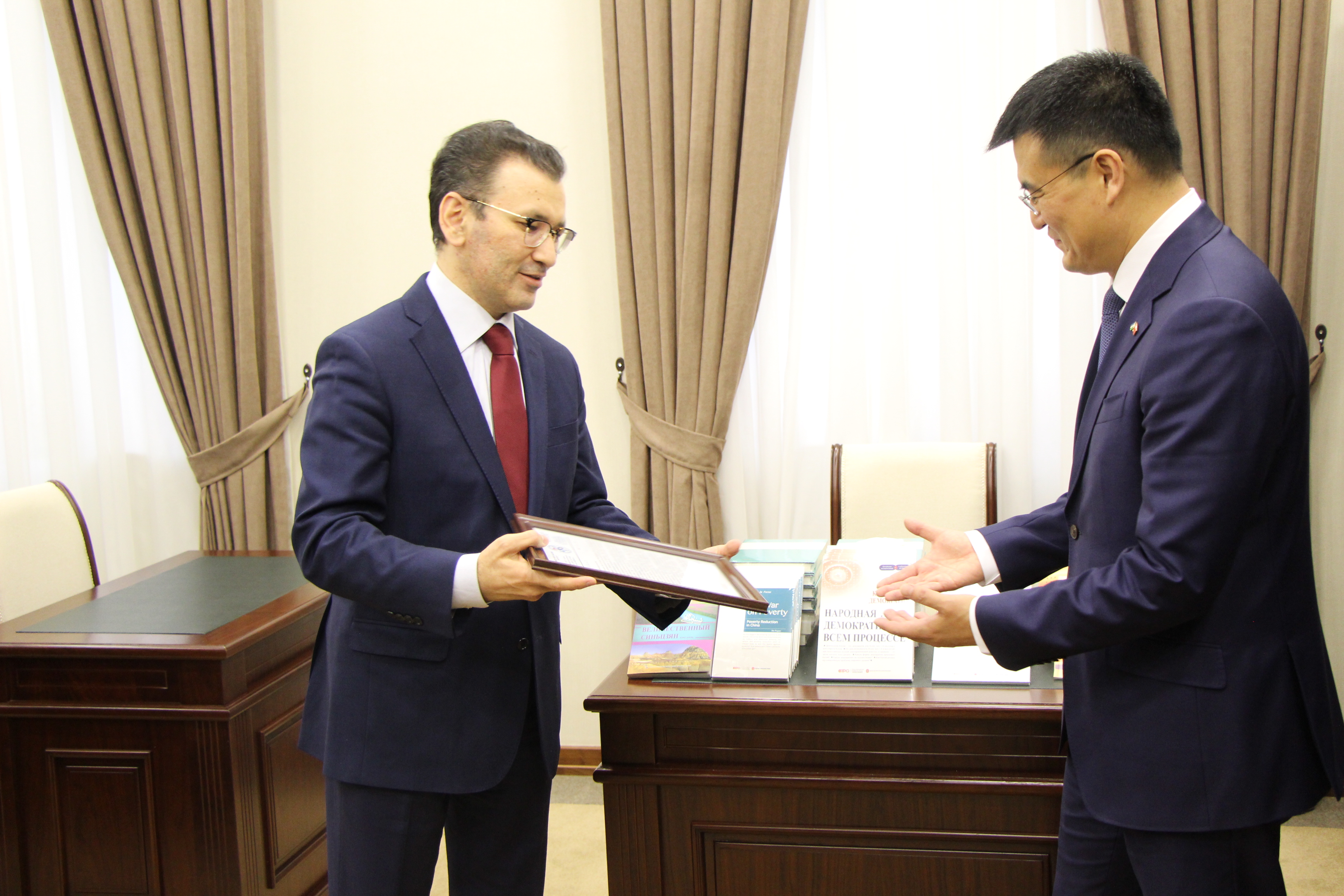
The IICA researchers, Chinese Embassy diplomats, and media representatives from Uzbekistan, Kazakhstan, Kyrgyzstan, and Xinhua News Agency in Tashkent attended the event.
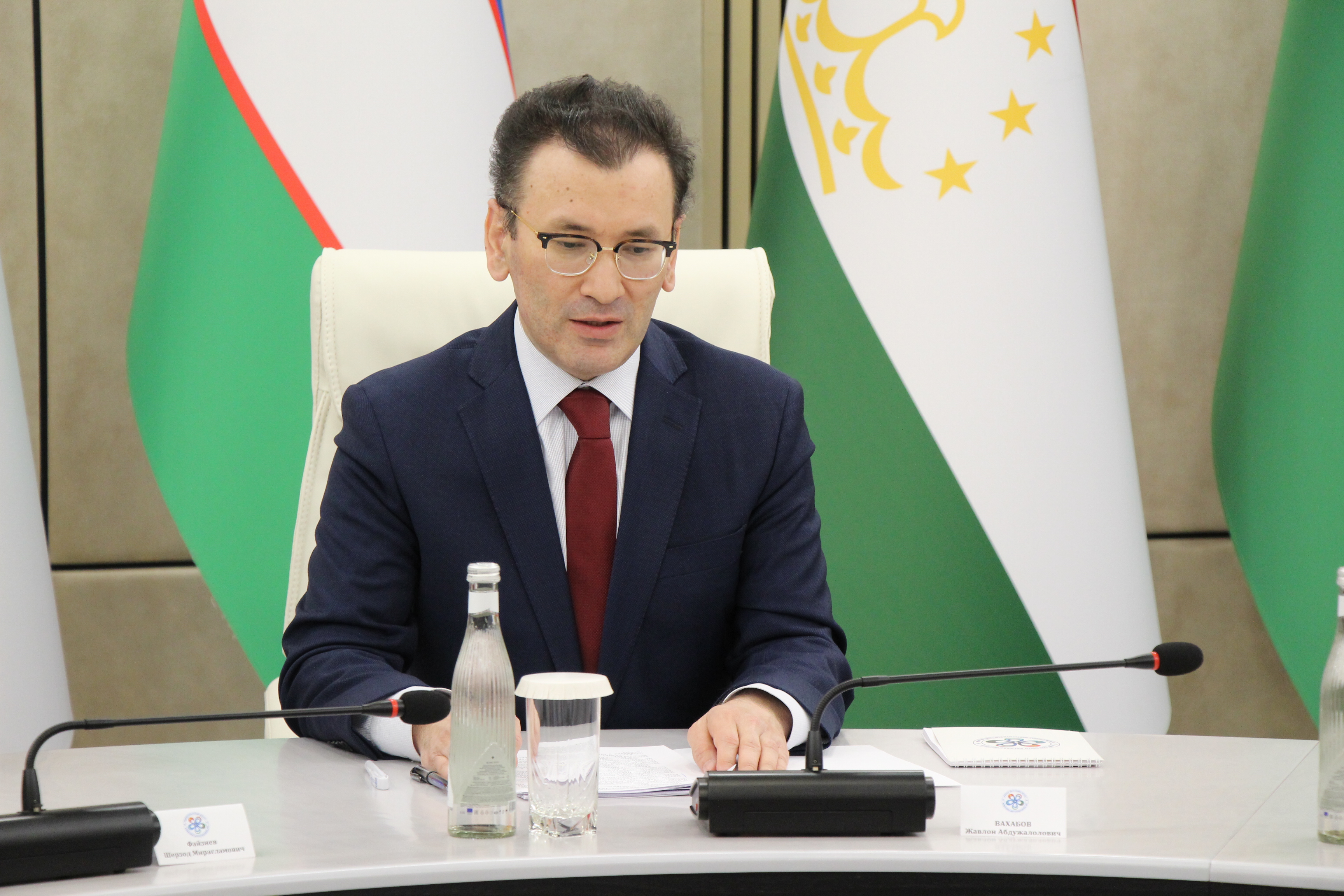
In his opening remarks, IICA Director Javlon Vakhabov expressed sincere appreciation to the Chinese Embassy for providing an extensive collection of works covering China’s history, modern development, and political landscape.
He emphasized that this literature would enhance the Institute's library and prove invaluable for researchers focused on studying China’s unique development model, modernization priorities, and its growing influence in global and regional affairs, particularly in its cooperation with Central Asian nations.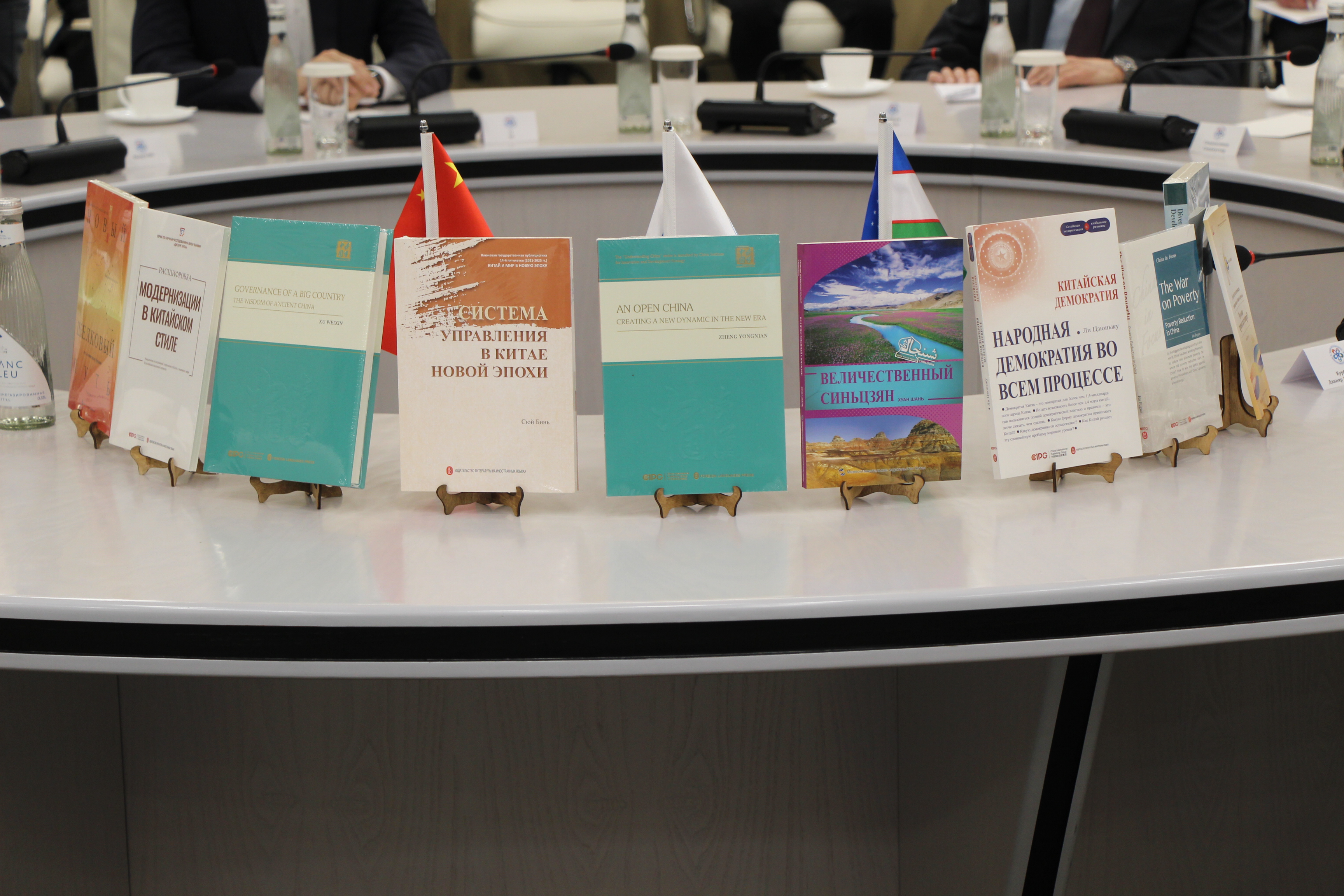
Director Javlon Vakhabov highlighted key works, including "The System of Governance in China", "Modernization in the Chinese Style", and "The New Silk Road to a Shared Future". These publications offer insight into President Xi Jinping’s strategic vision for advancing infrastructure connectivity, coordinating development strategies, and strengthening business cooperation through the "Belt and Road Initiative", with a particular focus on "shared and universal prosperity."
He also noted that these works would significantly enrich the library’s resources and serve as a crucial foundation for ongoing research on China. They are expected to become essential references for scholars at the Institute.
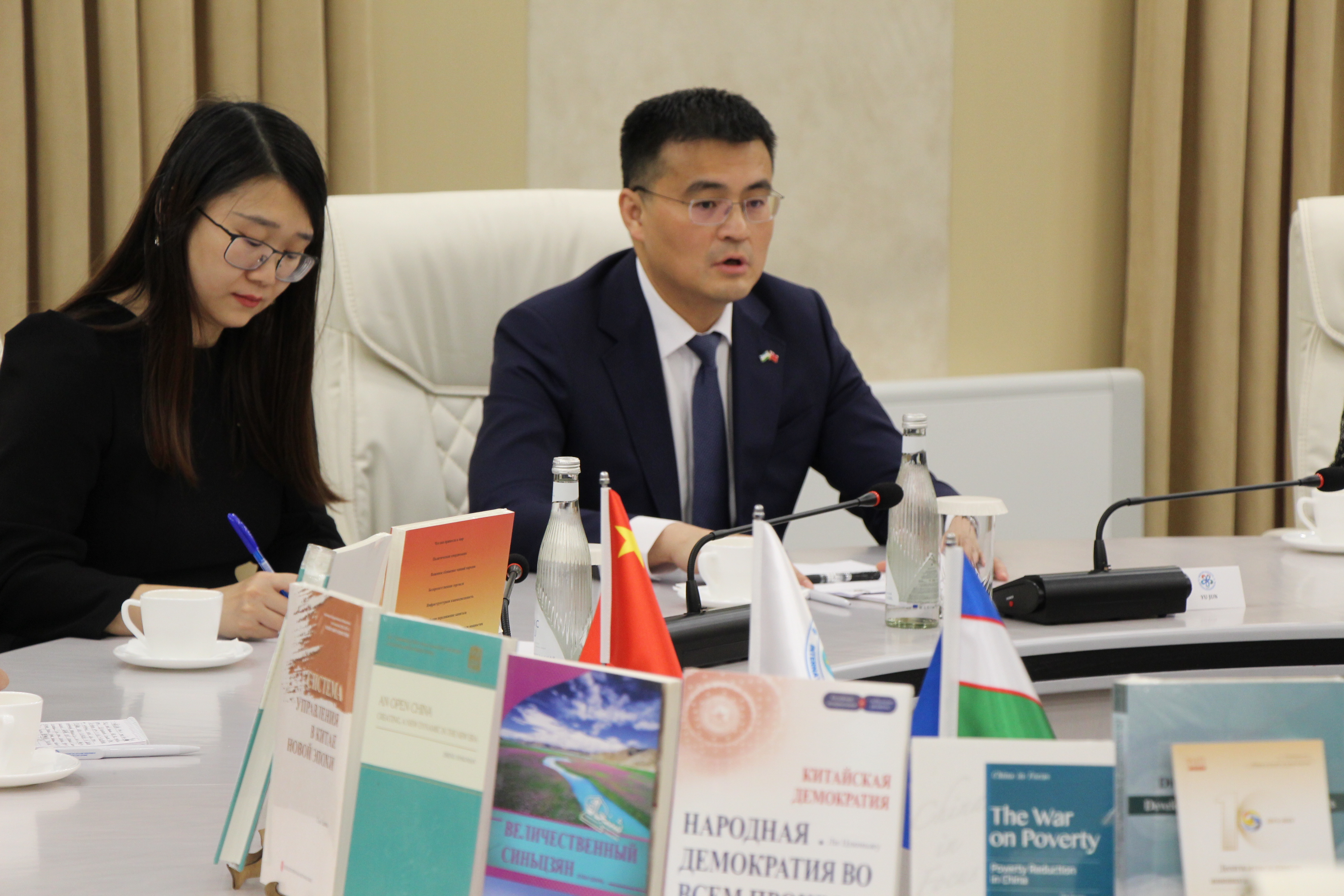
Ambassador Yu Jun expressed his hope that the collection would deepen understanding of China’s modernization efforts, its socio-economic development, and governance model.
The event also featured a discussion on the strengthening ties between Uzbekistan and China. Participants focused on the state visit of President Shavkat Mirziyoyev to China in January 2024, which marked a significant step in strengthening bilateral relations and elevated cooperation to the level of a comprehensive strategic partnership. The visit also defined several key areas of mutually beneficial collaboration.
As the Chinese Ambassador pointed out, one of the strategic outcomes of the visit was the agreement between the two countries to expedite the construction of the China-Kyrgyzstan-Uzbekistan railway. Thanks to the efforts of all three nations, a tripartite cooperation agreement was signed in June 2024 to advance the project. In December, the first stone was laid for the railway in the Jalal-Abad region of Kyrgyzstan.
President Shavkat Mirziyoyev described the commencement of this vital infrastructure project as a historic event. President Xi Jinping emphasized that the railway construction is a "strategic decision made by the governments of the three countries to promote regional connectivity, prosperity, and stability."
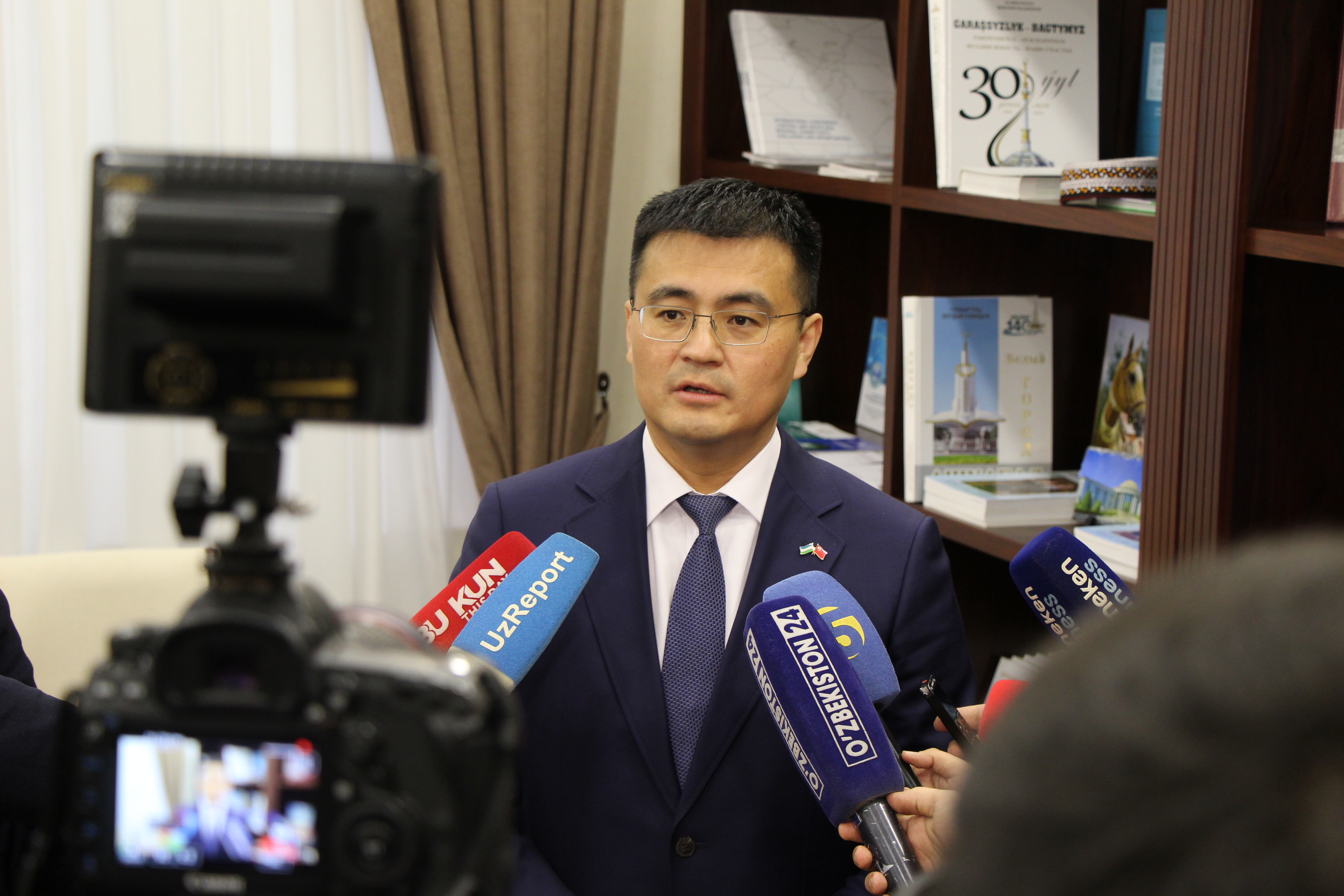
Speaking about the growing bilateral relations, Ambassador Yu Jun underscored that the partnership between China and Uzbekistan continues to yield tangible results, supported by the strategic leadership of Presidents Xi Jinping and Shavkat Mirziyoyev. China remains Uzbekistan’s largest trade and investment partner, with new areas of collaboration, including green development, digital economy, and innovation, actively developing.
Director Javlon Vakhabov noted that Uzbekistan expects further progress in practical cooperation with China in 2025, particularly in regional and international issues. He pointed out that major events, such as the Central Asia-China summit in Kazakhstan and the Shanghai Cooperation Organization (SCO) summit in China, would undoubtedly facilitate this cooperation.
The meeting also featured a discussion on future collaboration between the IICA and Chinese think tanks, including joint conferences and roundtable discussions on deepening strategic partnership and cooperation on regional and international issues.
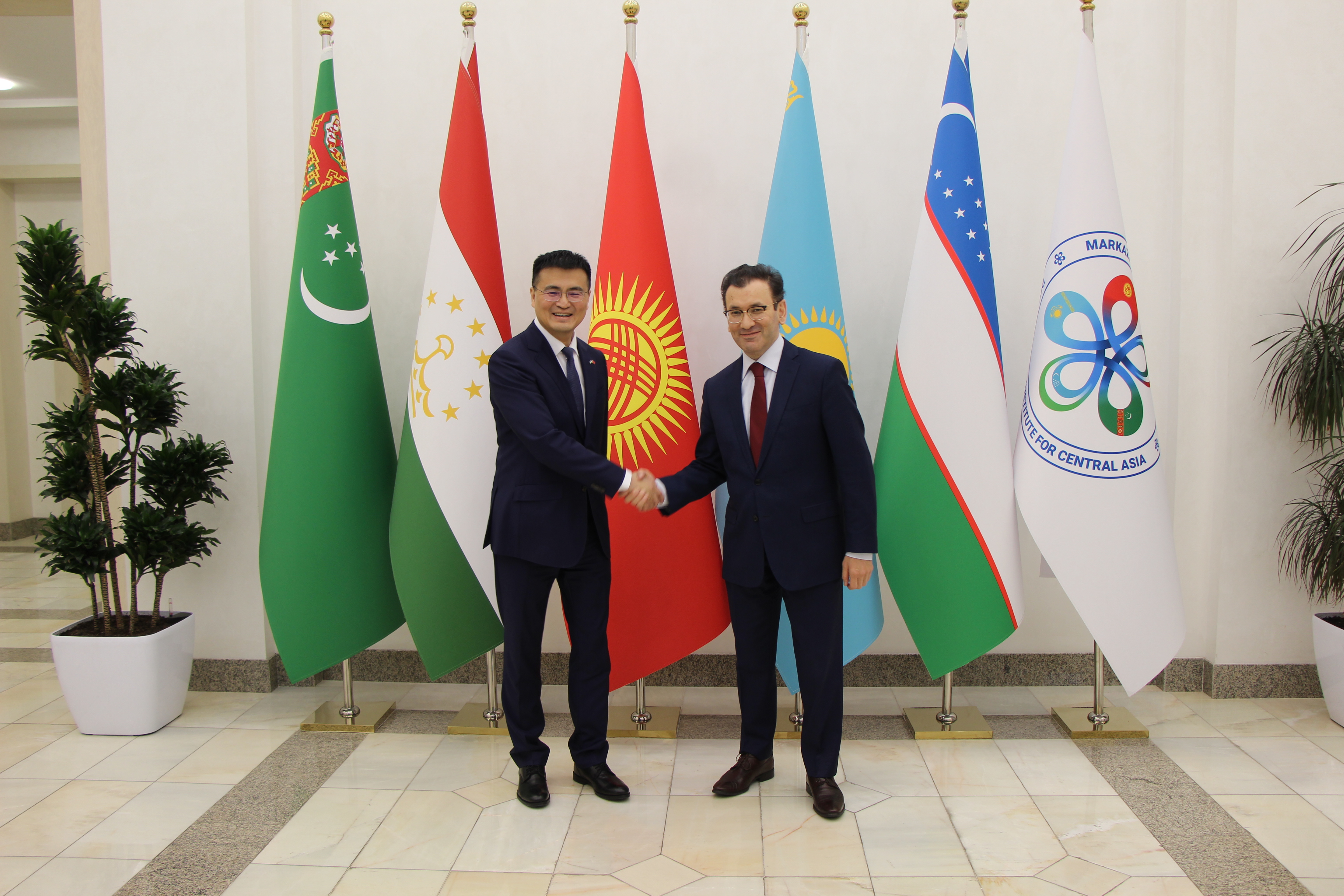
In conclusion, both sides expressed hope for continued growth in scientific cooperation in 2025, as well as sustained collaboration in regional studies and academic exchanges.