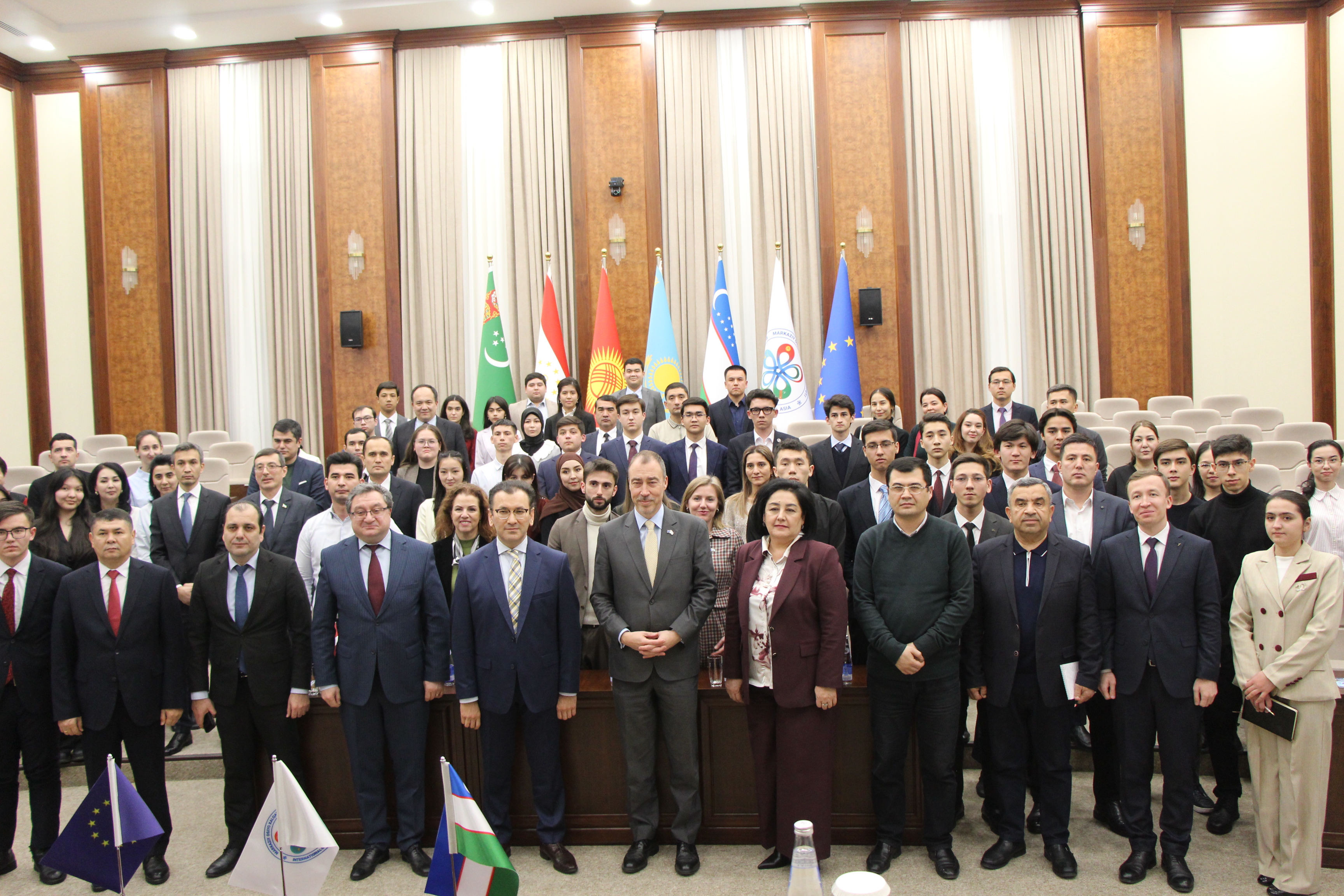
The event focused on the EU’s foreign policy priorities in developing cooperation with Uzbekistan, as well as prospects for interregional collaboration within the “Central Asia–European Union” framework.
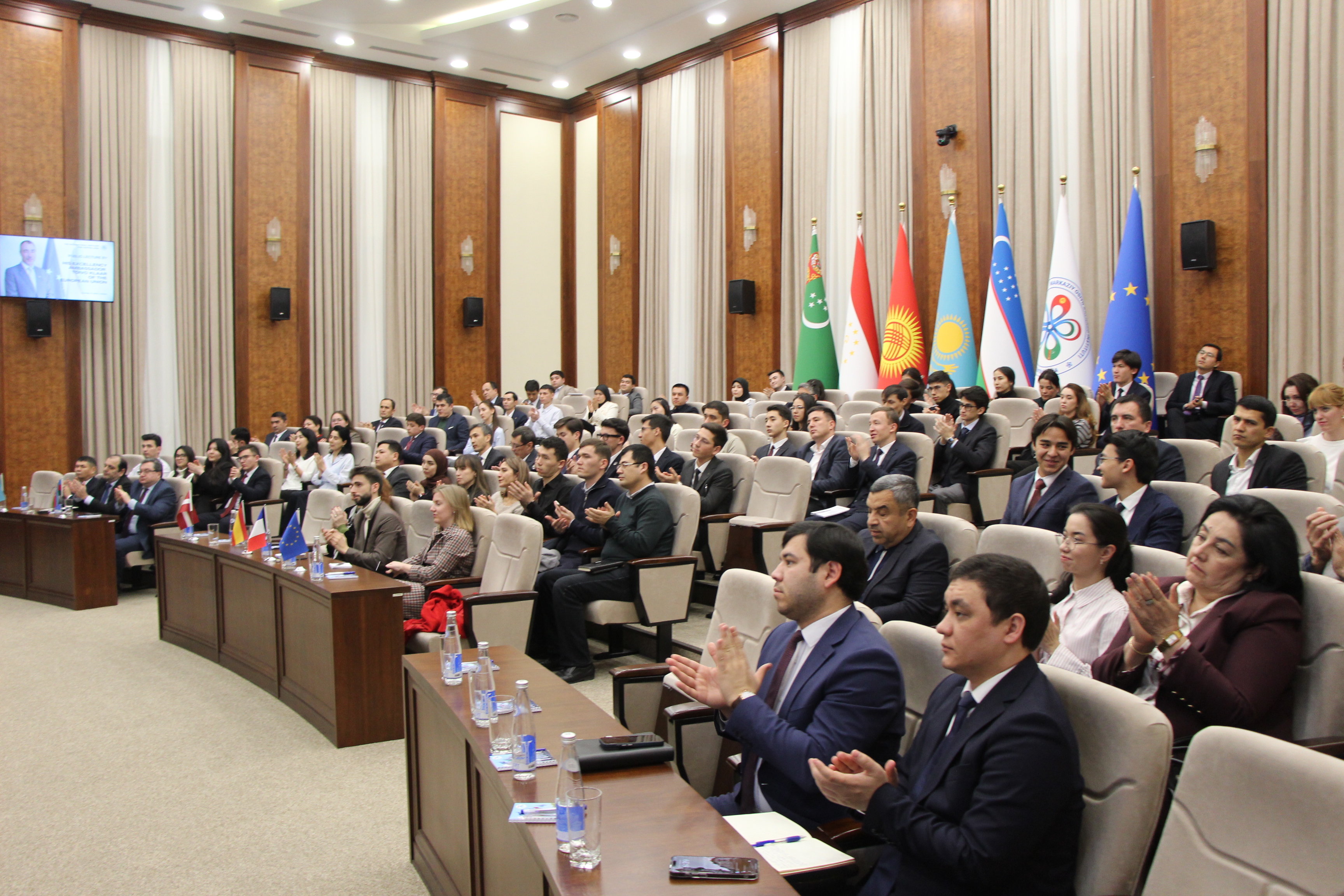
The lecture brought together officials, heads of organizations, and representatives from diplomatic, academic, and business sectors.
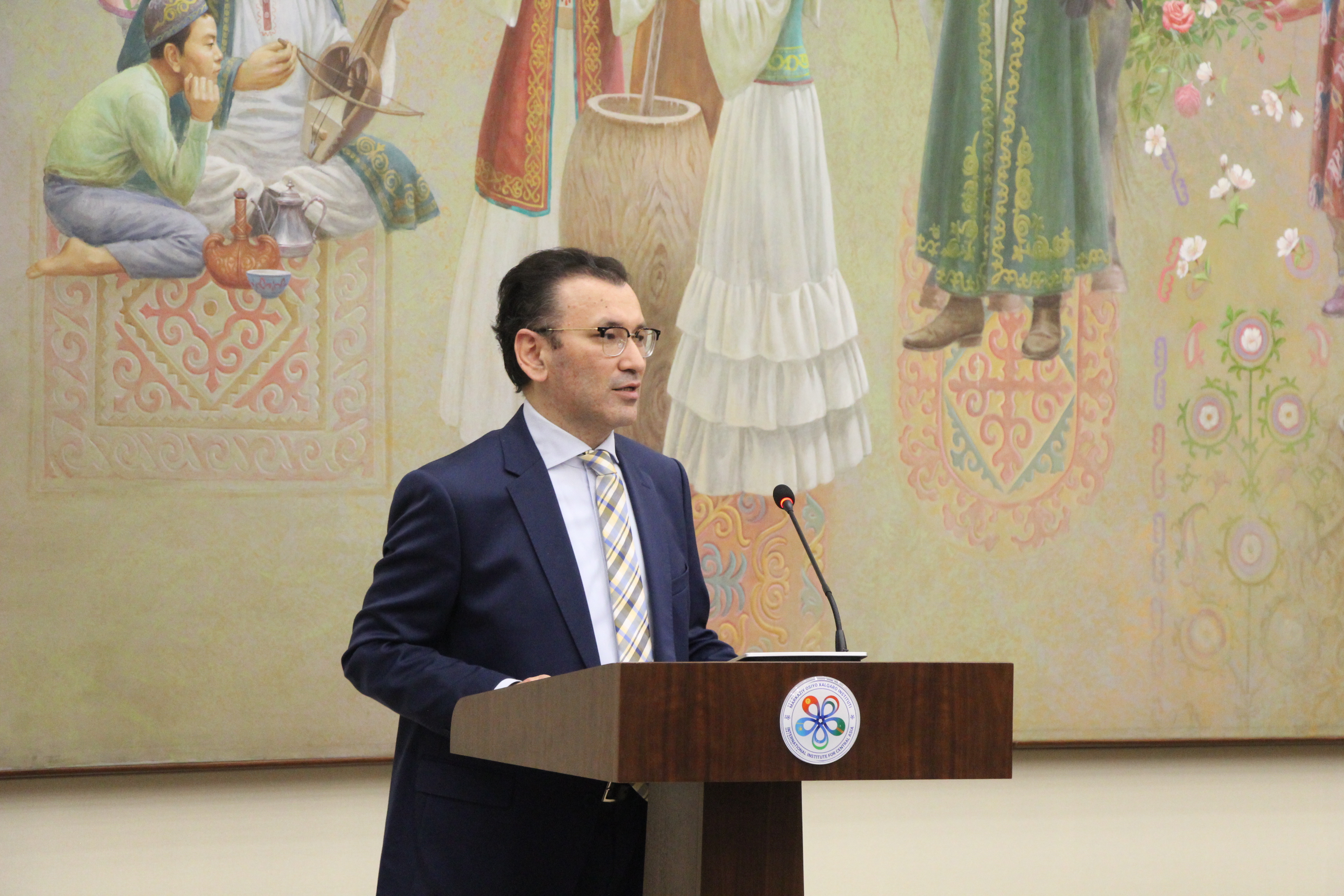
Opening the event, the Managing Director of the IICA Amb.Javlon Vakhabov emphasized that the past year had been productive for strengthening ties between Uzbekistan and the EU, as well as for cooperation between Central Asian countries and Brussels. He noted: “The first “Central Asia–EU” summit in Samarkand provided a new impetus to political dialogue and the expansion of cooperation in trade, investment, energy, and transport”.
In his remarks, Amb. Klaar highlighted that EU–Uzbekistan cooperation has acquired a steady and progressive direction, reflecting mutual interest in long-term partnership.
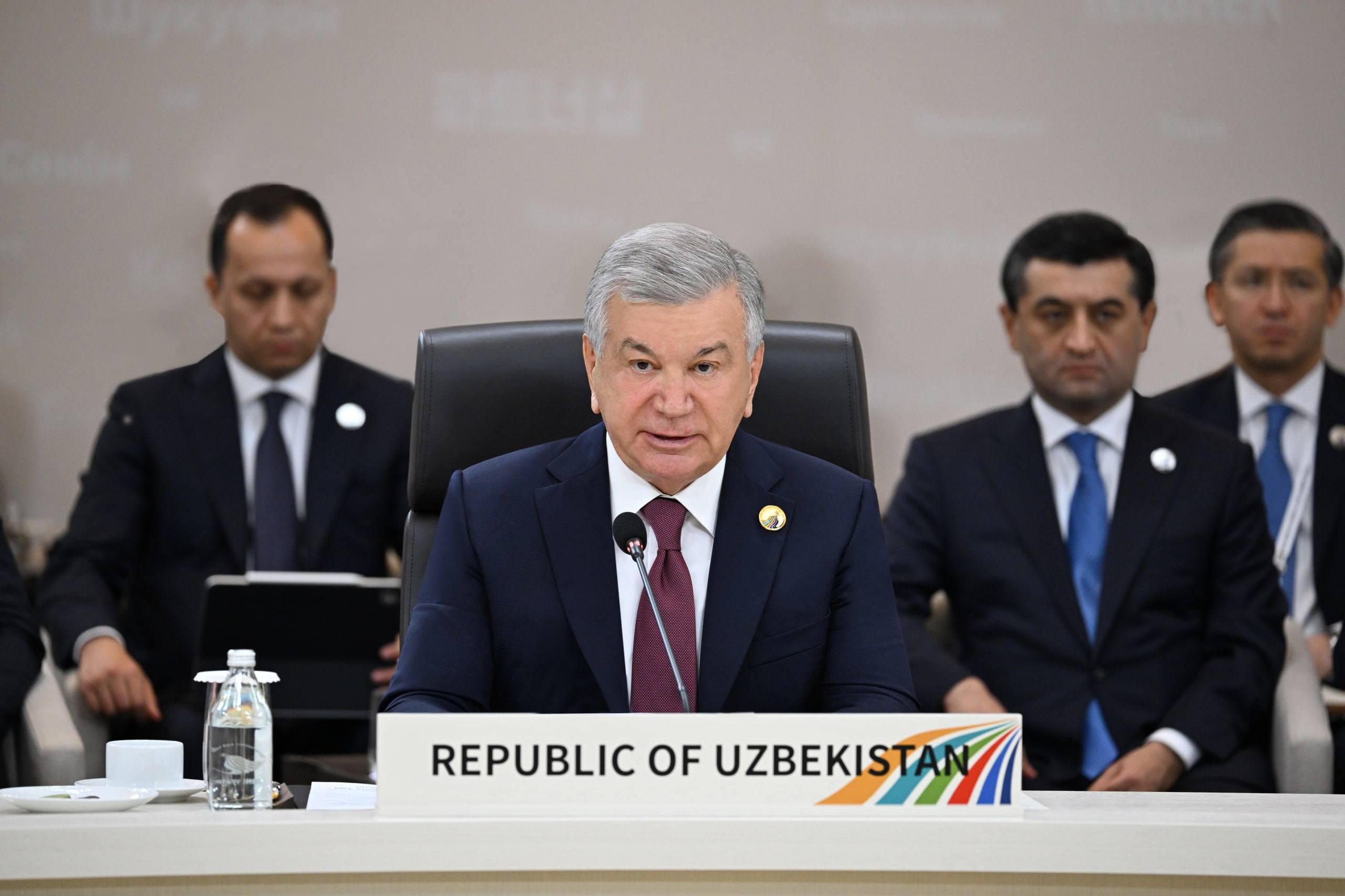
He stressed that a key milestone in this process was President Shavkat Mirziyoyev’s official visit to Brussels and the signing of the Enhanced Partnership and Cooperation Agreement which opened “a new chapter in relations between Uzbekistan and the EU.”
The Ambassador also emphasized strengthening EU cooperation with Central Asian states. He noted that the first “Central Asia–EU” summit in Samarkand laid a solid foundation for expanding relations, creating conditions for joint work in security, economic development, transport, and environmental areas.
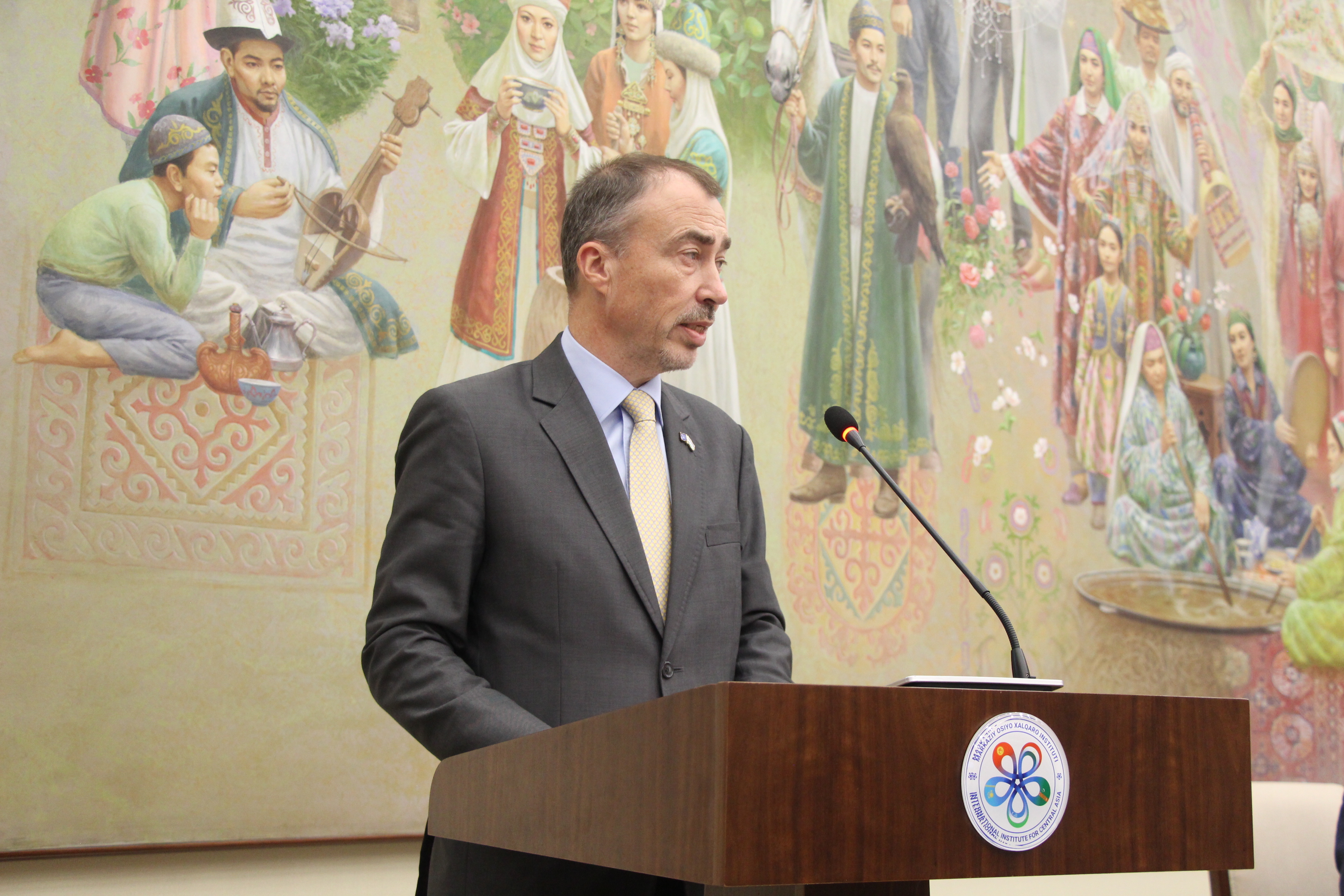
In addition, Amb. Klaar outlined the EU’s main areas of engagement with Central Asia, including promising projects in sustainable development and the promotion of joint programs in science and technology.
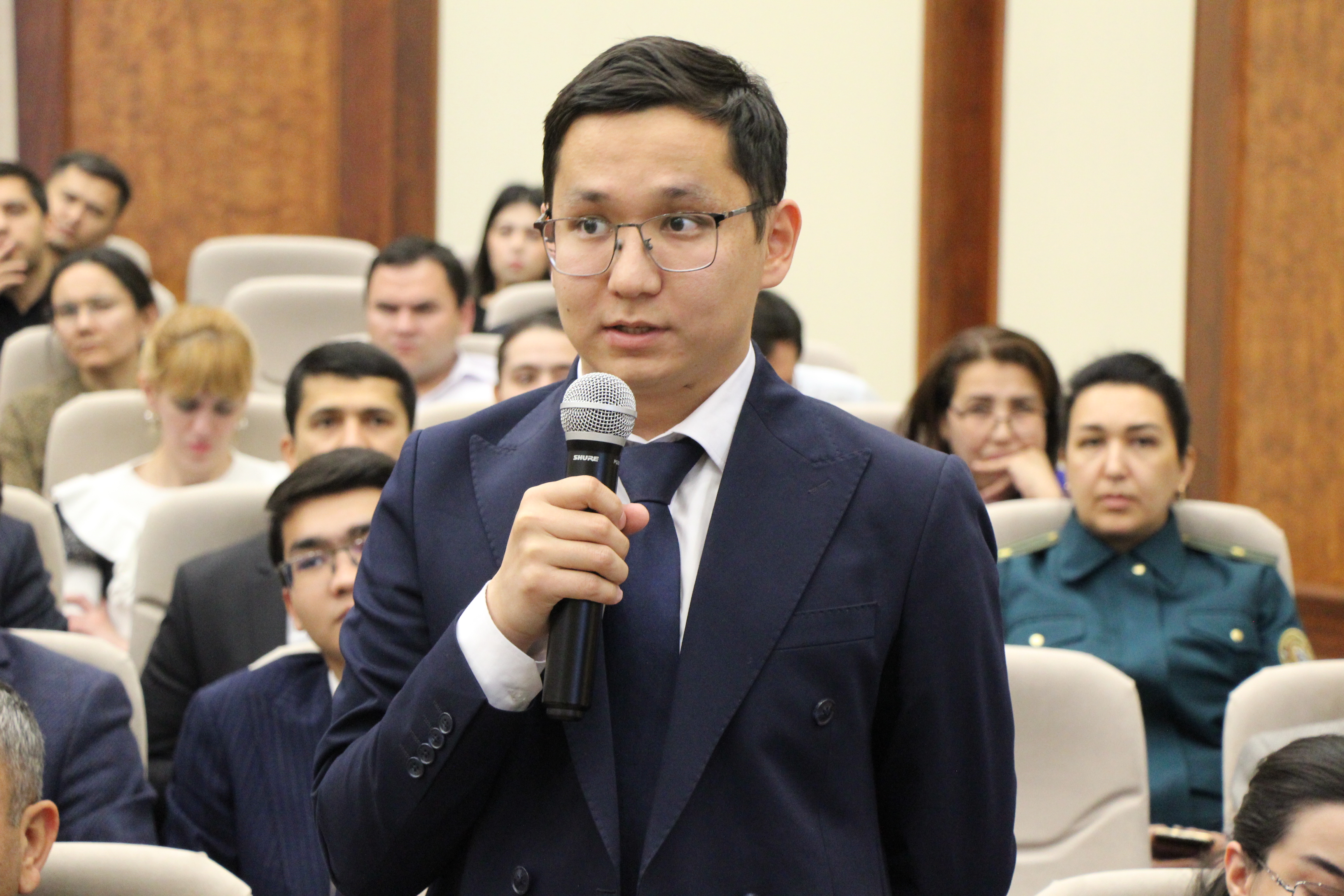
Following the lecture, a Questions-Answers session allowed participants to clarify key aspects of cooperation and gain insights into current trends and ways to advance bilateral and multilateral engagement.